
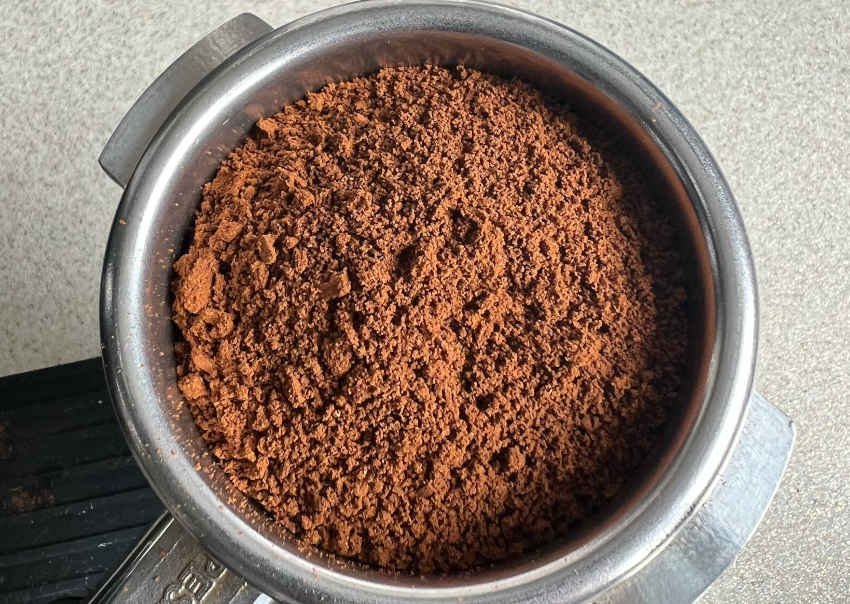
Ground coffee is simply roasted coffee beans that have been crushed or milled into small particles to allow for easy water extraction.
What ground coffee means
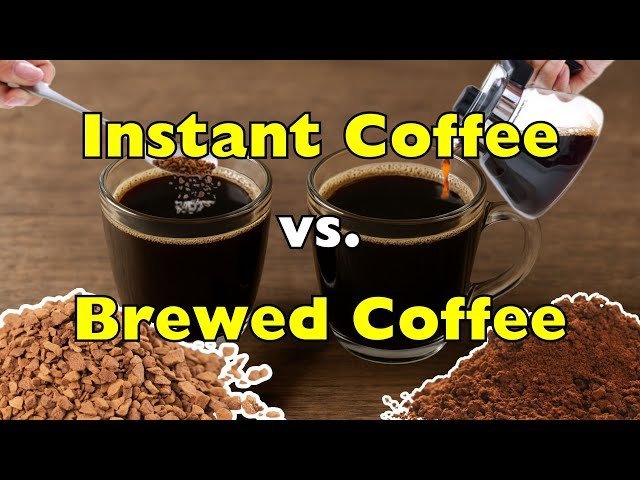
The size of your coffee grounds is the most important factor in your cup’s final taste. If you grind the beans too coarse, water flows through too quickly and leaves the coffee tasting weak or sour. If you grind them too fine, the water stays in contact with the particles too long, which often results in a bitter, over-extracted flavor profile.
Most beginners make the mistake of using the same grind setting for every brewing method. You should match your grind size to your specific equipment to ensure the water extracts the right amount of oils and solids.
Preparing your beans
- Select your whole roasted beans and check that they’re fresh to ensure the best flavor extraction.
- Adjust your grinder dial to the setting that matches your brewer, such as coarse for a French press or fine for espresso machines.
- Measure your beans using a scale to maintain consistency, typically using 1 gram of coffee for every 16 grams of water.
- Process the beans until they reach the uniform size required for your specific brewing device.
- Transfer the grounds immediately to your brewing equipment to prevent flavor loss from oxygen exposure.
Tip: Always grind your coffee right before brewing to lock in the volatile aromatic compounds that disappear within minutes of milling.
Time requirements for brewing
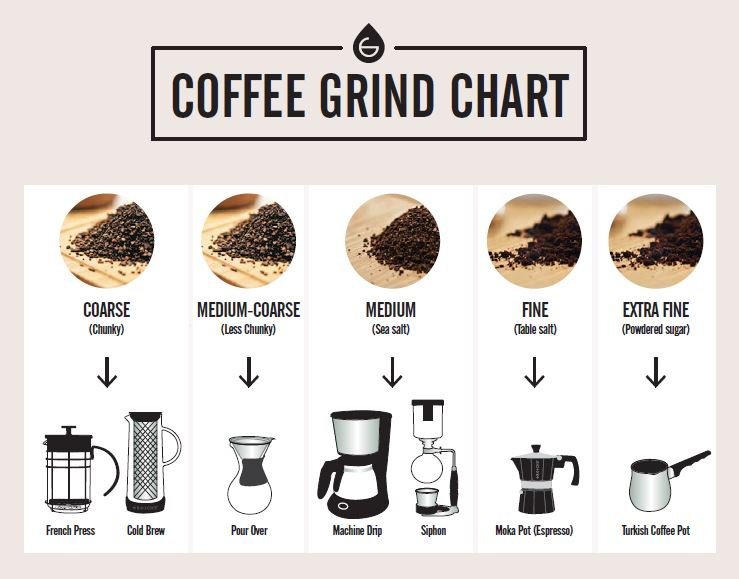
The time it takes to brew depends on the grind size and the equipment used. Proper storage of these grounds in an airtight container is essential to maintain quality and prevent moisture absorption.
| Method | Grind Size | Brew Time | What changes it |
|---|---|---|---|
| French Press | Coarse | 4 minutes | Water temperature |
| Drip Coffee | Medium | 5 minutes | Filter type |
| Espresso | Fine | 30 seconds | Machine pressure |
If your coffee takes much longer to drip through the filter than these times suggest, your grind is likely too fine for your specific machine.
Identifying perfect extraction
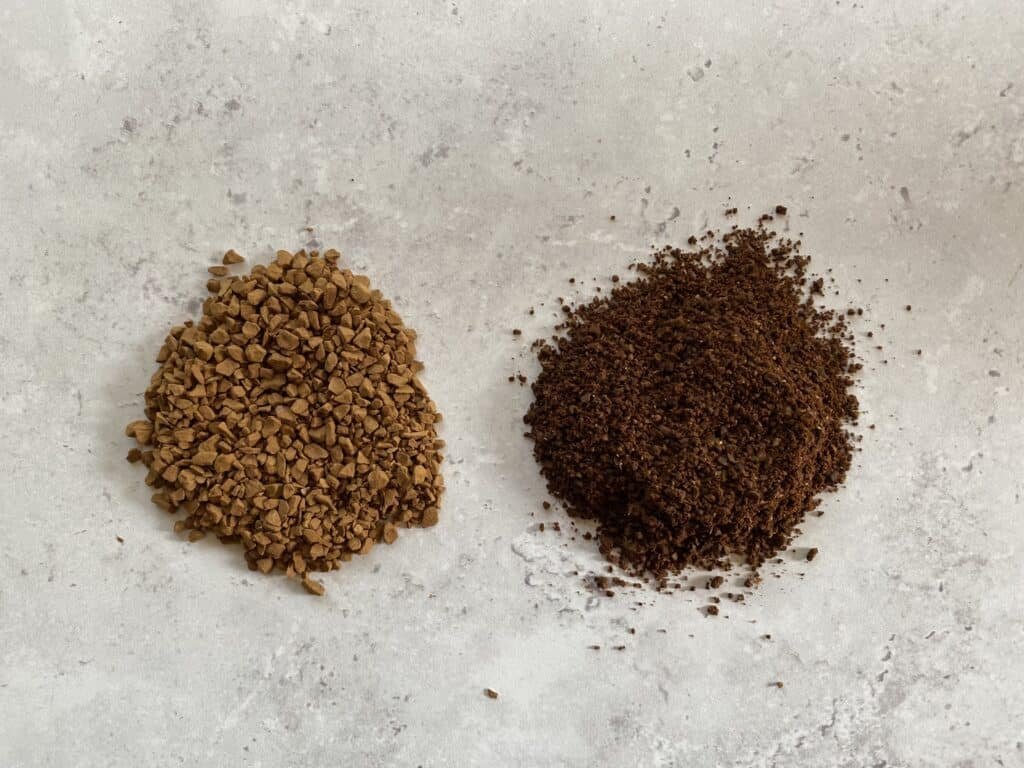
You can tell the coffee is ready by observing the color and the flow rate through your filter. A well-extracted cup should look rich and dark, and it should smell fragrant rather than burnt or dusty. If you use a paper filter, the liquid should drip steadily rather than stalling, which indicates the particle size is correct for the resistance of your setup. Professional baristas often use a refractometer to measure total dissolved solids, but for home use, your own taste buds are the final judge of whether the extraction is balanced.
Common errors in preparation
- Storing in the freezer: Many people think this keeps coffee fresh, but it actually introduces moisture and odors that ruin the delicate oils. Store your grounds in an opaque, airtight container at room temperature instead.
- Using inconsistent grinders: A blade grinder creates uneven chunks, which causes some parts of the coffee to over-extract while others remain under-extracted. Use a burr grinder to ensure every particle is the same size.
- Ignoring water quality: Since coffee is mostly water, using hard or filtered tap water with heavy chlorine will mask the natural notes of the bean. Use filtered water to ensure the flavor of the ground coffee remains clean and bright.
How long does ground coffee stay fresh?
Ground coffee stays fresh for about one to two weeks if kept in an airtight container away from light and heat. After this window, the volatile oils oxidize, causing the flavor to taste flat or stale compared to the day it was ground.
Can I use the same grind for all coffee makers?
No, you can’t use the same grind for all makers because each device has a different contact time with water. Espresso machines need fine grounds to build pressure, while French presses need coarse grounds to prevent the mesh filter from clogging during the plunge.
Why is my coffee bitter?
Your coffee tastes bitter because the grounds are likely too fine or the brew time is too long, causing over-extraction. Try using a coarser grind setting or reducing your total brew time to see if the flavor improves in your next cup.
Is it safe to drink old ground coffee?
Yes, it’s safe to drink old ground coffee as long as it has been stored in a dry, cool place and shows no signs of mold. While it’s technically safe, the flavor will be significantly degraded after several weeks of exposure to air.
How much coffee should I use per cup?
A standard starting point is two tablespoons of ground coffee for every six ounces of water. You can adjust this ratio up or down depending on your personal preference for strength, but keep the ratio consistent once you find a flavor you enjoy.
Why does my coffee taste sour?
Sour coffee is a sign of under-extraction, which happens when the grounds are too coarse for the brewing method. Increase your extraction by using a finer grind size or by increasing the water temperature slightly to help pull more solids from the coffee.
Coffee is a perishable product that begins to lose its peak quality the moment it’s ground. By choosing the right grind size and storing your coffee in an airtight container, you ensure that every cup you brew has the best possible flavor.