
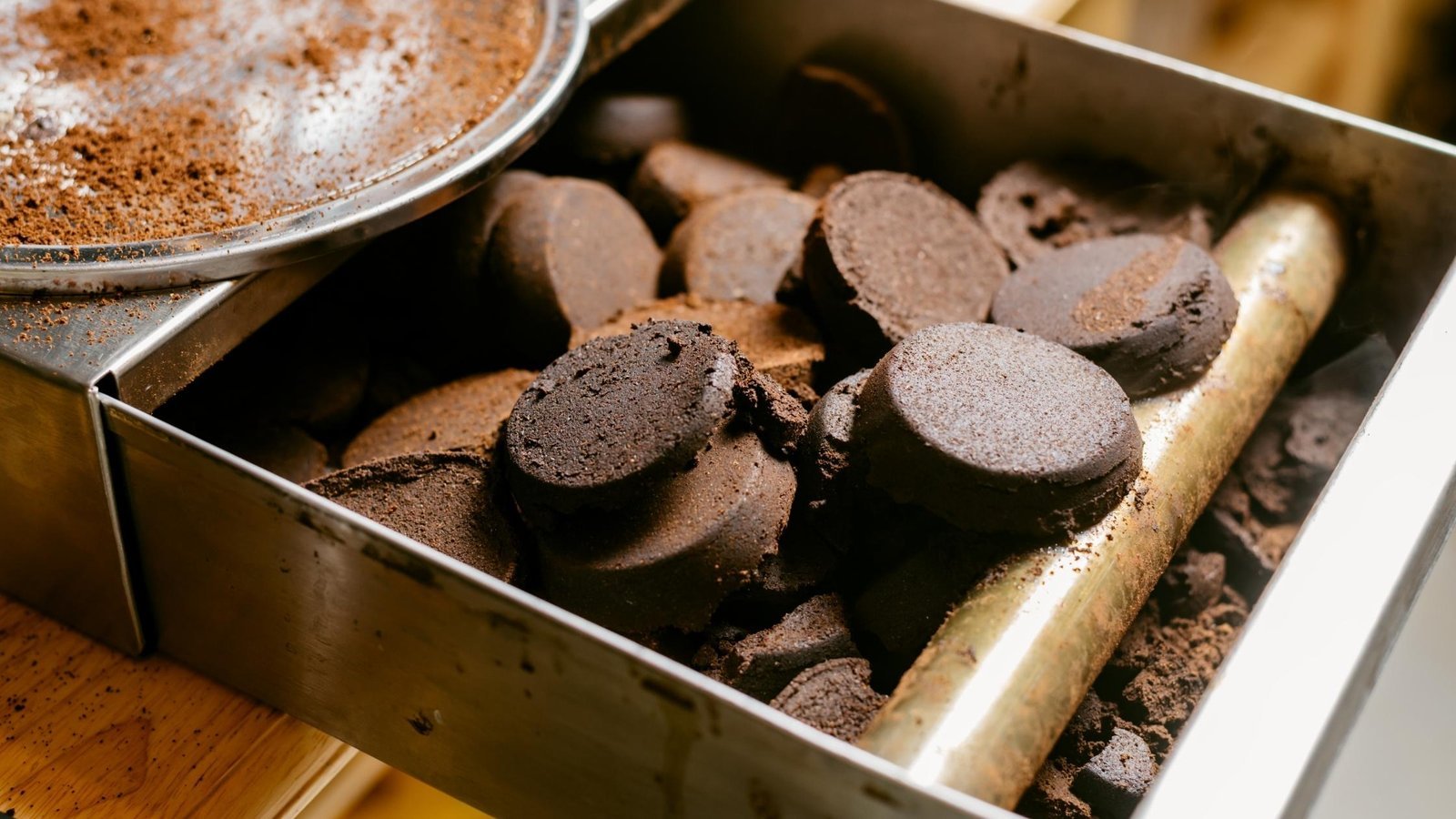
Ground coffee is used for brewing hot beverages like espresso, drip coffee, or French press coffee, but what is ground coffee used for beyond the mug? It also serves as a natural abrasive for skincare or a nitrogen-rich additive for garden compost, helping you maximize the utility of your beans.
What is ground coffee used for? Creative ideas
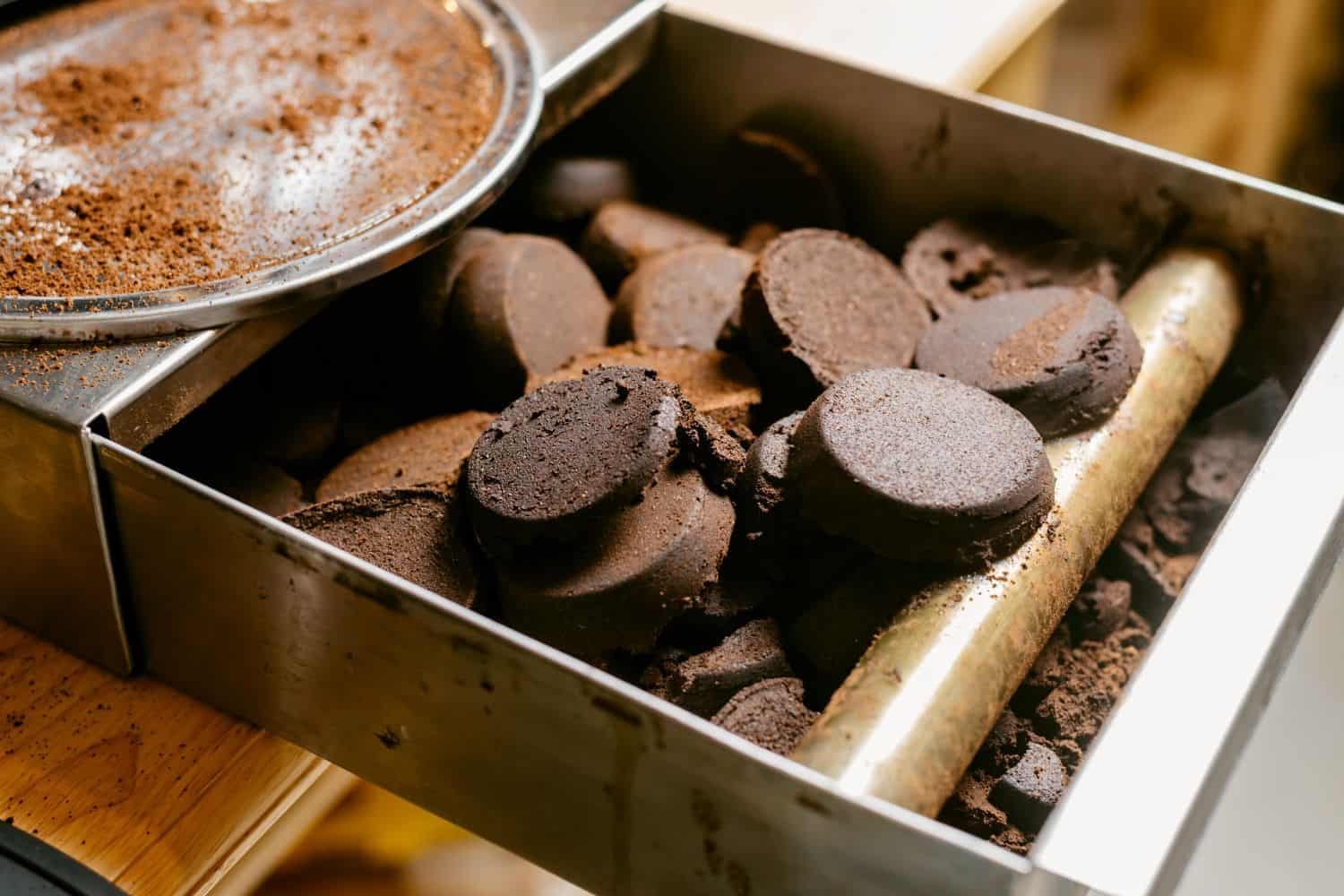
- Brewing coffee: Use a ratio of 1:16 for a standard drip brew, adjusting to 1:10 for a stronger French press flavor.
- Exfoliating skin: Mix 2 tablespoons of grounds with 1 tablespoon of coconut oil for a natural body scrub.
- Deodorizing spaces: Place dry grounds in an open bowl in your fridge to absorb food odors for up to 3 days.
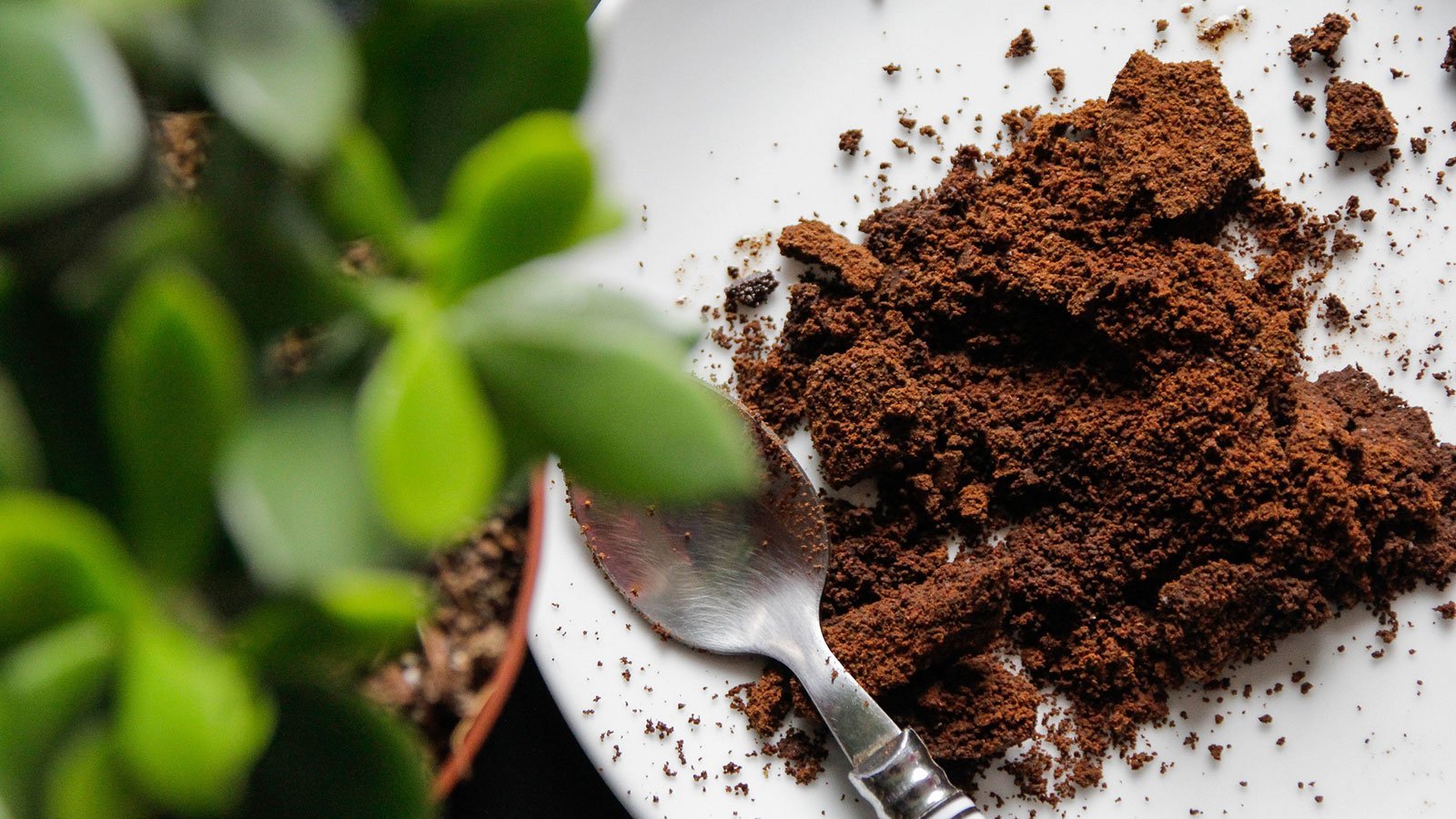
- Gardening fertilizer: Add used grounds to compost piles to boost nitrogen levels, but avoid direct application to sensitive seedlings.
- Cleaning surfaces: Use the abrasive texture to scrub stuck-on grease from pots, but avoid using on delicate non-stick coatings.
- Pest control: Sprinkle dry grounds around plants to deter slugs and snails, though this effect varies by weather and soil moisture.
Why coffee works for different tasks
The chemical structure of coffee makes it effective for more than just drinking. Coffee contains natural oils and abrasive particles that help physically lift dirt or dead skin cells. When used in the garden, coffee grounds contain nitrogen, which is a vital nutrient for plant growth. According to the Oregon State University Extension Service, adding grounds to a compost pile creates a balanced mix that breaks down into beneficial organic matter. The acidity of coffee grounds also changes slightly as they’re brewed, meaning used grounds have a more neutral pH than fresh ones. This makes them safer for general composting. Because coffee is highly porous, it acts like a sponge for smells in small, enclosed areas. If you use it for cleaning, the fine particles provide enough friction to scour heavy buildup without the harsh chemicals found in many commercial abrasive cleaners. Always test a small area first to ensure the texture doesn’t scratch your specific surface finish.
When the usage changes
| Situation | What changes | What to do instead |
|---|---|---|
| Very fine grind | Extraction speed | Use for espresso only |
| Coarse grind | Water flow rate | Use for cold brew |
| Heavily sugared grounds | Pests attracted | Don’t put in garden |
| Oily dark roast | Surface residue | Use for heavy scrubbing |
How to prepare coffee for different uses
- Measure 30 grams of whole beans for a standard 16-ounce carafe of coffee, then grind to a medium consistency for drip brewing.
- Select a coarse grind setting for French press coffee, aiming for a texture similar to sea salt to prevent over-extraction and bitterness.
- Dry your used coffee grounds on a baking sheet at room temperature for 24 hours before storing them to prevent mold growth.
- Combine 1/2 cup of dried grounds with 1/4 cup of sea salt to create a powerful abrasive scrub for cleaning cast iron pans.
- Mix used grounds into your compost bin at a ratio of no more than 20% of the total volume to maintain balance.
- Store excess grounds in an airtight container in the freezer if you plan to keep them for longer than 48 hours before use.
Mistakes that ruin your results
- Using grounds that are too fine for a French press leads to a muddy cup and excessive sediment.
- Applying fresh, unbrewed grounds directly to plant roots can cause nitrogen burn and soil acidity spikes.
- Leaving wet grounds in a bowl for more than three days causes mold, which ruins your air deodorizing efforts.
- Scrubbing stainless steel with coffee grounds can sometimes leave fine scratches if the grounds contain large, unground bean fragments.
Frequently asked questions
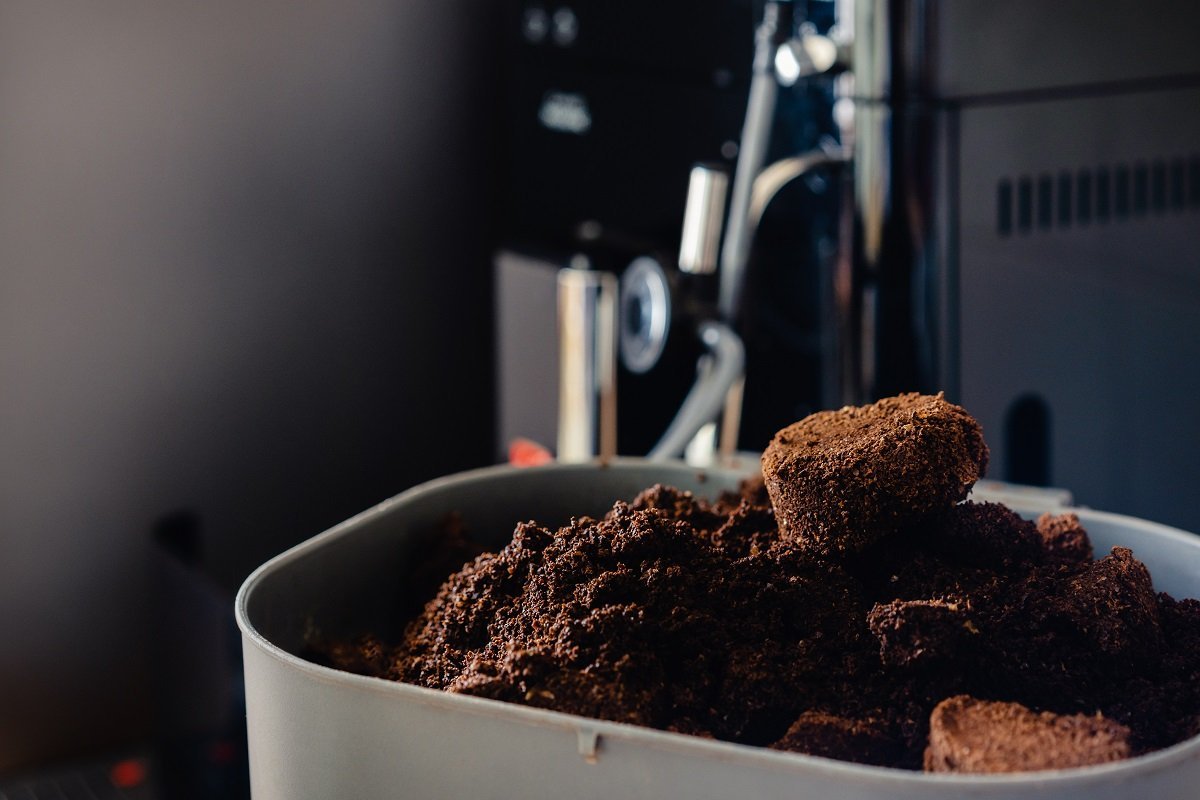
Can I reuse coffee grounds for a second cup?
No, you can’t reuse grounds for a second cup because the first brewing cycle extracts most of the soluble oils and flavor compounds. A second pass through the same grounds will produce a bitter, watery, and weak drink that lacks any real coffee character.
How long do used coffee grounds last?
Used coffee grounds last about 24 to 48 hours at room temperature before they begin to grow mold. If you need to keep them longer, spread them out to dry completely or store them in a sealed container in the freezer.
Is it safe to put coffee grounds in the sink?
No, it isn’t safe to put coffee grounds in your sink because they don’t dissolve and can clump together to cause severe pipe blockages. Always dispose of your spent grounds in the trash or your compost bin to protect your plumbing system.
How much coffee do I use for cold brew?
Use about 1 cup of coarsely ground coffee for every 4 cups of cold, filtered water to achieve a standard concentrate. Let the mixture steep for 12 to 18 hours at room temperature, then strain it through a fine-mesh sieve or a paper filter.
Does coffee help get rid of ants?
No, coffee grounds don’t effectively kill or repel ants, despite common myths suggesting the smell deters them. You’re better off using commercial baits or sealing entry points if you have a persistent ant problem in your home or garden.
What happens if I use too much coffee in the garden?
Using too much coffee in the garden can create an overly acidic environment and restrict airflow in the soil. Stick to adding small amounts to your compost pile where the grounds can break down properly before being used as a soil amendment.
Ground coffee, in short
Finding the right use for your ground coffee depends largely on whether the beans have been brewed or are still fresh. By following these simple handling rules, you can turn your daily coffee habit into a versatile tool for your home and garden.