
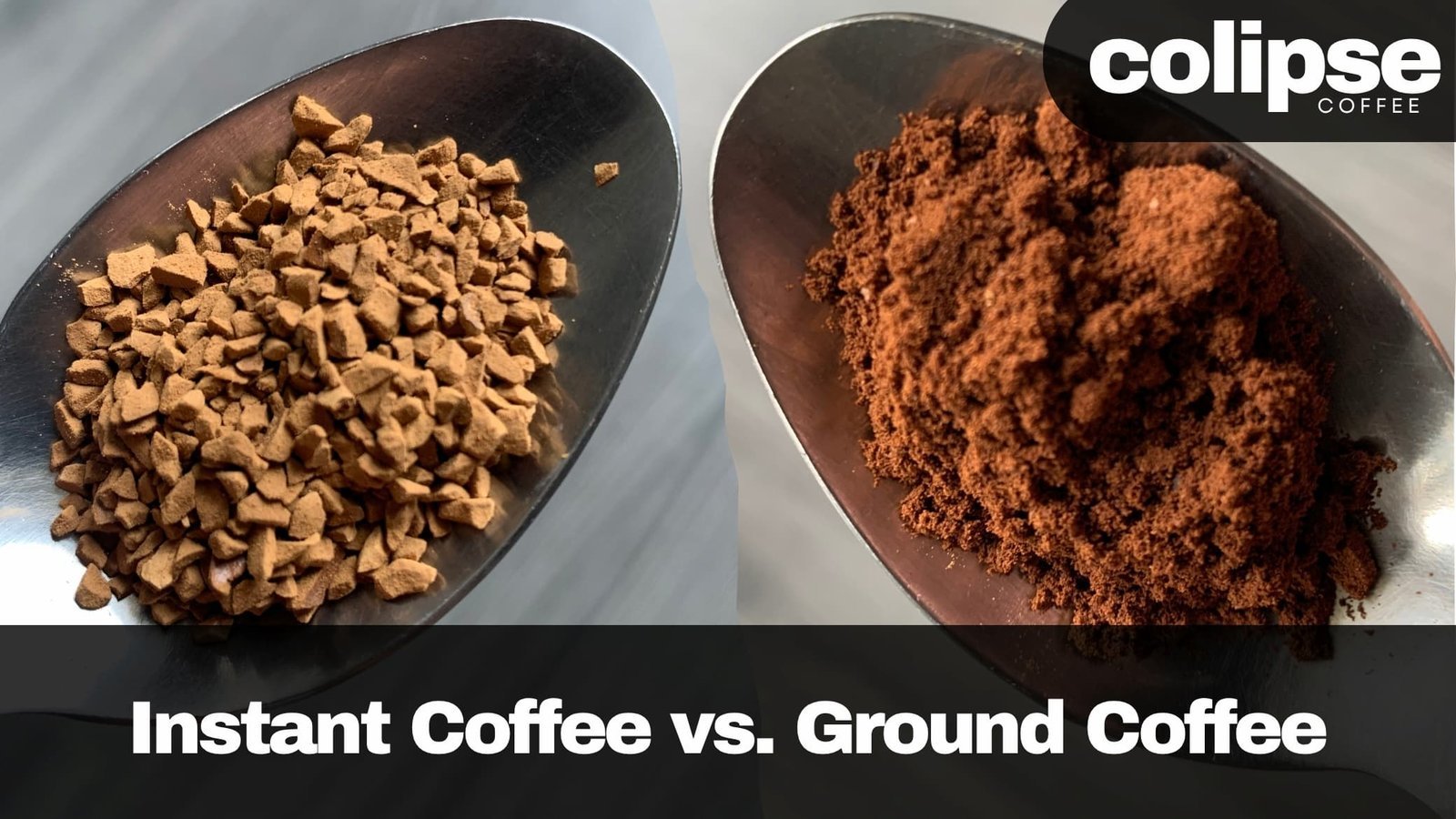
What is in ground coffee is essentially pulverized roasted coffee beans, which contain over a thousand chemical compounds including caffeine, carbohydrates, lipids, and volatile oils that give the drink its characteristic aroma and taste. These particles are the result of crushing whole beans to increase surface area for water extraction.
What is in ground coffee: Composition and quality
The primary makeup of every coffee grind is organic matter derived from the Coffea plant seed. Beyond caffeine, you’ll find acids like chlorogenic acid and various proteins that contribute to the bitterness and body of your brew. Freshness is the most important factor here, as once the bean is broken, oxygen begins to degrade the oils inside.
A common mistake is assuming that ground coffee is just “coffee dust” that stays fresh indefinitely. In reality, once the protective outer shell of the bean is broken, the flavor compounds oxidize rapidly. If you buy pre-ground coffee, you should keep it in an airtight container away from light to slow this process.
Brewing your ground coffee
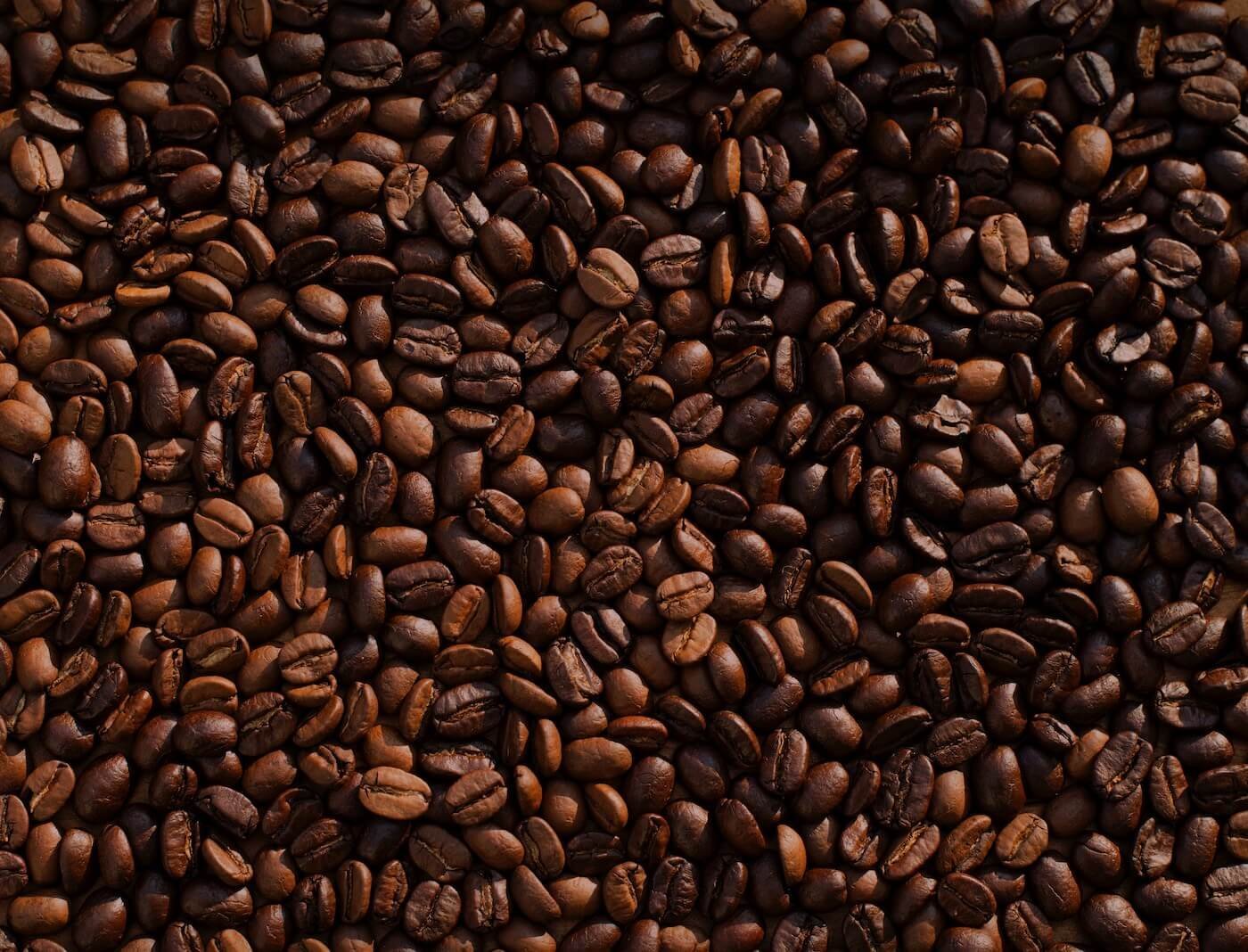
- Measure your coffee using a scale rather than a scoop to ensure consistency. A standard ratio is 1:16, meaning 1 gram of coffee for every 16 grams of water.
- Select the grind size that matches your equipment: coarse for a French press, medium for drip machines, or fine for espresso.
- Heat your water to between 195°F and 205°F for optimal extraction.
- Pour the water over the grounds slowly, ensuring all particles are saturated.
- Filter the liquid through a paper or metal mesh depending on your desired mouthfeel.
Tip: If your coffee tastes sour, your grind is likely too coarse or your water is too cool; if it tastes bitter, your grind is too fine or your water is too hot.
Tip: For those with specific dietary restrictions, note that pure coffee is naturally gluten-free, though some flavored pre-ground products may contain additives or allergens.
Extraction time variations
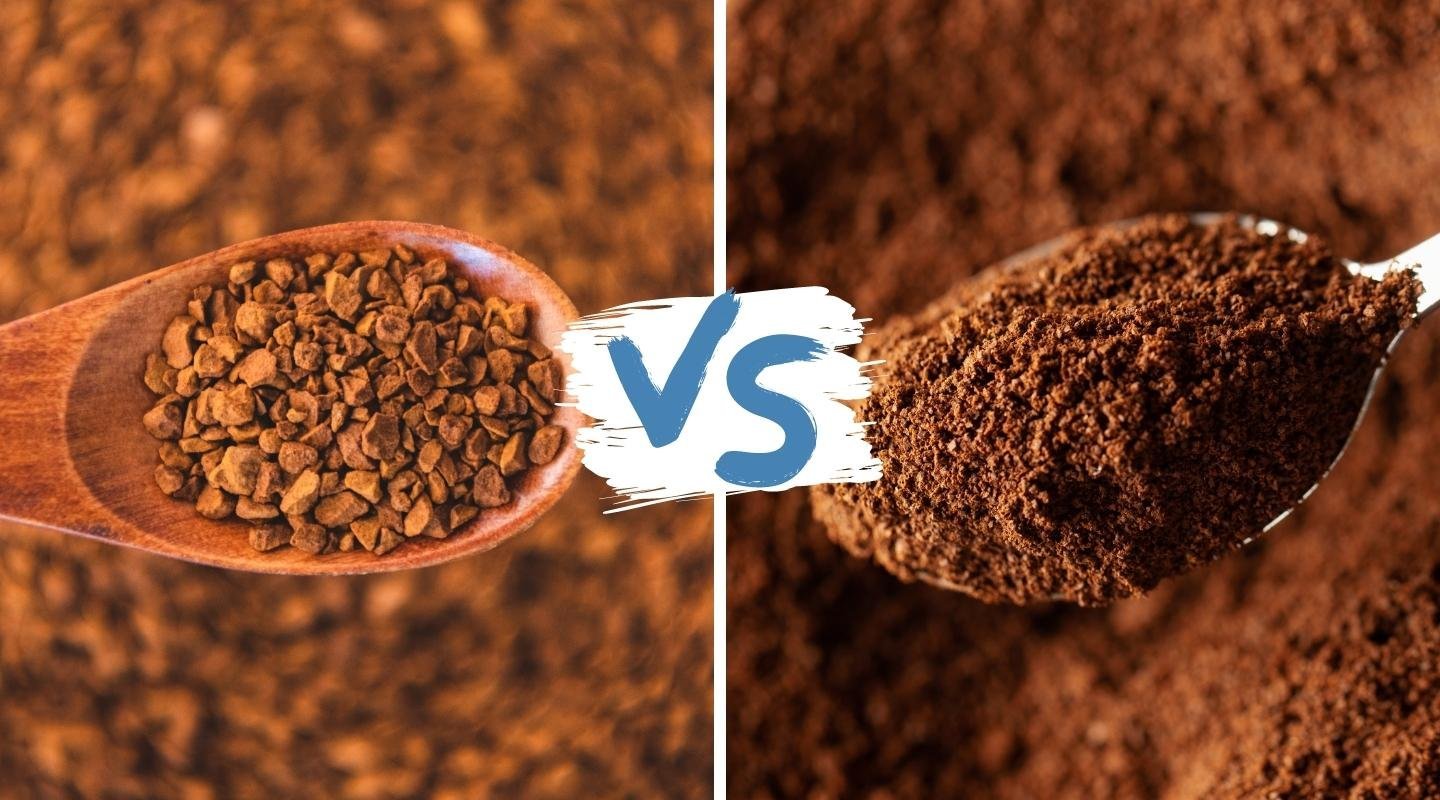
The time required for water to pull flavor from ground coffee changes based on the brewing method. You must adjust your contact time to match the grind size and equipment to avoid over-extraction or under-extraction.
| Method | Typical Time | Grind Size | Best For |
|---|---|---|---|
| French Press | 4 minutes | Coarse | Full body |
| Drip Machine | 5 minutes | Medium | Convenience |
| Pour Over | 3 minutes | Medium-Fine | Clarity |
| Espresso | 30 seconds | Fine | Concentrated shot |
If your brew takes significantly longer than the times listed, your grind is likely too fine, causing the water to stall and create an overly bitter cup.
Identifying ideal extraction
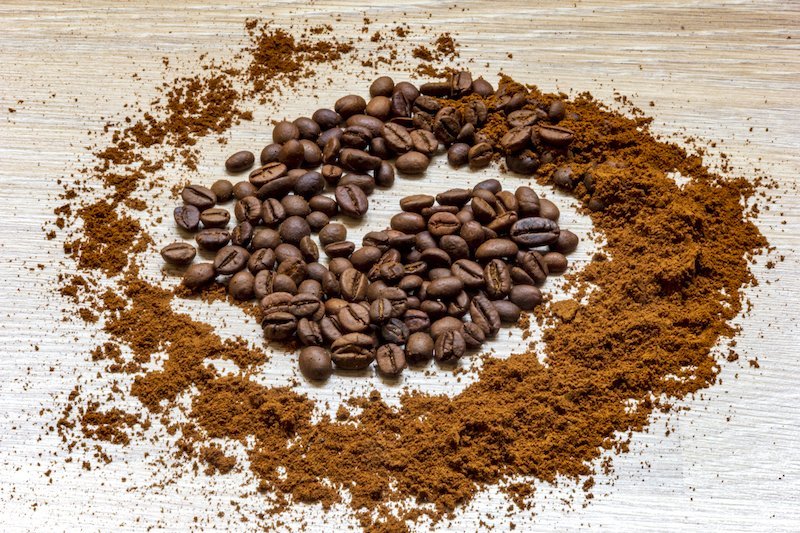
You can tell your coffee is perfectly extracted by looking at the color and tasting for balance. A well-extracted cup has a rich, deep brown color and a flavor profile that balances acidity, sweetness, and bitterness without being harsh on the tongue. If the coffee looks pale and tastes thin or acidic, it’s under-extracted. Conversely, if it looks black and tastes like burnt rubber or intense bitterness, it’s over-extracted. According to the National Coffee Association, the water-to-coffee ratio is the primary variable you should adjust to reach your personal preference for strength.
Mistakes that ruin flavor
- Using stale grounds: Oxygen exposure causes the volatile oils in ground coffee to oxidize, resulting in a flat, cardboard-like taste. Always buy whole beans and grind them just before brewing if you want the highest quality cup.
- Ignoring water quality: Since coffee is mostly water, using tap water with high chlorine or mineral content will mask the natural flavors of the bean. Use filtered or bottled water to ensure the coffee’s own compounds are the only thing you taste.
- Storing in the freezer: Many people think freezing keeps coffee fresh, but the moisture and odors from other food in the freezer can ruin the delicate oils. Keep your coffee in a cool, dark, and dry pantry instead.
Is ground coffee safe to drink after the expiration date?
Yes, it’s generally safe to drink, but the flavor will be significantly degraded. Coffee does not “spoil” in a way that causes illness like meat or dairy, but it will lose its aromatic oils and taste stale or rancid if kept for months past the recommended date.
Can I use ground coffee for espresso in a drip machine?
No, you shouldn’t use espresso-ground coffee in a standard drip machine because the particles are too fine. The water won’t flow through the bed properly, leading to a blocked filter, overflow, and an extremely bitter, muddy cup of coffee that over-extracts almost instantly.
Why does my ground coffee taste sour?
Sourness usually indicates under-extraction, which happens when the water passes through the grounds too quickly or isn’t hot enough. Try using a finer grind setting or increasing your water temperature slightly to help the water extract more sweetness and body from the coffee particles.
How long does ground coffee stay fresh?
Ground coffee stays at its peak flavor for about one to two weeks after the bag is opened. While it remains safe to consume for much longer, the complex notes that define high-quality coffee begin to fade within days of exposure to air, light, and humidity.
Does ground coffee contain anything other than coffee?
No, pure ground coffee contains only the processed seeds of the coffee fruit. If you purchase flavored coffee, however, the ingredients list may include natural or artificial flavorings like vanilla or hazelnut oil, which are added to the beans after roasting but before grinding.
What happens if I use the wrong grind size?
Using the wrong size changes the surface area available to the water, which ruins the extraction balance. If the grind is too coarse, the water flows too fast and the coffee is weak; if the grind is too fine, the water flows too slow and the coffee is bitter.
The quality of your daily cup depends entirely on the freshness of the beans and the accuracy of your extraction. By controlling your grind size and using fresh water, you ensure that the complex chemical makeup of the coffee is highlighted rather than masked by staleness or poor technique.