
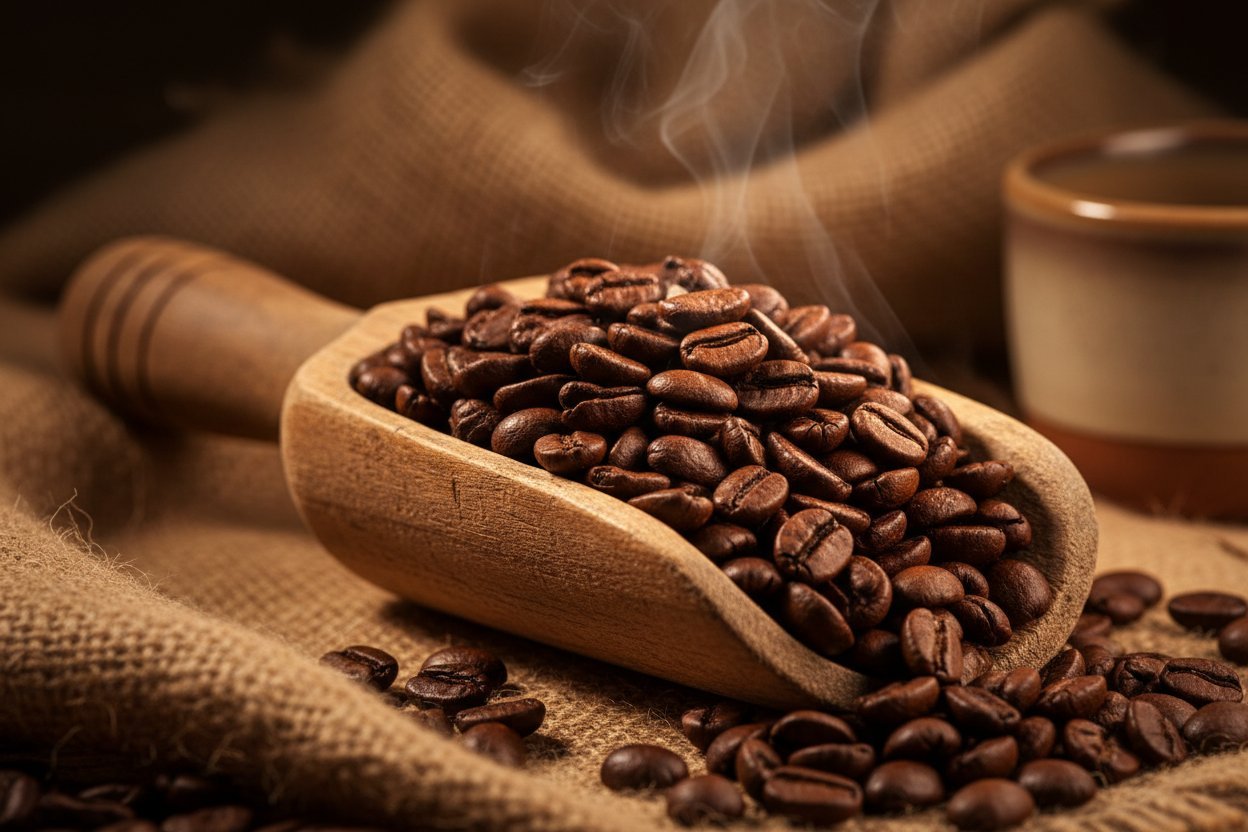
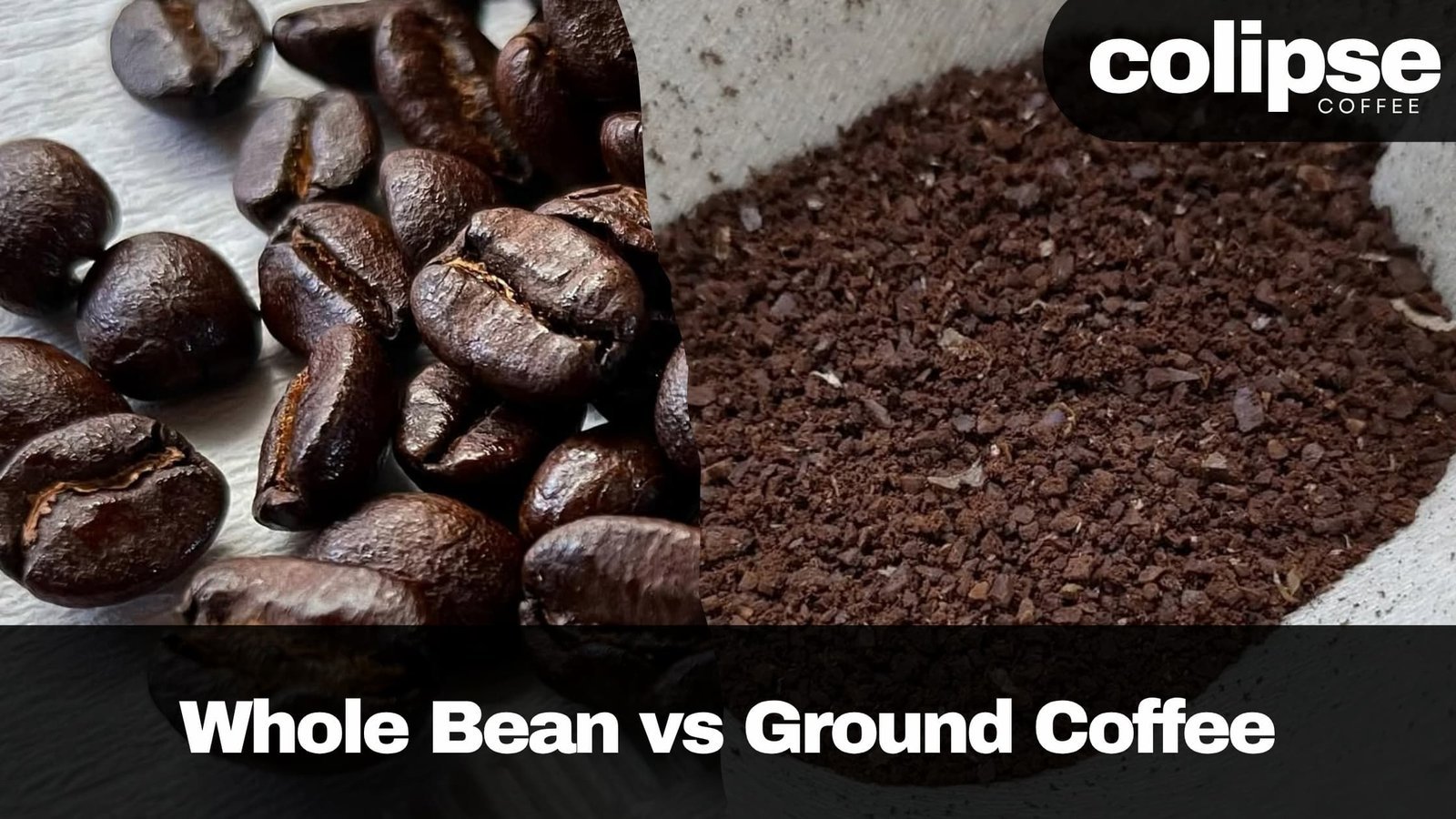
The primary difference between ground and whole bean coffee is the surface area exposed to oxygen, which causes ground coffee to lose its flavor and aroma significantly faster than whole beans. If you’re looking for peak freshness, you should grind your beans right before brewing.
Coffee Bean Freshness and Flavor Retention
- Whole beans stay fresh for up to two weeks when stored in an airtight container at room temperature.
- Grind size determines the extraction rate, so use a coarse grind for French press and a fine grind for espresso.
- Whole beans require a burr grinder to ensure uniform particle size, which prevents uneven flavor extraction during brewing.
- If you buy pre-ground coffee, use it within one week of opening the bag to avoid a flat or stale taste.
- Always check the roast date on the bag; coffee is generally at its best between seven and twenty-one days after roasting.
Why Surface Area Changes Coffee Quality
The flavor profile of coffee is held in delicate oils and aromatic gases that begin to escape the moment the bean is broken. When you grind a bean, you increase its surface area by thousands of times compared to the whole bean. This massive increase in surface area allows oxygen to react with the coffee oils almost instantly. This process, known as oxidation, turns those complex oils into stale, bitter compounds that ruin the cup’s clarity. Whole beans act as a natural, protective shell for these oils, slowing down the degradation process significantly. Because coffee beans contain many volatile compounds, the National Coffee Association notes that proper storage of coffee requires protection from air, moisture, heat, and light to maintain quality. If you want the best taste, keep your beans in an opaque container in a cool place and only grind the amount you intend to drink immediately.
When the Answer is Different
| Situation | What changes | What to do instead |
|---|---|---|
| Buying in bulk | Need for long storage | Buy whole beans, freeze small portions |
| Lack of grinder | Can’t grind at home | Buy small bags of ground coffee |
| Espresso brewing | Needs very fine grind | Use commercial grinder for consistency |
| Cold brew method | Needs coarse grind | Use coarse ground for easier filtering |
| Limited time | Speed of preparation | Use pre-ground for quick mornings |
How to Prepare Your Coffee Properly
- Measure 2 tablespoons of whole coffee beans for every 6 ounces of water to ensure a standard strength.
- Heat your filtered water to between 195°F and 205°F for optimal extraction.
- Place the beans into your burr grinder and select the setting that matches your specific brewing device’s recommended coarseness.
- Pour the grounds into your filter immediately after grinding to prevent the loss of volatile aromas into the air.
- Saturate the grounds with a small amount of hot water and wait 30 seconds to allow the coffee to bloom.
- Pour the remaining water slowly in a circular motion to ensure that all grounds are extracted evenly during the process.
The Mistakes That Ruin Your Coffee
- Storing coffee in the refrigerator leads to moisture buildup and flavor absorption from other foods in the fridge.
- Using a blade grinder creates uneven “dust” and large chunks, which causes a muddy, inconsistent taste in your cup.
- Leaving the bag open allows air to circulate, which strips the coffee of its natural sweetness within a few hours.
- Grinding too much coffee in advance is a waste of money because the beans lose their character long before you drink them.
Related guides
Frequently Asked Questions

Does pre-ground coffee taste worse?
Yes, pre-ground coffee typically tastes worse than freshly ground coffee because it has been exposed to oxygen for a longer period. The loss of aromatic gases occurs rapidly after grinding, leaving the coffee with a flat, dull flavor profile compared to fresh beans.
How long does ground coffee stay fresh?
Ground coffee stays fresh for about one week if stored in an airtight, opaque container away from light and heat. Most of the flavor quality disappears after the first seven days, even if the coffee remains technically safe to consume after that time.
Can I grind coffee in a blender?
No, you shouldn’t use a blender because it creates an uneven grind size that leads to over-extracted, bitter coffee. Blenders chop the beans randomly rather than crushing them uniformly, which makes it impossible to achieve a consistent flavor extraction during your brew.
Is it safe to store coffee in the freezer?
Yes, it’s safe to store coffee in the freezer, but you must use a completely airtight, moisture-proof bag to prevent freezer burn. Only remove the amount you need for the week to avoid condensation forming on the beans when you open the bag.
Does grind size affect caffeine levels?
No, grind size doesn’t change the amount of caffeine in the beans, but it does change how much caffeine is extracted into your cup. A finer grind allows water to extract more caffeine and flavor, while a coarser grind results in a lighter, less intense extraction.
Should I buy whole bean coffee if I have a blade grinder?
Yes, buying whole beans is still better because you can control when the oxidation begins. Even with a basic blade grinder, grinding the beans right before you brew will provide a significantly fresher taste than using coffee that was ground days or weeks ago.
Difference between, in short
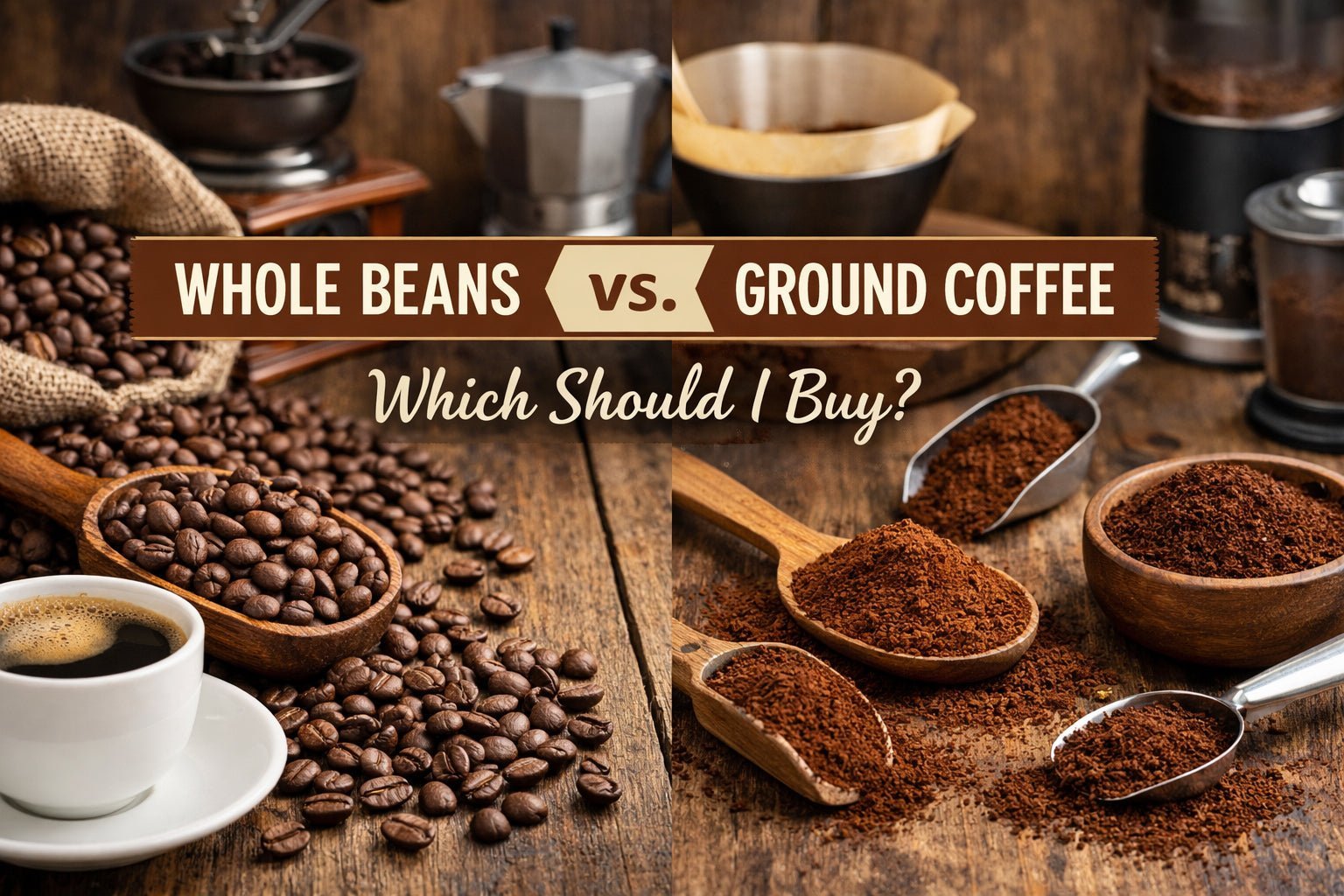
Choosing between whole and ground coffee comes down to how much you value the specific aromatic notes of your roast. If you enjoy the ritual of brewing and want the freshest possible cup, whole beans are the better choice. If you prioritize convenience and speed, buying smaller bags of ground coffee more frequently will help you keep the quality as high as possible.