
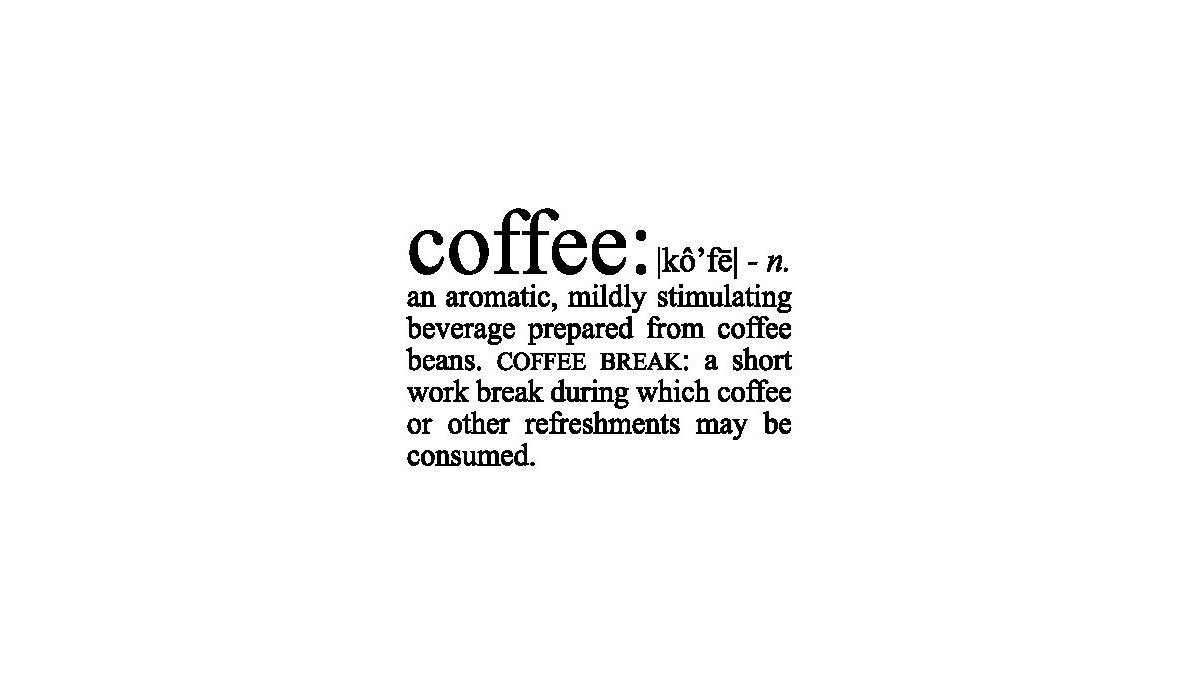
Coffee is a brewed beverage prepared from the roasted seeds of the Coffea plant. These seeds, commonly known as coffee beans, provide a stimulant effect due to their natural caffeine content, which is a plant-based alkaloid that affects the human central nervous system.
Botanical and industrial standards
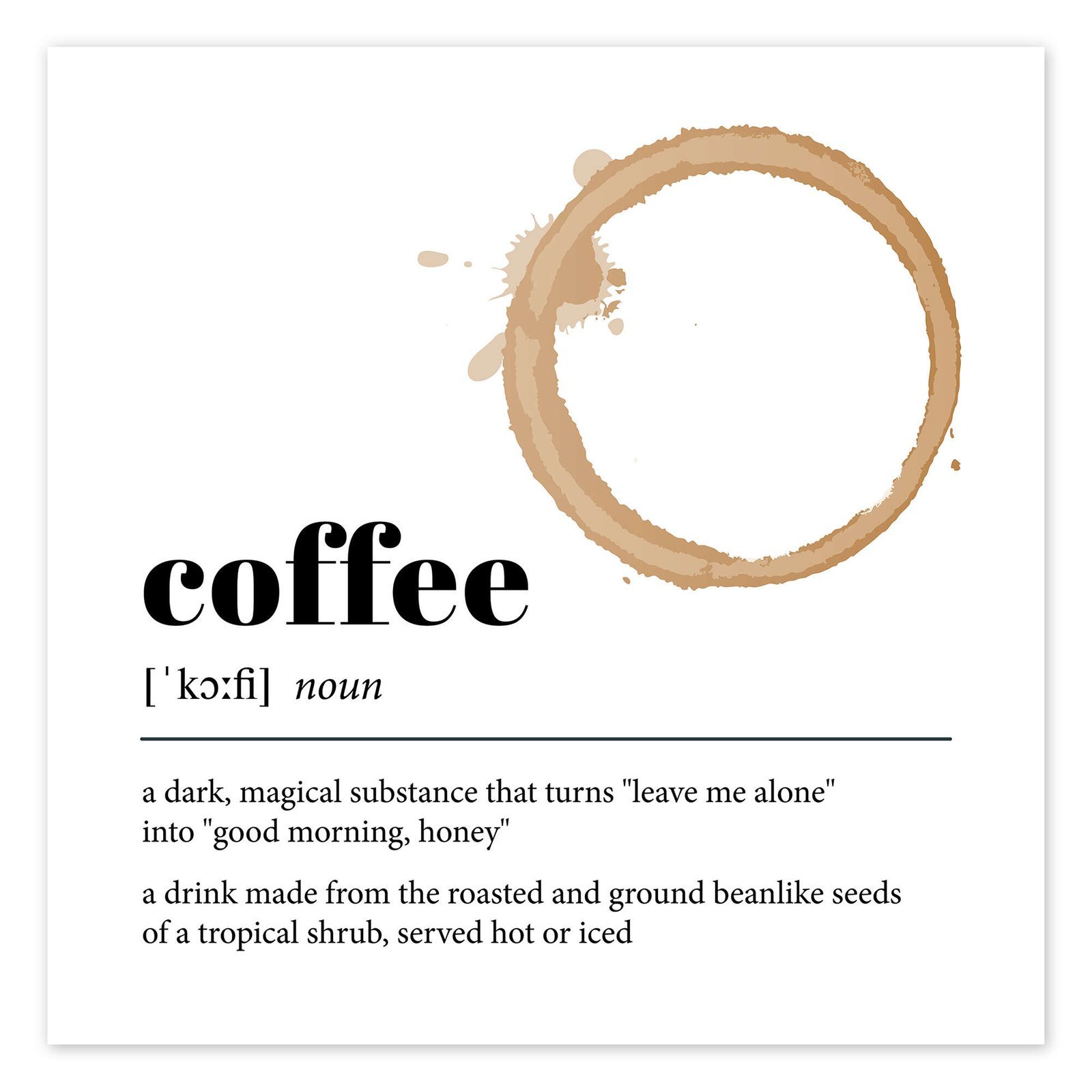
Coffee begins as a cherry-like fruit harvested from tropical shrubs. The internal seeds are processed, dried, and roasted to release the aromatic compounds that define the final cup. This process relies on specific chemical changes triggered by heat, which transform the raw green bean into the soluble product used for brewing.
The global trade and classification of this commodity often follow strict quality protocols to ensure consistency. These standards help producers and buyers agree on what constitutes a marketable product versus lower-grade material.
The preparation process
- Harvest the ripe coffee cherries when they turn deep red.
- Remove the fruit pulp to expose the two seeds inside each cherry.
- Dry the seeds until they reach a moisture level of about 11%.
- Roast the green seeds at temperatures between 370°F and 540°F until they reach the desired color.
- Grind the roasted beans into a consistent size based on your chosen brewing method.
- Extract the flavor by passing hot water, ideally between 195°F and 205°F, through the grounds.
Tip: If you grind beans too fine for your machine, the water will flow too slowly and result in a bitter, over-extracted taste.
Brewing and extraction times
The time required to create a drinkable extract depends on the surface area of the grounds and the pressure used during the process.
| Method | Typical Time | Water Temperature | Grind Size |
|---|---|---|---|
| French Press | 4 minutes | 200°F | Coarse |
| Drip Machine | 5–7 minutes | 195°F | Medium |
| Espresso | 25–30 seconds | 200°F | Fine |
If your coffee takes twice as long as the table suggests, your grind is likely too fine for the equipment, which restricts the water flow. This mistake leads to over-extraction, resulting in a cup that tastes bitter and astringent.
To diagnose your specific brew, use this decision rule: if the flavor is sour, coarsen your grind to speed up the flow. If the flavor is hollow or thin, use a finer setting to increase contact time. Aim for a total draw-down time within ten percent of the target. Consistency here is more important than the exact second.
Evaluating the final cup
You can judge the quality of your brew by observing the color, aroma, and mouthfeel. A properly extracted cup should be clear of excessive sediment and provide a balanced profile that avoids harsh, astringent notes. If the liquid tastes sour, it’s often a sign of under-extraction, meaning the water wasn’t in contact with the grounds long enough or wasn’t hot enough. Conversely, an overly bitter taste suggests the water extracted too many compounds from the beans. The final test is always the balance of acidity and sweetness, which varies by origin but should never be sharp or unpleasant.
Common preparation errors
- Using boiling water: Pouring water at 212°F onto grounds can scorch the delicate oils and create an overly bitter profile. Use water just off the boil to maintain the intended flavor profile.
- Storing beans in the freezer: This practice introduces moisture through condensation every time you open the bag, which degrades the oils. Keep your beans in an airtight container in a cool, dark cupboard instead.
- Neglecting equipment cleanliness: Old oils left inside a grinder or carafe turn rancid and ruin the flavor of fresh batches. Wash all parts that touch coffee with mild detergent after every use to ensure a clean taste.
Frequently asked questions
Can coffee be made from other plants?
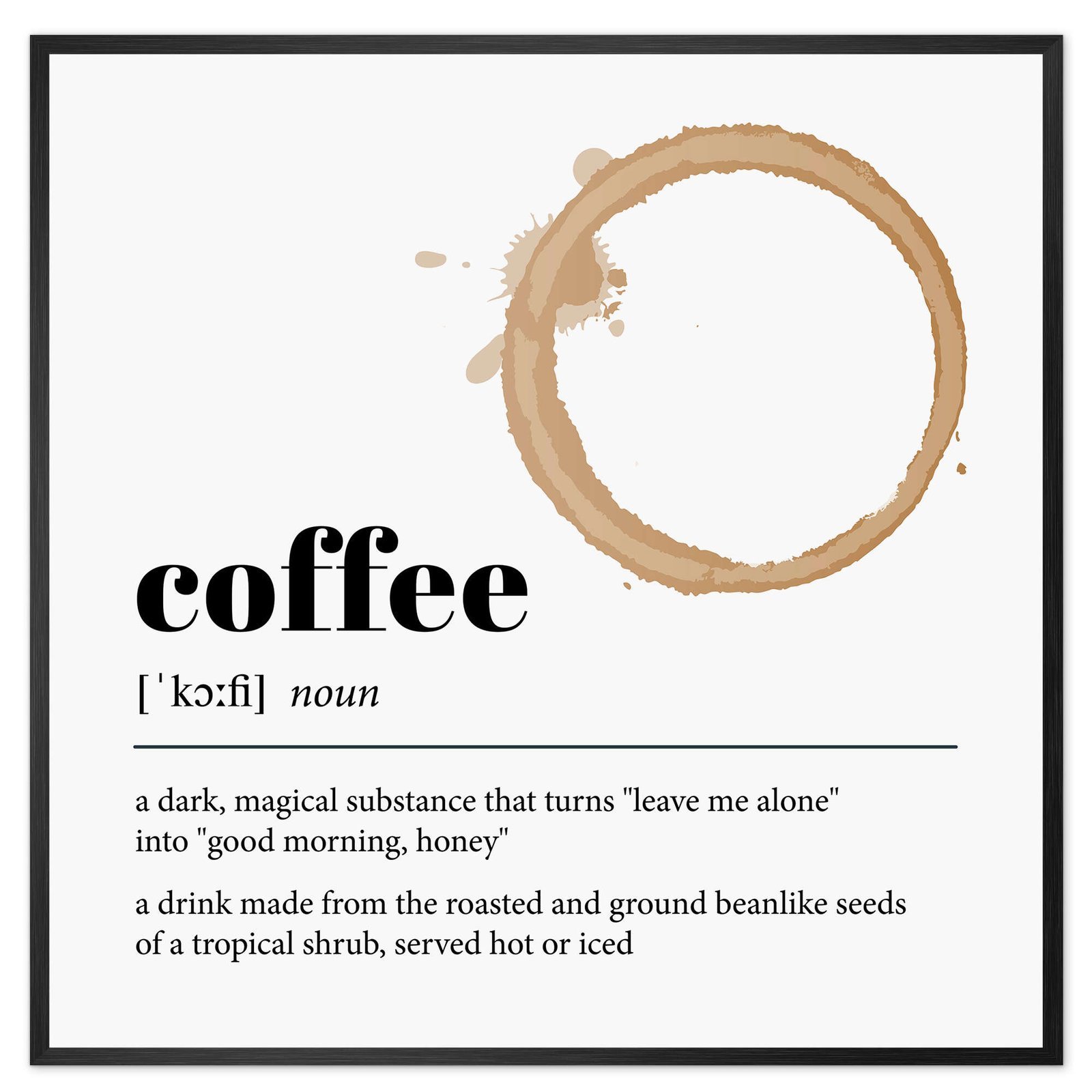
No, the definition strictly refers to the seeds of the Coffea genus. While people use the word “coffee” for drinks made from roasted chicory or dandelion roots, these are technically infusions or herbal decoctions rather than true coffee.
Is it safe to drink coffee every day?
Yes, most healthy adults can consume up to 400 milligrams of caffeine per day, which is roughly four cups of brewed coffee. This level is generally considered safe, though individual sensitivity to caffeine varies based on genetics and tolerance.
How long do coffee beans stay fresh?
Whole beans stay fresh for about two to four weeks if stored in an airtight container away from light and heat. Once you grind them, the surface area increases dramatically, so the flavor compounds begin to dissipate over the following hours.
What happens if I drink too much coffee?
Consuming excessive caffeine can lead to jitters, increased heart rate, and difficulty sleeping. If you notice these symptoms, reduce your daily intake by one cup per day until you find a level that doesn’t disrupt your physical comfort or sleep cycle.
Does dark roast have more caffeine?
No, dark roast doesn’t contain more caffeine than light roast by volume or weight. The roasting process burns off moisture and expands the bean, so a scoop of light roast actually contains slightly more caffeine than a scoop of dark roast.
Definition coffee, in short
The definition of coffee is tied to the specific plant species and the transformation of its seeds through roasting and extraction. By controlling your grind size, water temperature, and storage conditions, you can ensure the final cup meets your personal standards for quality every time.