
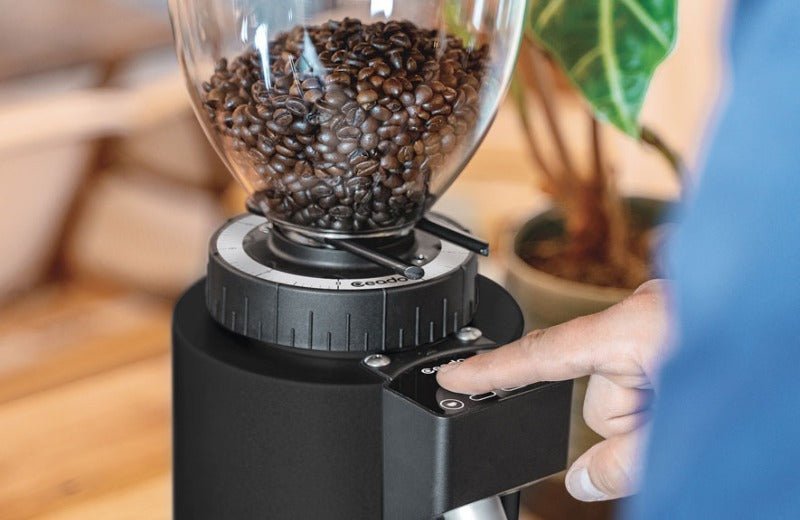
You can use a mortar and pestle to crush your beans or pre-ground coffee to achieve a smaller particle size in about three to five minutes. Making ground coffee finer is a simple process for those who lack a high-quality burr grinder.
Essential tools for manual grinding
To adjust your coffee texture without a machine, you need a few basic items.
- A heavy stone or ceramic mortar and pestle.
- A clean, dry kitchen towel to prevent sliding.
- One-quarter cup of coffee beans or coarse grounds.
- A fine-mesh metal sieve for consistent results.
- A small airtight glass jar for storage.
A granite set works best for uniform results; wooden sets are often too porous and trap old coffee oils. If you need specific advice on food handling hygiene, refer to FoodSafety.gov’s safe storage charts to ensure your equipment remains uncontaminated.
Refining your coffee texture
- Place your mortar on a stable, non-slip surface and add no more than two tablespoons of coffee at a time.
- Hold the pestle firmly and use a circular, grinding motion rather than a pounding motion to break down the particles.
- Apply steady pressure for two minutes, ensuring you reach the edges of the bowl where grounds often hide.
- Pour the grounds through a fine-mesh sieve into your jar to separate the uneven, larger pieces from the fine dust.
- Return any large pieces back to the mortar and repeat the grinding process for another sixty seconds.
- Check the texture by rubbing a small amount between your thumb and forefinger to ensure it feels like fine sand.
Careful: Don’t overwork the coffee, as the friction from the pestle creates heat that can alter the flavor profile.
Tip: If you’re grinding for espresso, you need a dust-like consistency, which requires about twice the effort of a standard drip grind.
How the process varies
The time and effort required depend entirely on your starting material and the target texture. It’s always safer to start with a small batch to test your technique before moving to larger quantities.
| Starting State | Time Required | Effort Level | What to Watch |
|---|---|---|---|
| Whole Beans | 5-7 minutes | High | Uneven cracking |
| Coarse Grounds | 2-3 minutes | Moderate | Over-grinding |
| Medium Grounds | 1-2 minutes | Low | Heat buildup |
Signs of a successful grind
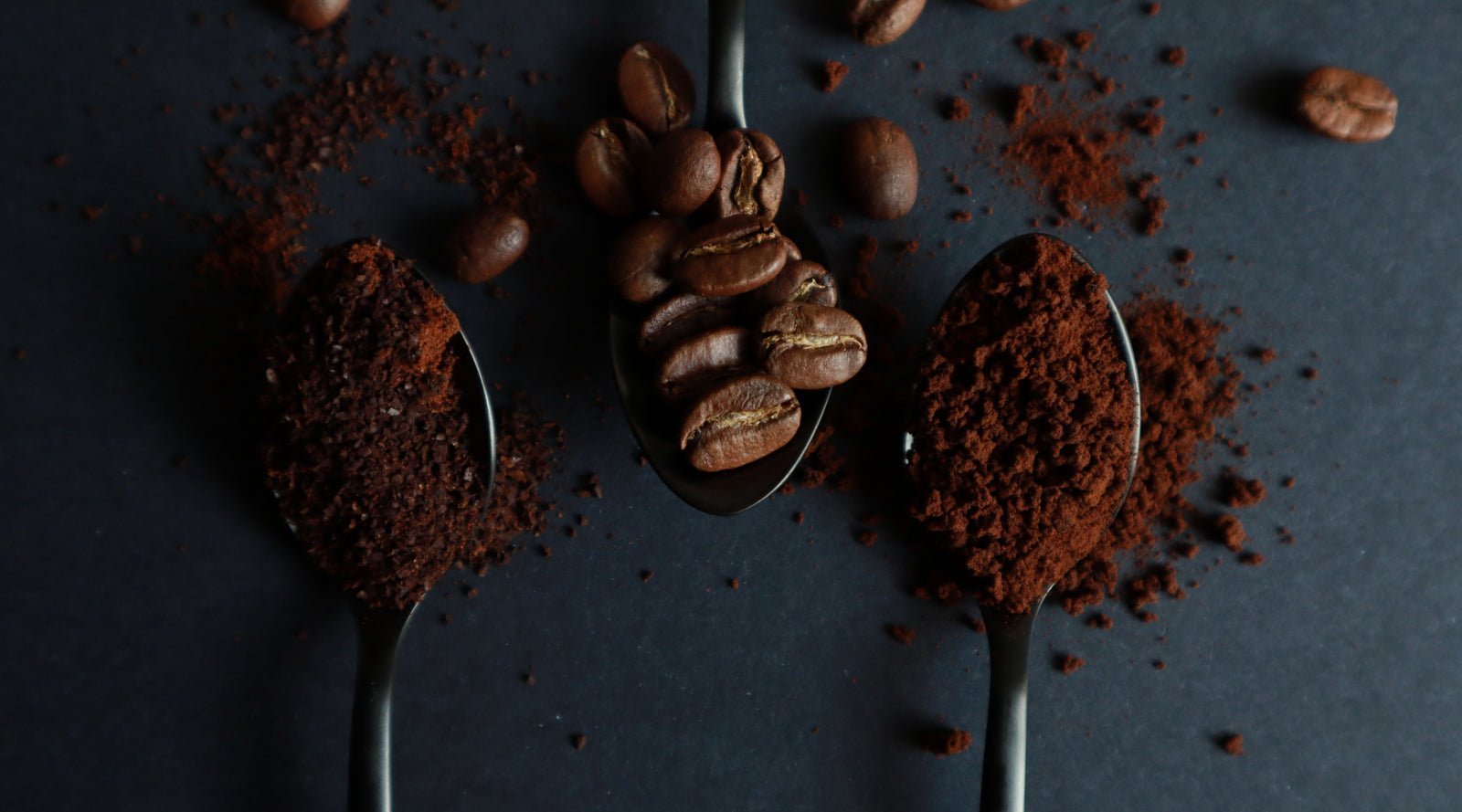
A successful result looks like a uniform, sandy powder without any large, jagged chunks remaining in the mix. If your grounds appear clumpy or have a slightly oily sheen, you have likely applied too much pressure, which releases the internal bean oils prematurely. To prevent this, keep your movements steady and rhythmic, and always work in smaller batches to maintain better control over the final particle size.
Standards and storage requirements
Coffee is a dry good, but it remains susceptible to moisture and oxygen degradation. The National Coffee Association recommends storing your freshly processed coffee in an opaque, airtight container at room temperature to preserve its volatile aromatics. Once you have finished grinding, clear away any dust from your workspace immediately, as coffee oils can turn rancid if left on porous surfaces. If you aren’t using the coffee right away, it will maintain peak quality for about seven days when kept away from direct heat and sunlight.
Alternative methods for finer grounds
Using a rolling pin
Place your coffee inside a heavy-duty plastic freezer bag and roll over it firmly with a rolling pin. This takes about five minutes and works well for coarse-to-medium adjustments.
Utilizing a clean spice grinder
If you have an electric spice mill, use it for short, three-second pulses. This is much faster than manual methods but requires constant monitoring to avoid turning your coffee into an unusable powder.
The double-sieve technique
If you only need a small amount of very fine coffee, use two different sized sieves. Pass the grounds through the coarser one first, then the finer one to ensure total uniformity.
Frequently asked questions
Can I use a blender to make coffee finer?
No, a standard blender isn’t designed for coffee and will create an extremely uneven, dusty result. Blenders use high-speed blades that shred the beans inconsistently, leading to a bitter, over-extracted brew regardless of your timing.
How long does manually ground coffee stay fresh?
It stays fresh for about seven days if stored in an airtight glass jar. Coffee loses its volatile flavor compounds quickly once the surface area increases, so only grind exactly what you intend to brew immediately.
Is it safe to grind coffee in a used spice mill?
Yes, but you must clean the mill thoroughly first. Coffee beans absorb odors easily, so any residual spices like cumin or coriander will transfer their flavor directly into your morning cup of coffee.
What happens if the grounds are too fine?
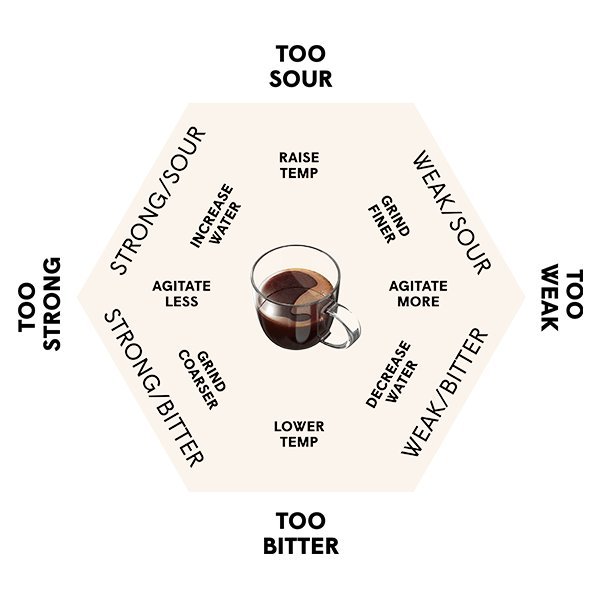
Your coffee will likely taste bitter and become difficult to filter. If you’re using a drip machine or a French press, the fine particles will clog the filter, causing the water to overflow or sit too long.
How do I know if the grind is fine enough?
The texture should feel like fine table salt for drip coffee or fine flour for espresso. If you see visible, chunky pieces, you haven’t ground the beans long enough to reach a consistent, fine particle size.
Why is my coffee grind inconsistent?
Inconsistency usually happens because you’re grinding too much at once. Use a smaller amount of beans in your mortar to ensure the pestle makes direct contact with every piece, resulting in a more uniform, even grind.
Ground coffee, in short
Once you’ve reached your desired consistency, it’s time to brew a fresh cup and see how the flavor profile has changed. You’ll likely notice a bolder, more intense taste in your mug. Don’t be afraid to experiment with your technique until you’ve found the perfect balance for your favorite morning roast.