
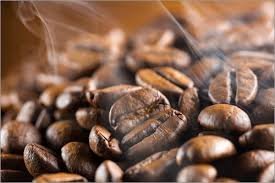
You can find fresh roasted coffee beans by checking local independent roasteries, specialty cafes, or roaster-direct online stores. Your best option depends on your timeline: local shops provide beans today, while online roasters ship beans roasted within forty-eight hours of your order.
Best places to buy fresh beans
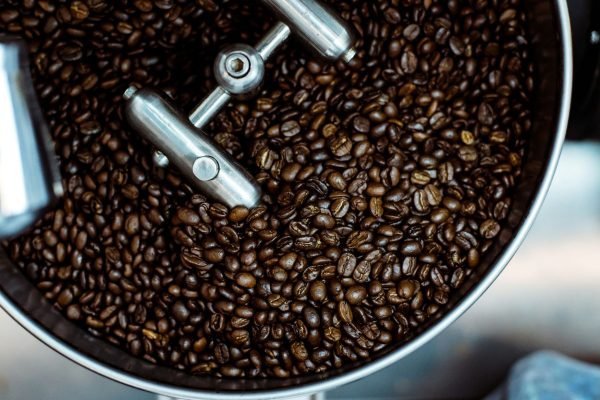
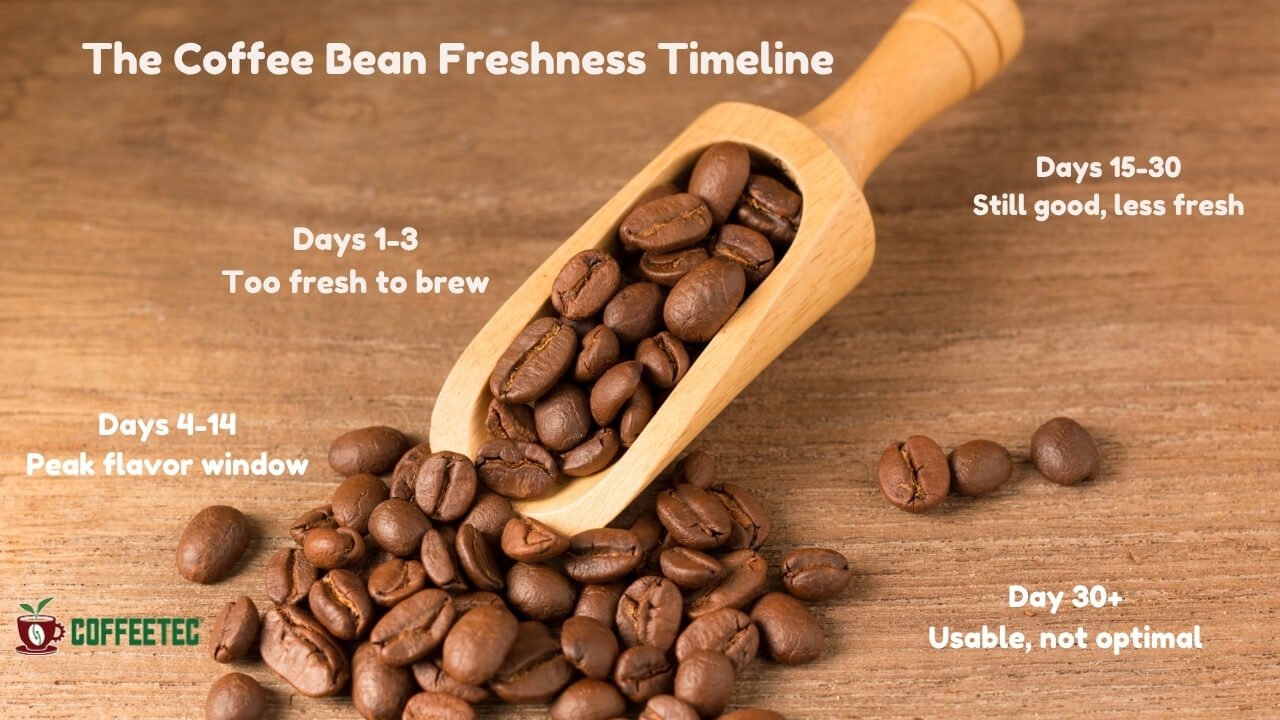
Fresh coffee beans taste best when brewed between seven and twenty-one days after heating. Grocery stores rarely match this freshness window, so you need sellers who print the exact roast date on the bag rather than a generic expiration date.
- Local specialty roasters sell whole beans within 3 to 7 days of roasting right from their retail counters.
- Independent cafes often stock 12-ounce retail bags from quality regional roasters, restocked weekly.
- Online subscription services ship 10-ounce to 2-pound bags straight to your door within 48 hours of roasting.
- High-end grocery co-ops often carry locally roasted beans, but you must check the bag for a roast date under 14 days old.
- Farmers markets feature small-batch roasters selling whole beans roasted 1 to 4 days before market day.
Why bean freshness changes coffee flavor
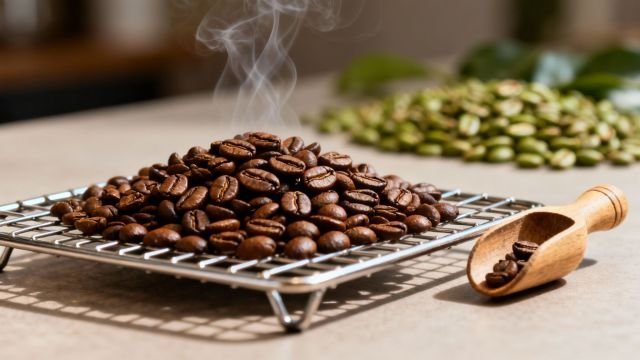
Coffee beans trap carbon dioxide inside their cellular structure during the roasting process. Over the next several days, the beans release this gas through tiny pores in a natural event called degassing.
If you brew beans straight out of the machine, escaping gas pushes water away from the coffee grounds. This creates uneven brewing and leaves a sharp, sour taste in your cup. The Specialty Coffee Association standards explain how water contacts the grounds to dissolve natural sugars, aromatic oils, and acids cleanly. Once beans reach three to four weeks old, most volatile aromatic compounds vanish into the air. Oxygen enters the open pores, turning rich natural oils stale. This chemical change flattens bright fruit and floral notes into a dull, bitter flavor.
Sourcing beans when your routine changes
Your regular shopping method won’t work for every situation, especially when you travel or run out of coffee unexpectedly. When your normal schedule changes, you must adjust where you buy to protect flavor quality.
| Situation | What changes | What to do instead |
|---|---|---|
| Immediate need today | Shipping takes three days | Buy from a local specialty cafe counter |
| Tight monthly budget | Fresh bags cost more | Buy two-pound bags directly from roasters |
| Remote rural area | No specialty shops nearby | Order recurring delivery from online roasters |
| Traveling out of town | Unknown local roaster quality | Search specialty cafe maps near your hotel |
| Espresso brewing | Needs longer degassing time | Rest beans ten full days before use |
| Dark roast preference | Oils degrade much faster | Buy smaller bags every seven days |
How to buy fresh coffee beans
Buying fresh coffee requires a few simple checks before you hand over your money. Follow these steps to ensure you walk away with whole beans that brew cleanly.
- Walk into a local specialty coffee shop and find the retail shelf holding whole bean bags.
- Pick up a 12-ounce bag and flip it over to locate the stamped roast date, not a “best by” date.
- Check the date to confirm the beans were roasted between 4 and 14 days ago for filter brewing.
- If the bag shows a roast date under four days ago, keep the bag sealed for three more days.
- If the bag only shows a “best by” date, leave it on the shelf and visit a different shop.
- Verify the bag has a one-way degassing valve near the top to prevent outside air from entering.
- Purchase whole beans rather than asking the barista to grind them in the shop, which ruins freshness fast.
Coffee buying mistakes that ruin flavor
Small mistakes during purchasing lead to stale coffee before you even finish the bag. Avoid these common missteps so you don’t waste your money on flat cups.
- Buying pre-ground coffee beans loses over half of the aromatic compounds within fifteen minutes of exposure to air.
- Grabbing bags from standard supermarket center aisles costs you money because most sit on shelves for months past their peak.
- Purchasing five-pound bulk bags saves cash upfront, but the beans go stale long before a single person can drink them.
- Storing beans in clear glass jars exposes the delicate oils to sunlight, which quickly creates a cardboard flavor.
Frequently asked questions
Can I get fresh beans at the grocery store?
Yes, if the bag lists a specific roast date. Most supermarket brands only print expiration dates, which hide bags that sat on shelves for six months. Co-ops and specialty grocers often carry local bags roasted within two weeks.
How long after roasting are coffee beans fresh?
Coffee beans stay at peak freshness for twenty-one days after roasting. They remain good to drink for about six weeks in an airtight bag, but bright fruit and chocolate flavor notes fade noticeably after thirty days.
Why do fresh coffee beans need to rest?
Fresh beans release carbon dioxide gas for three to seven days after heating. Brewing them immediately causes rapid bubbling that blocks water from reaching the grounds, which produces an unpleasantly sour and thin cup of coffee.
Is it safe to brew beans on their roast date?
Yes, it’s completely safe to brew coffee immediately after roasting. The coffee won’t harm your health, but the cup will taste sour, grassy, and harsh due to trapped gas escaping during extraction.
Does bag packaging matter for coffee freshness?
Yes, bags need an airtight seal and a one-way valve. The valve lets carbon dioxide push out without letting outside oxygen enter. Plain paper bags let oxygen seep through, drying out bean oils within three days.
What happens if I freeze fresh coffee beans?
Freezing preserves bean freshness for up to four months when stored in an airtight container. Use single-dose portions to prevent condensation from forming on the beans each time you open the bag.
Fresh roasted, in short
Once you find a bag that smells rich and inviting, don’t be afraid to ask the barista about their favorite brewing method. They’ll likely share a tip or two that’ll make your morning cup taste even better. It’s a simple way to start your journey toward enjoying truly excellent coffee at home.