
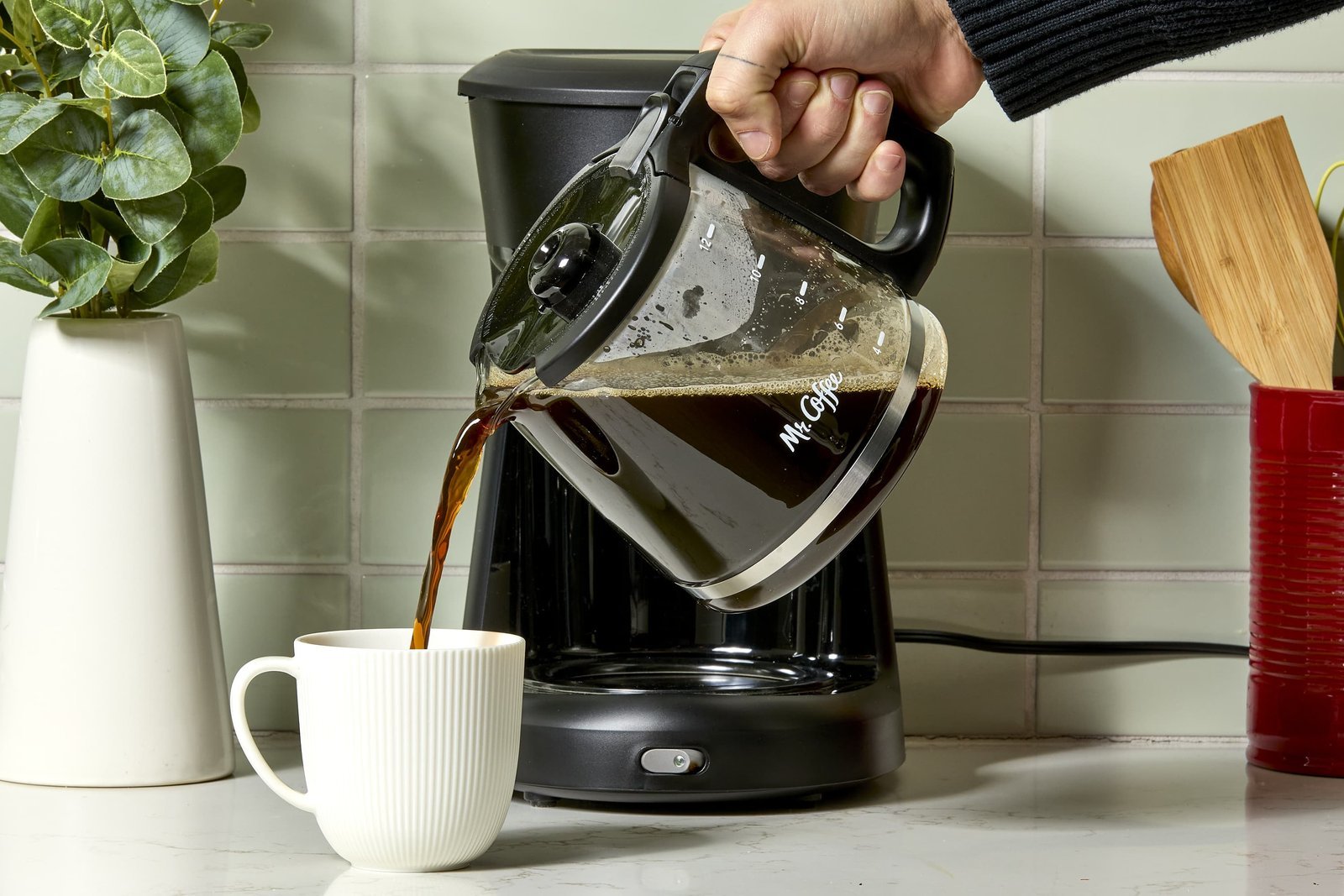
To get a balanced cup, you combine two tablespoons of ground beans with six ounces of hot water, then steep them for four minutes. This method suits those wanting full-bodied flavor without expensive equipment.
Tools to make your coffee
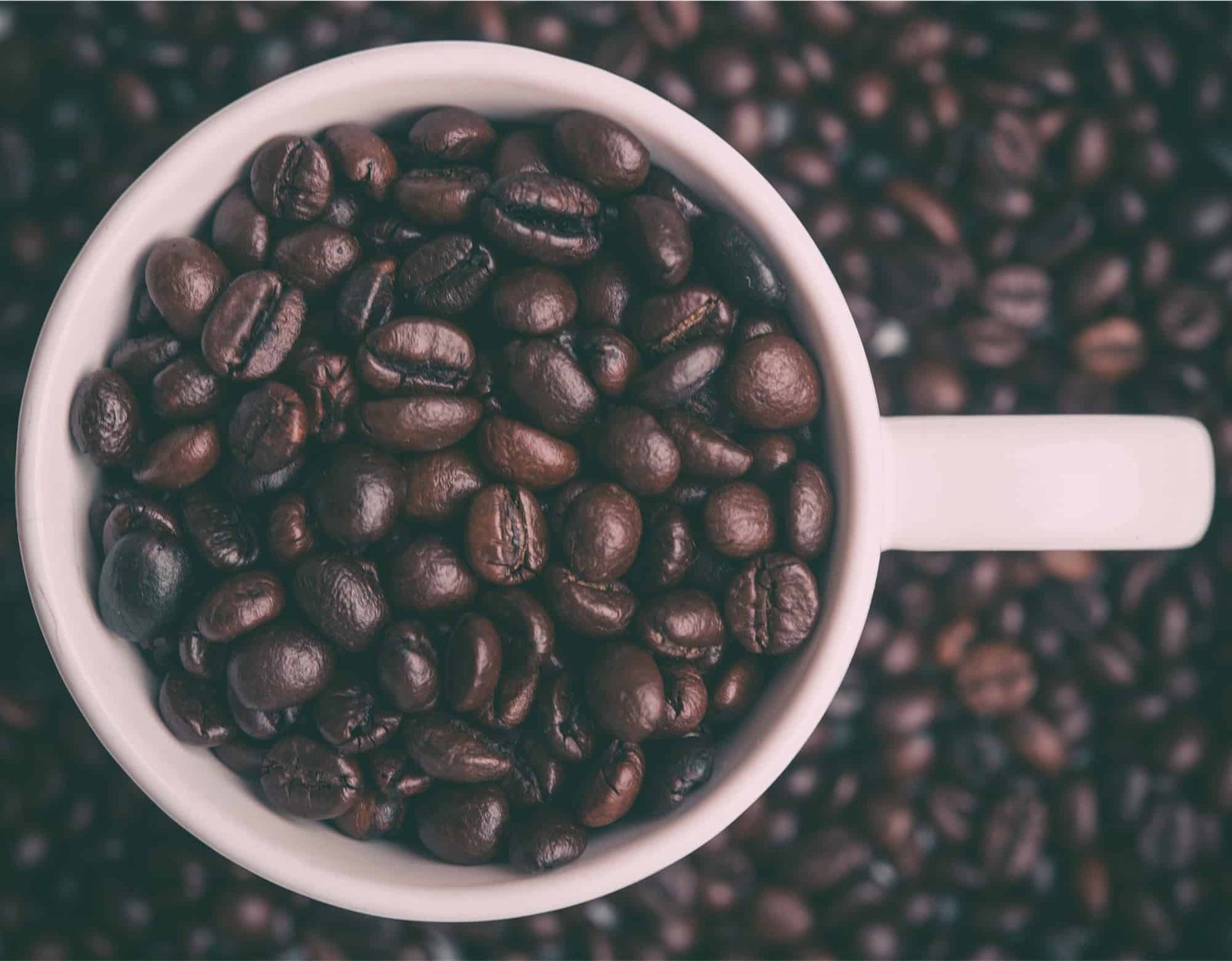
- Fresh beans: Medium roast works best for most palates.
- Burr grinder: Ensures even size for consistent extraction.
- Digital scale: Weighing your dose is more accurate than using scoops.
- Kettle: A gooseneck model gives you better control over the pour.
- Filtered water: Use water free of chlorine to avoid off-tastes.
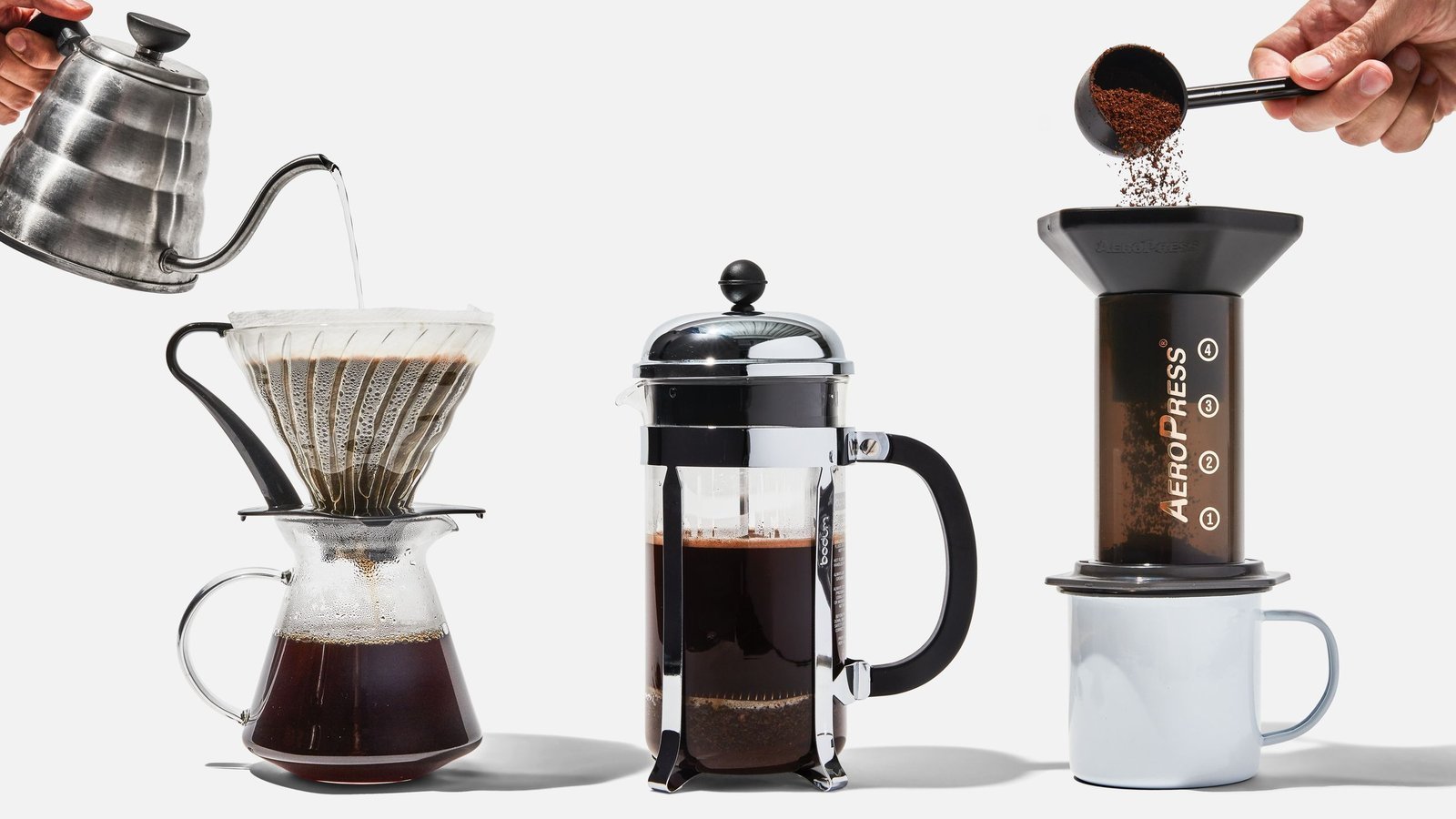
A ceramic dripper or a French press works well, but an electric drip machine won’t offer the same control.
Brewing the perfect cup
- Heat 8 ounces of filtered water to 200°F, which is the range suggested by the National Coffee Association to extract flavor without bitterness.
- Grind two tablespoons of whole beans until they reach the texture of coarse sea salt.
- Place the grounds into your filter or press and pour just enough water to wet them.
- Wait 30 seconds for the grounds to bloom, which releases trapped carbon dioxide for a cleaner taste.
- Pour the remaining water slowly in a circular motion to cover all grounds evenly.
- Steep or drip for four minutes before serving.
Careful: If you grind too fine, the cup will taste bitter; if you grind too coarse, it will taste thin and sour. Tip: Always pre-heat your mug with hot water so your drink stays warm longer.
Adjusting for different setups
You can change your technique based on the tools you have available, though starting with standard ratios is the safest way to avoid waste.
| Method | Time | Difference | Watch for |
|---|---|---|---|
| French Press | 4 mins | Uses immersion | Sediment |
| Pour Over | 3 mins | Uses paper filter | Flow rate |
| Drip Machine | 5 mins | Fully automated | Scale buildup |
Achieving ideal quality
A good result shows a clean, bright flavor profile with a pleasant aroma. You can prevent this by using a high-quality burr grinder rather than a blade model, which chops beans into irregular, dusty pieces that ruin the final cup.
Standards and cleanup
Use fresh, filtered water and consume the drink shortly after brewing. If you use a machine, descale it regularly to ensure proper heating.
Alternative brewing routes
Cold brew
Steep coarse grounds in cold water for 12 to 24 hours. This removes acidity and creates a smooth, concentrated liquid you can mix with ice or milk.
Espresso
Force pressurized hot water through finely-ground beans. This method requires a specialized machine and creates a thick, syrupy shot in under thirty seconds of actual contact time.
Aeropress
Use air pressure to push water through the grounds in a plastic tube. It’s portable and fast, usually taking less than two minutes for a clean, strong cup.
Frequently asked questions
Can I use tap water?
Yes, you can use tap water if it tastes neutral, but filtered water is better because chlorine and minerals often change the flavor of the final cup.
Why is my coffee sour?
It’s sour because the water passed through the grounds too quickly or wasn’t hot enough, failing to extract enough sweetness to balance the natural acidity.
How long does ground coffee stay fresh?
It stays fresh for about two weeks if stored in an airtight container away from light, though beans ground immediately before brewing provide the best possible flavor.
Is it safe to reheat?
No, it isn’t recommended to reheat it because the process causes the oxidation of compounds and the loss of aromatics, which creates a stale, unpleasant taste.
How much caffeine is in one cup?
One cup contains about 95 milligrams of caffeine, though this varies by the bean variety and how long you choose to steep the grounds during brewing.
Coffee, in short
Once you’ve poured your drink, take a moment to notice the subtle notes in your mug. You’ll find that experimenting with different roast types reveals entirely new profiles. Don’t be afraid to adjust your grind size next time, as it’s the best way to keep your morning routine feeling fresh and exciting.
Related guides