
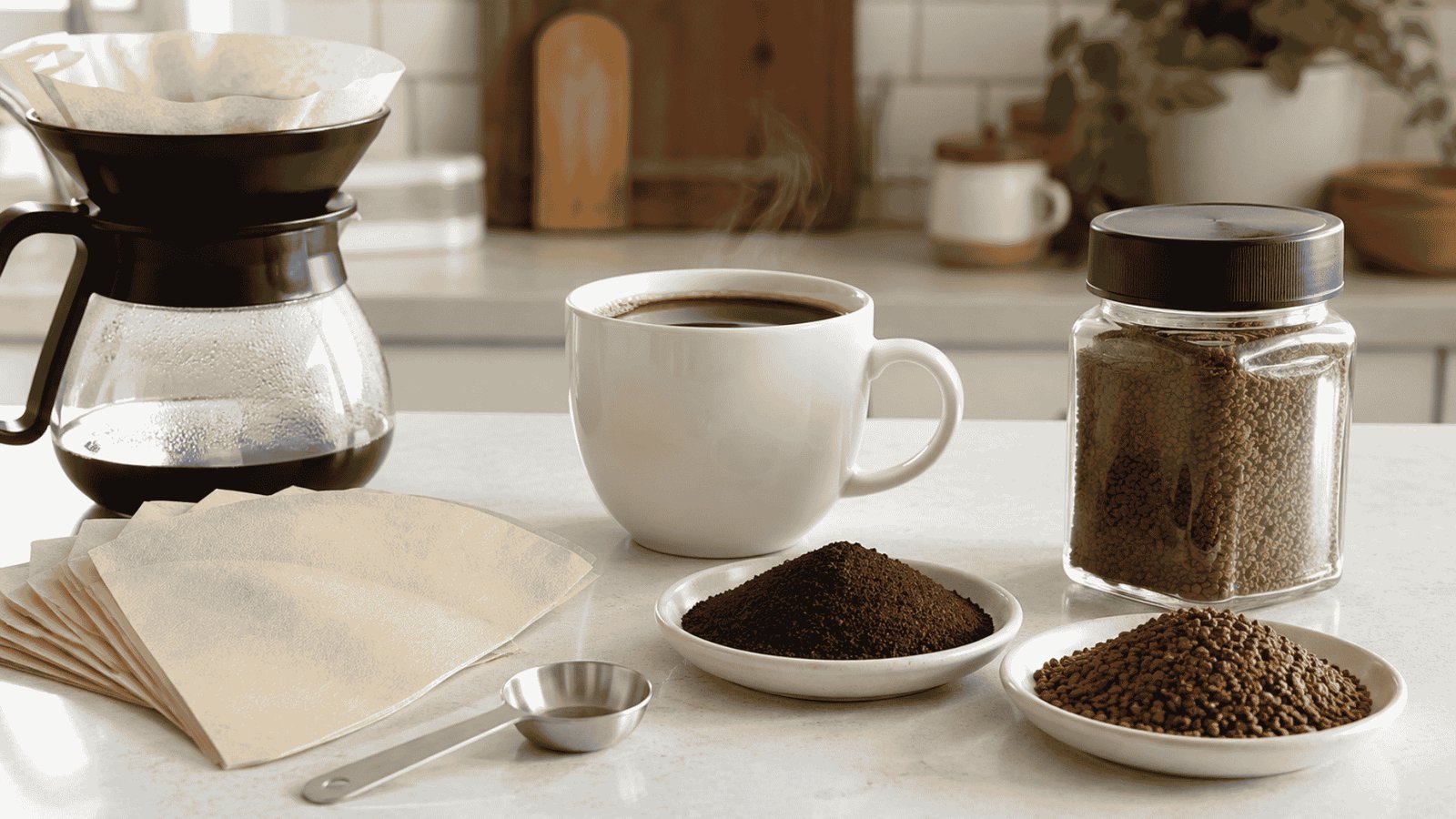
Preparing coffee from grounds using a standard drip machine typically takes five to seven minutes to produce a full carafe. This process is straightforward for most users, though it requires attention to the ratio of grounds to water to ensure the drink matches your preferred strength.
Necessary items for brewing
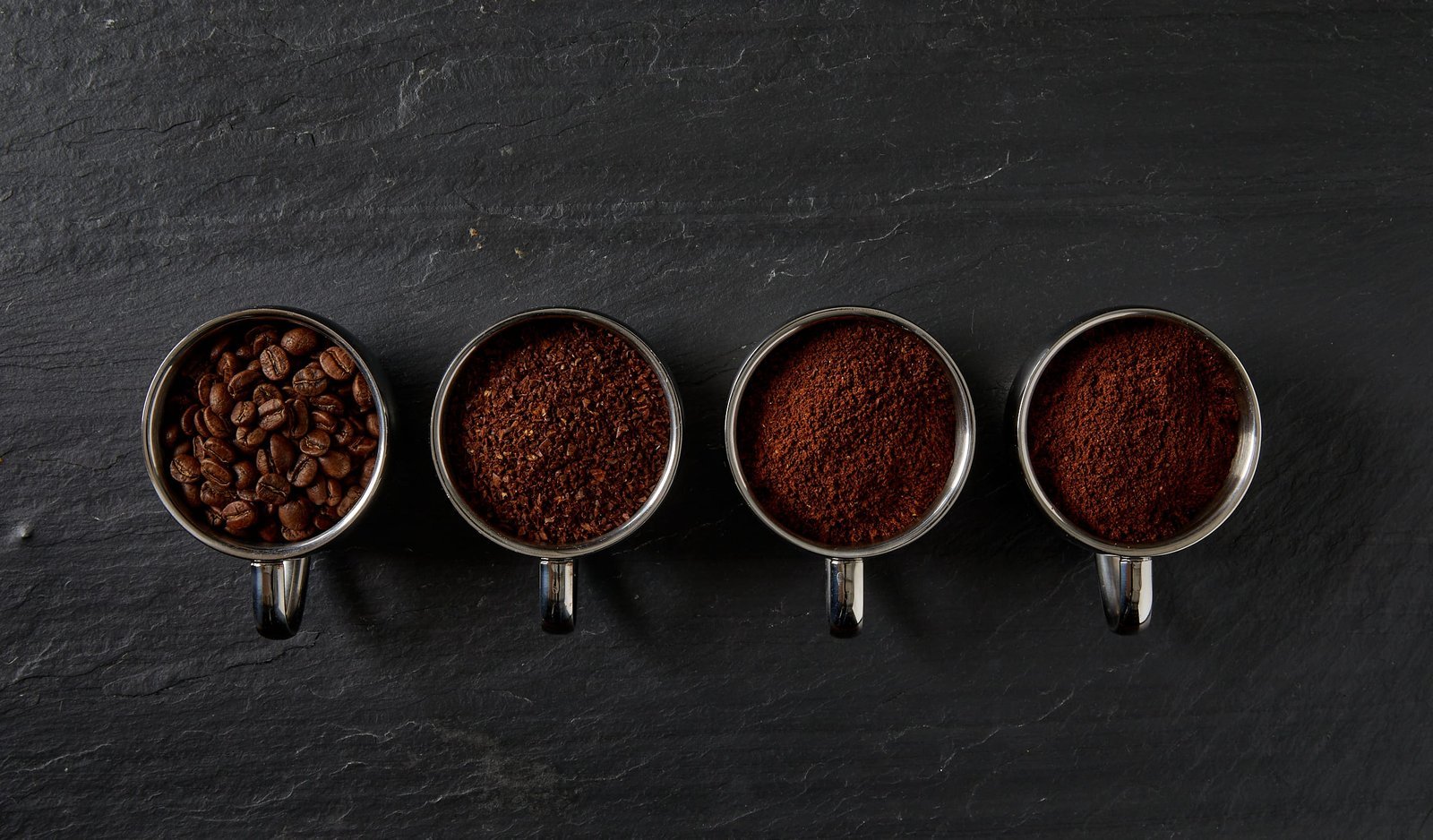
| Item | How much | Why it’s needed | A substitute |
|---|---|---|---|
| Ground coffee | 2 tablespoons | Provides flavor and caffeine | None — don’t swap |
| Cold water | 6 ounces | Acts as the solvent | None — don’t swap |
| Paper filter | 1 unit | Removes coffee sediment | Permanent mesh filter |
| Coffee scoop | 1 measure | Ensures consistent dosage | Kitchen scale |
| Drip machine | 1 device | Automates water heating | Pour-over dripper |
Preparing your coffee station
- Clean the carafe and the filter basket with warm, soapy water to remove stale oils.
- Check that the machine is plugged into a grounded outlet to avoid electrical hazards.
- Clear the workspace to ensure the hot carafe has a stable, flat surface during brewing.
- Ensure the water reservoir is empty from previous use to maintain fresh water ratios.
- If you have never used your machine, consult the manufacturer’s manual to find the specific maximum water capacity, as exceeding this limit causes overflow and potential spills.
Steps to brew your coffee
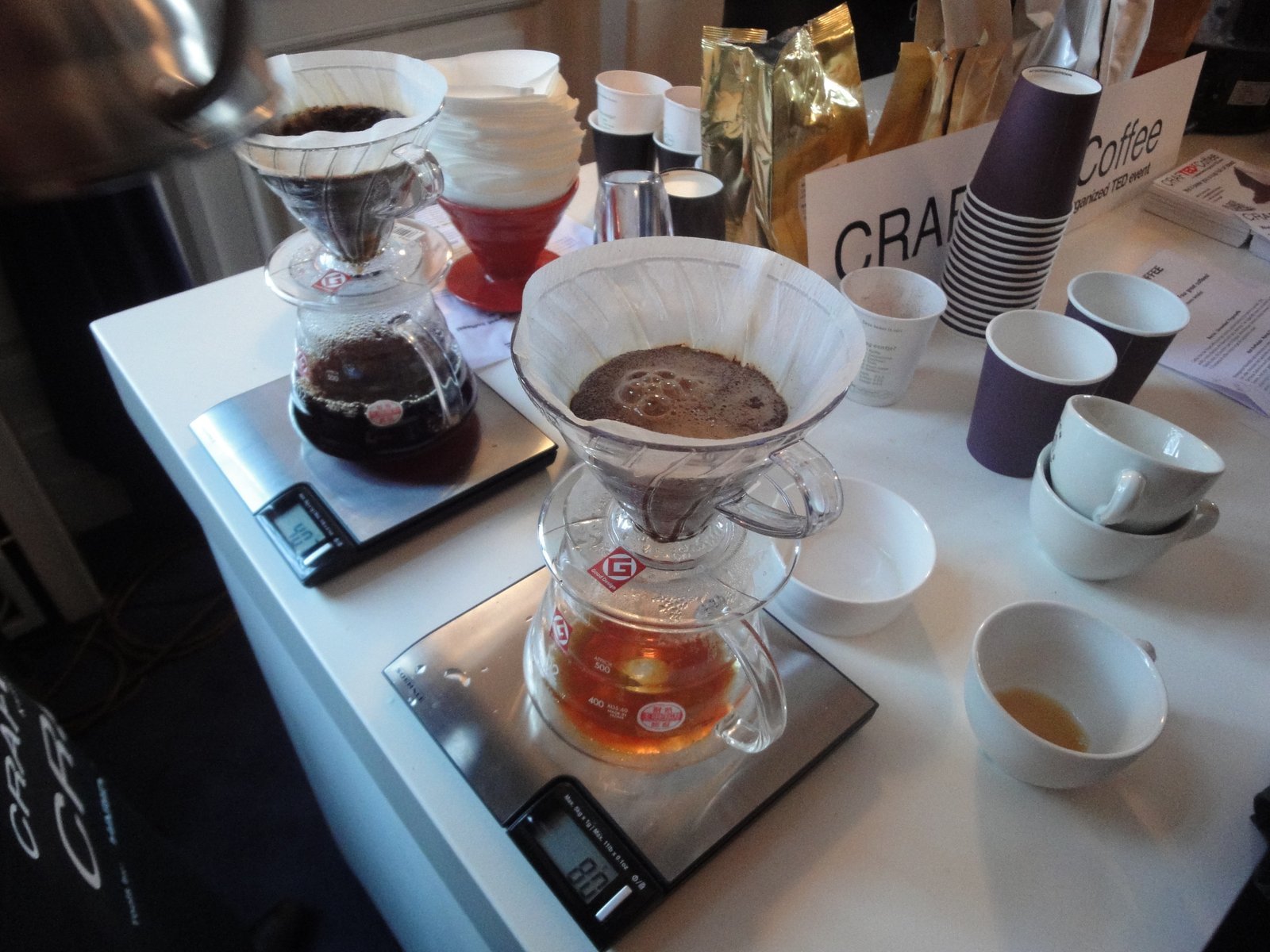
- Place a clean paper filter into the plastic filter basket, ensuring it sits flush against the sides to prevent grounds from falling into the final brew.
- Add two level tablespoons of medium-grind coffee into the filter for every six ounces of water you intend to use in your machine’s reservoir.
- Fill the water reservoir with cold, filtered water up to the desired cup line, noting that machines vary by model — check the label for exact markings.
- Close the machine lid tightly to ensure the internal heating element functions correctly and to prevent steam from escaping during the brewing cycle, which maintains water temperature.
- Press the start button on your machine, allowing the water to heat and pass through the grounds, a process that usually takes five minutes for a full pot.
- Wait for the dripping to stop completely, as removing the carafe early causes coffee to overflow onto the hot plate, creating a burnt smell and messy cleanup.
- Turn off the warming plate after 20 minutes, because keeping coffee on high heat for longer degrades the flavor profile and risks creating a bitter taste.
- Discard the used grounds and paper filter immediately, as wet coffee grounds promote mold growth if left in the machine for more than a few hours.
Judging the final result
A successful brew should appear clear, not muddy, and have a consistent color throughout the carafe. If the liquid looks thin or watery, your grind size was likely too coarse or you used too little coffee. Conversely, if the coffee tastes overly bitter or harsh, you may have used too much coffee or the grind was too fine. Always ensure your water quality is high, as FoodSafety.gov’s safe water guidelines suggest using potable, clean water for all drink preparation to avoid contamination.
Troubleshooting common issues
| What happened | Why | What to do |
|---|---|---|
| Water overflows | Filter is folded | Adjust filter alignment |
| Coffee is cold | Heating element failure | Contact the manufacturer |
| Grounds in cup | Filter tore during brew | Use a thicker filter |
| Machine won’t start | Power cord loose | Check wall outlet connection |
| Bitter taste | Over-extracted grounds | Use a coarser grind |
Frequency of brewing
You should brew fresh coffee daily, as the flavor oils begin to oxidize and lose their quality within hours of contact with air. If you only drink coffee occasionally, store your grounds in an airtight container in a cool, dark cupboard to extend their shelf life. For those who drink multiple cups, cleaning the machine with a vinegar solution periodically prevents mineral buildup that slows down brewing times.
Can I reuse coffee grounds?
No, used grounds have already had their soluble flavors and oils extracted during the first brew. Reusing them will result in a weak, watery, and unpalatable liquid that lacks the body of fresh coffee.
Is it safe to leave coffee in the pot?
No, coffee left on a warming plate for more than 30 minutes becomes bitter and acidic. If you need to keep it for later, pour it into an insulated thermal carafe to maintain heat.
How much coffee for 4 cups?
Use eight level tablespoons of ground coffee for four standard six-ounce cups. This ratio ensures a balanced strength, though you should adjust the amount if you prefer a bolder or milder cup.
Why does my coffee taste burnt?
The coffee tastes burnt because the warming plate is too hot or the machine has been on for too long. Switch off the warmer immediately after the brewing process is finished to preserve taste.
Can I use tap water?
Yes, you can use tap water if it’s safe and pleasant-tasting in your area. If your tap water has a strong chlorine smell or metallic taste, use filtered water to improve the final flavor.
How long does ground coffee stay fresh?
Ground coffee stays fresh for about two weeks if stored in an airtight container away from light and heat. After this time, the volatile compounds that provide aroma and flavor will dissipate.
Does the grind size matter?
Yes, the grind size determines how quickly water flows through the grounds. A medium-coarse grind is ideal for drip machines; if the grind is too fine, the water will back up and overflow.
Prepare coffee, in short
Once your cup is ready, take a moment to savor the aroma before your first sip. Don’t be afraid to experiment with different bean roasts or grind sizes next time you brew. You’ll soon find the perfect balance that makes your morning routine feel like a special treat you’ve earned.