
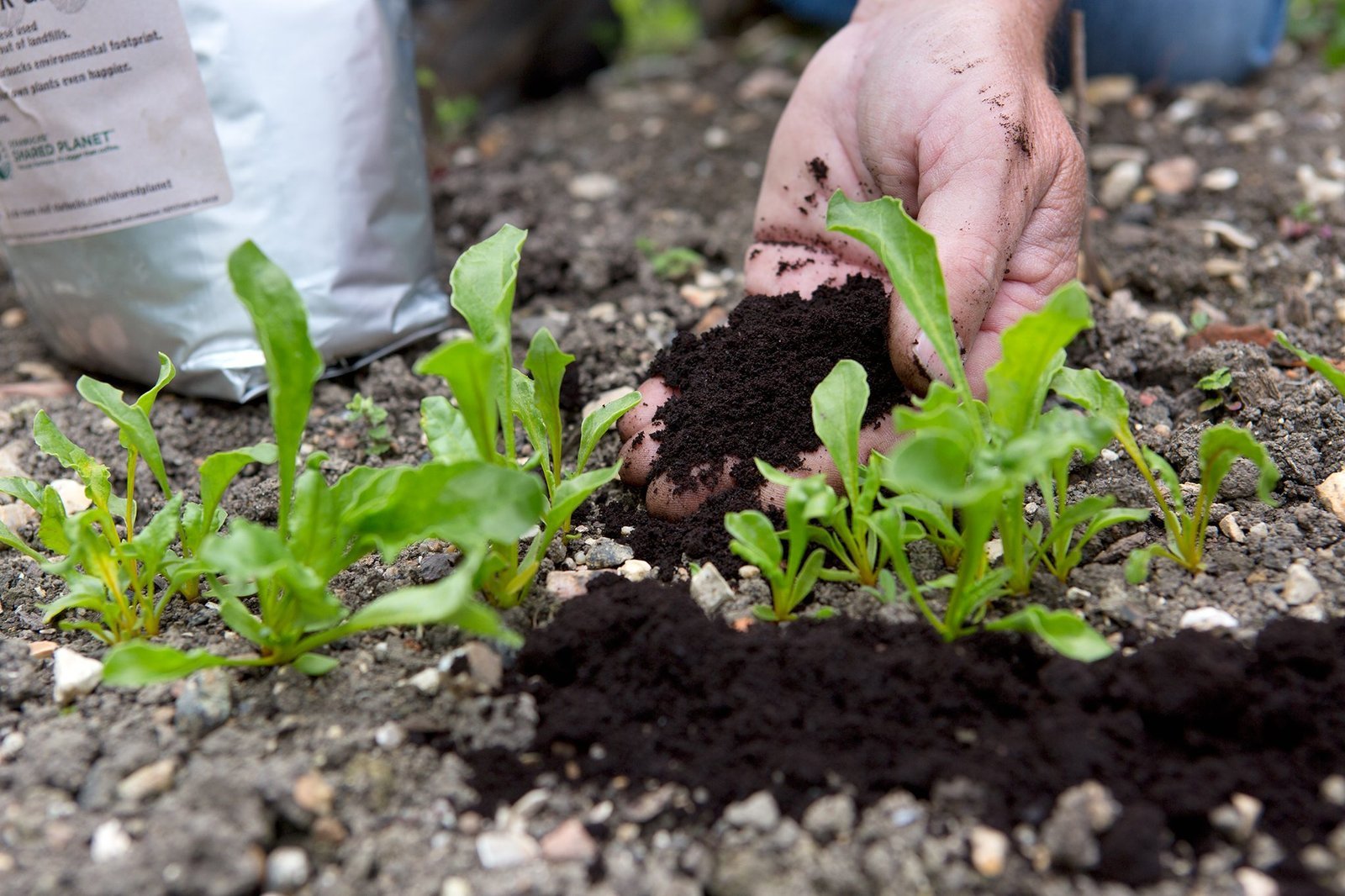
Used coffee grounds are primarily effective as a nutrient-rich additive for garden soil and compost, providing nitrogen and physical structure to help plants grow. You can also use them to scrub surfaces or absorb odors.
Creative uses for your coffee grind
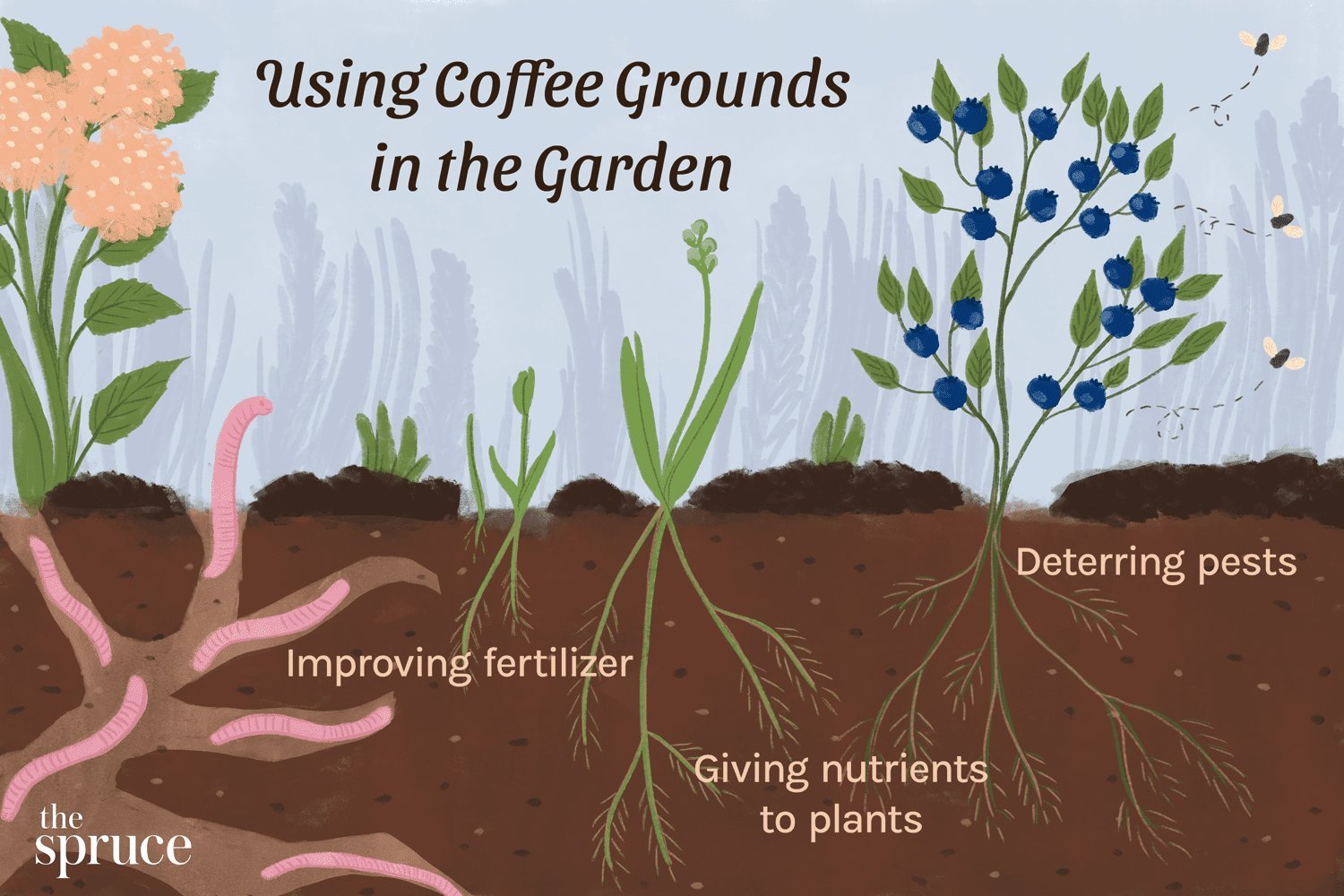
- Mix them into your compost pile to increase the nitrogen levels, which helps speed up the decomposition of organic matter.
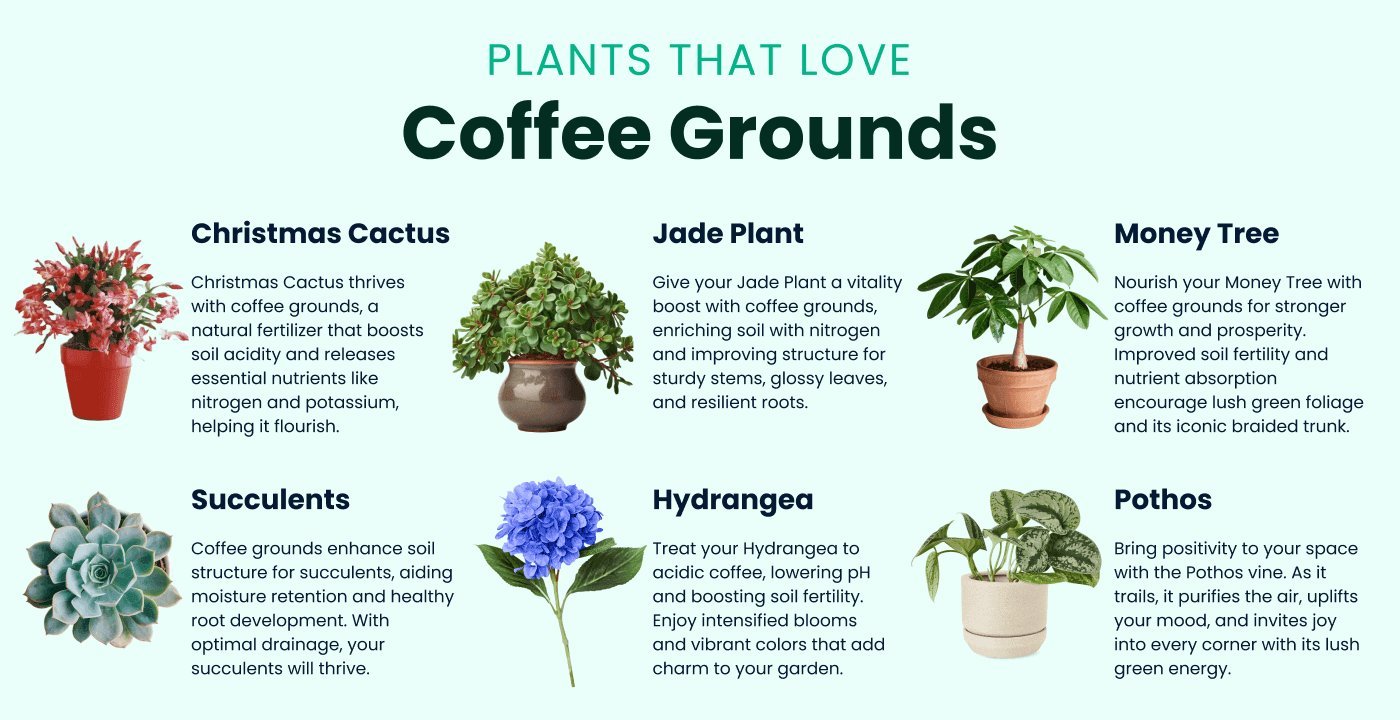
- Sprinkle a thin layer around acid-loving plants like hydrangeas or blueberries to slightly improve soil acidity over time.
- Use them as a mild abrasive to scrub grease from pots or pans, but avoid using them on delicate surfaces that might scratch.
- Place a small open container of dried grounds in your refrigerator to absorb strong food smells for up to two weeks.
- Apply them to your skin as an exfoliating body scrub by mixing one part grounds with one part coconut oil.
Why grounds help your garden
The primary value of coffee waste lies in its chemical composition, specifically its nitrogen content, which is a vital nutrient for plant development. When you add grounds to a compost pile, the nitrogen acts as a “green” material that balances out “brown” carbon-heavy materials like dried leaves or cardboard. According to the Oregon State University Extension Service, grounds contain roughly two percent nitrogen by volume, making them a useful amendment for healthy soil structure.
Beyond nitrogen, the grounds provide a physical benefit by improving soil aeration and water retention. If you have heavy clay soil, the coarse particles of the grounds can help create tiny air pockets, allowing roots to breathe more easily. However, you should avoid adding massive amounts at once, as the acidity and caffeine levels can reach a point where they inhibit the growth of sensitive seedlings.
When the use case changes
| Situation | What changes | What to do instead |
|---|---|---|
| Potted indoor plants | Drain and airflow | Use sparingly as mulch |
| Extremely acidic soil | Soil pH levels | Add lime to balance |
| Cleaning cast iron | Surface protection | Use only for heavy grime |
| Large compost pile | Carbon balance | Add more brown material |
| Sensitive seedlings | Caffeine sensitivity | Avoid direct contact |
Properly applying grounds to soil
- Spread your damp coffee grounds on a tray and let them dry out completely to prevent mold growth before storage.
- Test your soil pH using a home kit to see if it truly needs an acidic boost before adding any organic material.
- Mix the dried grounds into your compost bin at a ratio of no more than one part grounds to four parts leaves.
- If applying directly to garden beds, work the grounds into the top two inches of soil using a small hand rake.
- Water the area lightly after application to help the nutrients begin to break down and integrate with the surrounding earth.
- Monitor your plants for yellowing leaves, which may indicate that the soil has become too acidic or that drainage is poor.
The mistakes that ruin it
- Adding thick, clumpy layers to soil creates a waterproof crust that prevents water from reaching the roots of your plants.
- Storing wet grounds in a sealed plastic bag leads to rapid mold growth, making the material unsafe to handle or use.
- Using grounds on plants that prefer alkaline soil can cause stunted growth or nutrient deficiencies over a single growing season.
- Applying fresh, uncomposted grounds too close to delicate stems may cause chemical burn due to the residual acidity and caffeine.
Frequently asked questions
Can I put coffee grounds directly on my plants?
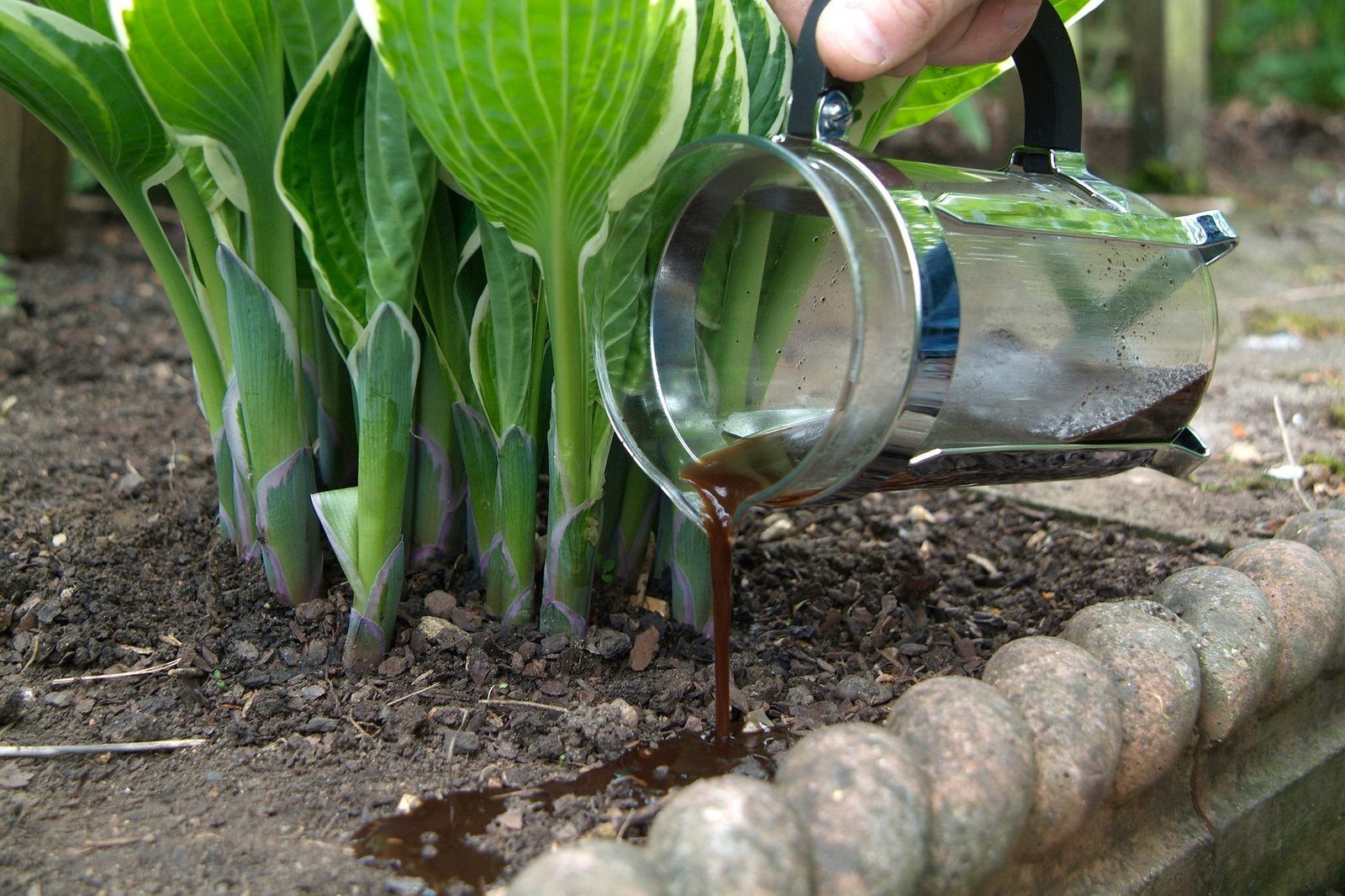
Yes, you can apply a thin layer, but only if you mix them into the topsoil rather than leaving them in a thick clump. Thick piles often trap moisture and grow mold, which can harm the plant’s root system or stem health.
How long do coffee grounds last for garden use?
Dried grounds can last indefinitely if kept in an airtight container in a cool, dark place. If the grounds are damp, they should be used within two days or dried out immediately to prevent the growth of harmful bacteria and mold.
Do coffee grounds keep pests away?
No, there’s no scientific evidence that coffee grounds act as a reliable repellent for slugs, snails, or insects. While some gardeners believe the scent keeps pests away, most insects will simply crawl over or around the grounds without any issue.
Are coffee grounds acidic or alkaline?
They’re slightly acidic, typically ranging between a pH of 6.5 and 6.8 after brewing. This acidity makes them a helpful addition for plants that prefer lower pH levels, though the impact on garden soil is usually quite mild.
Is it safe to use grounds on edible vegetables?
Yes, it’s safe to use coffee grounds on vegetables, provided you mix them into the soil or compost first. Avoid placing the grounds directly against the edible parts of the plant to prevent potential mold or moisture issues near the harvest.
Does the roast type affect the quality of grounds?
No, the roast level—light, medium, or dark—doesn’t significantly change the nutritional value for your garden. You can use any type of leftover coffee grounds as a soil amendment, as the nitrogen content remains consistent regardless of the bean origin.
What happens if I use too many grounds?
Using too many grounds can cause the soil to become too acidic and potentially inhibit the growth of your plants. If you notice your plants wilting or leaves turning yellow, stop adding grounds and test your soil’s pH levels immediately.
Coffee grind, in short
Before you start spreading grounds across your entire garden, try them on just one or two plants to see how they respond. Soil health is a delicate balance, and adding too much of any single amendment can shift your garden’s chemistry faster than you might expect. Always keep the grounds dry until you’re ready to use them to ensure the best results.