
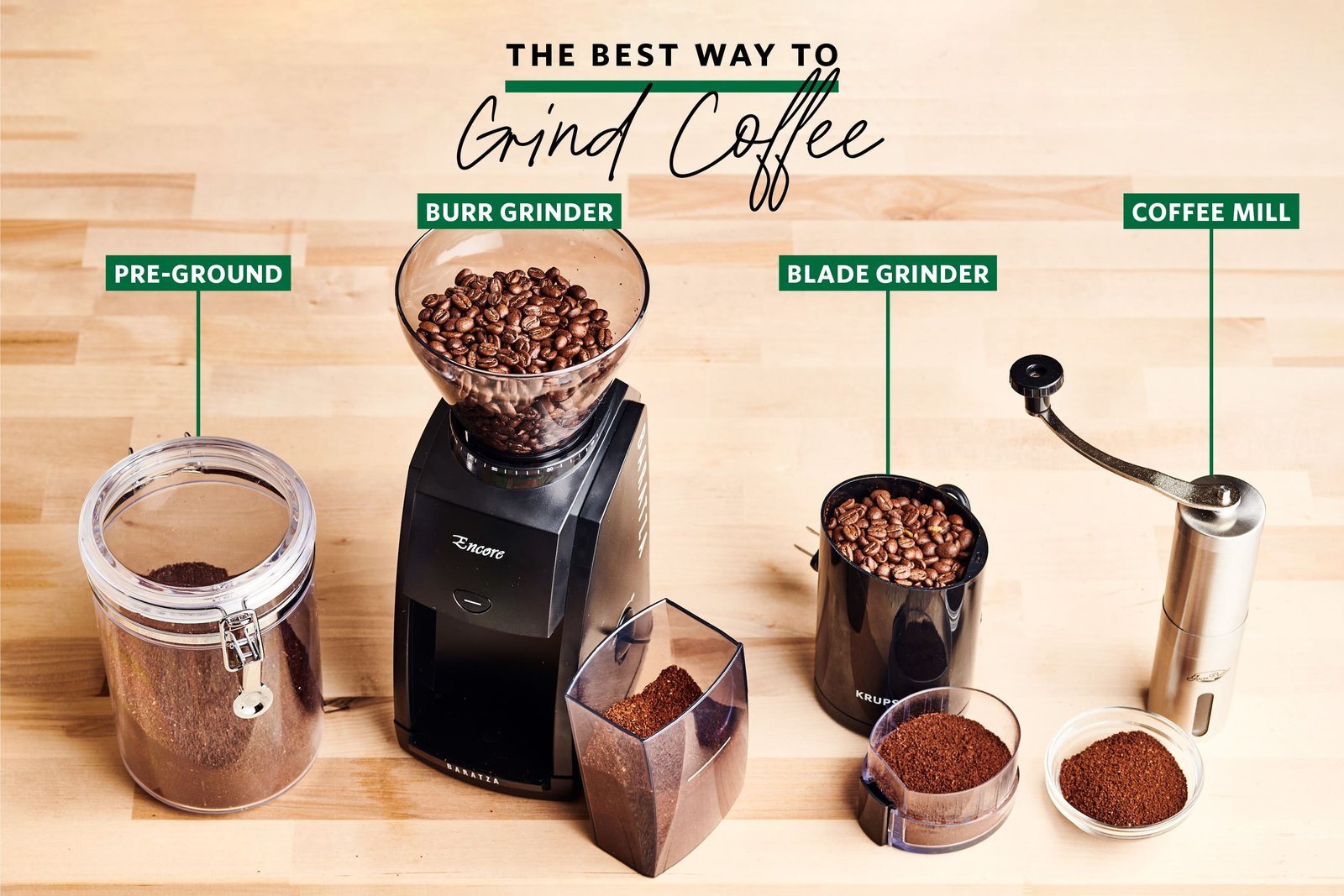
To ground coffee beans, use a burr grinder set to the specific coarseness required for your brewing method.
Equipment for consistent coffee grounds
- Burr grinder: Choose a conical or flat burr model for uniform particle size; blade grinders create uneven dust and chunks.
- Whole bean coffee: Freshly roasted beans provide the best flavor, as oils begin to degrade quickly after grinding.
- Scale: A digital kitchen scale ensures you use the correct ratio of beans to water for your specific brew.
- Airtight container: Keep any unused ground coffee in a cool, dark place to prevent oxidation.
- Brush: Use a small, stiff-bristled brush to clear residual grounds from the burrs after each use.
If you’re using a blade grinder, you’ll get inconsistent results; a burr grinder is the only way to ensure quality. If you’re unsure of specific grind sizes for your machine, check the manufacturer’s manual for recommended settings.
Preparing the beans for brewing
- Measure the amount of whole beans you need using a digital scale; for a standard 8-ounce cup, use 15 grams of beans.
- Adjust the dial on your burr grinder to the desired setting: coarse for French press, medium for drip, or fine for espresso.
- Pour the measured beans into the hopper and secure the lid to prevent oils from escaping or beans from jumping out.
- Activate the grinder and process the beans until the hopper is empty, which takes about 45 seconds for a medium setting.
- Wait five seconds after the motor stops before removing the collection bin to allow static electricity to dissipate.
- Transfer the grounds immediately to your brewer, as flavor compounds begin to dissipate as soon as they’re exposed to oxygen.
Careful: Don’t overfill the hopper, as this can cause the motor to overheat and stall the burrs. Tip: If you find the coffee tastes bitter, try a slightly coarser setting to reduce extraction time.
Grind settings and brewing times
It’s safer to start with a slightly coarser setting and adjust finer if the brew is too weak, as you can’t make a fine grind coarse again.
Identifying a perfect grind
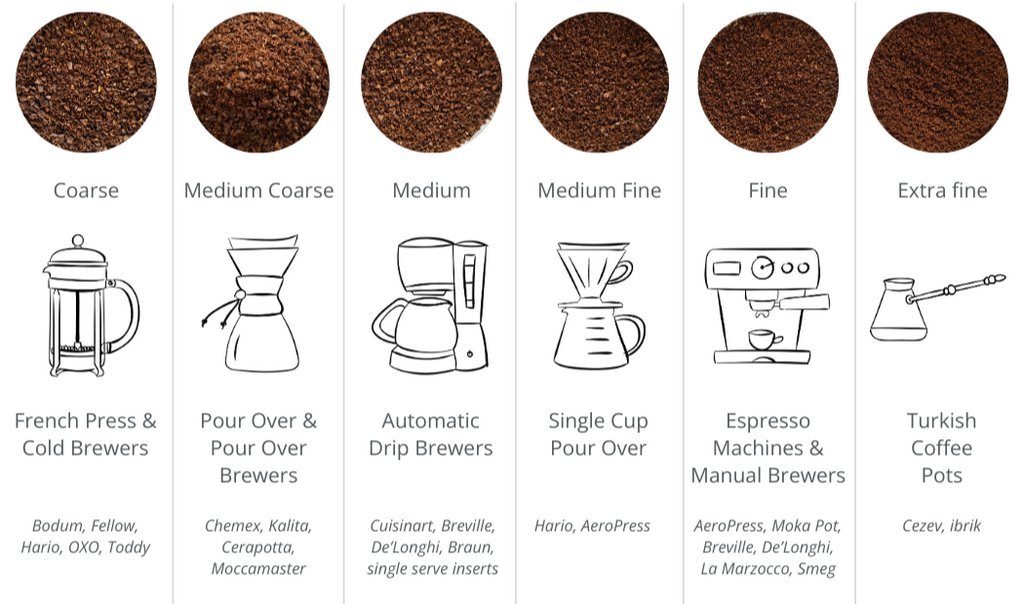
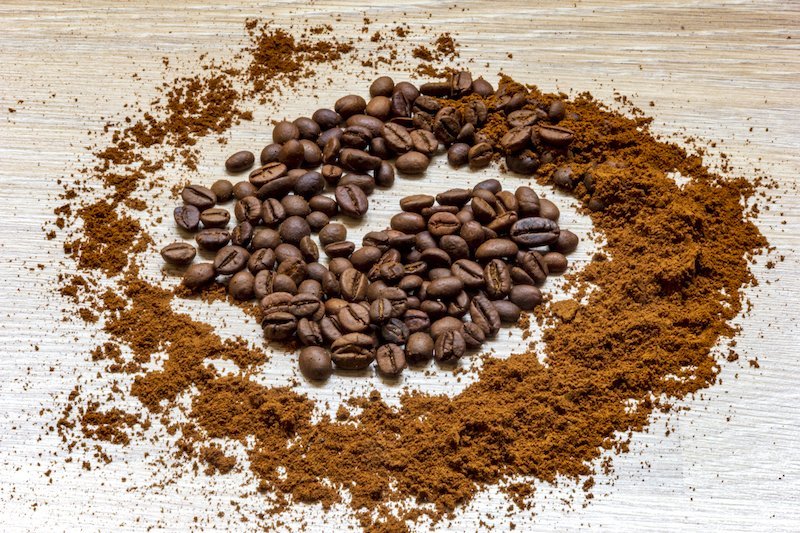
A perfect grind looks uniform, like consistent grains of sea salt for drip or fine flour for espresso. A poor result usually shows as a mix of large chunks and fine dust, which causes uneven extraction and leads to a harsh, muddy cup of coffee. This inconsistency happens when blades shatter beans randomly rather than crushing them to a set distance. To prevent this, ensure your burrs are clean and properly aligned according to your machine’s manual. Keeping your equipment free of old, oily residue is essential for maintaining a clean, bright flavor profile in every cup.
Safety and storage standards
Always unplug your grinder before cleaning the internal burrs to prevent accidental activation. According to the FoodSafety.gov storage charts, keeping dry goods in a cool, dark, and airtight environment is the industry standard for maintaining quality. Store your beans in an opaque container to block light, which accelerates oil degradation. Once ground, the coffee should be used within 30 minutes for peak flavor, though it remains safe to consume for several days if kept in a sealed, dry pantry. If your grinder produces smoke or a burning smell, stop using it immediately and contact a qualified appliance repair technician.
How to ground coffee bean: alternative methods
Using a mortar and pestle
This manual method allows for total control over the texture, though it’s physically tiring. It’s best for small amounts, such as a single cup, and takes about five minutes of steady work.
Using a hand crank grinder
This device uses the same burr technology as electric models but relies on human power. It’s ideal for travel or camping as it requires no electricity and produces very little heat during use.
Buying pre-ground coffee
If you lack a quality grinder, purchasing small bags of high-quality, pre-ground coffee is a realistic alternative. While it loses freshness faster than whole beans, it ensures a consistent texture for your brew.
Frequently asked questions
Can I grind coffee in a blender?
No, a blender isn’t designed for coffee and will produce a highly inconsistent grind. It will result in a mix of large, unextracted chunks and fine, bitter dust, which ruins the balance of your brewed coffee.
How long does ground coffee stay fresh?
Ground coffee stays at its peak flavor for 30 minutes after grinding. While it’s safe to consume for several weeks if stored in an airtight container, the aromatic oils will degrade significantly after the first hour.
Why is my coffee tasting sour?
Your coffee likely tastes sour because the grind is too coarse, leading to under-extraction. Try adjusting your grinder to a finer setting to increase the surface area of the grounds, which will allow for a more balanced extraction.
Is it safe to grind coffee beans every day?
Yes, it’s perfectly safe to grind beans daily provided you keep the machine clean. Regularly brushing out the burrs prevents the buildup of old oils, which can turn rancid and negatively affect the taste of fresh coffee.
How many beans do I need for one cup?
You need 15 grams of beans for a standard 8-ounce cup of coffee. If you don’t have a scale, this is roughly two tablespoons of whole beans, though weight is always more accurate than volume.
Can I wash my grinder with water?
No, you should never wash the electrical parts of a grinder with water. Most manufacturers recommend using a dry, stiff brush to clean the burrs; if the bin is removable, hand wash it with mild soap and dry it completely.
Ground coffee, in short
Once you’ve achieved the perfect consistency, brew your cup immediately to capture the freshest flavors. Don’t let the grounds sit out too long, as they’ll lose their aroma quickly. You’ll find that enjoying your coffee right away makes a world of difference in your morning routine. It’s truly worth the extra effort.