
Most people primarily consume coffee as a brewed beverage, but coffee is also used in culinary applications like flavorings for desserts, meat rubs, and as a natural stimulant in various food products.
Ways coffee is used
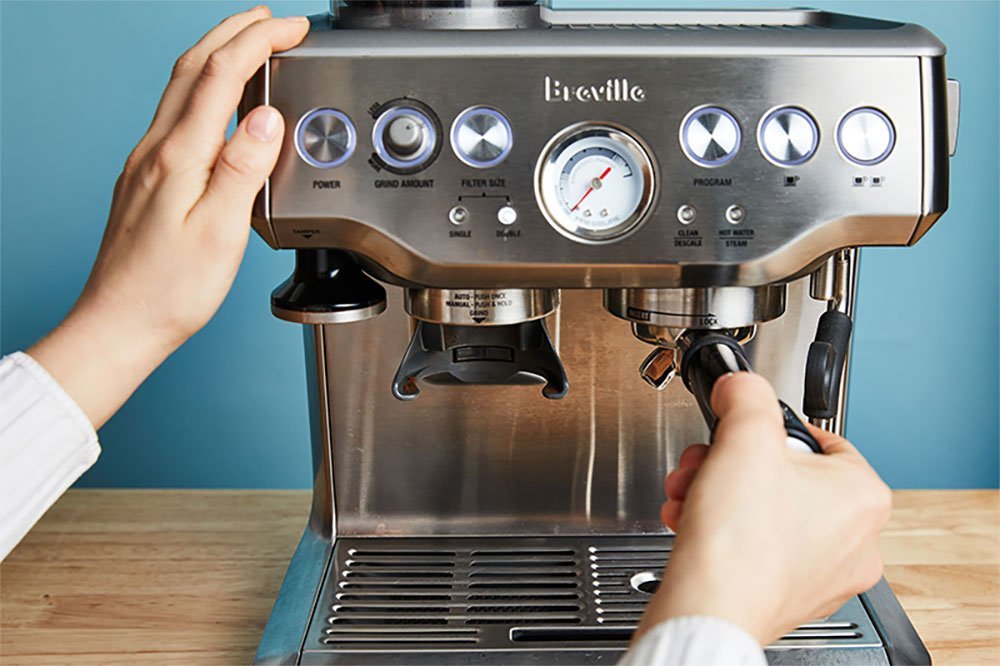
- Beverages: Brewing ground beans with hot water creates espresso, drip coffee, or cold brew, which serve as the base for lattes, mochas, and iced drinks.
- Baking and Desserts: Finely ground coffee or concentrated espresso shots enhance the flavor of chocolate cakes, brownies, tiramisu, and ice creams.
- Meat Rubs: Mixing coarse coffee grounds with salt, pepper, and brown sugar creates a robust crust for beef, pork, or venison when grilling or roasting.
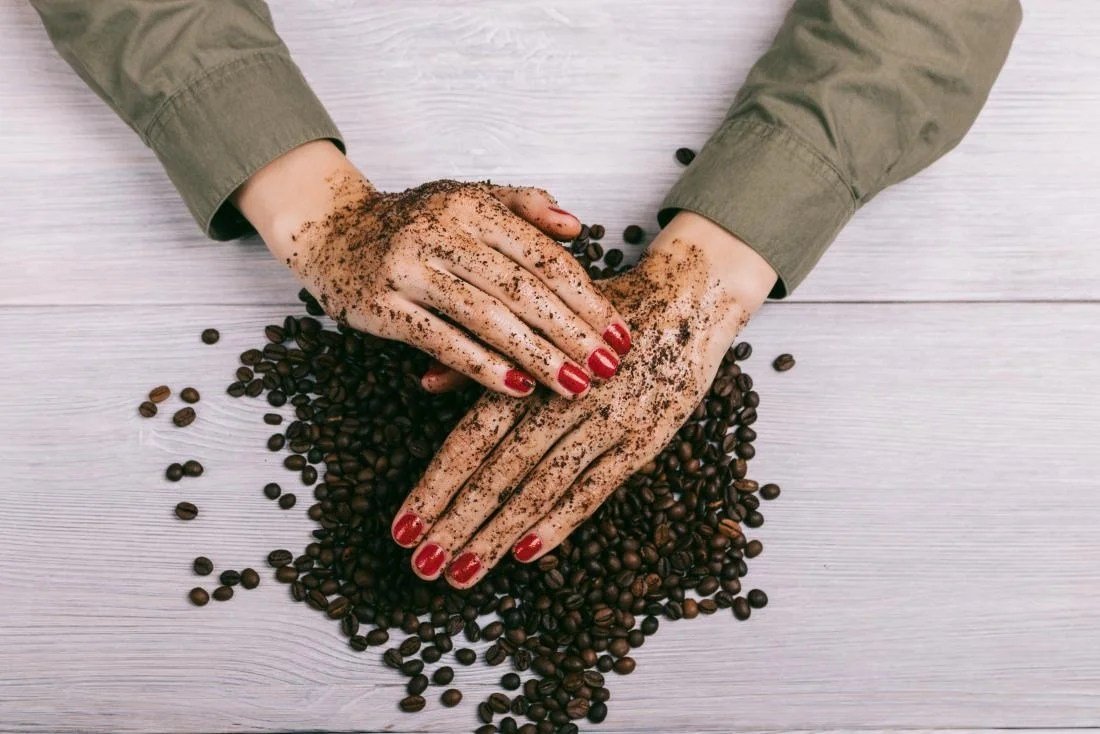
- Skincare: Fine coffee grounds act as a mechanical exfoliant in scrubs to remove dead skin cells when mixed with carrier oils like coconut or almond.
- Odor Neutralization: Placing dried, used coffee grounds in a bowl helps absorb strong smells in refrigerators or small, enclosed storage spaces.
Why Coffee Works in Diverse Ways
The primary reason coffee serves so many purposes is the presence of caffeine and volatile aromatic compounds. These compounds provide both the distinct bitter flavor profile and the stimulant effect that many seek. When used in cooking, coffee acts as a flavor enhancer; its acidity cuts through rich fats, while its roasted notes add depth to savory dishes. If you’re using it for skincare, the texture of the grounds provides a physical scrub, while the caffeine content is often cited in cosmetic studies for its potential to temporarily tighten the appearance of skin. According to the FDA’s information on caffeine, caffeine is a natural stimulant that affects the central nervous system, which is why it’s often added to various consumer goods. You should note that the strength of these effects varies by the roast level and the brewing method used. Always check the product label if you’re using pre-packaged coffee products for non-food purposes to ensure they don’t contain added sugars or oils.
Variations in Coffee Applications
| Situation | What changes | What to do instead |
|---|---|---|
| Baking | Moisture content | Reduce other liquids slightly |
| Meat Rubs | Grind size | Use coarse for better texture |
| Skincare | Particle size | Use very fine grounds |
| Gardening | Soil pH | Use sparingly as compost additive |
Proper Preparation and Usage
- Measure 2 tablespoons of medium-grind coffee for every 6 ounces of water when preparing a standard cup for drinking.
- Use a burr grinder to achieve a consistent particle size, which ensures even extraction and prevents bitter, over-extracted flavors in your drink.
- Heat your water to between 195°F and 205°F; temperatures below this range may lead to under-extraction.
- Combine 1 tablespoon of finely ground coffee with 1 cup of cocoa powder when baking to intensify the chocolate flavor without adding bitterness.
- Mix 1/2 cup of used, dried coffee grounds with 1/4 cup of coconut oil to create a simple, effective body scrub for weekly use.
- Store unused coffee in an airtight, opaque container at room temperature to prevent moisture and light from degrading its flavor and oils.
Common Mistakes That Ruin Results
- Using pre-ground coffee that has been open for more than two weeks, which leads to a flat, stale taste.
- Grinding coffee too finely for drip machines, which causes the filter to clog and the coffee to taste harsh.
- Adding too much sugar or cream to coffee-based rubs, as these burn quickly when exposed to high heat on a grill.
- Leaving coffee grounds in a bowl for odor removal for over a month, which eventually allows mold to develop.
Frequently asked questions
Can I use coffee grounds as fertilizer?
Yes, you can use coffee grounds as fertilizer, but only in moderation. They provide nitrogen to the soil, yet they’re acidic; apply them to acid-loving plants like roses or blueberries and avoid using them on plants that require alkaline soil.
How long does coffee stay fresh?
Coffee stays fresh for about two weeks after the bag is opened if stored in an airtight, opaque container. After this time, the volatile oils that provide flavor begin to oxidize, causing the coffee to lose its distinct aroma and taste.
Is it safe to eat coffee grounds?
Yes, it’s safe to eat small amounts of coffee grounds, though the texture is often unpleasant. They contain high concentrations of caffeine and fiber, so consume them in moderation to avoid digestive discomfort or excessive caffeine intake beyond your daily limit.
What happens if I use boiling water on coffee?
Using boiling water on coffee can lead to over-extraction, which may result in a bitter taste. High heat can increase the rate of extraction; letting the kettle sit for 30 seconds after boiling can help reach the ideal brewing temperature range.
Does coffee expire for non-food uses?
Coffee doesn’t have a set expiration date for non-food uses, but it can grow mold if left in damp conditions. If you use it for skincare or odor removal, ensure the grounds are completely dry before storage to prevent bacterial or fungal growth.
How much caffeine is in a cup of coffee?
A standard 8-ounce cup of coffee contains about 95 milligrams of caffeine. This figure varies by the type of bean and the brewing method; check the manufacturer’s documentation if you’re using specific pods or concentrated cold brew products.
Coffee used, in short
Experimenting with different roasts and grind sizes allows you to find what works best for your specific recipe or application. By understanding the balance between acidity and bitterness, you can better control the final result whether you’re brewing a morning cup or creating a new dessert.