
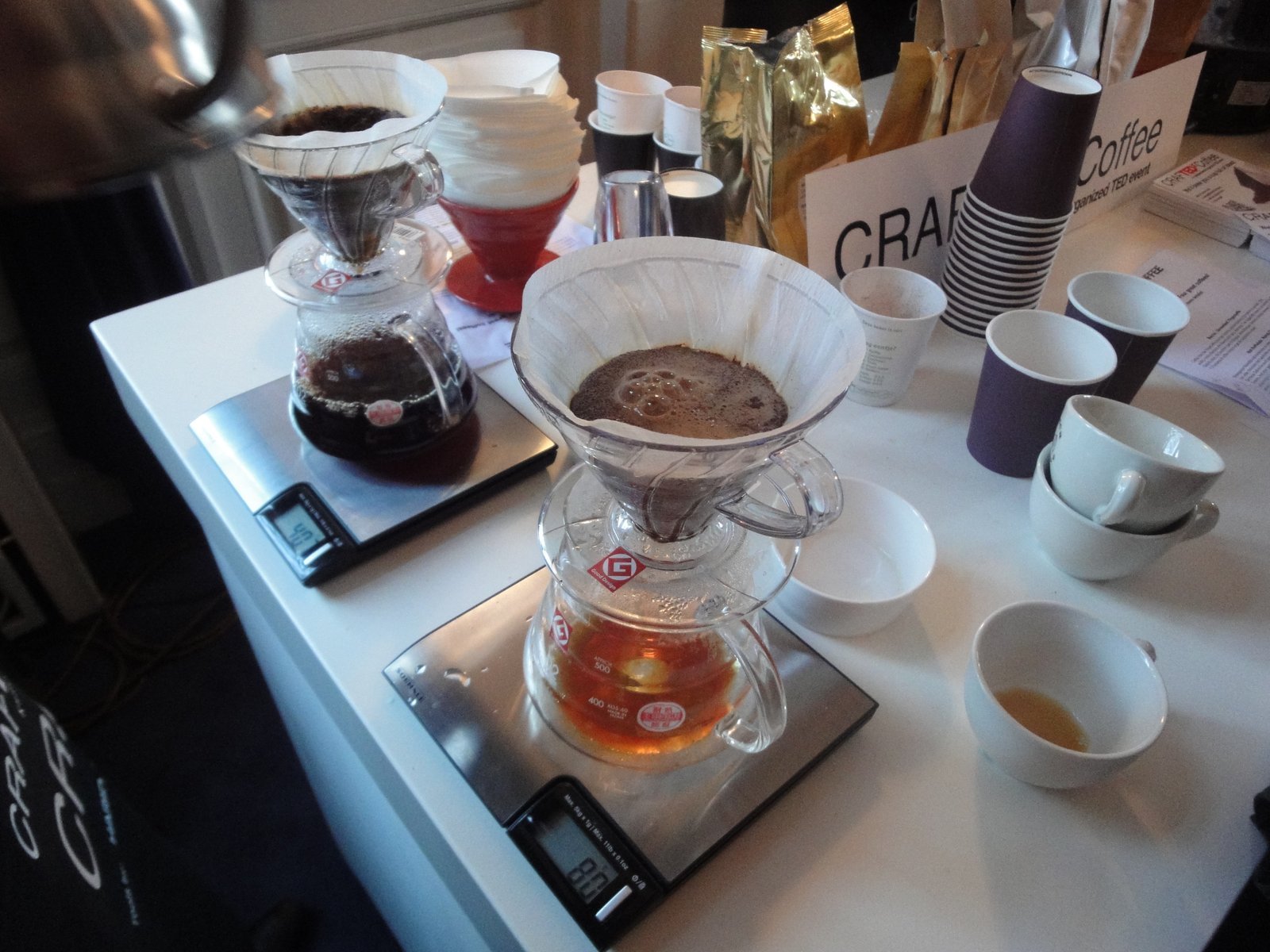
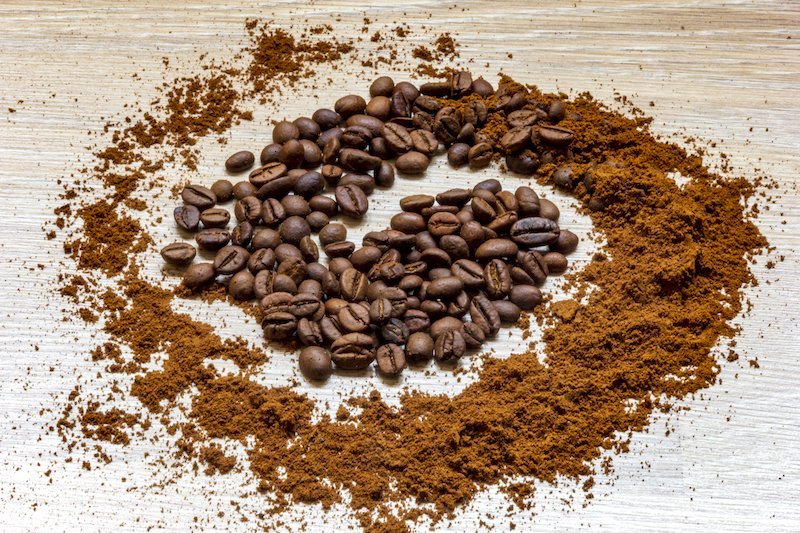
Ground coffee refers to whole roasted coffee beans that have been crushed into smaller particles to allow water to extract flavor during brewing.
The basics of coffee particles
The size of the particles is the most important factor in how your drink will taste. If you grind beans too fine, the water struggles to pass through, often leading to a bitter, over-extracted cup. If the grind is too coarse, the water passes through too quickly, leaving the coffee weak and sour. This is a common struggle for people switching between different brewing methods like drip machines or French presses.
Adjusting your grind
- Choose a grinder that matches your needs, such as a burr grinder for consistent particle size or a blade grinder for simple, quick tasks.
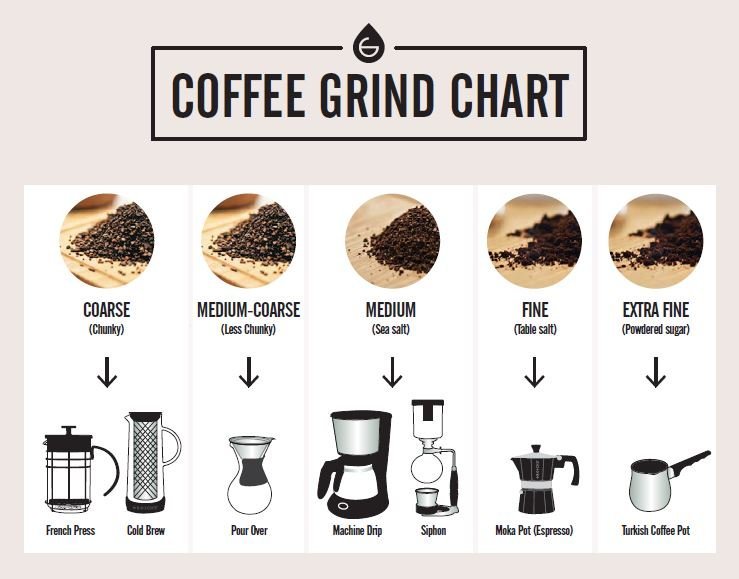
- Select the setting based on your brewer: use a coarse grind for a French press, a medium grind for drip machines, and a fine grind for espresso.
- Measure your beans by weight rather than volume to ensure consistency; a standard ratio is 1:16, meaning 1 gram of coffee for every 16 grams of water.
- Process only the amount you intend to brew immediately, as ground coffee loses its aromatic compounds quickly when exposed to air.
- Clean your equipment after every use to prevent stale oils from affecting the flavor of your next batch.
Tip: If you’re using a blade grinder, pulse the button in short bursts to avoid heating the beans, which can cause them to lose flavor before you even start brewing.
How ground coffee brewing time works

The time required to brew coffee depends entirely on the size of the grounds and the brewing equipment you choose to use.
| Brewing Method | Grind Texture | Typical Time | Note |
|---|---|---|---|
| French Press | Coarse | 4 minutes | Steep time |
| Drip Machine | Medium | 3–5 minutes | Varies by volume |
| Espresso | Fine | 25–30 seconds | High pressure |
| Cold Brew | Extra Coarse | 12–24 hours | Room temperature |
If your coffee takes much longer than these times to brew, your grind is likely too fine for the equipment, causing a blockage in the filter.
Identifying when it’s ready
You can tell your coffee is ready by looking for specific physical cues during the process. For drip coffee, the flow should be steady and the grounds should look evenly saturated without dry patches. For espresso, look for a rich, golden-brown crema on top of the liquid. If you’re using a French press, the coffee is done when the plunger moves down with steady, light pressure. While coffee is a dry good, you should always store it in an airtight container away from moisture to prevent mold growth, which is a real risk in humid climates.
Common grind mistakes
- Buying pre-ground coffee in large bags: This ruins the flavor because the surface area of the grounds is exposed to oxygen, causing rapid oxidation. Buy smaller amounts or grind your beans right before you brew to keep the oils fresh.
- Using the wrong grind for the machine: A fine grind in a French press will clog the mesh filter and leave sludge in your cup. Always match the grind size to the specific brewing device you’re using that day.
- Ignoring the grinder cleanliness: Old, rancid coffee dust inside your grinder will transfer a sour or burnt taste to every new cup you make. Wipe out the chamber after every use to ensure you’re only tasting the fresh beans.
How long does ground coffee stay fresh?
Ground coffee stays fresh for about one to two weeks if stored in an airtight container at room temperature. After this period, the volatile compounds responsible for the aroma begin to fade, resulting in a flat, dull taste, though it remains safe to consume for several months.
Can I grind coffee in a blender?
Yes, you can use a blender, but it isn’t ideal because the blades don’t provide a uniform particle size. You’ll end up with a mix of dust and large chunks, which creates an uneven extraction and a muddy, inconsistent flavor in your final cup of coffee.
Why is my coffee bitter?
Your coffee is likely bitter because the grind is too fine, which leads to over-extraction of the bean’s compounds. Try a coarser setting on your grinder to see if the flavor improves, as this will allow the water to pass through the grounds more quickly during the brewing process.
Is it safe to drink old coffee?
It’s safe to drink old coffee as long as it has been kept dry and shows no signs of mold or moisture. However, the quality will be very poor, and it will likely lack the rich flavor and aroma that fresh ground coffee provides to your morning routine.
How much ground coffee for one cup?
Use about two tablespoons of ground coffee for every six ounces of water to get a standard, balanced strength. This ratio can be adjusted based on your personal preference; if you find the result too strong, reduce the amount of coffee by half a tablespoon next time.
Does the grind size affect caffeine content?
No, the grind size doesn’t change the total caffeine content, but it does change how fast the caffeine is released into the water. A finer grind releases caffeine faster than a coarse grind because there’s more surface area for the water to touch, but the total amount remains the same.
Coffee is a sensitive product that reacts quickly to its environment. By controlling your grind size and keeping your beans fresh, you can ensure that every cup you brew tastes exactly the way you enjoy it most.
Meant ground, in short
The best way to appreciate these tiny particles is by experimenting with your favorite brewing method this weekend. Don’t be afraid to adjust your grind size until you find the perfect balance of flavor. You’ll soon discover how much better your morning cup tastes when you’ve tailored the process to your own palate.