
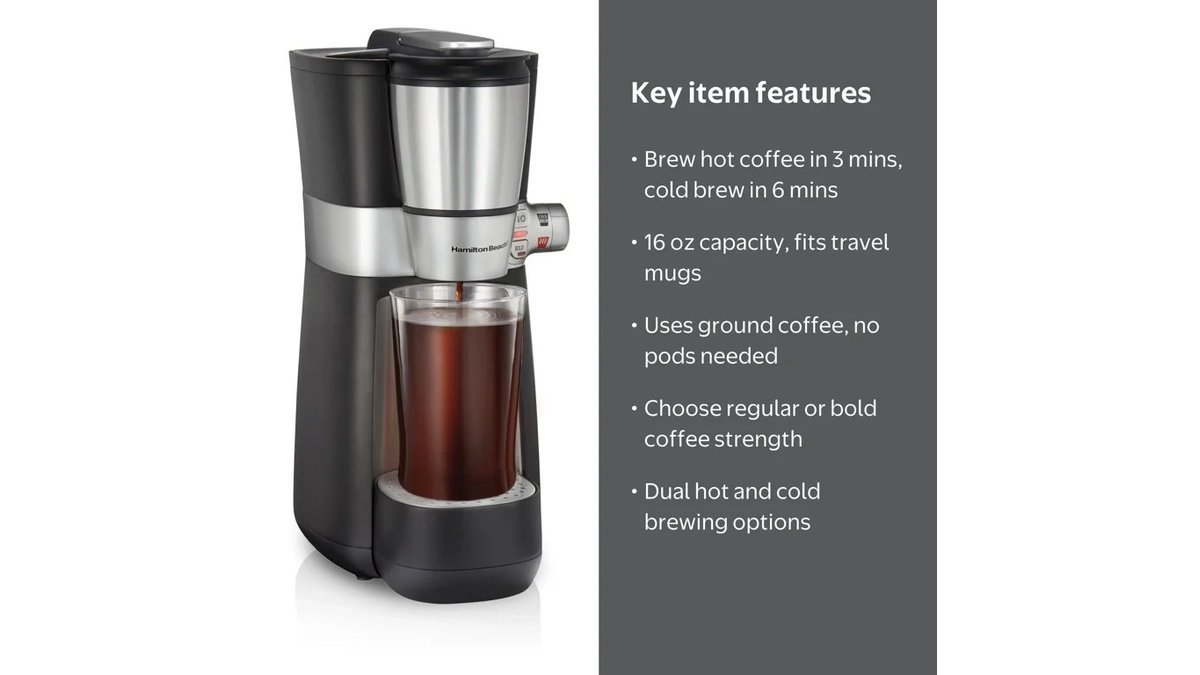
To serve ground coffee, use two tablespoons of fresh grounds for every six ounces of water at a temperature of 195°F to 205°F. This ratio ensures a balanced flavor profile, whether you’re using a drip machine, a French press, or a pour-over dripper.
Tools for serving ground coffee
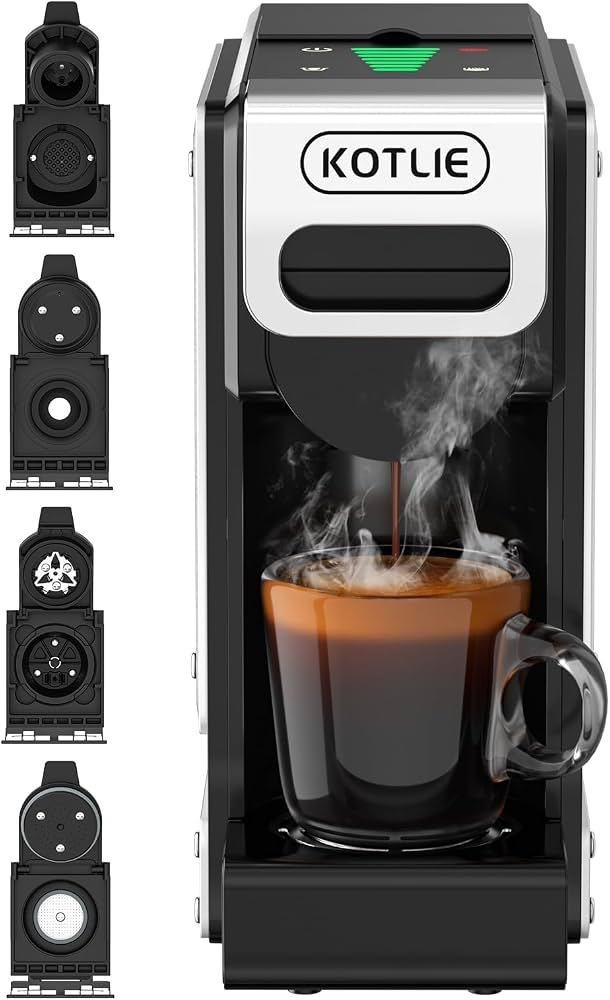
To prepare a high-quality cup, you need a few reliable items. If you lack a scale, use a standard measuring spoon, but note that digital scales provide more consistency for professional-level results.
- A burr grinder for uniform particle size.
- A digital scale to weigh coffee and water.
- Filtered water, as chlorine affects the final taste.
- A kettle with a temperature control feature.
- Freshly roasted whole beans to grind right before use.
If you don’t have a burr grinder, a blade grinder works, but it causes uneven extraction. Professional baristas rely on National Coffee Association standards to maintain quality.
Brewing steps for the perfect cup
- Heat your filtered water to between 195°F and 205°F. If you don’t have a thermometer, let boiling water sit for 30 seconds before pouring.
- Weigh your coffee beans to match your desired yield. A common starting point is 15 grams of coffee for every 250 grams of water.
- Grind the beans to the texture required for your equipment. Use a coarse grind for a French press and a medium-fine grind for a drip machine.
- Rinse your paper filter with hot water to remove any papery taste, then discard the rinse water.
- Add the ground coffee to the filter or brewer.
- Pour a small amount of water over the grounds to let them “bloom” for 30 seconds. This releases trapped carbon dioxide.
- Pour the remaining water steadily in a circular motion to ensure even saturation.
- Serve the coffee immediately while it’s hot.
Careful:
Tip: If your coffee tastes too weak, adjust your grind to be slightly finer rather than adding more coffee.
Brewing variables by method
Brewing time and texture change based on your chosen tool. You should start with smaller batches to test your preferred strength before preparing large quantities for guests.
| Method | Grind Texture | Brew Time | Watch For |
|---|---|---|---|
| French Press | Coarse | 4 minutes | Sludge at bottom |
| Drip Machine | Medium | 5-6 minutes | Even saturation |
| Pour-over | Medium-fine | 3 minutes | Steady flow |
| Cold Brew | Extra Coarse | 12-24 hours | Strength intensity |
Checking your extraction quality
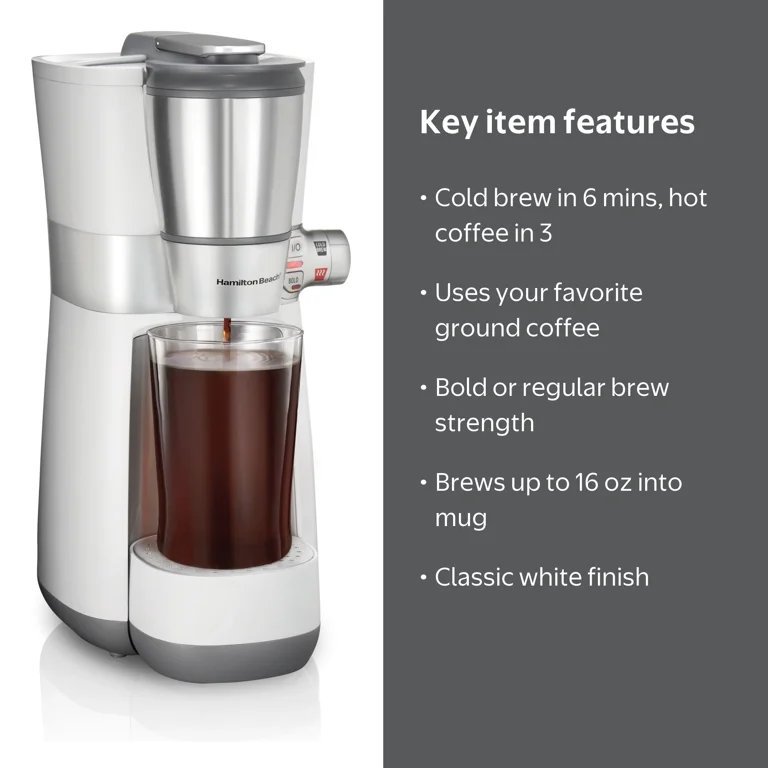
A successful cup is clean, aromatic, and free of bitter aftertastes. If the coffee tastes sour or thin, the extraction is under-developed, meaning the water moved through the grounds too quickly or the grind was too coarse. Conversely, a bitter, harsh, or dry finish indicates over-extraction. This happens when water sits with the coffee for too long or the grind is too fine for the specific brewing device. To prevent this, always adjust your grind size one step at a time until the balance feels correct.
Safety and storage standards
Coffee grounds are perishable once they lose their original seal. Keep your coffee in an airtight container away from moisture and light to prevent flavor degradation. If you aren’t sure about the freshness of your beans, check for a dull, flat aroma before brewing, as stale coffee won’t provide the intended flavor.
Alternative preparation methods
Espresso extraction
This uses high pressure to force water through finely ground coffee. It produces a concentrated shot in under 30 seconds. It requires a specialized machine and a precise, very fine grind setting.
Aeropress brewing
This handheld device uses manual air pressure to push water through the grounds. It’s highly versatile, allowing for both short, espresso-like shots or longer, cleaner cups, depending on your water-to-coffee ratio.
Siphon brewing
This method uses vapor pressure and a vacuum to brew coffee. It’s a slow, theatrical process that produces a very clean, tea-like body. It requires specific glassware and a steady heat source.
Frequently asked questions
Photo: martinsfoods.com on Google
How long does ground coffee stay fresh?
Ground coffee stays fresh for about two weeks if stored in an airtight container at room temperature. After this period, the volatile oils that provide flavor begin to oxidize, causing the coffee to taste flat and stale.
Can I reuse coffee grounds?
No, you can’t reuse coffee grounds for a second cup. The first brewing cycle extracts the soluble compounds and oils; a second run will only pull out bitter tannins and unpleasant woody flavors that ruin the drink.
Is it safe to drink coffee on an empty stomach?
Yes, it’s safe for most people, though it may increase stomach acid production. If you notice discomfort or heartburn, try eating a small piece of food before or alongside your cup to buffer the acidity.
How much caffeine is in a cup?
A standard eight-ounce cup contains about 95 milligrams of caffeine. This figure varies by bean origin and roast level, with lighter roasts often containing slightly more caffeine by volume than darker roasts due to bean density.
Why does my coffee taste bitter?
Your coffee tastes bitter because of over-extraction during the brewing process. This happens when the grind is too fine for your equipment or you have used too much water, causing the grounds to release harsh, woody compounds.
How do I know if my coffee is spoiled?
Your coffee is spoiled if it develops a rancid, musty, or sour smell. If you notice any signs of mold or if the grounds feel damp and clumped together, discard them immediately to avoid health risks from bacterial growth.
How to serve ground coffee: A quick guide
If you find that your home-brewed coffee still lacks the richness you enjoy at a café, ensure your water temperature is consistent and your equipment is thoroughly cleaned after every use. Old oils trapped in filters or baskets quickly turn rancid and will negatively affect every new batch you brew.
Related guides