
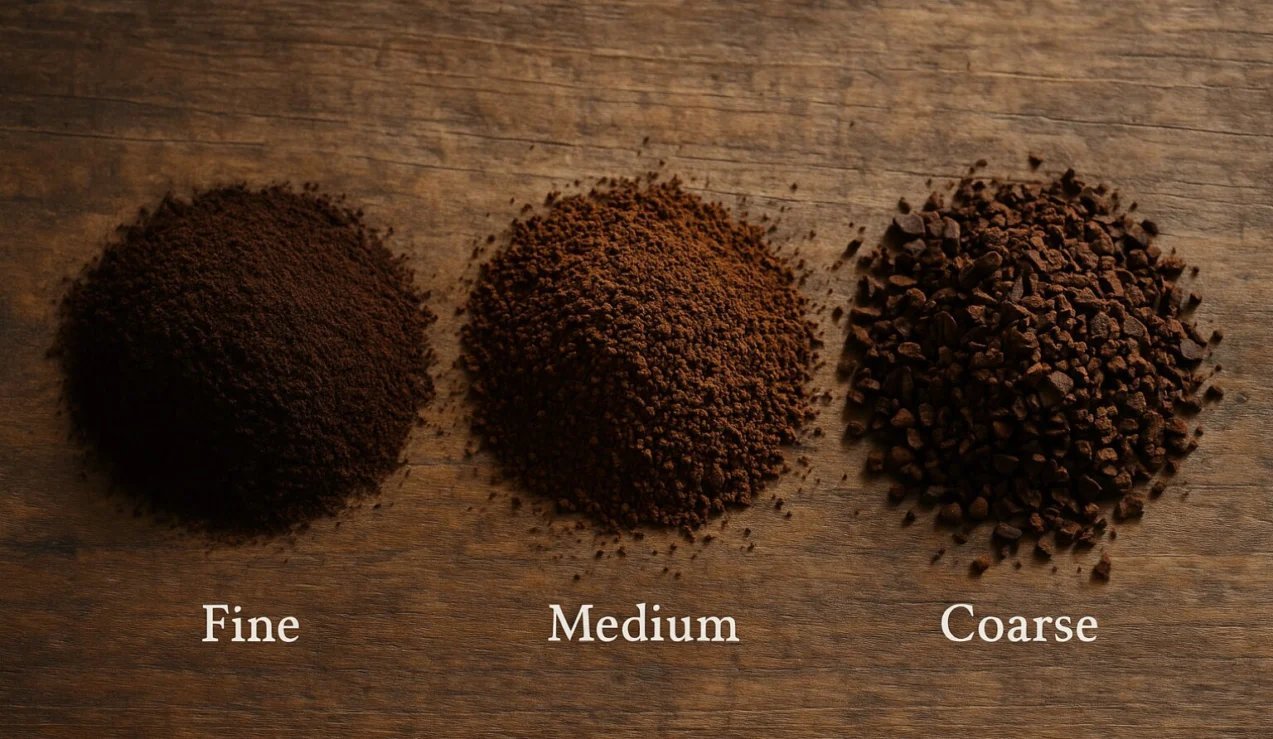
Finely ground coffee is coffee processed into small, sand-like particles that increase the surface area for water extraction during brewing. This texture is essential for high-pressure brewing methods, where the water must pass through the grounds quickly to pull out deep flavors.
Why you need finely ground coffee
-
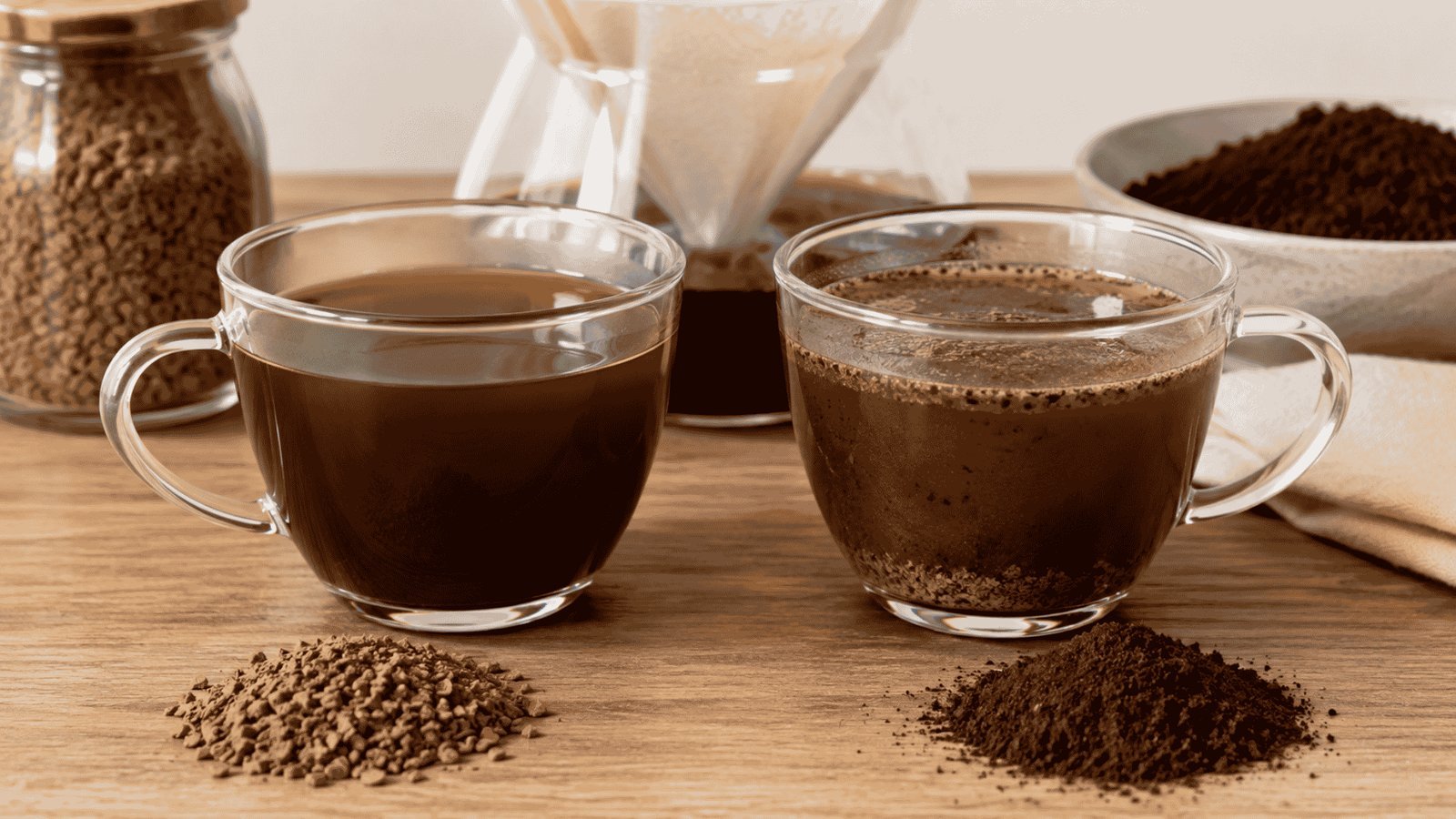
Extra coarse: Feels like sea salt. Use this for cold brew steeping for 12 to 24 hours. If your brew tastes bitter or muddy, your particles are likely too small.
-
Coarse: Feels like chunky kosher salt. This is the standard for French press. Use a four-minute steep time. If you struggle to plunge the filter, your grind is too fine.
-
Medium: Feels like wet sea sand. This is ideal for standard drip machines. If the coffee tastes sour, your grind is too coarse and water is passing through too quickly.
-
Fine: Feels like table salt. This is required for espresso. A proper shot should extract in 25 to 30 seconds.
-
Extra fine: Feels like powdered sugar. Essential for Turkish coffee.
Why Grind Size Changes Extraction
Extraction is the process of pulling oils, acids, and sugars from coffee beans using water. When you use a finer grind, you increase the surface area that water can touch, which allows for a faster release of these compounds. This is why espresso machines—which use high pressure to force water through coffee in under 30 seconds—require a fine grind to achieve a balanced, rich shot. If you used a coarse grind in an espresso machine, the water would flow through too quickly, resulting in a sour and weak beverage. Conversely, using a fine grind in a French press would lead to over-extraction, creating a bitter and muddy cup because the water stays in contact with the particles for several minutes. According to the National Coffee Association, matching your grind to the specific brewing method is the most important step for getting the best flavor from your beans.
When the Answer is Different
| Situation | What changes | What to do instead |
|---|---|---|
| Too bitter | Over-extraction | Use a coarser grind |
| Too sour | Under-extraction | Use a finer grind |
| Clogged filter | Excessive fine particles | Use a coarser setting |
| Weak flavor | Fast water flow | Use a finer setting |
| Muddy coffee | Fine sediment | Use a coarser grind |
How to Achieve the Perfect Grind
- Select fresh, whole-bean coffee to ensure the oils and aromatics remain intact until the moment of preparation for your specific drink.
- Use a burr grinder rather than a blade grinder to ensure that every particle is the same size for consistent extraction.
- Adjust your grinder dial to the “fine” setting, which should resemble the texture of common table salt when rubbed between fingers.
- Grind only the amount of coffee you need for your current brew, as surface area increases oxidation once the beans are broken.
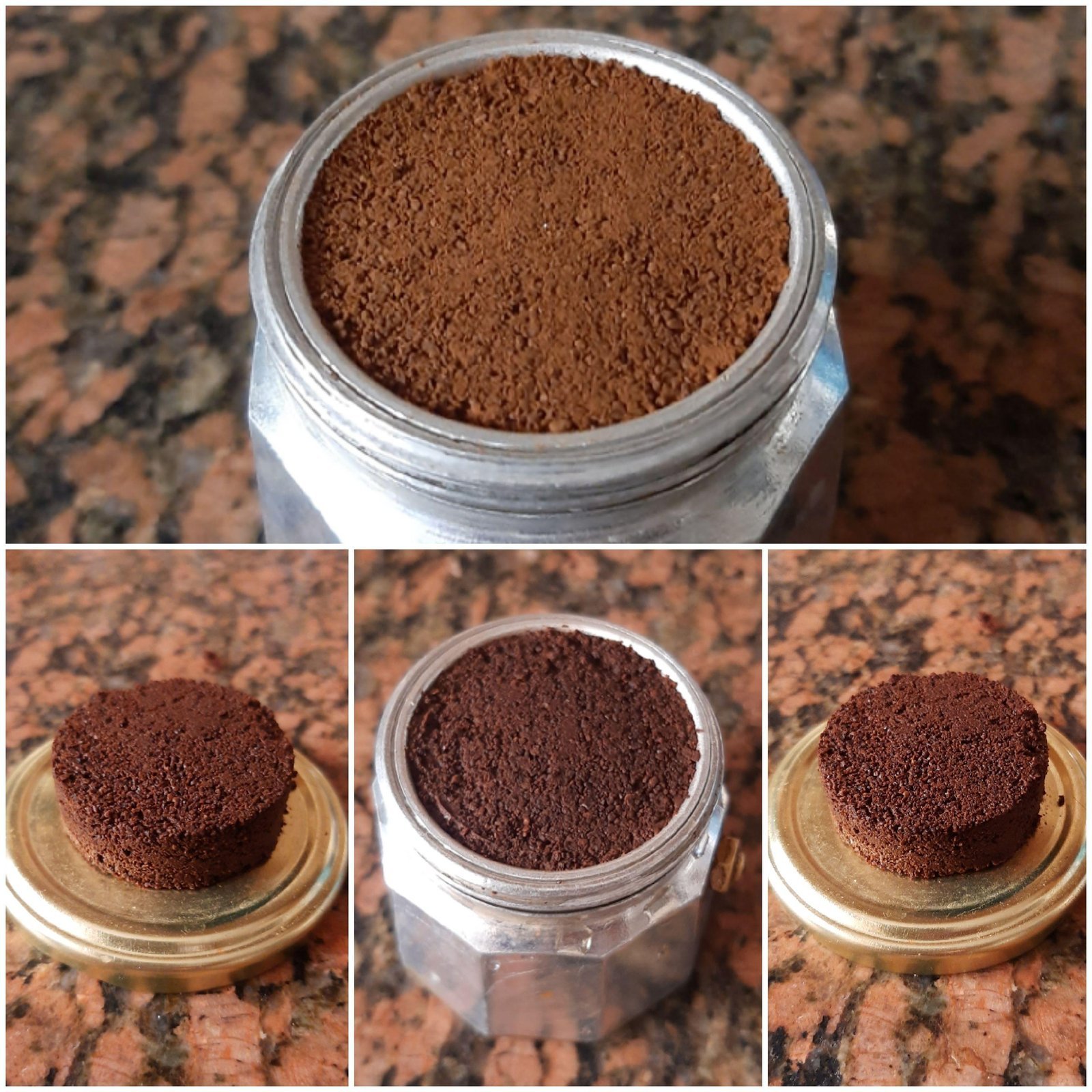
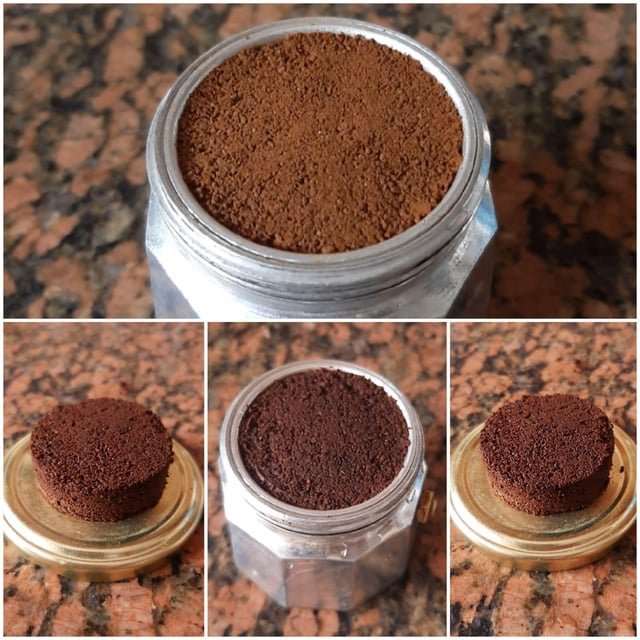
- Check the coffee bed after brewing; it should look like a wet, dark paste if the grind was correctly sized for espresso.
- Clean your grinder regularly to remove old oils that can turn rancid and ruin the flavor of your fresh, fine grounds.
The Mistakes That Ruin It
- Using a blade grinder creates uneven chunks and powder, which leads to a mix of bitter and sour flavors.
- Grinding too far in advance causes the coffee to lose its volatile aromatics, resulting in a flat-tasting cup.
- Ignoring the specific requirements of your brewing device leads to either clogged filters or watery, weak espresso.
- Failing to clean your equipment regularly leaves behind stale oils that negatively impact the taste of every fresh batch.
Can I use finely ground coffee in a drip machine?
No, it will likely clog the filter and lead to an over-extracted, bitter cup of coffee. Drip machines are designed for a medium grind size that allows water to pass through at a steady, gravity-fed pace without stalling.
Is fine grind the same as espresso grind?
Yes, they’re essentially the same for most home brewing purposes. Both refer to a texture similar to table salt, which is necessary to create enough resistance for water to extract flavor quickly under pressure.
How long does finely ground coffee stay fresh?
It stays fresh for about 15 to 30 minutes after grinding before it begins to lose its delicate aromatics. For the best flavor, always grind your coffee immediately before you start the brewing process.
What happens if the grind is too fine?
The water will struggle to pass through the coffee bed, leading to a long brew time and a very bitter, astringent taste. In an espresso machine, a grind that’s too fine can cause the pump to stall completely.
Does the burr grinder setting matter?
Yes, the setting is the only way to ensure particle consistency, which prevents uneven extraction. This varies by model—check the label or manual on your specific grinder to find the exact “fine” range for your machine.
How do I know if my grind is too coarse?
Your coffee will taste thin, sour, and watery because the water passed through the grounds too quickly. If you see this, move your grinder setting one or two notches finer until the taste becomes balanced and sweet.
Is Turkish coffee grind the same as fine?
No, Turkish coffee requires an extra-fine grind that’s closer to the consistency of flour or powdered sugar. This extreme fineness is necessary because the grounds remain in the water while the coffee is consumed.
Finely ground, in short
Choosing the right grind size makes a world of difference in your morning cup. If you aren’t sure how your current beans measure up, try adjusting your grinder just a tiny bit finer tomorrow. You’ll be surprised how much more flavor you can unlock once you find that perfect, balanced sweet spot.