
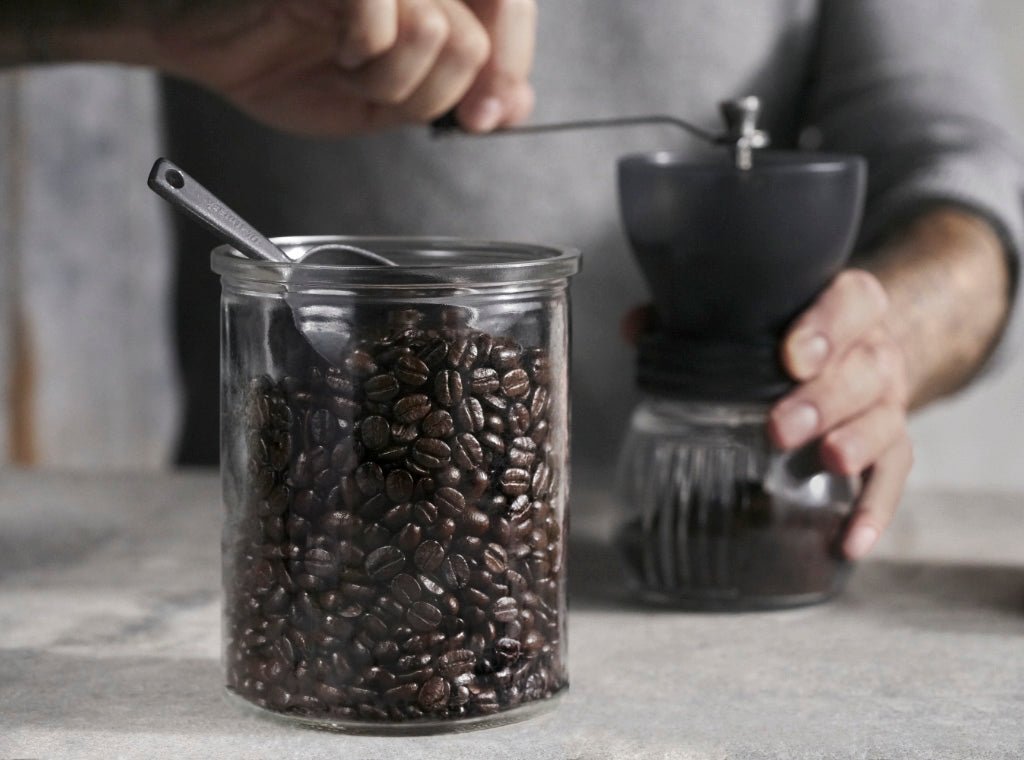
Yes, ground coffee is already ground, which means it’s ready for immediate brewing without needing a coffee mill. You’ll find that this product is sold in various textures, ranging from very fine for espresso to coarse for French press brewing methods.
Is coffee already ground
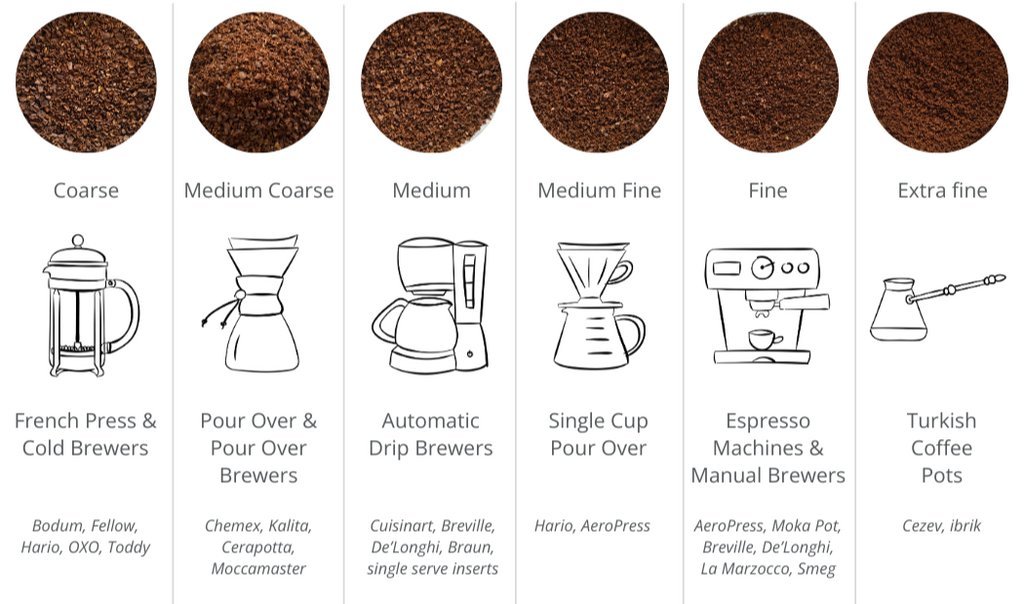
- Ground coffee is pre-processed at the factory to a specific particle size suitable for common brewing equipment.
- The shelf life of pre-ground coffee is significantly shorter than whole beans due to increased surface area exposure to oxygen.
- Once the vacuum seal is broken, ground coffee loses its peak aromatic quality within seven to ten days if kept at room temperature.
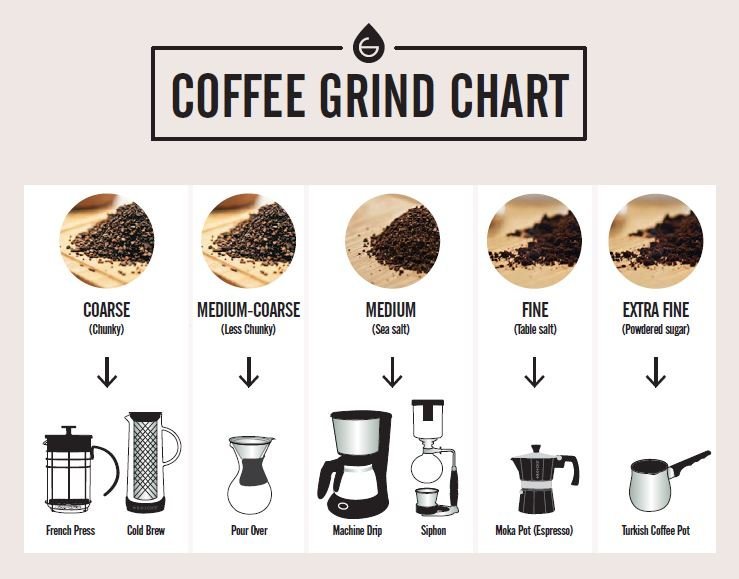
- You should match the grind size to your specific brewer; fine grinds for espresso machines and coarse grinds for manual presses.
- If you store ground coffee in the freezer, use an airtight container to prevent moisture buildup and flavor absorption from other frozen foods.
- Cold food storage guidance from FoodSafety.gov explains that while shelf-stable dry goods like coffee don’t have strict safety limits, freshness degrades rapidly once exposed to humidity.
Why Coffee Texture Matters
The primary reason ground coffee is sold in different grades is the physics of water extraction. When you brew coffee, water passes through the grounds and pulls out oils, acids, and solids. If the particles are too small for your device, the water takes too long to filter through, leading to an over-extracted, bitter cup. If the particles are too large, the water moves too quickly, resulting in a weak, sour taste. Manufacturers calibrate their industrial grinders to ensure the particle size remains consistent for the intended brewing method. This consistency is difficult to replicate at home without high-quality burr grinders. If you’re unsure which grind to buy, check the side of the bag for a brewing guide icon. Most commercial bags clearly state whether the contents are meant for drip coffee makers, espresso machines, or percolators, which ensures you get the correct level of resistance during the water flow process.
Adjusting Your Brewing Method
| Situation | What changes | What to do instead |
|---|---|---|
| Bitter coffee taste | Over-extraction occurs | Use a coarser grind |
| Sour or weak taste | Under-extraction occurs | Use a finer grind |
| Clogged drip machine | Particles too small | Switch to medium-coarse |
| Espresso machine spray | Grind is too coarse | Buy fine espresso grind |
| French press sludge | Too many fine bits | Use a coarser grind |
How to Handle Your Grounds Properly
- Open your bag of ground coffee carefully using scissors to ensure the zip-lock or tin-tie remains functional for sealing.
- Measure two tablespoons of grounds for every six ounces of filtered water to achieve a standard medium-strength cup of coffee.
- Place the ground coffee into your brewer’s filter basket, ensuring the bed of grounds is level for an even water flow.
- Pour hot water, ideally between 195°F and 205°F, over the grounds if you’re using a manual pour-over or press device.
- Press the “brew” button on your automatic machine or allow the coffee to steep for four minutes in a French press.
- Squeeze all excess air out of the coffee bag before sealing it tightly to minimize the oxidation of the remaining grounds.
Common Coffee Storage Mistakes
Photo: www.blackoutcoffee.com on Google
- Storing coffee in a clear glass jar on a sunny windowsill causes light and heat to degrade the natural oils prematurely.
- Leaving the bag loosely rolled up allows oxygen to enter, which causes the coffee to taste stale or flat within just a few days.
- Using a wet spoon to scoop grounds introduces moisture into the bag, which can lead to clumping and potential bacterial growth.
- Keeping coffee in the refrigerator leads to condensation every time you open the bag, which ruins the flavor profile of the beans.
Is it safe to drink old ground coffee?
Yes, it’s safe to drink old ground coffee as long as it has been kept dry and shows no signs of mold. While it won’t make you sick, it will likely taste flat or rancid because the aromatic oils have oxidized.
How long does ground coffee stay fresh?
Ground coffee stays fresh for about two weeks after opening if you keep it in an airtight container away from light. If the bag remains vacuum-sealed, it can stay fresh for up to six months in a cool, dark pantry.
Can I re-grind pre-ground coffee?
No, you shouldn’t attempt to re-grind pre-ground coffee because it will likely turn into a fine, dusty powder. This texture will clog your coffee filter and result in a bitter, silty cup that’s unpleasant to drink.
What if my coffee tastes like dirt?
If your coffee tastes like dirt, it’s likely stale or the grind size is too fine for your specific brewing device. Check the expiration date on the bag first, then verify that you’re using the correct grind level for your machine.
Does the grind size affect caffeine levels?
No, the grind size doesn’t change the total amount of caffeine, but it changes how fast the caffeine is extracted into your cup. A finer grind extracts caffeine faster than a coarse grind during the same brewing period.
Why is my coffee watery?
Your coffee is likely watery because you used a grind size that was too coarse for your brewing method. When the grounds are too large, the water passes through them too quickly, failing to extract enough flavor and body.
How do I store ground coffee in the freezer?
You can store ground coffee in the freezer by placing the original bag inside a heavy-duty, airtight freezer bag. Ensure you remove as much air as possible before sealing and allow the coffee to reach room temperature before opening the bag.
Ground coffee, in short
Choosing the right texture for your favorite equipment makes all the difference in your morning cup. Once you’ve picked a bag that matches your brewer, you’ll be ready to enjoy a fresh, flavorful start to your day. Don’t hesitate to experiment with different brands until you find the perfect roast you’ll love.