
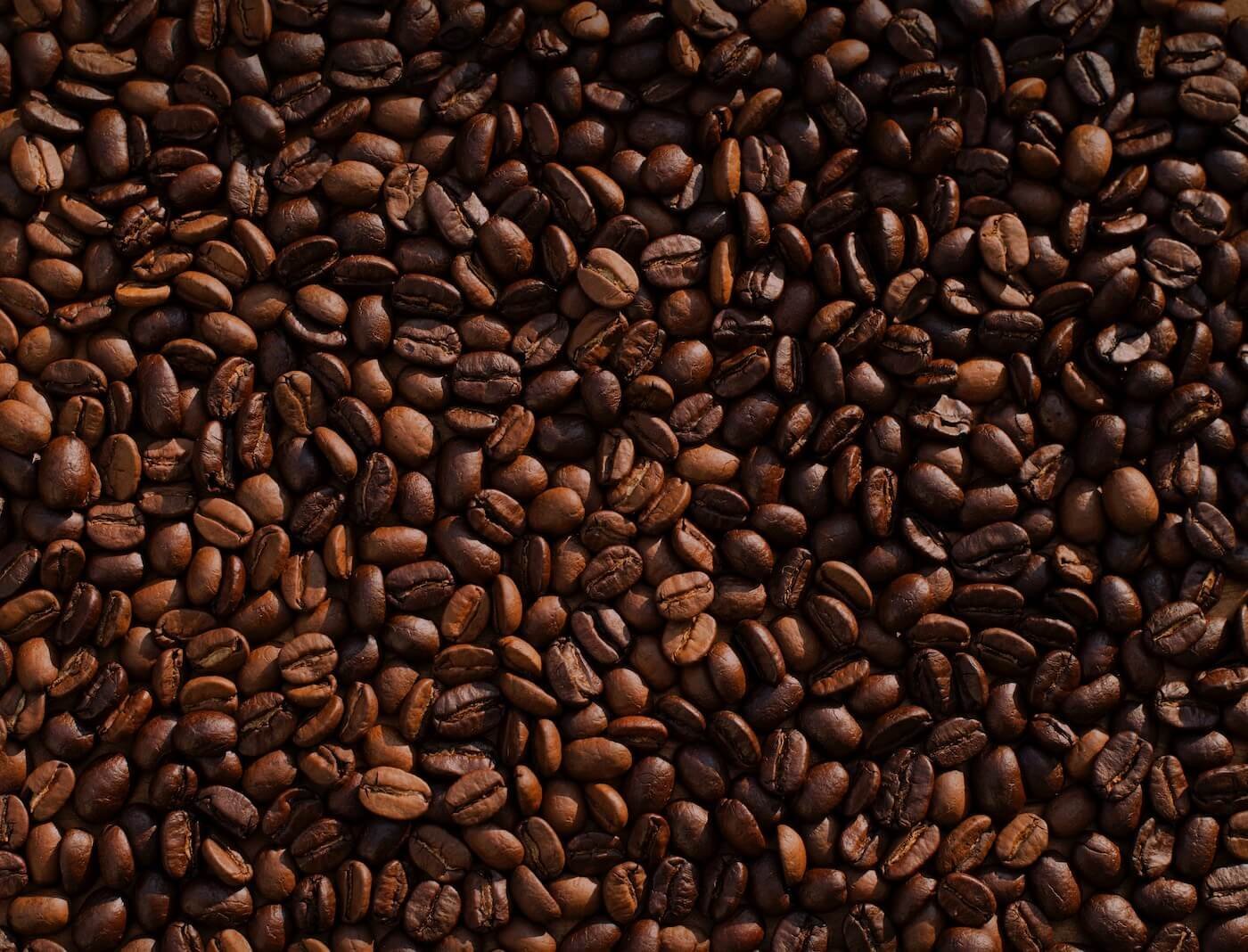
Ground coffee beans are roasted seeds of the coffee fruit that have been processed into small particles to allow for efficient flavor extraction during brewing. This state allows water to penetrate the material quickly, which is essential for making beverages like espresso, drip coffee, or French press coffee in a home kitchen.
Coffee quality starts with the roast date and the freshness of the grind. The most common mistake people make is buying too much coffee at once, which leads to stale, flavorless cups within a few weeks. If you drink coffee daily, buy small amounts that you can finish in two weeks; if you drink it occasionally, buy whole beans and grind them just before you brew.
How to grind coffee beans
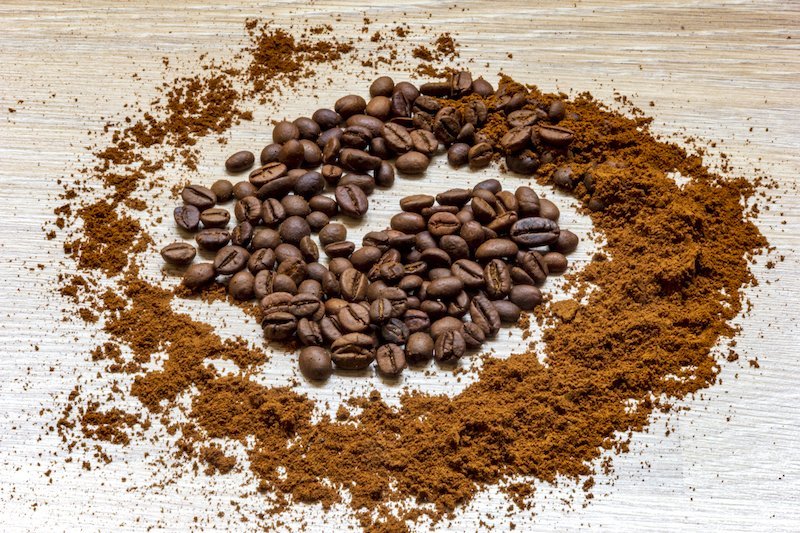
- Select a grind size that matches your specific brewing method, such as coarse for a French press or fine for an espresso machine.
- Measure the beans using a digital scale to ensure a consistent ratio, typically 1 gram of coffee for every 15 to 17 grams of water.
- Place the beans into your grinder, ensuring the burrs are clean to avoid off-flavors from old residue.
- Process the beans until they reach the desired consistency, keeping the grind time short to prevent heat buildup.
- Transfer the particles immediately into your brewer, as flavor compounds begin to dissipate as soon as the surface area increases.
Tip: If your coffee tastes sour or watery, your grind is likely too coarse; if it tastes bitter or harsh, your grind is likely too fine.
Tip: Always store your coffee in an airtight container away from direct sunlight, moisture, and heat to maintain quality, as recommended by FoodSafety.gov’s cold food storage charts.
Expected preparation times
The time required to process beans depends on the volume you’re preparing and the type of equipment you use. These times assume a standard electric burr grinder; if you’re using a manual hand grinder, you should allow for three times as long to finish the task.
| Amount | Process Time | What changes it | What to watch for |
|---|---|---|---|
| 15 grams | 10 seconds | Grind setting | Heat buildup |
| 30 grams | 20 seconds | Motor power | Even particle size |
| 60 grams | 40 seconds | Blade sharpness | Consistent texture |
If the process is taking much longer than indicated, check that the grinder chute isn’t clogged with old, oily coffee dust.
Assessing the result
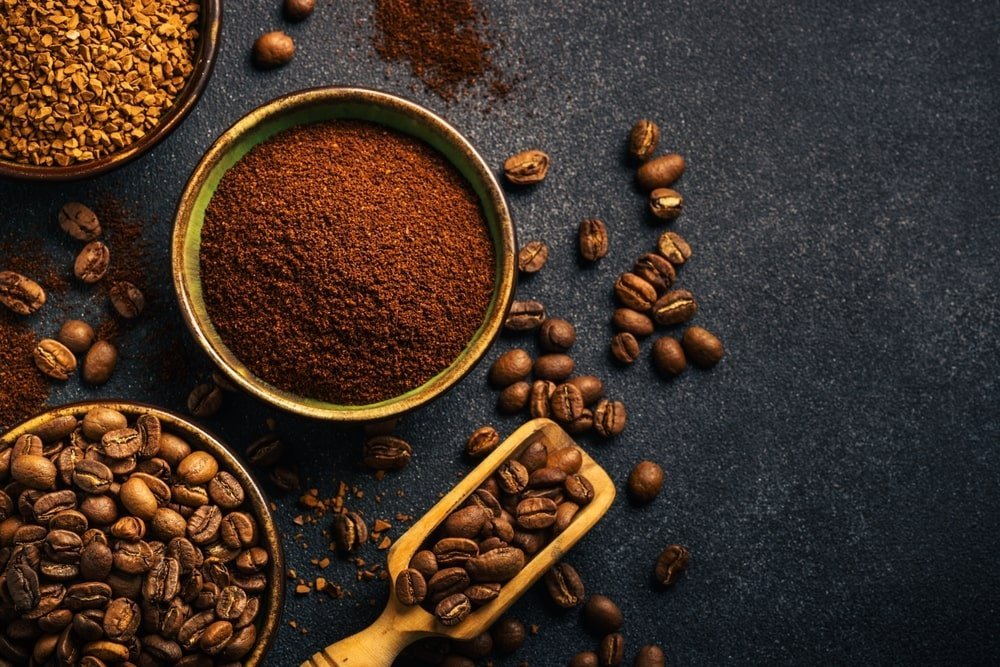
You can identify a good grind by looking for uniformity in the particle size. A high-quality grinder produces particles that look like sea salt for coarse grinds or table salt for medium grinds, with very little “dust” or flour-like powder. If you see large chunks mixed with fine powder, your grinder may have dull blades or an inconsistent burr alignment. You can perform a tactile test by rubbing a small pinch between your thumb and finger; it should feel gritty and dry, not sticky or clumpy. If the grounds feel damp or pack into a solid ball, they’re likely too old or the humidity in your kitchen is too high.
Errors that destroy flavor
- Grinding too far in advance: Coffee loses its delicate aromatic oils within minutes of being ground, which results in a flat, dull taste. Always grind your beans immediately before adding hot water to capture the full profile of the roast.
- Using heat-generating grinders: High-speed blade grinders create friction heat that can “pre-cook” the coffee, leading to a burnt or metallic aftertaste. Switch to a burr grinder to ensure a cool, consistent grind that preserves the natural sweetness of the bean.
- Ignoring equipment cleanliness: Old coffee oils turn rancid and will ruin the taste of fresh beans, no matter how high the quality. Wipe out your grinder hopper and burrs with a dry, lint-free cloth after every few uses to keep the flavor profile clean.
Frequently asked questions
Can I grind coffee in a blender?
Yes, you can use a blender, but it will produce an uneven grind that leads to inconsistent extraction. Because blenders lack the precision of burr grinders, you’ll get a mix of large chunks and fine dust, which causes the coffee to taste simultaneously sour and bitter in the same cup.
How long does ground coffee stay fresh?
Ground coffee begins to lose its peak flavor within 15 to 30 minutes of exposure to air. While it remains safe to consume for several months if kept dry, the chemical compounds responsible for aroma and taste degrade quickly, leaving you with a stale product after only a few days.
Is it better to grind coffee at home?
Yes, grinding at home provides a significantly better flavor experience because it minimizes the surface area exposed to oxygen. Pre-ground coffee sold in stores has already lost much of its volatile aromatic profile, whereas home-ground coffee retains the complex notes developed during the roasting process until the moment of brewing.
Why is my ground coffee clumping?
Clumping usually happens because of static electricity or high humidity levels in your environment. If you notice clumping, try to grind in a dry area or use a small metal spoon to stir the grounds gently, which breaks up the particles and ensures the water flows evenly during the extraction.
Does the grind size change the caffeine content?
No, the grind size doesn’t change the total amount of caffeine, but it does change how quickly that caffeine is extracted into your drink. Finer grinds increase the surface area and extract faster, while coarser grinds require more contact time with water to pull the same amount of caffeine out.
Ground coffee, in short
The quality of your final cup depends entirely on the freshness of your beans and the consistency of your grind. By focusing on small, frequent batches and keeping your equipment clean, you ensure that every cup reflects the true character of the roast.