
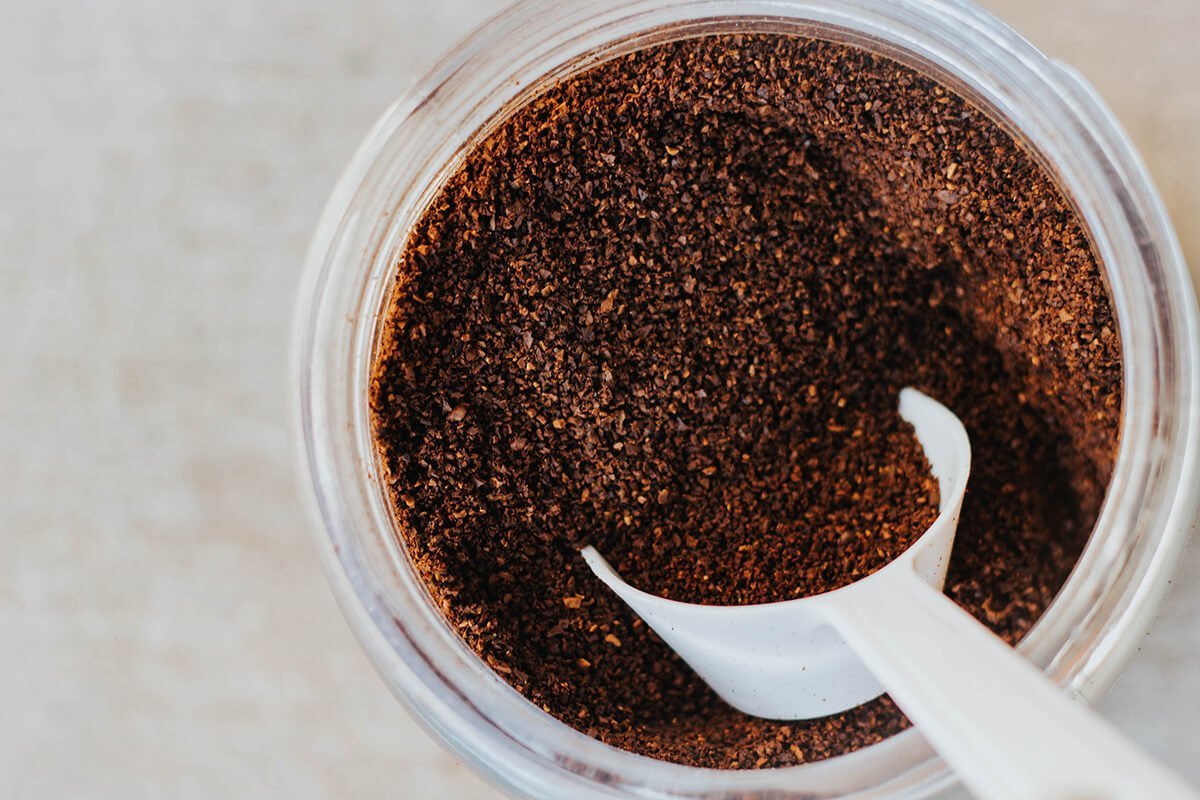
It isn’t normal to have coffee grounds in your coffee, though it often happens due to equipment wear or improper filter use. If you notice sediment in your mug, it means your brewing method is failing to keep fine particles out of the final liquid. Check your filter type and grind size immediately to solve the issue.
When grounds in your coffee are normal

Sediment levels depend entirely on the brewing method you choose. While some methods allow tiny particles, a cup of coffee should generally be clear of large grounds.
| Brewing Method | Normal Sediment | Why |
|---|---|---|
| French Press | High | Metal mesh allows fine particles. |
| Espresso | Low | High pressure forces tiny bits through. |
| Drip Machine | None | Paper filters trap all fine grounds. |
| Pour-over | None | Paper filters catch all silt. |
| Cold Brew | None | Long steep requires double straining. |
| Percolator | Low | Baskets can allow small bits through. |
| AeroPress | None | Paper filters stop all sediment. |
Factors that influence silt buildup
The primary reason for grounds in your cup is a failure in the filtration system. If you use paper filters, they should block almost all solids; if they fail, the filter is likely folded incorrectly or the basket is overflowing. Metal mesh filters, however, are designed to let some oils and fine particles pass, which is why French press coffee feels thicker and contains more sediment than drip coffee.
Another factor is your grind size. If you use a grinder set too fine for your machine, the particles will pass straight through the filter holes. This varies by model — check the label on your coffee bag for the recommended grind for your specific brewer. If you use a grinder that produces uneven results, you’ll always have “fines” that escape even the best filters. If your coffee is too silty, change to a coarser grind; if it’s weak, adjust the dose instead of grinding finer.
Steps for a cleaner cup
- Check your filter fit: Ensure your paper filter sits flush against the sides of the basket and doesn’t fold over, which lets grounds bypass the paper entirely.
- Rinse paper filters: Pour a small amount of hot water through the dry paper filter into the carafe before adding coffee to remove paper taste and ensure a tight seal.
- Adjust the grind size: Switch your grinder to a slightly coarser setting if you find grit at the bottom of your cup, as particles smaller than the mesh will always escape.
- Use a secondary strainer: Pour your finished coffee through a fine-mesh sieve or a fresh paper filter if you’re using a French press to catch the remaining silt.
- Clean your equipment: Scrub the filter basket or metal mesh screen with a soft brush to remove oils and old grounds that prevent a proper seal.
The mistake people make

Many people assume that a small amount of grit is an unavoidable part of brewing at home. This mistake costs you a smooth, clean flavor and leaves a bitter, muddy aftertaste in your mouth. You can avoid this by cleaning your filter basket regularly. According to the National Coffee Association, keeping your brewing equipment clean is essential for removing stale oils and old particles that can ruin the taste of your fresh brew. Always check your filter integrity before every single brew.
When to seek professional repair
- Damaged mesh screens: If your metal filter has visible holes or bent edges, replace it to stop large grounds from entering.
- Cracked baskets: If the plastic housing of your drip machine is cracked, water will bypass the filter entirely.
- Pressure issues: If your espresso machine leaks water from the group head, it may be a failed seal needing a technician.
Frequently asked questions
Is it safe to drink coffee grounds?
Yes, it’s perfectly safe to swallow small amounts of coffee grounds. They’re essentially just roasted, ground coffee beans, which contain fiber and antioxidants, though the texture is often unpleasant and gritty.
How do I stop sediment in French press?
About 90% of sediment is reduced by letting the coffee sit for four minutes before pressing, then pouring slowly. Don’t press the plunger all the way to the very bottom.
Does a finer grind cause more grounds?
Yes, a finer grind increases the number of small particles that can pass through metal mesh filters. If you use a paper filter, a finer grind usually doesn’t cause more sediment.
Why is my coffee muddy?
Muddy coffee happens when your grind is too fine or your filter is torn. Check the paper filter for tears or ensure your metal screen is clean and properly seated in the basket.
Should I use two paper filters?
No, using two filters isn’t necessary and may cause water to overflow the basket. If one filter is letting grounds through, it’s either the wrong size or torn.
Can I filter coffee after brewing?
Yes, you can pour your brewed coffee through a fresh paper filter if you’re unhappy with the amount of sediment. This will remove all fine particles and oils.
How to improve your brew
Photo: www.thespruce.com on Google
Normal have, in short
Start by checking your filter for tears or improper placement before you begin. You should expect a clean, clear cup of coffee if your equipment is working correctly. If you still see grounds, stop and inspect the basket or mesh for damage that requires a replacement part.