
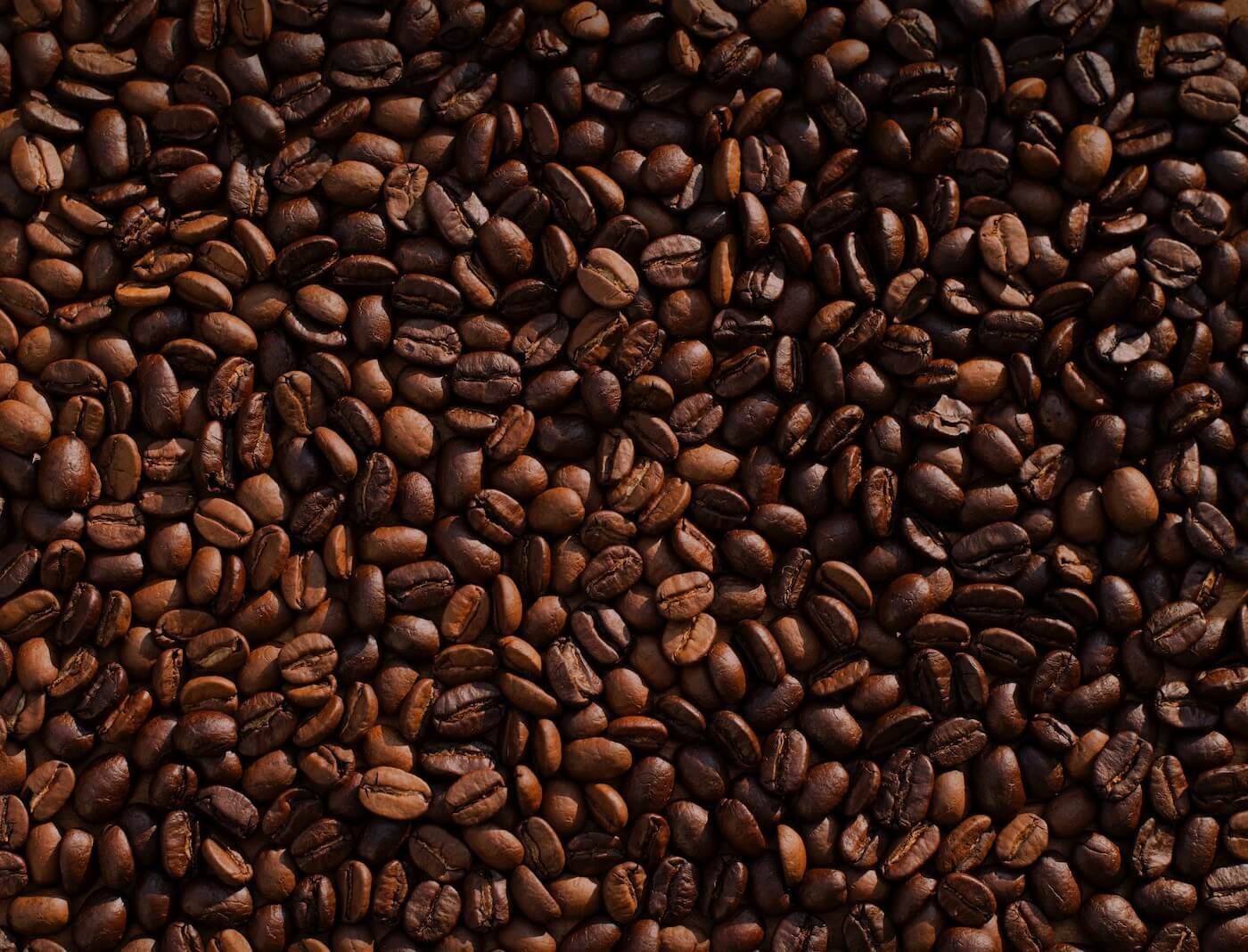
Ground coffee is simply roasted coffee beans that have been crushed into small particles to allow for easier water extraction during brewing. It’s safe to use as long as it has been stored in a cool, dry place. You can check freshness by smelling the grounds; they should have a strong, pleasant aroma.
The meaning of your ground coffee texture
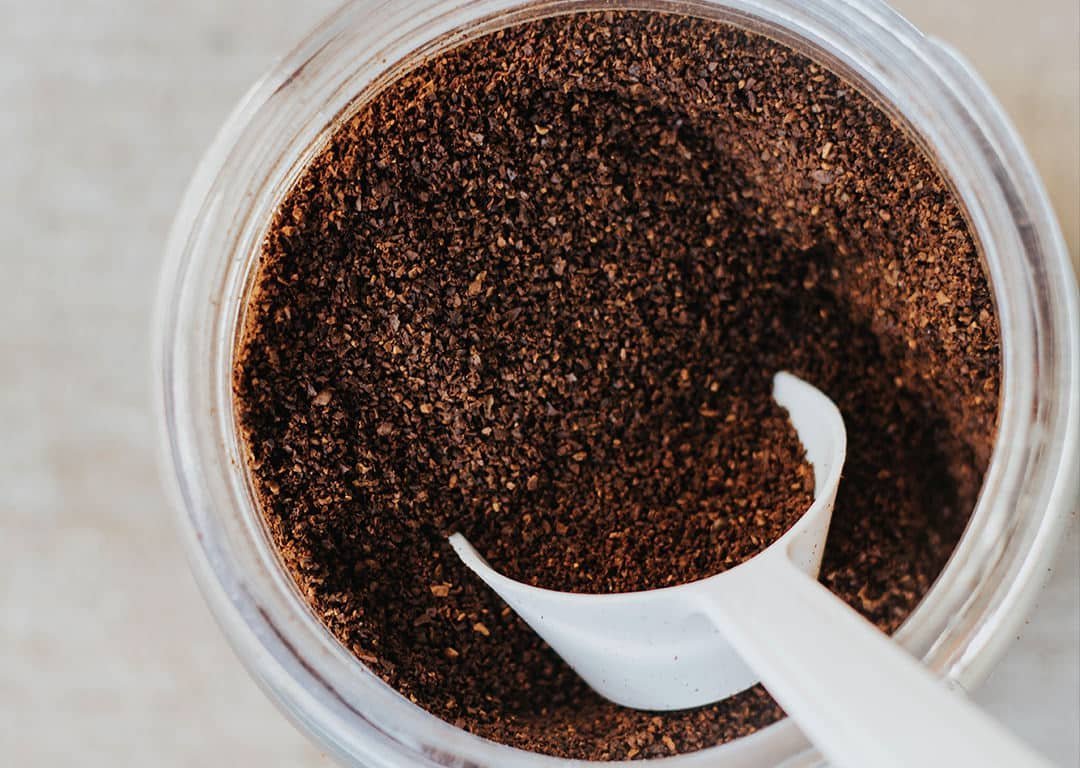
When you look at your coffee, the texture and smell tell you how well it will brew. Different brewing methods require different sizes of particles to get the best flavor.
| What you notice | What it usually means | What to do first |
|---|---|---|
| Sandy, coarse texture | Best for French press | Use for long steeping |
| Fine, powdery texture | Best for espresso machines | Use for fast brewing |
| Dull, flat smell | Coffee is likely stale | Check the roast date |
| Oily surface on grounds | Beans were roasted dark | Clean your equipment often |
| Clumpy, stuck together | Moisture got inside bag | Use a dry spoon |
| Very light brown color | Beans are lightly roasted | Expect higher acidity levels |
Why the particle size matters
The size of your coffee grounds dictates how fast water pulls flavor from the bean. Large, coarse grounds have less surface area, so they need more time in contact with water to release their oils and solids. If you use fine grounds in a French press, the coffee will taste bitter because the water extracts too much, too fast. Conversely, if you use coarse grounds in an espresso machine, the water flows through too quickly, resulting in a thin, sour cup. You can confirm your grind size by rubbing a small pinch between your thumb and finger. A coarse grind feels like sea salt, while a fine grind feels like table salt or flour. Always match the grind to your specific brewer to ensure a balanced, smooth extraction every time.
Why freshness fades over time
Coffee begins to lose its flavor the moment it’s ground because air touches more of the bean’s surface area. Oxygen causes the natural oils in the coffee to oxidize, which changes the chemical profile and leads to a flat or papery taste. While ground coffee is safe to consume long after this flavor peak, the quality drops significantly after about two weeks if the bag remains open. You can check for freshness by looking at the “best by” date on the packaging, as noted in the FoodSafety.gov cold food storage guidance. If your coffee lacks a strong, rich smell when you open the bag, the volatile compounds that create coffee’s signature flavor have already evaporated into the air.
The impact of moisture
Moisture is the enemy of ground coffee because it encourages clumping and can lead to mold growth if the coffee is kept in a humid environment. When water enters the packaging, it causes the grounds to clump and accelerates the degradation of flavor compounds. You can tell if your coffee has been exposed to moisture if the grounds appear stuck together or if the bag feels heavy and soft. If you see white or fuzzy spots, you must throw the coffee away immediately as this indicates biological contamination. If the coffee is just slightly damp but looks normal, it will still brew, but the flavor will be muted and the texture will be inconsistent during the brewing process.
When to stop and discard coffee
- The coffee smells like mildew or damp basement, which indicates mold growth.
- You see physical signs of mold, such as white, grey, or green fuzzy patches.
- The coffee was stored in an open container for over a month, making it prone to absorbing odors from your kitchen.
- The packaging was damaged by pests or insects, creating a risk of contamination.
If you find these signs, don’t attempt to salvage the coffee. Consuming contaminated grounds poses a health risk that simple brewing can’t fix.
Frequently asked questions
Photo: www.youtube.com on Google
Can I grind my own coffee at home?
Yes, you can grind your own beans using a burr or blade grinder. Grinding right before you brew provides the freshest taste because it prevents the flavor compounds from oxidizing in the open air.
How long does ground coffee stay fresh?
Ground coffee stays fresh for about two weeks if stored in an airtight container at room temperature. After this, it remains safe to drink, but the flavor will be noticeably less vibrant and aromatic.
Is it safe to drink coffee that’s months old?
Yes, it’s safe to drink old coffee if it shows no signs of mold or moisture. You’ll likely find the taste is very flat, as the natural oils have oxidized over the many months of storage.
Why does my coffee taste bitter?
Bitter taste often happens when the coffee is ground too fine for your brewing method or if you used water that was too hot. Try a slightly coarser grind or use water just off the boil.
Does the roast type change the meaning of ground coffee?
No, the term refers only to the physical state of the bean. Whether the coffee is a light or dark roast, the process of grinding remains the same to increase the surface area for water.
What happens if I use the wrong grind size?
You’ll get a poor extraction, leading to either sour, weak coffee or bitter, harsh coffee. Always check your brewer manual to see which grind size the manufacturer recommends for that specific model.
Proper storage is the best way to keep your coffee tasting its best. Keep your grounds in an opaque, airtight container away from heat, light, and moisture to preserve the quality of every cup you brew.
Meaning ground, in short
When you’re ready to brew, try experimenting with different grind sizes to see how they change the flavor in your cup. It’s a fun way to discover what you really enjoy. Don’t be afraid to try a new bag from a local shop; you’ll likely find a favorite blend soon.