
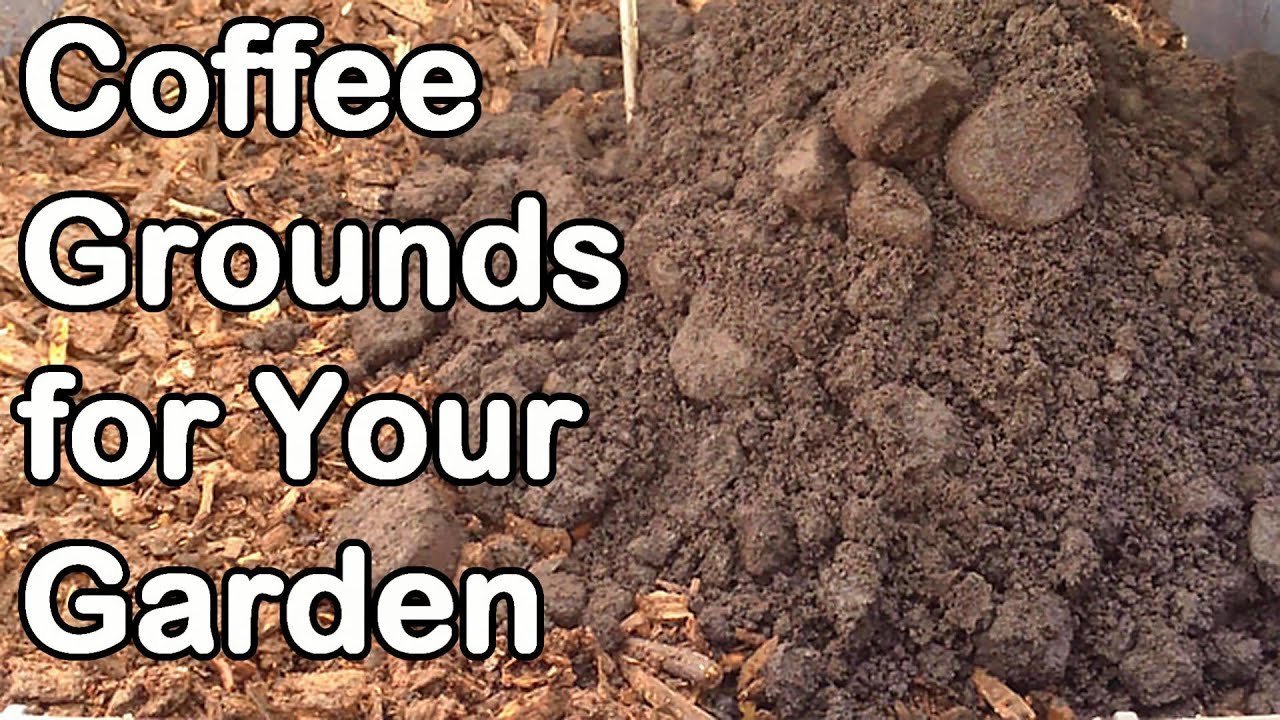
What is coffee grounds meaning is simply the solid, leftover material remaining after brewing hot water through roasted and ground coffee beans. These particles are the spent remains of the coffee extraction process, containing organic fibers, residual oils, and nutrients that no longer contribute significant flavor to your morning cup.
The Science of Extraction
Coffee brewing relies on hot water to pull soluble compounds like caffeine, sugars, and acids out of the beans. Once the water passes through or sits with the beans, these compounds dissolve, leaving behind the insoluble plant matter that becomes your grounds. If you use a coarse grind, water passes quickly, leaving behind more flavor trapped in the grounds. If you use a fine grind, the water extracts more, resulting in drier, more exhausted grounds.
This process is a trade-off between flavor concentration and waste volume. If you extract too little, the grounds remain heavy with sugars; if you extract too much, the grounds are stripped of almost all character.
Understanding what coffee grounds mean
- Empty your filter or press immediately after the coffee is brewed to prevent mold growth in the damp environment.
- Spread the grounds on a tray to air-dry if you plan to save them for garden use or storage.
- Compost the grounds in a bin by mixing them with brown materials like dry leaves to balance the nitrogen content.
- Store unused, dry grounds in an airtight container in a cool, dark cupboard for up to two weeks if you intend to use them for deodorizing.
- Dispose of the grounds in your household waste if they have become moldy or if your local composting rules forbid food scraps.
Tip: Never pour large amounts of grounds directly into a kitchen sink drain, as the dense particles can clump together and cause significant plumbing blockages.
Expected Decomposition Times
| Method | Time to Break Down | Factors that Change It | What to Watch For |
|---|---|---|---|
| Garden Compost | 3 to 6 months | Temperature and moisture | Foul smells or pests |
| Soil Surface | 2 to 4 months | Worm activity and rain | Drying out or crusting |
| Trash Bin | Indefinite | Air exposure | Mold or fruit flies |
If the decomposition is taking longer than six months, ensure you’re turning the pile to increase oxygen flow.
Identifying Proper Texture and State

You can tell if your grounds were used correctly by looking at their consistency and color. Freshly brewed grounds should look dark, clumped, and slightly damp, resembling wet sand. If the grounds look like dry, light-colored dust, your water temperature was likely too low, or the brew time was too short to properly extract the beans. If the grounds appear slimy or muddy, the grind size was likely too fine for your specific brewing device. The ultimate test is the taste of the coffee itself; if the drink is sour or watery, your grounds were under-extracted.
Common Errors in Grounds Management
- Storing wet grounds in a sealed jar: This creates a perfect environment for rapid mold and bacterial growth. Always allow the grounds to dry out completely before placing them in a closed container to avoid spoilage.
- Using grounds on acidic-loving plants without testing: People often assume all plants love coffee, but the acidity varies by roast and bean origin. Check your soil pH levels before adding large amounts of grounds to ensure you don’t harm your specific plants.
- Overloading the garden soil: Adding too many grounds at once can create a hard, hydrophobic crust on top of your garden beds. Spread them in a thin layer and rake them into the topsoil to keep the ground breathable and healthy.
Can coffee grounds be reused for a second cup?
No, you can’t reuse coffee grounds to make a second cup of coffee because the initial brewing process has already extracted the primary flavor compounds. A second pass will only yield a bitter, watery, and unpleasant liquid.
Is it safe to put coffee grounds in the garbage disposal?
No, you should avoid putting coffee grounds in a garbage disposal because they don’t break down like soft food and can settle in the P-trap. This buildup often leads to slow drains and expensive plumbing repairs that require professional intervention to clear.
How do I know if my coffee grounds are moldy?
You can identify moldy grounds by looking for fuzzy white, green, or grey patches on the surface of the pile. If you see any visible growth or smell a musty, off-putting odor, discard the entire batch immediately to prevent spreading spores in your home.
Are coffee grounds acidic or alkaline?
Coffee grounds are generally slightly acidic, though the exact pH level varies by the type of bean and the roast level. You should check the specific soil requirements of your plants before using grounds as fertilizer, as the acidity may not be suitable for every variety.
What happens if I leave coffee grounds in the coffee maker?
Leaving wet coffee grounds in your machine creates a breeding ground for bacteria and mold within 24 hours. Always remove the filter and grounds immediately after brewing to keep your equipment hygienic and prevent unwanted odors from developing in your kitchen.
Coffee grounds are a byproduct of your daily ritual, but they still require careful handling to keep your kitchen clean and your garden healthy. Always prioritize proper drying and disposal to avoid common household issues.
Coffee grounds, in short
Instead of throwing these remnants away, consider mixing them into your garden soil or using them as a gentle scrub for your hands. You’ll find they’re a versatile resource rather than just trash. Give one of these sustainable habits a try this week and see how they can improve your daily routine.