
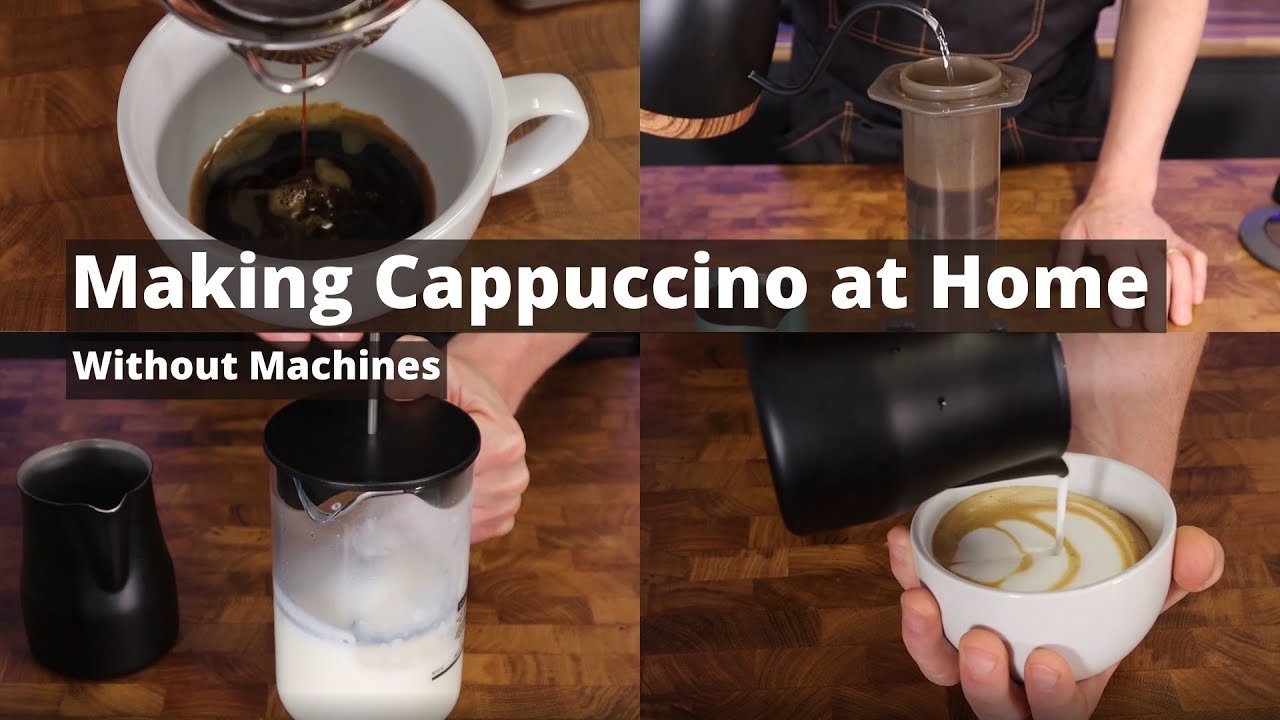
You can brew a rich, balanced cup of coffee at home using basic pantry items like a standard saucepan, mason jar, or paper towel. When an electric drip brewer is out of reach, simple manual extraction methods rely entirely on controlling your water temperature, grind size, and steeping time.
Key Takeaways
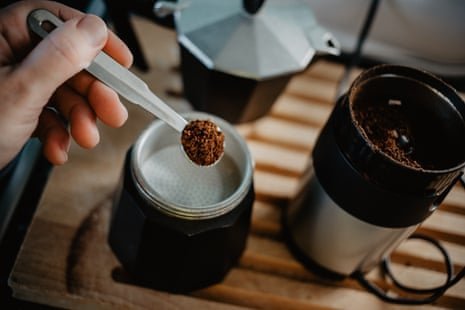
- Ideal water temperature sits just off the boil, between 195°F and 205°F, to prevent scorched coffee.
- Basic kitchen tools such as fine mesh sieves, canning jars, and cheesecloth double as effective brewing filters.
- Steeping time governs flavor: coarse grounds need four to five minutes, while fine grounds extract in under three minutes.
- Water-to-coffee ratio matters most: aim for 1 to 2 tablespoons of grounds for every 6 fluid ounces of water.
Essential Ratios and Temperature Rules
Follow the golden ratio of coffee to water. For a standard mug holding roughly 8 to 10 fluid ounces of liquid, use 2 tablespoons (about 10 to 12 grams) of ground coffee.
Water temperature affects extraction. Boiling water scorches aromatics, yielding a bitter taste.
| Method | Grind Size | Brew Time | Ratio (Coffee : Water) |
|---|---|---|---|
| Cowboy Coffee | Coarse | 4–5 minutes | 2 tbsp : 8 oz |
| Mason Jar Steep | Medium-Coarse | 4 minutes | 2 tbsp : 8 oz |
| DIY Pour-Over | Medium | 3 minutes | 2 tbsp : 6 oz |
| Cold Brew Jar | Extra Coarse | 12–18 hours | 1 cup : 4 cups |
| Microwave Brew | Medium | 2–3 minutes | 2 tbsp : 8 oz |
The Cowboy Coffee Saucepan Method
The saucepan technique—historically known as cowboy coffee—produces a robust, full-bodied cup using just a small pot and heat.
- Measure 8 to 10 ounces of tap or filtered water into a small pot and bring it to a rolling boil.
- Remove the pot from the stove burner and rest it for 40 seconds.
- Stir in 2 rounded tablespoons of coarsely ground coffee beans.
- Allow the grounds to steep undisturbed for a total of 4 minutes.
- Splash 1 to 2 tablespoons of cold water onto the surface of the brew. The rapid temperature shift forces floating particles to sink rapidly to the bottom.
- Slowly decant the liquid into your mug, stopping before the muddy coffee grounds slide over the lip.
Pro Tip: Pour your coffee in a continuous, smooth motion without tilting the pot back upright halfway through, which churns settled sludge back into the liquid.
Mason Jar Immersion Brewing
Immersion brewing works like a French press.
Combine 2 tablespoons of medium-coarse grounds with 8 ounces of hot water inside the jar. Stir to saturate all grounds, then cover loosely. Let it steep for 4 minutes.
To separate the liquid, set an unbleached paper filter, paper towel, or clean cotton cloth across the mouth of a mug. Pour the infused liquid slowly through the fabric.
Makeshift Pour-Over With Paper Filters

A makeshift drip setup yields a noticeably cleaner cup with fewer residual fines. Take a standard conical paper filter—such as those made by Melitta—or a durable, unbleached sheet of kitchen paper towel. Fold the paper into an inverted cone shape.
Rest the paper cone inside a wire mesh kitchen strainer, placing the strainer directly over a ceramic mug. Rinse the paper with warm water to remove woody flavors, then empty the cup. Add 2 tablespoons of medium-ground coffee to the paper cone. Pour hot water in slow, circular motions, pausing to let it drain.
Strainer and Filter Substitutes
If you lack conventional paper filters, several standard household textiles and tools step in to clarify your brew.
- Flour sack towels: Lint-free woven cotton sheets that strain sediment without imparting chemical or bleach flavors.
- Cheesecloth layers: Layering grade-90 cotton mesh 4 to 6 times catches gritty particles while letting natural coffee oils pass.
- Reusable tea strainers: Fine metal meshes made by brands like OXO filter coarse grinds, though smaller silt will pass into the cup.
- Clean handkerchiefs: Natural, un-dyed cotton fabrics secure well over jar openings using a standard rubber band.
Warning: Never use scented paper towels, dyed fabric scraps, or dryer sheets to strain warm beverages, as hot water leaches toxic chemicals and synthetic fragrance directly into your drink.
How to Make Concentrated Cold Brew
Cold extraction uses long contact hours to pull smooth, low-acid flavors out of coarse beans.
Stir 1 cup of coarsely ground coffee into 4 cups of cool, filtered water in an airtight glass pitcher. Seal the container and place it inside your refrigerator or on a cool countertop for 12 to 18 hours. Strain the liquid through a fine cloth into a clean carafe. Because this process yields a rich cold brew concentrate, dilute the finished beverage with equal parts cold water, dairy milk, or ice before drinking.
Troubleshooting Weak or Bitter Coffee
Unbalanced coffee results from improper timing or grind size.
| Problem | Root Cause | Practical Fix |
|---|---|---|
| Bitter, harsh bite | Over-extraction; water was boiling | Cool water 45 seconds; shorten steep by 1 minute |
| Sour, watery body | Under-extraction; water was too cool | Use hotter water; steep 1 minute longer |
| Excessive silt in mug | Grind too fine for filter method | Coarsen the grind; decant slowly |
| Muddy paper taste | Dry paper filter fibers | Pre-rinse filter paper with hot tap water |
Hot water releases carbon dioxide, known as the coffee bloom. Pour 2 ounces of water and wait 30 seconds to release gas.
Safe hydration guidelines outlined by the Centers for Disease Control and Prevention emphasize plain water and unsweetened beverages as foundational daily choices, making black home-brewed coffee an easy fit for a balanced lifestyle.
Frequently Asked Questions
Can I brew ground coffee like loose leaf tea?
Yes. You can place medium-coarse grounds directly into a reusable cotton tea bag or stainless steel infuser ball. Submerge it in 200°F water for 4 to 5 minutes, moving it gently before pulling it out.
Can I heat water in a microwave for coffee?
Yes. Fill a microwave-safe ceramic mug with water and heat it on high for roughly 90 to 120 seconds. Check that it reaches near 200°F. Stir in your coffee grounds, steep for 3 minutes, and strain into a second mug.
What is the best kitchen substitute for a coffee filter?
A clean, untreated 100% cotton dish towel or a double-layered paper towel serves as the most effective stand-in. These materials trap tiny suspended fines without collapsing, ensuring your brewed coffee remains clear and free of gritty sludge at the bottom.
Is instant coffee made using the same method?
No. Instant coffee consists of pre-brewed, dehydrated coffee granules that dissolve instantly in liquid without leaving spent grounds behind.
Grab a small saucepan, measure two tablespoons of your favorite coffee, and start heating your water right now to enjoy a fresh, machine-free cup in under five minutes.