
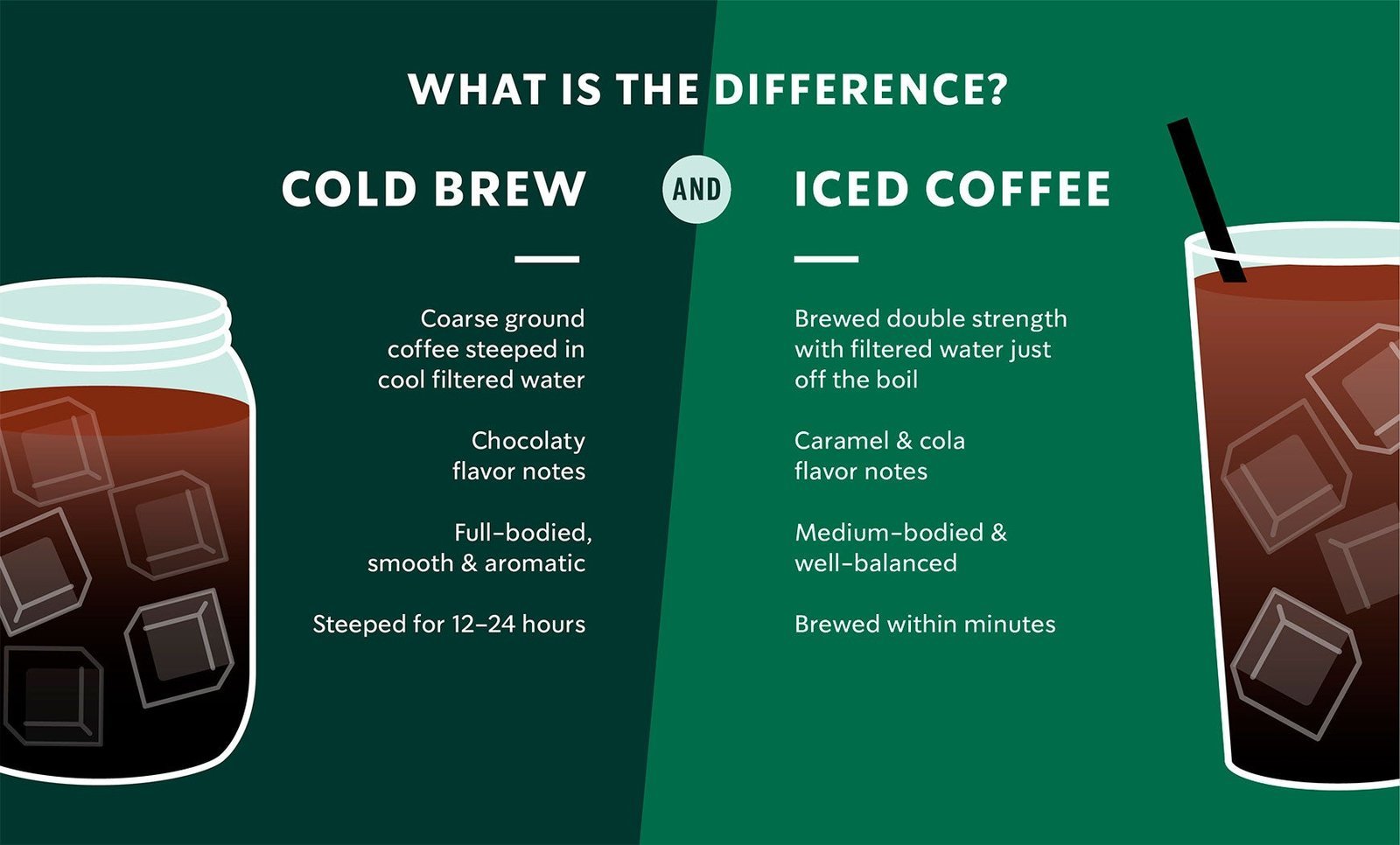
The difference between cold brew and regular coffee lies primarily in the extraction process, as cold brew relies on time rather than heat to draw flavor from the beans. While regular coffee uses hot water to extract compounds quickly, cold brew uses room-temperature or cold water over an extended duration, usually twelve to twenty-four hours. This fundamental distinction alters the chemical profile of the final beverage, resulting in a distinct flavor and acidity level.
Key Takeaways
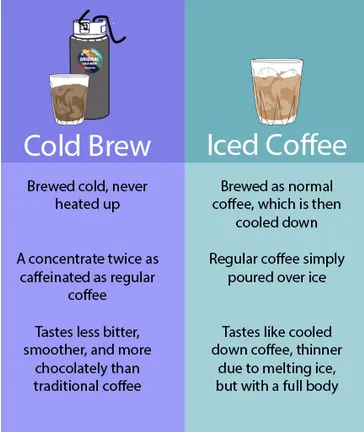
- Cold brew is consistently less acidic than hot-brewed coffee, making it gentler on sensitive stomachs.
- The caffeine content in cold brew concentrate is typically higher than in regular coffee due to the high coffee-to-water ratio.
- Regular coffee offers a wider range of volatile aromatics that are lost in the slower cold-brewing process.
- You can store cold brew concentrate in the refrigerator for up to two weeks without significant flavor degradation.
- Always use a coarse grind for cold brew to prevent over-extraction and a muddy texture in your final cup.
What Is The Difference In Chemistry?
The chemical reaction during brewing is dictated by temperature. Hot water is an aggressive solvent that rapidly pulls oils, acids, and bitter compounds from the grounds. Cold water is a gentle solvent, leaving behind many of the harsher, more acidic compounds that heat would otherwise release. According to research from the National Coffee Association of USA, the temperature-time relationship is the most critical variable in determining the final acidity and bitterness of your morning beverage.
| Feature | Regular Coffee | Cold Brew |
|---|---|---|
| Water Temp | 195°F – 205°F | 35°F – 70°F |
| Brew Time | 3 – 5 minutes | 12 – 24 hours |
| Acidity | High | Low |
| Flavor Profile | Bright, complex, aromatic | Smooth, chocolatey, mellow |
How Does Flavor Compare?
Regular coffee provides a “bloom” of aromatics that hit your nose immediately upon brewing, thanks to the heat-activated release of gases. Cold brew lacks this intense initial aroma, but it makes up for it with a velvety mouthfeel and a natural sweetness. Because the process avoids the high heat that causes oxidation, the resulting drink is often described as having notes of dark chocolate, nuts, or caramel.
Understanding Caffeine Content
Many drinkers assume cold brew is weaker because of its mellow taste, but it’s often significantly more potent. Because cold brew is made as a concentrated extract, it uses a much higher ratio of coffee grounds to water than a standard drip machine. Once you dilute the concentrate with water or milk, the final caffeine content depends entirely on your specific dilution ratio.
Essential Brewing Equipment
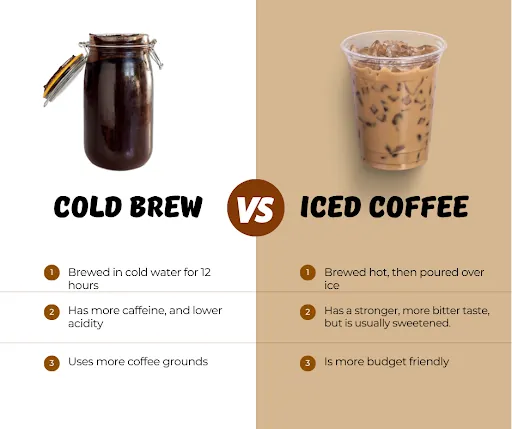
To make each method at home, you need specific tools designed for the extraction process. For regular coffee, you might use a standard drip machine or a pour-over cone. For cold brew, you need a vessel that allows for a long soak.
- French Press: Excellent for cold brew due to the built-in metal filter.
- Drip Coffee Maker: The standard for quick, hot morning cups.
- Mason Jar: A simple, low-cost option for steeping cold brew.
- Paper Filters: Essential for removing fine sediment from hot coffee.
Which Method Is Healthier?
If you suffer from acid reflux or heartburn, cold brew is generally the better choice. The lower acidity level makes it significantly easier for many people to digest. However, regular coffee contains more antioxidant compounds that are only released at higher temperatures. Both methods are healthy when consumed in moderation, but the choice often comes down to your personal digestive comfort rather than nutritional superiority.
Troubleshooting Your Brew
- Warning: Don’t grind your beans too finely for cold brew, or the resulting liquid will be gritty and impossible to filter properly.
- Pro Tip: If your cold brew tastes bitter, you have likely left it steeping for too long; try reducing the time by two hours.
- Pro Tip: Always use fresh, filtered water for both methods, as coffee is 98 percent water.
| Troubleshooting Issue | Cause | Solution |
|---|---|---|
| Bitter Cold Brew | Over-extraction | Shorten brew time |
| Weak Hot Coffee | Too little grounds | Increase ratio |
| Cloudy Cold Brew | Fine sediment | Use double paper filter |
Proper Storage Requirements
Photo: www.reddit.com on Google
Regular coffee begins to lose its peak quality within twenty minutes of brewing as it oxidizes. Cold brew is much more resilient. You can store a batch of concentrate in an airtight glass container in your refrigerator for up to fourteen days. This makes it an ideal choice for people who want to save time during busy work mornings.
Frequently Asked Questions
Can I drink cold brew hot?
Yes, you can absolutely heat up your cold brew concentrate. Simply dilute it with boiling water instead of cold water or ice. It will retain its signature low acidity and smooth flavor profile even when served hot. Many people prefer this method because it provides a gentler cup of coffee that doesn’t lose its flavor profile as it cools down in the mug.
Is cold brew just iced coffee?
No, they’re fundamentally different. Iced coffee is regular hot coffee that has been brewed and then cooled down or poured over ice. This often results in a diluted, acidic, and bitter beverage. Cold brew is brewed with cold water from the start, which prevents the extraction of the harsh, acidic compounds found in traditional hot-brewed coffee, resulting in a much smoother final taste.
Does cold brew have more caffeine?
It depends on how much you dilute the concentrate. Because cold brew uses a much higher ratio of coffee to water, the undiluted extract is very high in caffeine. However, most people mix it with water, milk, or ice. If you use a 1:1 ratio, your cold brew will likely be significantly more caffeinated than an equal volume of standard drip coffee.
What beans work best for cold brew?
Darker roasts typically perform best for cold brew. The long, slow extraction process highlights the chocolatey, nutty, and caramel notes common in medium-to-dark roasts. Lighter, fruit-forward roasts are often better suited for hot pour-over methods, as the heat is required to properly extract the delicate, acidic, and floral notes that would otherwise remain trapped in the beans during a cold-water soak.
Conclusion
If you’re looking to switch up your daily routine, start by preparing a small batch of cold brew tonight using a simple French press. Steep your coarse grounds for sixteen hours, strain them thoroughly, and store the concentrate in your fridge. Tomorrow morning, dilute it with equal parts water or milk to experience the smooth, low-acid difference yourself.