
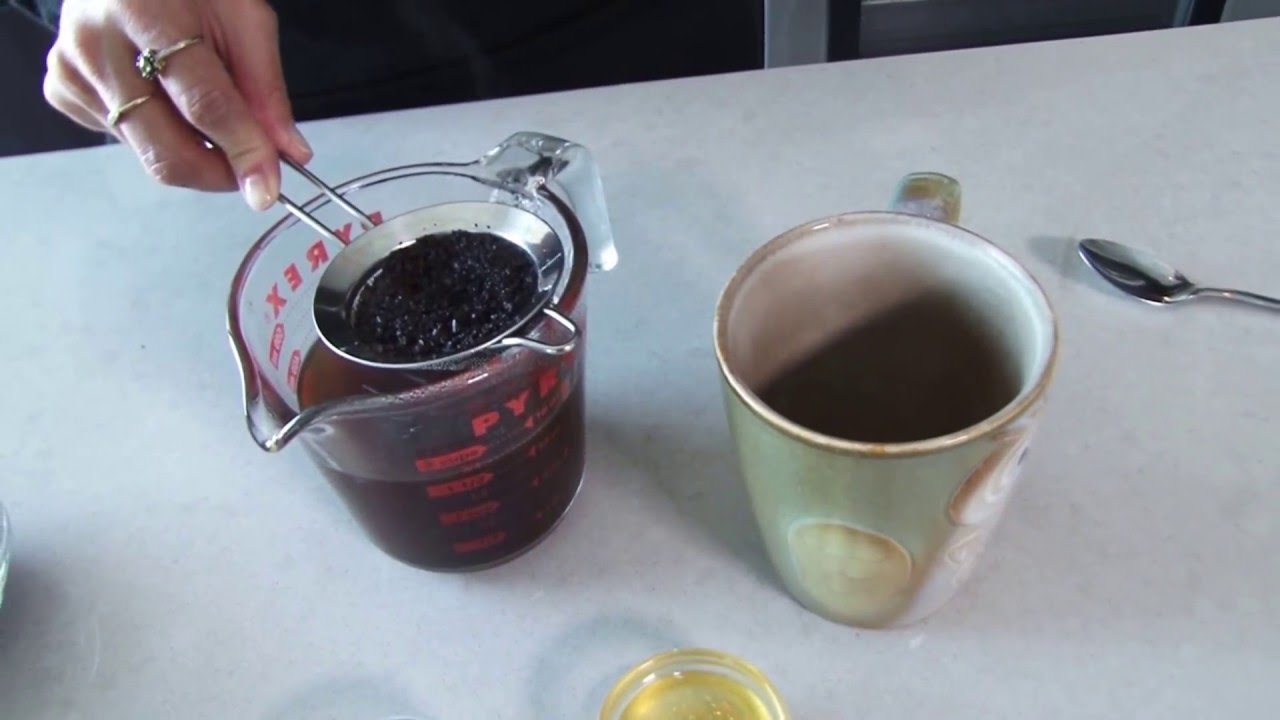
Brewing coffee without a coffee machine takes about 5 minutes using a simple immersion method.
Essential tools for manual brewing
| Item | How much | Why it’s needed | A substitute |
|---|---|---|---|
| Coffee beans | 2 tablespoons | Provides the flavor | Pre-ground coffee |
| Hot water | 10 ounces | Extracts the caffeine | none — don’t swap this |
| Large mug | 1 vessel | Holds the liquid | Heat-proof glass jar |
| Metal spoon | 1 unit | Stirs the mixture | Heat-proof spatula |
| Fine-mesh sieve | 1 unit | Removes the grounds | Clean cotton cloth |
Preparation before you start
- Empty your mug of any previous contents and ensure it’s dry.
- Switch off your electric kettle once the water reaches the boiling point.
- Move any clutter away from your workspace to avoid spills while pouring.
- Cover your counter with a towel to catch accidental drips during the process.
- The most common mistake is using water that’s too cold, which results in weak, sour coffee; the National Coffee Association recommends water between 195°F and 205°F for optimal extraction.
Steps to brew your coffee
- Grind 2 tablespoons of whole coffee beans into a coarse, sandy texture, which ensures the water passes through the filter easily without leaving too much grit behind.
- Heat 10 ounces of fresh water in a kettle until it reaches a gentle boil, then remove it from the heat source and wait 30 seconds to reach the ideal temperature.
- Place the ground coffee into the bottom of your empty, clean mug to prepare it for the hot water extraction process.
- Pour the 10 ounces of hot water directly over the coffee grounds, ensuring all particles are fully submerged to start the brewing process evenly.
- Stir the mixture gently with your metal spoon for 10 seconds to ensure the water and grounds are well incorporated for a balanced flavor profile.
- Let the coffee steep undisturbed for 4 minutes, which allows enough time for the water to dissolve the coffee oils and soluble compounds fully.
- Place your fine-mesh sieve over a second clean mug or a heat-proof pitcher to prepare for the filtration stage.
- Pour the brewed coffee slowly through the sieve, catching all the grounds and leaving only the smooth, dark liquid in your serving vessel.
- Check the bottom of the mug for sediment; if you see too much grit, pour the liquid through a second time using a fresh, damp cloth.
How to know your coffee is ready

The coffee is ready when the liquid appears dark and uniform in color. If the liquid looks pale or thin, it likely needed more steeping time or a finer grind size. You can verify the strength by looking for a deep, rich brown hue. If the coffee tastes bitter, the grind may be too fine or the water temperature too high. If it tastes watery, you may need a finer grind or hotter water.
Troubleshooting your brew
| What happened | Why | What to do |
|---|---|---|
| Coffee is too bitter | Over-extracted grounds | Use less coffee next time |
| Coffee is too sour | Under-extracted grounds | Steep for 1 minute longer |
| Too much grit | Filter was too coarse | Use a tighter woven cloth |
| Coffee is cold | Mug wasn’t pre-warmed | Rinse mug with hot water |
| Weak flavor | Water was too cold | Wait for boiling point |
How often to brew by hand
You should perform this manual brewing method as often as you want a single cup of fresh coffee. The frequency depends mostly on your daily caffeine needs and your available time, as this method is slower than using an automated machine. If you’re brewing for a group, you’ll need to repeat these steps for every serving, which is the main limit of this manual approach.
Frequently asked questions
Can I use tap water for this?
Yes, you can use tap water, but it must be cold and filtered to ensure the best flavor. If your local water has a strong chlorine taste, it will change the profile of your coffee significantly.
Is it safe to leave grounds in the mug?
It’s safe, but you should remove them to stop the brewing process. If you leave the grounds in the liquid for more than 10 minutes, the coffee will become overly bitter and unpleasant to drink.
How long does the coffee stay hot?
The coffee stays hot for about 15 minutes in a standard ceramic mug. If you want it to stay hot longer, use a pre-warmed, insulated travel mug or cover the top with a small saucer.
What happens if I use boiling water?
Boiling water at 212°F can scorch the coffee grounds and create a burnt taste. Always wait 30 seconds after the boil to ensure the water temperature drops into the recommended range for brewing.
Does it matter what grind I use?
It matters because a grind that’s too fine will clog your sieve, while a grind that’s too coarse will result in weak, flavorless coffee. Aim for a texture similar to coarse sea salt.
How much coffee is too much?
The limit is 3 tablespoons per 10 ounces of water, as anything more will likely result in an extremely bitter cup. Start with 2 tablespoons and adjust based on your own preference for strength.
Conclusion
The quality of your final cup depends heavily on the freshness of the beans you choose. Always store your coffee in an airtight container away from direct sunlight to maintain the flavor until you’re ready to brew your next cup.