
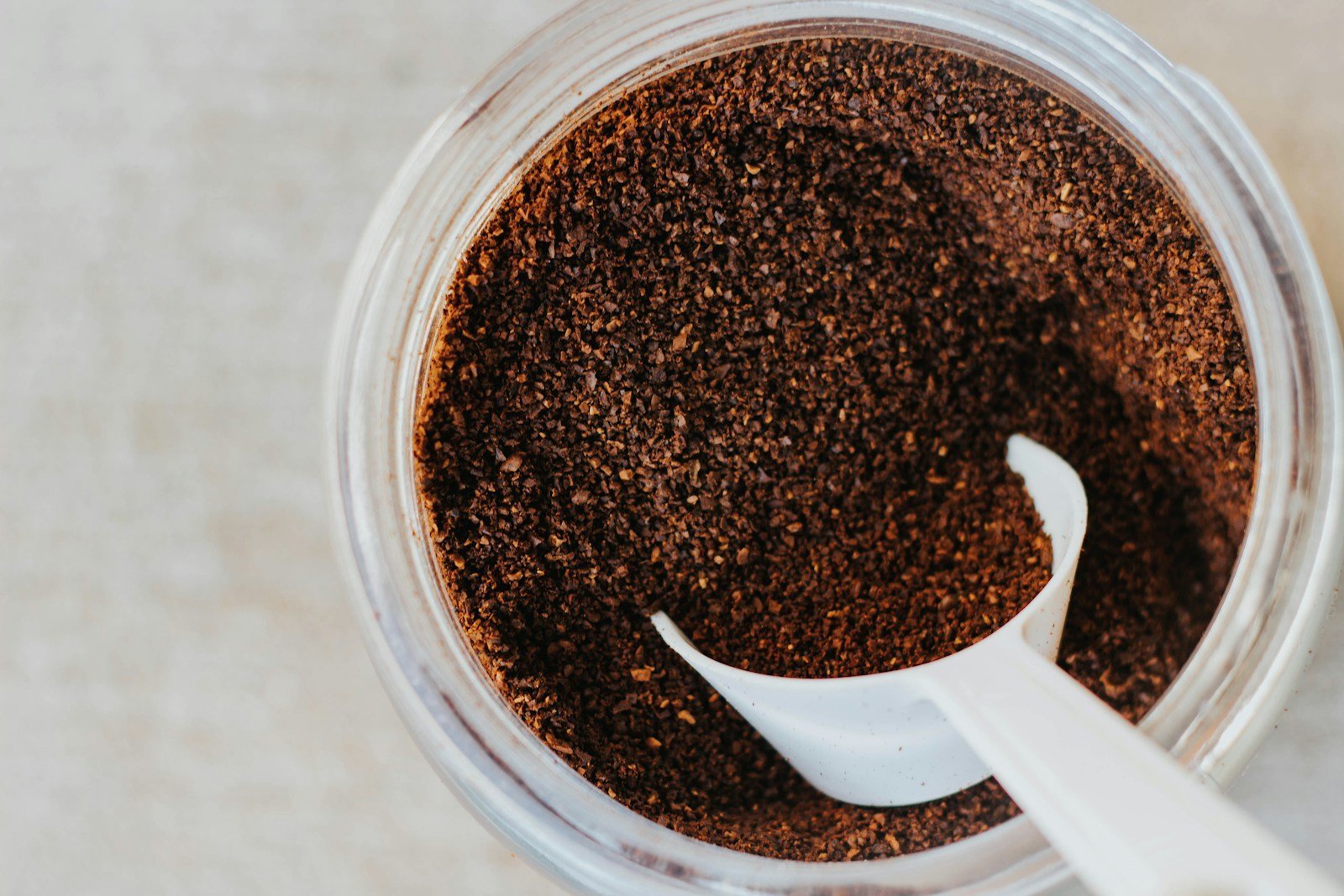
Yes, you can drink coffee with grounds in it without any risk to your health, though it will change the experience significantly. Because the grounds are simply roasted and ground coffee beans, they’re safe to ingest, but you should expect a gritty texture and a much stronger, bitter flavor.
When to drink coffee grounds
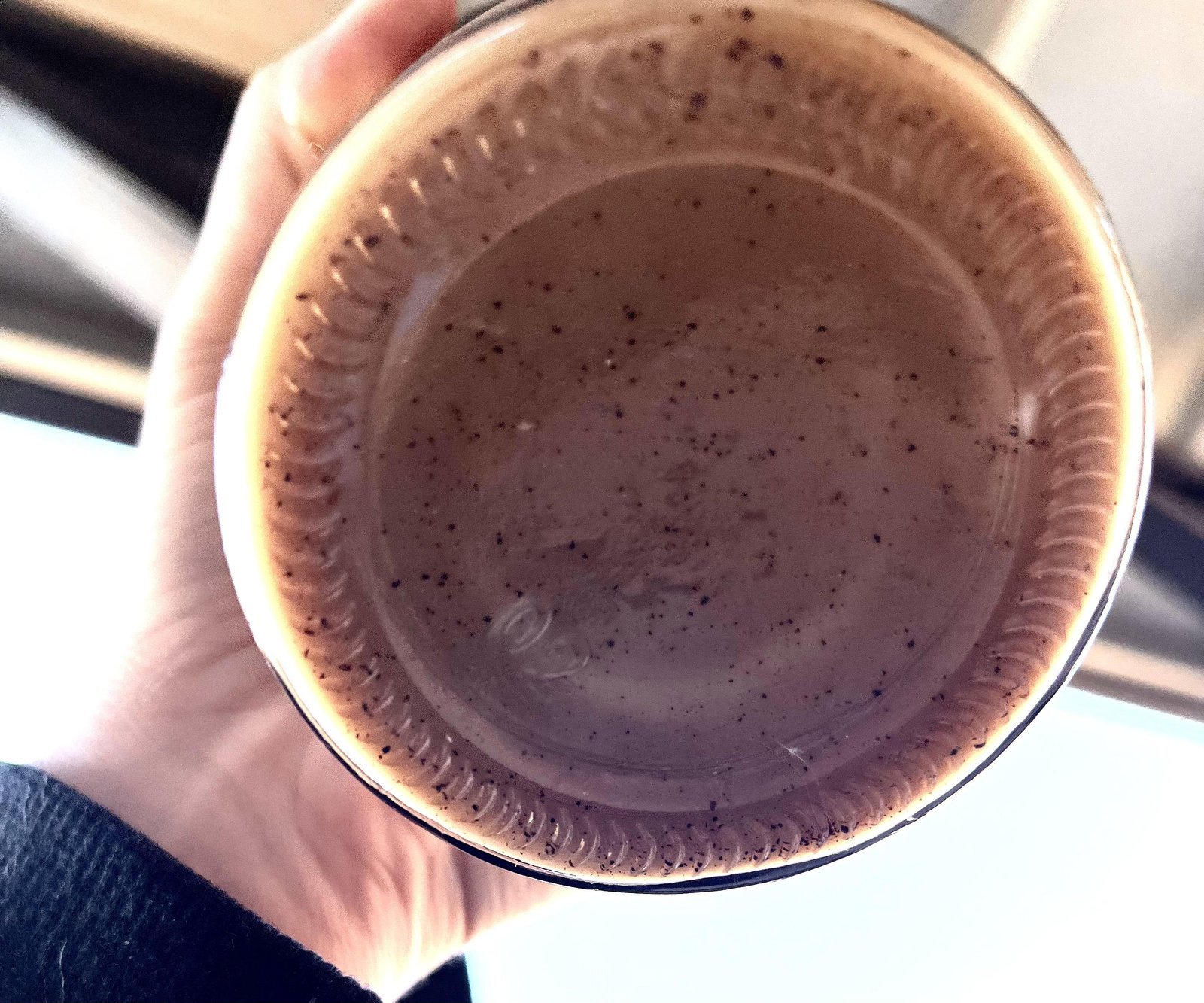
You should choose whether to strain your coffee based on the brewing method and your personal preference for texture. While a few stray particles are common in many manual brewing setups, a mouthful of sludge is usually considered a mistake.
| Brewing Method | Grounds Level | Drinkable? | Why |
|---|---|---|---|
| French Press | Low | Yes | Standard for this method |
| Turkish Coffee | High | Yes | Intentionally brewed this way |
| Drip Machine | None | No | Indicates a broken filter |
| Espresso | Very Low | Yes | Expected in some cultures |
| Cold Brew | Moderate | Yes | Usually filtered for clarity |
| Pour Over | None | No | Filter should catch all |
The impact of unfiltered sediment
The decision to drink grounds comes down to the physical texture and the release of oils. Coffee grounds are essentially insoluble plant fiber, which passes through your digestive system without being broken down. While they’re safe, the presence of grounds means the coffee continues to extract as it sits, which can make the cup taste increasingly bitter or astringent over time. While coffee itself is shelf-stable, any added perishables like milk or cream must be handled carefully to prevent bacterial growth. If you prefer a clean finish, the grit is a flaw; if you enjoy the traditional intensity of unfiltered methods, the grit is part of the profile. If you dislike the texture, you must use a finer mesh or paper filter; if you crave the body, you should accept the sediment as part of the brew.
Proper filtering techniques
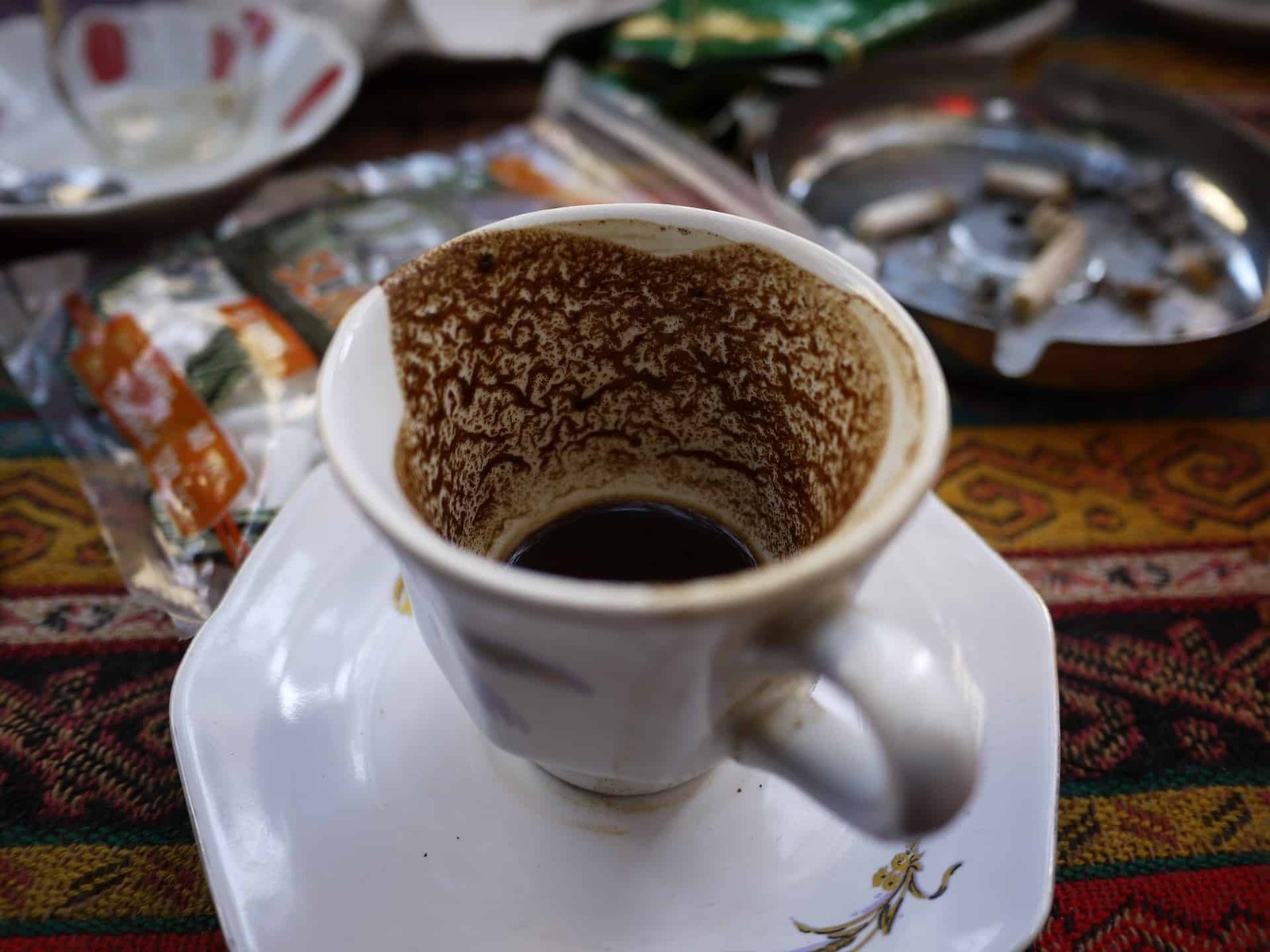
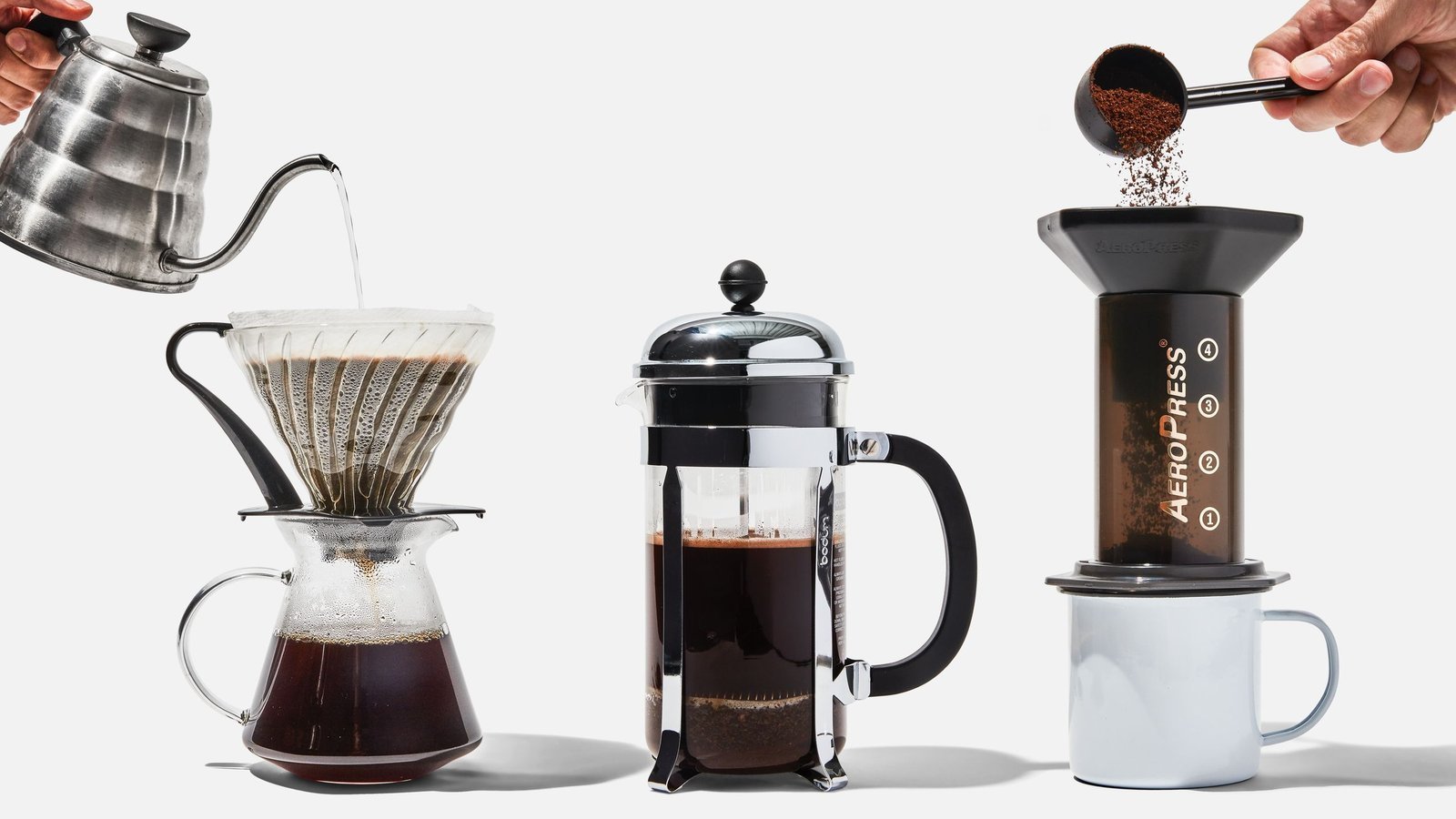
If your goal is a smooth cup without any sediment, follow these steps to ensure your filter is working correctly.
- Check the filter fit: Ensure your paper or metal filter is seated flush against the walls of the brewer. A gap allows grounds to bypass the filter entirely and land in your mug.
- Pre-rinse paper filters: Pour a small amount of hot water through the paper filter before adding coffee. This removes any paper taste and helps the filter stick to the sides of the basket.
- Use the correct grind: Match your grind size to your machine; a grind that’s too fine for a standard drip machine will clog the filter and cause overflow.
- Clean the basket regularly: Remove old oil buildup from the mesh or plastic basket walls. These oils can cause grounds to stick and eventually fall into your next brew.
- Wait for the drip: Allow the brewing cycle to finish completely before removing the carafe. This prevents the final, most sediment-heavy drops from ending up in your cup.
The common filtering mistake
The most frequent error is using a grind size that’s too fine for the specific filter type, such as using espresso-fine grounds in a standard drip machine. This causes the water to pool and overflow the filter basket, washing a large amount of grounds directly into the pot. This ruins the clarity of the entire batch and creates a muddy, unpleasantly bitter drink that most people find undrinkable.
Signs of a brewing failure
- Excessive sludge: If the bottom of your cup contains more than a teaspoon of grounds, your filter is likely torn or poorly seated.
- Bitter, chalky taste: This indicates that the grounds have been over-extracted, which happens when they sit in the water too long.
- Water overflow: If you see grounds on the outside of the filter basket, the coffee was ground too finely for your equipment.
Frequently asked questions
Is it safe to swallow coffee grounds?
Yes, it’s perfectly safe to swallow coffee grounds. They’re food-grade plant material and will simply pass through your digestive system as fiber without causing you any harm or health issues.
Why is my coffee so gritty?
Your coffee is gritty because your filter is either bypassed, torn, or not fine enough for the grind size you’re using. Check your paper filter for rips or ensure your mesh filter is clean.
Does drinking grounds make the coffee stronger?
No, it doesn’t make the caffeine content higher, but it does make the flavor more intense. The grounds continue to release oils and bitter compounds into the liquid, which changes the profile significantly.
Can I fix coffee that has grounds in it?
Yes, you can fix it by pouring the coffee through a fine-mesh sieve or a fresh paper filter into a new mug. This will remove the sediment and provide a much smoother texture.
Why do some people drink unfiltered coffee?
Some people drink it because traditional methods like French Press or Turkish coffee rely on the oils and fine particles to create a heavy body and specific, intense flavor profile that paper filters remove.
How long can I keep coffee with grounds in it?
You should drink it within an hour or two. Because the grounds stay in the liquid, the coffee will continue to extract and become extremely bitter and astringent if left to sit for longer.
Drink coffee, in short
To ensure a smooth cup, always check your filter for tears before you begin brewing. If the coffee still contains significant sediment after following these steps, your filter mesh may be damaged and require a replacement. Stop brewing if you notice structural damage to your equipment.