
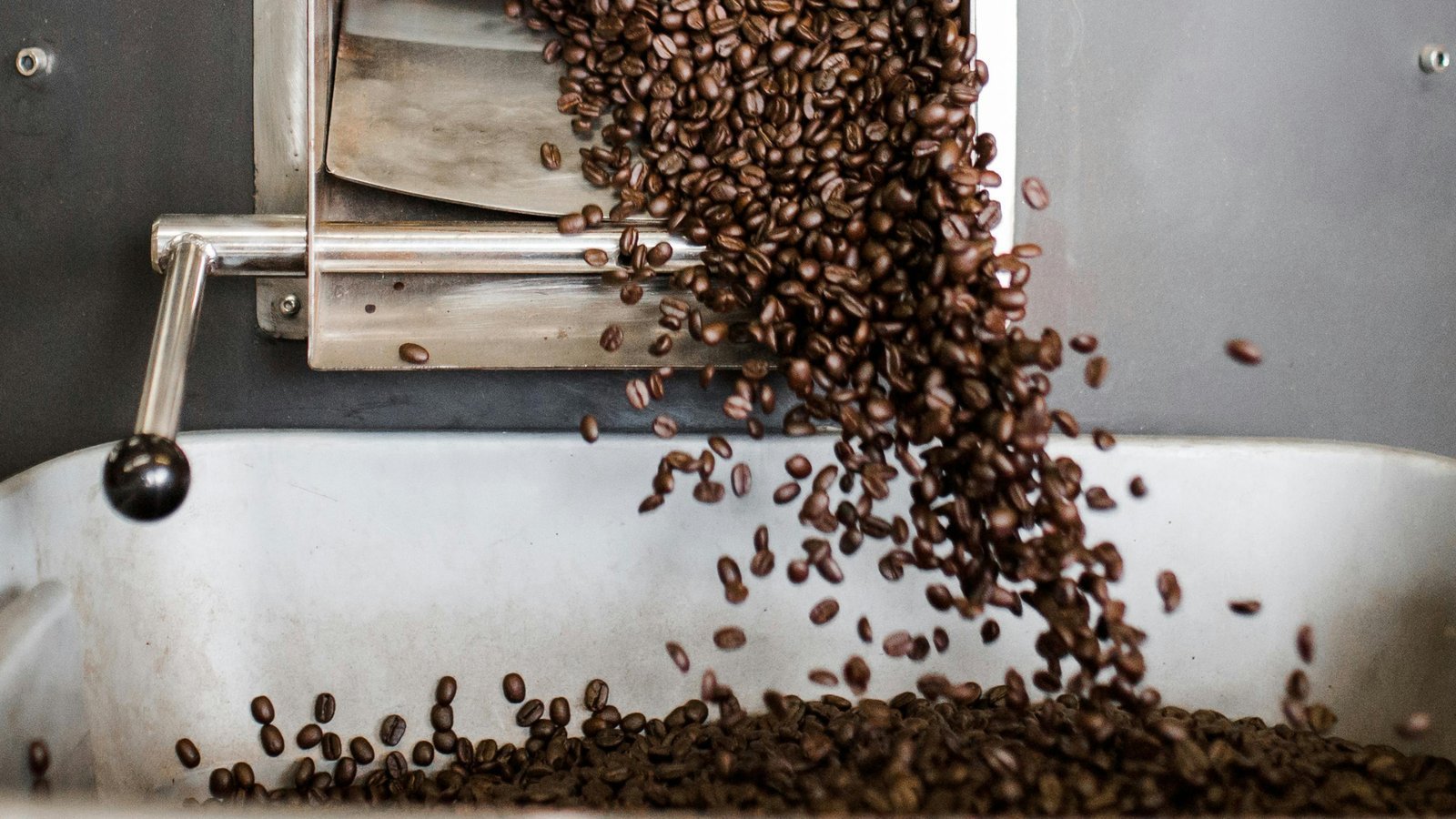
If you are asking what is a good medium roast coffee, it is a balanced cup that highlights natural bean flavors with a mild, caramelized sweetness. These brown, dry-surfaced beans offer a middle ground between bright acidity and deep bitterness.
The secret to a great cup is the freshness of the roast date. Coffee begins to lose its volatile aromatics within weeks of being roasted. The most common mistake people make is buying coffee from a grocery store shelf without checking the roast date on the bag. If that date is more than a month old, you’re likely drinking stale coffee that has already lost its complex flavor profile.
Brewing your medium roast coffee
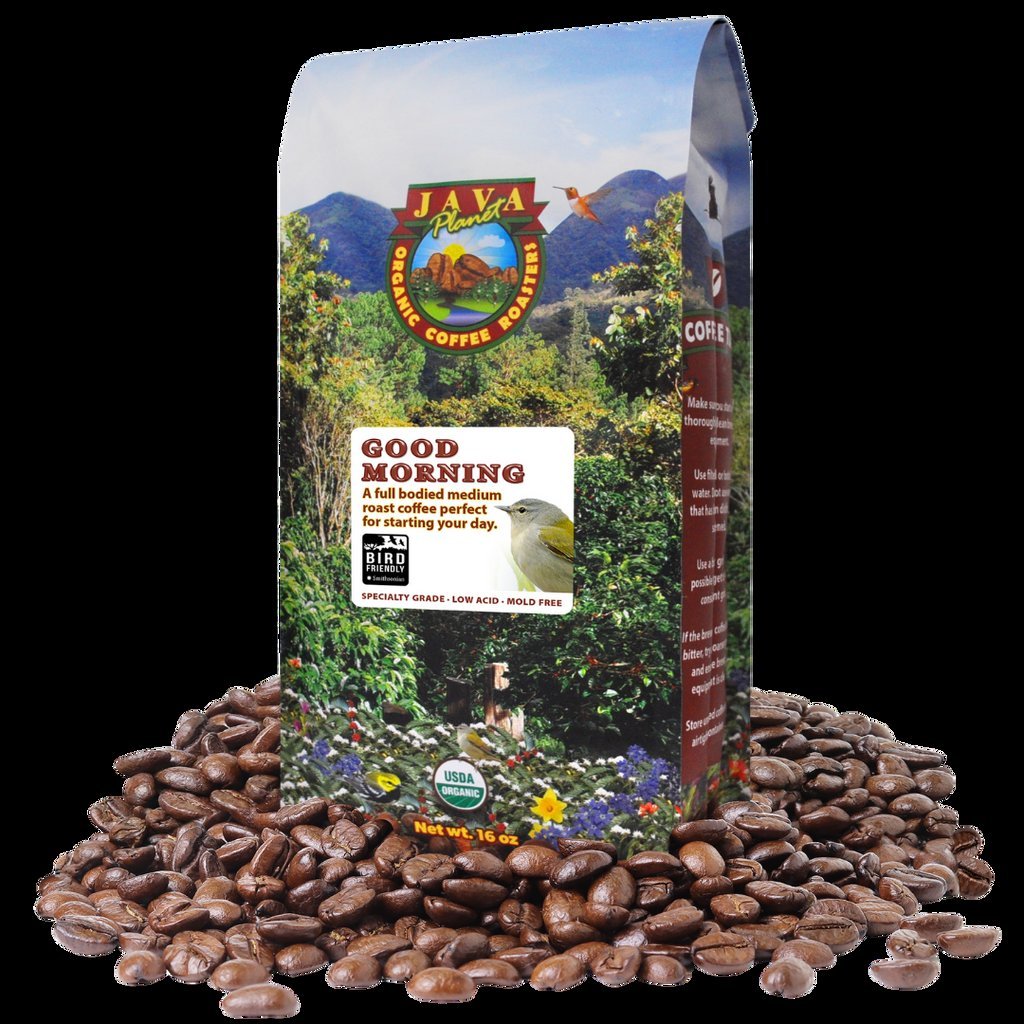
- Measure 2 tablespoons of freshly ground medium roast coffee for every 6 ounces of filtered water to maintain a standard strength.
- Heat your water to a temperature between 195°F and 205°F, as stated in the National Coffee Association brewing guidelines for optimal extraction. Tip: Using boiling water can lead to over-extraction, which may result in a harsh, bitter taste.
- Pour a small amount of water over the grounds to let them bloom for 30 seconds, which helps release trapped carbon dioxide.
- Add the remaining water in a steady, circular motion to ensure all grounds are evenly saturated.
- Wait for the brew to finish dripping through the filter, which usually takes between 3 and 4 minutes depending on your specific device. Tip: If the coffee tastes too watery, use a finer grind setting next time to slow down the water flow.
- Serve the coffee immediately, as it begins to develop an off-flavor if left on a burner for more than 20 minutes.
How long it takes
The total time depends on your chosen method and the volume of coffee you’re preparing for your morning routine.
| Method | Prep time | Brew time | Total time |
|---|---|---|---|
| Pour-over | 2 minutes | 3 minutes | 5 minutes |
| French press | 1 minute | 4 minutes | 5 minutes |
| Drip machine | 1 minute | 6 minutes | 7 minutes |
This table assumes a standard 12-ounce serving; if you’re brewing for a larger group, allow about 2 extra minutes for the water to pass through the increased volume of grounds.
How to tell when it’s done
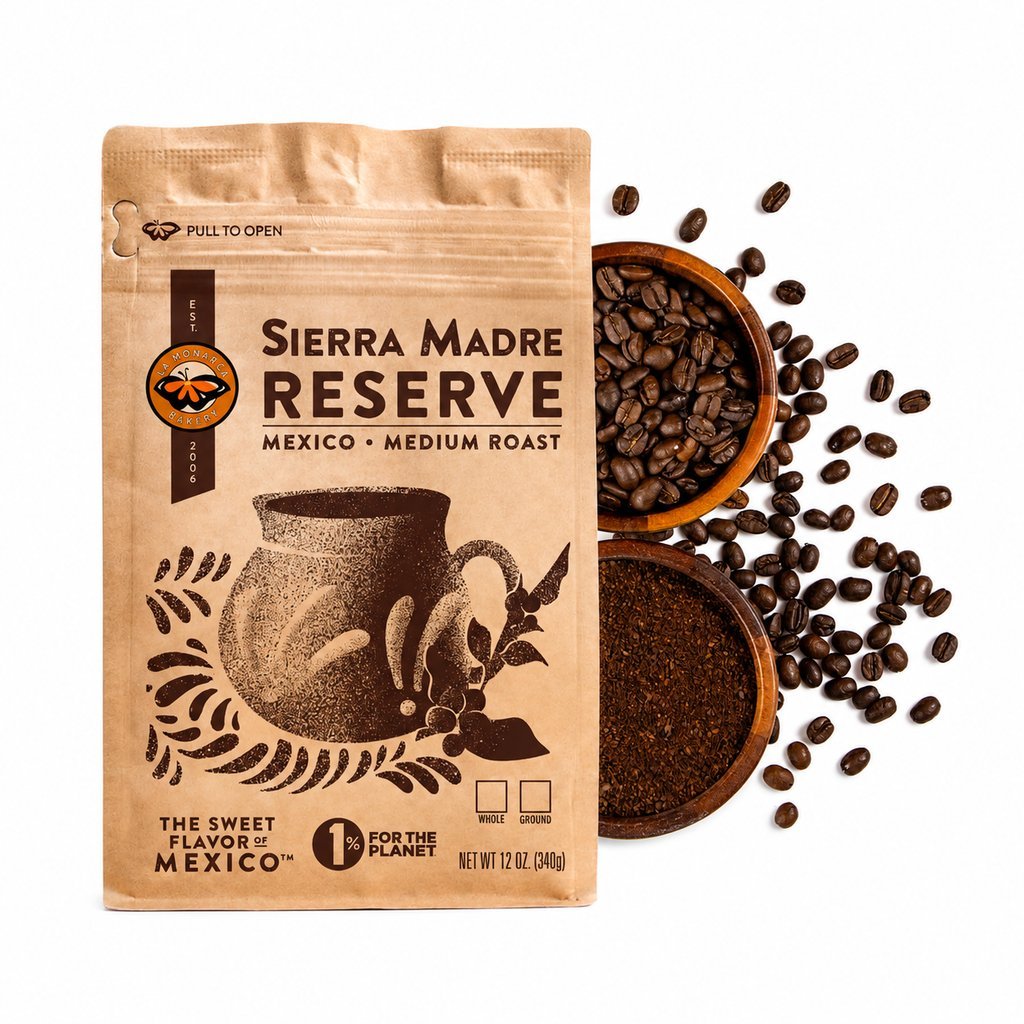
You can tell your coffee is ready by looking for a consistent, steady drip from your filter basket or a clean separation of grounds at the bottom of a French press. The aroma should be rich and nutty, not burnt or grassy. If you’re using a pour-over method, the bed of grounds should look flat and even at the end of the process. The final test is the taste: a balanced medium roast should feel smooth on the tongue with no lingering astringency or sourness.
Mistakes that ruin it
- Using tap water with high chlorine: Chemicals in your local water supply will mask the delicate notes of your medium roast coffee. Use filtered water to ensure the flavor of the bean remains the focus.
- Storing beans in the freezer: Condensation forms inside the bag every time you take it out, which ruins the texture and flavor of the beans. Keep your coffee in an airtight container at room temperature instead.
- Ignoring the grind size: Using a grind that’s too coarse for your machine leads to weak, sour coffee, while a grind that’s too fine leads to over-extraction. Match your grind to your equipment: coarse for French press, medium for drip, and fine for espresso.
Frequently asked questions
Photo: www.happyproducts.com on Google
What is a good medium roast coffee for sensitive stomachs?
Yes, many people find medium roast coffee easier on the stomach than darker roasts because it often has a more balanced acidity. If you still feel discomfort, try brewing with a paper filter, which removes more of the natural oils and diterpenes that can irritate the stomach lining for some drinkers.
How long does medium roast coffee stay fresh?
It stays fresh for about two to four weeks after the roast date if kept in an airtight container. Once you open the bag, try to consume the beans within two weeks to enjoy the peak flavor profile before the volatile oils begin to oxidize and turn rancid.
Is it safe to reheat leftover coffee?
It’s safe to reheat coffee, but the flavor will change significantly due to the breakdown of organic acids. If you must reheat it, do so gently on the stove or in a microwave, but avoid boiling it, as this will make the cup taste burnt and unpleasantly bitter.
What happens if I use too much coffee?
Using too much coffee will result in a heavy, overly bitter cup that lacks the subtle nuances of the roast. It can also lead to higher caffeine intake than you might expect, so stick to the recommended ratio of 2 tablespoons per 6 ounces of water to keep the balance right.
How do I know if my beans are stale?
Stale beans often lack a strong aroma and won’t bloom when you pour hot water over them. If you don’t see bubbles forming when you pour the first bit of water onto the grounds, the carbon dioxide has escaped, which means the coffee has lost its freshness.
Final Thoughts
Whether you prefer your brew black or with a splash of milk, don’t be afraid to experiment with different brewing methods to see how they change the profile. You’ll likely find that a simple pour-over brings out the best in these beans. Grab a fresh bag and enjoy your next cup.