
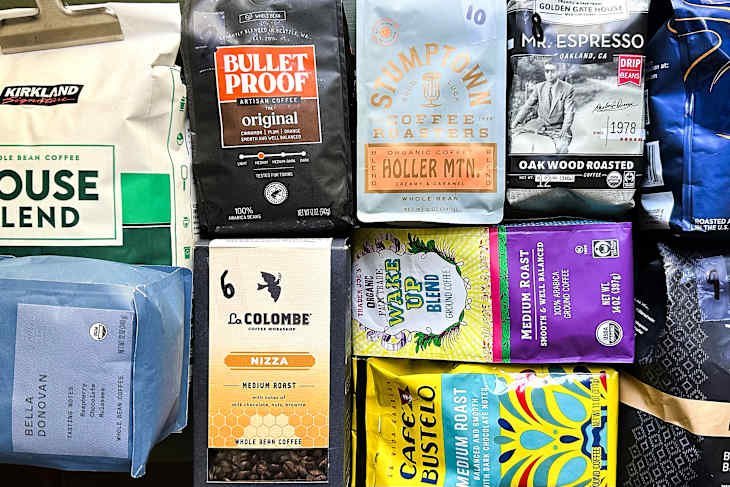
When asking what is the best medium roast coffee, look for a balanced cup that highlights natural sweetness while maintaining bright, clean acidity. High-quality Arabica beans from high-altitude regions like Ethiopia or Colombia consistently deliver these complex flavor profiles.
What is the best medium roast coffee?
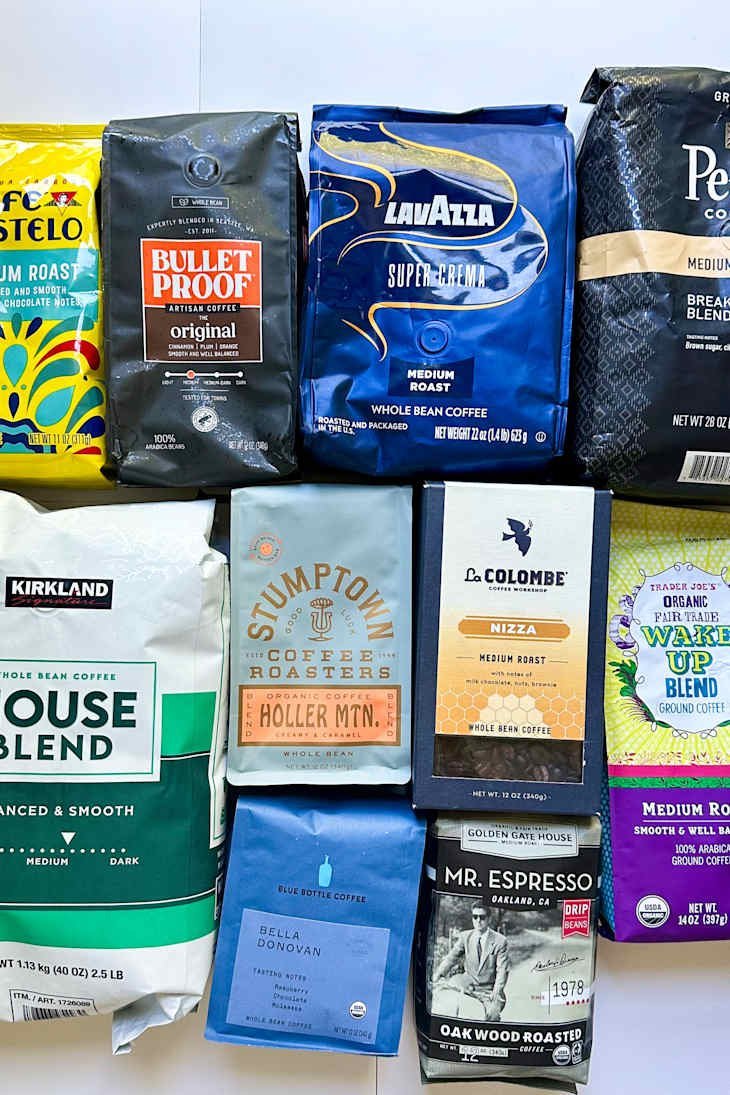
- Look for “medium roast” or “breakfast blend” on the bag to ensure the beans are roasted to a brown, dry finish.
- Buy whole beans and grind them just before brewing to keep the volatile aromatic oils from evaporating into the air.
- Use a ratio of 1 gram of coffee for every 16 grams of water to achieve the standard professional brewing strength.
- Store your coffee in an airtight, opaque container away from direct sunlight to prevent the fats from turning rancid over time.
- Check the “roasted on” date on the packaging and aim to consume the beans within 4 weeks for the freshest experience.
- If your brew tastes sour, grind your beans finer; if it tastes bitter or harsh, grind them coarser for your next cup.
Coffee flavor and heat
Why medium roast coffee offers a unique experience comes down to the chemical development during the roasting process. When green coffee beans enter the roaster, they’re dense and grassy. As heat is applied, the sugars inside the beans undergo the Maillard reaction, which creates complex brown pigments and aromatic compounds. A medium roast stops right after the “first crack,” a stage where the internal moisture has evaporated, but the oils haven’t yet moved to the surface of the bean. This preserves the unique characteristics of the coffee’s origin, such as floral or fruity notes, without the smoky, charred flavors of a dark roast. According to the National Coffee Association, consistent extraction depends on using the right grind size for your specific brewing device to ensure the water pulls out the right balance of flavor compounds.
When the answer is different
| Situation | What changes | What to do instead |
|---|---|---|
| Using a French Press | Grind size | Use a very coarse grind |
| Brewing for iced coffee | Water ratio | Use 20% less water |
| Beans are very fresh | Degassing time | Wait 3 days after roasting |
| Using soft water | Flavor extraction | Use mineral-rich filtered water |
| Wanting a heavy body | Roast level | Choose a darker roast |
How to do it properly
- Measure 20 grams of whole-bean coffee for every 320 grams of filtered water to maintain a standard 1:16 brewing ratio.
- Heat your water to between 195°F and 205°F, as cooler water fails to extract the full flavor of medium roasted beans.
- Grind your beans to a medium-coarse texture, which should feel similar to sea salt, just before you start your brewing process.
- Rinse your paper filter with hot water to remove any papery taste and to warm your brewing vessel before adding grounds.
- Pour 40 grams of water over the grounds to let them bloom for 30 seconds, allowing carbon dioxide to escape the beans.
- Pour the remaining water in slow, steady circles to ensure all grounds stay saturated until the total time reaches 3 minutes.
- Serve the coffee immediately once the drip finishes, as reheating coffee can break down the delicate compounds and change the taste.
The mistakes that ruin it
- Storing coffee in the freezer creates condensation that ruins the flavor of the beans when they thaw.
- Using boiling water can lead to over-extraction, which may result in a harsh, bitter-tasting cup.
- Buying pre-ground coffee means the flavor begins to degrade more quickly than whole beans due to increased surface area and oxidation.
- Ignoring the roast date means you might be brewing stale beans that lack any distinct origin characteristics.
Frequently asked questions
Can I drink medium roast coffee if I have acid reflux?
No, medium roasts are often more acidic than dark roasts. If you have acid sensitivity, you might prefer a lower-acid bean origin like Brazil or a dark roast, as these contain fewer of the compounds that trigger digestive discomfort.
How long does medium roast coffee stay fresh?
About 4 weeks is the ideal window for peak flavor. After this time, the beans lose their aromatic complexity, and the oils begin to oxidize, which results in a flat, papery, or stale taste in your morning cup.
Is it safe to leave coffee out on the counter?
Yes, it’s safe to leave coffee out, but it isn’t ideal for quality. Keep the beans in an opaque, airtight container to protect them from oxygen and light, which are the primary enemies of coffee freshness.
What happens if I use too much water?
You’ll end up with a weak, watery cup that lacks body and flavor. If your coffee tastes thin, increase the amount of coffee grounds or decrease the volume of water you use for the next brew.
Does the brewing method matter for roast type?
Yes, the brewing method dictates the grind size and contact time. A medium roast is versatile, but you must adjust your grind to ensure the water moves through the coffee at the right speed for your device.
Can I mix medium roast with dark roast?
Yes, many people create their own house blends by mixing roasts. This allows you to combine the bright, acidic notes of a medium roast with the heavy, chocolatey body of a dark roast for a balanced cup.
Final Thoughts
Finding your favorite bag is all about exploring different origins to see what suits your palate. Don’t be afraid to ask your local roaster for a fresh recommendation next time you visit. You’ll soon discover that a great cup doesn’t just wake you up; it makes your morning feel truly special.