
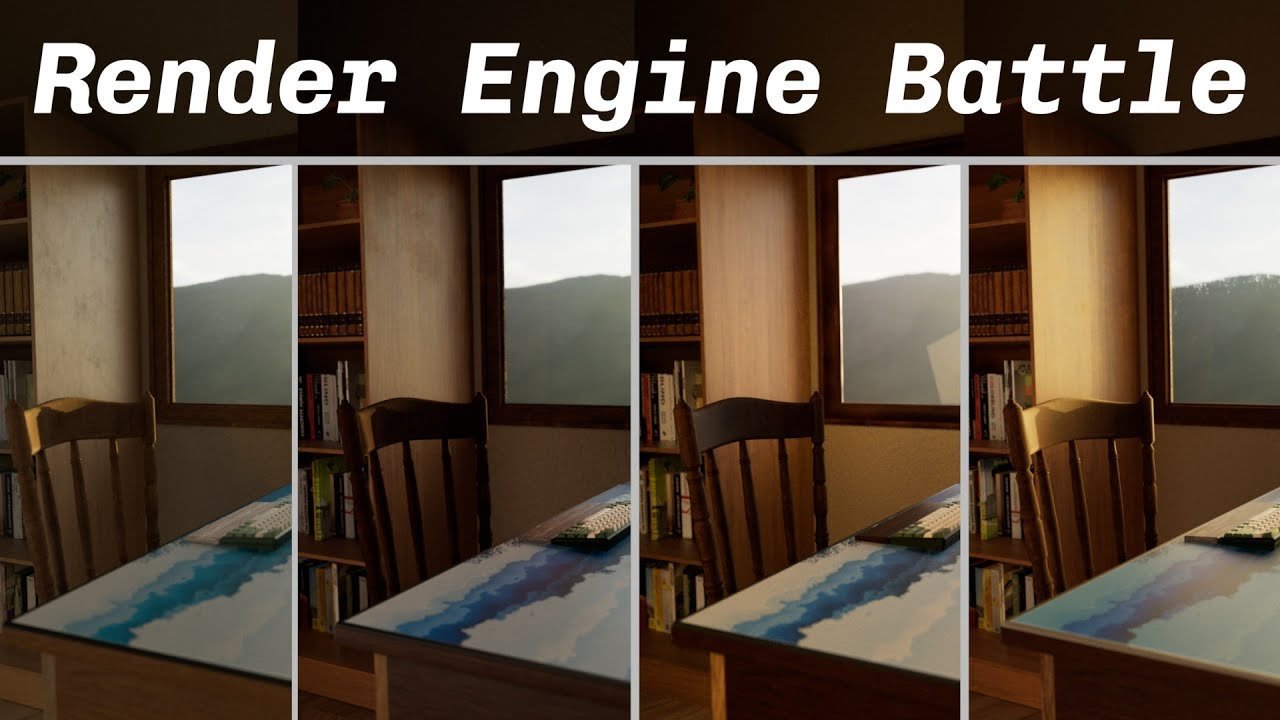
Choosing the best render for Blender depends on your project goals, workflow, and need for either real-time speed or photorealistic quality. Most users choose between EEVEE for rapid animation feedback and Cycles for high-end, precise output. If you need immediate results, prioritize EEVEE; for architectural or product realism, focus your training on Cycles.
As an Amazon Associate, we earn from qualifying purchases. This post contains affiliate links – if you buy through them, we may earn a commission at no extra cost to you.
1. Blender 4.3 Master Guide

Best for: Someone who wants a broad, modern overview of current industry workflows.
This guide is built for users who want to stay current with the latest software updates. It covers real-time rendering and modeling, which are the backbone of most professional tasks today. It suits a user who values efficiency and shortcuts to speed up their daily routine.
The book focuses on high-impact simulations and precision, making it a solid choice for those who don’t want to bounce between multiple specialized texts. It isn’t for the complete novice who has never opened the software, as it assumes a desire for mastery rather than a basic introduction.
Good if:
- You want to learn real-time rendering techniques.
- You need a guide that includes shortcuts for speed.
- You’re working on high-impact simulations.
Skip it if:
- You’re looking for a beginner-level, step-by-step tutorial.
- You prefer specialized, single-topic deep dives.
2. Blender Rendering Cycles

Best for: Artists who prioritize photorealistic output for high-end visualization projects.
Cycles is the industry standard for path-traced rendering, and this book breaks down the technical side of lighting and HDRI workflows. It’s meant for the artist who is tired of “CG-looking” results and wants to understand how light behaves in a 3D space.
The book covers render settings that are vital for achieving professional, polished images. It isn’t for the artist who only creates stylized, non-realistic, or cartoon-style art, as the focus is strictly on photorealistic output.
Good if:
- You want to master complex lighting and HDRI setups.
- You’re focused on professional, photorealistic 3D output.
- You need a guide for advanced compositing and render settings.
Skip it if:
- You’re primarily interested in EEVEE or real-time gaming assets.
- You prefer a general guide that covers modeling and sculpting.
3. Blender Master Class

Best for: A learner who needs a hands-on approach to bridge the gap between theory and practice.
This guide takes a holistic approach, covering everything from initial modeling to the final render. It’s perfect for someone who learns best by doing rather than just reading about settings. It provides the structure needed to build a project from start to finish.
The hands-on nature of the book ensures you touch every part of the pipeline. It isn’t for the advanced user who already understands the basics and only needs a reference manual for specific, high-end technical issues.
Good if:
- You learn best by completing full projects.
- You want a broad overview of sculpting, materials, and rendering.
- You’re starting from the beginning of the 3D pipeline.
Skip it if:
- You’re looking for an advanced, deep-dive reference book.
- You already have a solid grasp of modeling and sculpting.
4. Blender 5.2 Complete Guide

Best for: A user who wants one massive resource to cover every base.
This guide is designed for those who want to grow from a beginner to an advanced level without buying five different books. It covers the full spectrum, including geometry nodes and animation, which are essential for modern 3D work.
It isn’t for the person who wants a quick, concise guide to a single feature, as the volume of information can be overwhelming.
Good if:
- You want to learn geometry nodes and advanced animation.
- You prefer a single, comprehensive resource for all Blender skills.
- You’re moving from beginner to advanced projects.
Skip it if:
- You want a quick, short guide to a specific rendering engine.
- You prefer smaller, project-based books.
5. Blender 3D Incredible Models
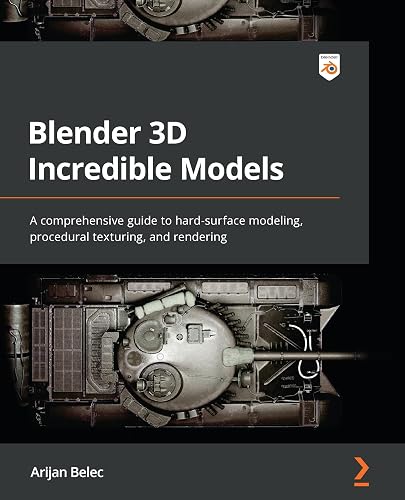
Best for: Hard-surface modelers who need their final renders to look perfect.
Hard-surface modeling requires a specific set of skills, especially when it comes to procedural texturing. This guide focuses on the technical side of creating complex objects and ensuring they render correctly. It’s tailored for those building machines, vehicles, or architectural elements.
The focus on procedural texturing helps create realistic surfaces without manual painting. This guide is tailored specifically for hard-surface modeling projects rather than organic character sculpting or animation.
Good if:
- You focus on hard-surface modeling projects.
- You want to master procedural texturing techniques.
- You need to render complex mechanical or architectural shapes.
Skip it if:
- You’re an organic modeler or character designer.
- You’re looking for a general animation or lighting guide.
6. Mastering Blender 4+

Best for: Someone who wants to integrate third-party tools into their professional workflow.
This book looks at how to use free plugins to extend the capabilities of the software. It’s ideal for the power user who wants to streamline their workflow and achieve results that go beyond the default toolset.
The plugin-centric approach can save hours of manual work. It isn’t for the purist who prefers to work only with the default, built-in features of the software, as it relies heavily on external additions.
Good if:
- You want to improve your workflow with free plugins.
- You’re interested in advanced texturing and rendering integration.
- You like to customize your software experience.
Skip it if:
- You prefer to use only native, built-in Blender tools.
- You’re looking for a beginner-friendly, basic guide.
7. 25 Popular Blender Materials

Best for: Artists who want to speed up their material creation process.
Materials define how a render looks, and this guide provides 25 common examples to help you learn the node editor. It’s perfect for someone who understands modeling but feels stuck when it comes to making things look like wood, metal, or glass.
The node editor is the heart of material design, and this book demystifies the connections between nodes. It isn’t for a user looking to learn animation or sculpting, as the content is strictly limited to shaders and surface look-development.
Good if:
- You want to master the node editor for materials.
- You need a library of common material setups.
- You want to improve your EEVEE and Cycles render quality.
Skip it if:
- You’re looking for a complete guide to modeling or animation.
- You already have a strong grasp of node-based material design.
8. Blender 3D By Example

Best for: Someone who wants to focus specifically on the EEVEE engine.
EEVEE is the real-time engine, and this book uses a project-based approach to teach it. It’s great for those who need to render quickly, such as motion designers or game asset creators. The inclusion of Grease Pencil is a nice bonus for 2D-in-3D artists.
The project-based structure means you see how the engine handles real-world lighting and shadow scenarios. It isn’t for the architectural visualization artist who requires the absolute precision and accuracy of path-traced light in Cycles.
Good if:
- You want to master the EEVEE real-time rendering engine.
- You’re interested in using Grease Pencil for animation.
- You learn best by following specific, project-based tutorials.
Skip it if:
- You need the high-accuracy light paths found in Cycles.
- You’re looking for a general, non-project-based reference book.
9. Learn Blender Simulations

Best for: Artists who want to create realistic physics-based visual effects.
Simulations like smoke, water, and fire are complex, and this guide teaches you to do them the “right way.” It’s ideal for the artist who wants to add professional-level effects to their renders. It focuses on turning artistic vision into realistic movement.
The book is technical, which is necessary for managing simulation caches and render settings. It isn’t for the user who is only interested in static modeling or simple character animation, as the content is focused on dynamic physics.
Good if:
- You want to create stunning, realistic simulations.
- You need to understand physics settings for complex effects.
- You’re working on visual effects for animation or film.
Skip it if:
- You’re focused on static architectural or character modeling.
- You want a general overview of all Blender features.
10. 3D Environment Design with Blender 5

Best for: Someone who wants to build complete, immersive 3D worlds.
Designing environments involves lighting, texturing, and modeling all at once. This guide pulls those skills together to help you build realistic scenes. It’s perfect for those interested in game backgrounds or cinematic set design.
The focus on environment-specific skills helps in creating better depth and atmosphere in a render. It isn’t for the product designer or character artist who wants to focus on individual, isolated assets rather than complete world-building.
Good if:
- You want to build realistic 3D scenes and environments.
- You need to improve your lighting and texturing skills.
- You’re working on cinematic or game-ready environments.
Skip it if:
- You’re interested only in character modeling or product visualization.
- You want a general, introductory guide to the software.
Where These Overlap
For example, Blender 5.2 Complete Guide and Blender 4.3 Master Guide both offer a broad look at the software, and for most users, either would provide a strong foundation. The real difference lies in the specific focus: if you’re a hard-surface modeler, Blender 3D Incredible Models is distinct, while Blender Rendering Cycles is clearly targeted at those who need specific lighting expertise. If your goal is general knowledge, the choice between the comprehensive guides is largely down to which version or specific workflow examples you prefer.
Still Not Sure?
How often will I really use the render engine?
If you’re a professional working on daily deadlines, you need a fast workflow, and a guide like Blender 3D By Example will help you master real-time rendering. If you only render occasionally for a portfolio, you have more time to learn the slower, more precise Cycles engine via Blender Rendering Cycles.
What do I already own that this must work with?
Think about your current hardware and existing software plugins. If you already have a library of plugins, Mastering Blender 4+ is a great fit. If you’re starting fresh and want everything in one place, Blender 5.2 Complete Guide provides the most coverage without needing extra tools to get started.
What am I most likely to regret choosing?
Regret usually comes from buying a book that’s too narrow for your actual needs. If you’re a beginner, avoid the highly specialized simulation or hard-surface books until you have the basics down. Start with Blender Master Class to ensure you have a firm grasp of the entire pipeline first.
The two main paths that split most users are speed versus precision. If you need quick, real-time results for animations or games, choose Blender 3D By Example. If you need the highest quality photorealistic output for architecture or design, choose Blender Rendering Cycles. Check your preferred option online to see the latest updates.
Frequently Asked Questions
Which render engine is better for beginners?
EEVEE is generally considered better for beginners because it provides real-time feedback, allowing you to see changes instantly. This helps new users understand lighting and materials without waiting for long render times. For a structured approach to learning this, Blender Foundation provides official documentation that helps clarify these core technical workflows for all users.
Do I need a powerful computer for Cycles?
Cycles is a path-tracing engine and requires significant GPU or CPU power to render complex scenes quickly. The listing doesn’t mention hardware requirements. You can optimize your render settings to save time, which is a core topic in Blender Rendering Cycles.
Can I use EEVEE and Cycles in the same project?
Yes, you can switch between them easily in the render settings. Many artists use EEVEE to preview their lighting and animation, then switch to Cycles for the final, high-quality render. If you want to master this switching process, Blender 4.3 Master Guide covers modern workflows that include both engines.
How do I make my renders look more realistic?
Realism in rendering comes from proper lighting, high-quality materials, and good composition. Understanding how light interacts with surfaces is essential, which is why Blender Rendering Cycles focuses heavily on these aspects. Mastering the node editor, as taught in 25 Popular Blender Materials, is also essential for creating realistic surfaces.
Conclusion
Experimenting with both engines on a simple scene is the best way to see how they handle lighting and textures. Don’t worry about getting it perfect right away; just start testing your ideas to see what fits your style. You’ll soon find the right balance for every project you create.