
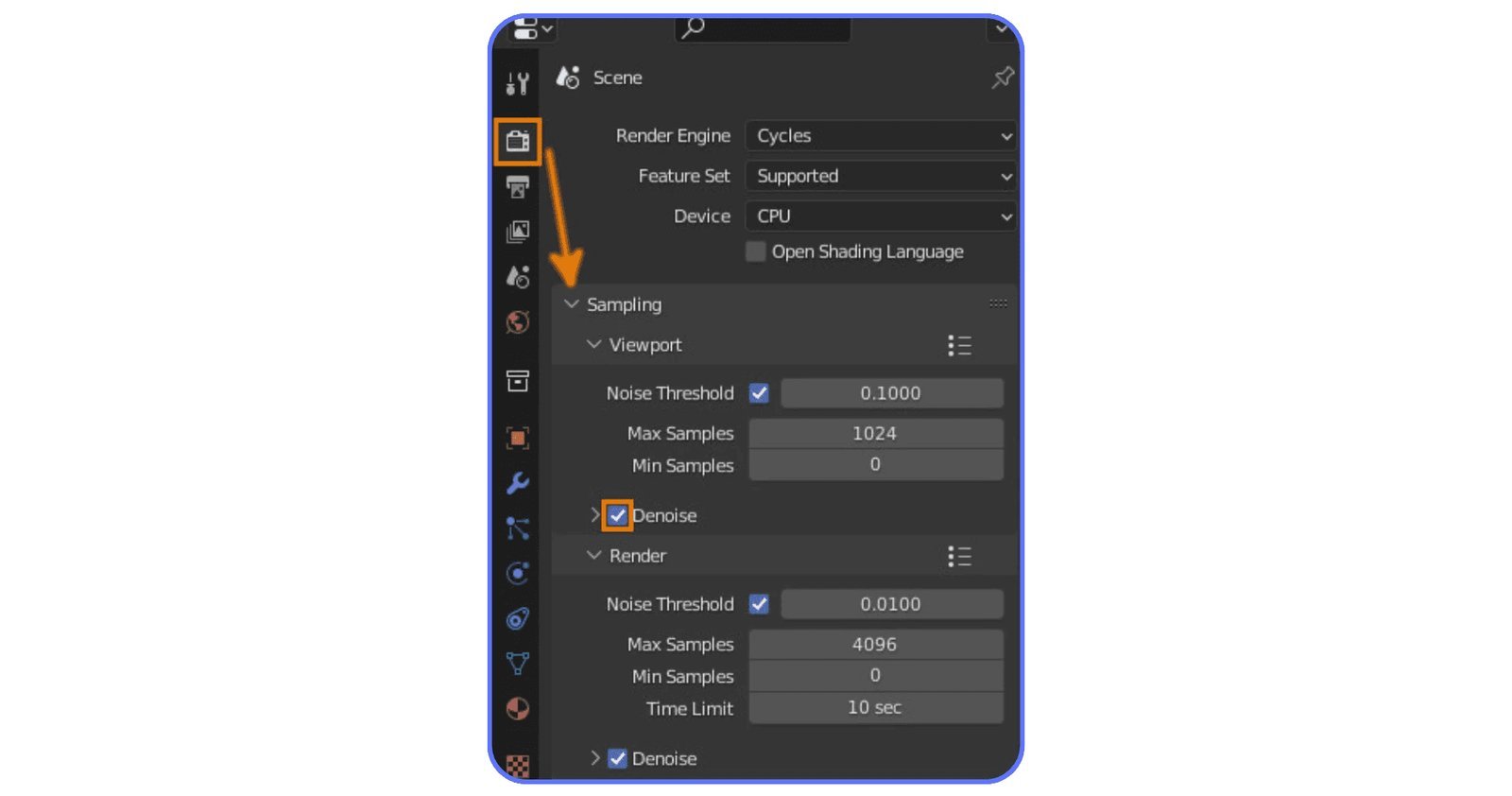
Finding the best sampling for blender render isn’t about picking one magic number for every project. A fast preview animation needs different render values than a clean, photorealistic product shot. Your target depends on whether you work in the Cycles engine, your native language, and how deeply you need topics like automation covered. If you need dedicated German instruction for Cycles lighting and setup, look at Blender Rendering Cycles. If you want broad production training in English that includes pipeline automation, Blender 5.2.1 LTS Guide fits that goal.
As an Amazon Associate, we earn from qualifying purchases. This post contains affiliate links – if you buy through them, we may earn a commission at no extra cost to you.
1. Blender Rendering Cycles

Best for: German-speaking artists seeking dedicated guidance for photorealistic Cycles lighting setups.
This manual focuses directly on Cycles output, covering HDRI setups, lighting, compositing, and render settings. If your daily render tasks involve balancing noise levels against render times, this targeted scope helps you dial in your scenes. Because it targets German readers, the technical terms match localized workflows.
The specific focus means you get dedicated attention for Cycles setups rather than general tool overviews. The obvious trade-off is language: if you don’t read German, you can’t use this text. It won’t suit generalists who want broad modeling chapters or English documentation.
Good if:
- You read German and work directly in Cycles
- You need specific focus on HDRI and lighting
- You want dedicated guidance for compositing output
Skip it if:
- You don’t read German
- You need step-by-step 3D modeling walkthroughs
2. Blender 5.2.1 LTS Guide

Best for: Technical creators building automated production pipelines alongside advanced rendering workflows.
This guide targets Blender 5.2.1 LTS with a focus on masterclass skills. It pairs Cycles rendering with Geometry Nodes, 3D modeling, and pipeline automation.
Covering automation means the material expects serious technical engagement. If you only want basic surface modeling or simple lighting dials, this deep focus adds unnecessary complexity. It’s not for hobbyists looking for basic beginner software overviews.
Good if:
- You work with Blender 5.2.1 LTS
- You want pipeline automation alongside Cycles rendering
- You use Geometry Nodes for procedural asset creation
Skip it if:
- You want simple, casual 3D introductory tutorials
- You prefer guides that skip scripting and automation
3. Blender 5.2 LTS Practical

Best for: Generalists who need complete workflow coverage from modeling to final compositing.
This volume covers modeling, sculpting, animation, Geometry Nodes, rendering, and compositing for production. Working through entire projects from start to finish requires clear workflow steps across every tab. It links rendering directly with post-render compositing passes to finalize your scene’s look.
Because it tackles so many disciplines, it trades singular render depth for broader production context. The trade-off is a very wide topic footprint rather than an exclusive focus on render engines. It isn’t ideal for readers who strictly need advice on light sampling.
Good if:
- You want the full workflow from sculpt to render
- You build animated scenes using Geometry Nodes
- You use compositing nodes to finish renders
Skip it if:
- You only want a lighting and rendering breakdown
- You already know modeling and sculpting thoroughly
4. Blender 5.2 LTS Handbook
Best for: Developers and artists combining Python automation with general 3D scene creation.
This handbook covers modeling, sculpting, animation, Geometry Nodes, rendering, compositing, and Python automation. It gives technical artists a way to control the software programmatically.
Covering Python automation means you must engage with technical scripting concepts. If you only want a manual visual workflow without code, these sections won’t serve your daily habits. This book isn’t for artists who avoid programming tools entirely.
Good if:
- You want Python automation tied to your render workflow
- You work across the complete 5.2 LTS toolset
- You combine procedural nodes with manual modeling
Skip it if:
- You dislike reading or using Python scripts
- You want a lightweight guide focused purely on art
5. Blender 5.0 User Guide
Best for: Total beginners building foundational skills through structured hands-on 3D software projects.
This guide covers basic 3D modeling, animation, rendering, and Geometry Nodes with hands-on projects in version 5.0. New users need clear, step-by-step guidance without intimidating jargon getting in the way. It introduces rendering as part of completing your first practical scenes.
Because it’s built for entry-level learning, it stays focused on fundamentals rather than deep pipeline tricks. The trade-off is that it skips advanced studio techniques like custom scripting or specialized passes. It won’t suit experienced operators looking for advanced pipeline tools.
Good if:
- You’re opening Blender 5.0 for the first time
- You learn best by following hands-on projects
- You need a simple introduction to rendering
Skip it if:
- You already manage complex node graphs easily
- You need advanced automation and studio pipeline tips
6. Blender 5.1 Mastery Guide

Best for: Intermediate learners practicing motion design by building a perpetual motion loop project.
This guide focuses on interface mastery, lighting, materials, animation, and step-by-step creation using practical project milestones. Building a perpetual motion loop requires tight synchronization between animation timing, material shaders, and lighting setups. It connects rendering settings directly to motion requirements.
The learning structure centers on real projects rather than dry reference lists. However, if your daily focus is static architectural or product visualization, an animated loop project won’t fit your core needs. It isn’t for people who never animate their scenes.
Good if:
- You want project-based learning with a motion loop
- You need to master lighting alongside materials
- You work specifically within version 5.1
Skip it if:
- You only produce static, non-animated still renders
- You want comprehensive coverage of Geometry Nodes
7. Blender 5.2 LTS User

Best for: First-time LTS users seeking a structured, step-by-step beginner walkthrough of core tools.
This book walks beginners through modeling, sculpting, animation, Geometry Nodes, rendering, and new version features in 5.2 LTS. It introduces the full interface gradually, so you aren’t overwhelmed by complex panels. That makes it easier to understand where rendering fits into modern LTS releases.
Focusing on beginners means it covers a little bit of everything across the suite. The trade-off is less time spent on specialized render optimizations or complex material graphs. It won’t suit veteran users who already understand standard 3D workflows.
Good if:
- You prefer step-by-step beginner instruction
- You want an overview of new 5.2 LTS features
- You want exposure to sculpting, nodes, and rendering
Skip it if:
- You already possess intermediate or advanced 3D skills
- You require deep technical documentation on raytracing
8. Blender Product Visualization
Best for: Commercial artists creating clean studio lighting and realistic materials for client presentations.
This text targets product modeling, realistic materials, studio lighting, photorealistic rendering, animation, and professional presentation. It explains how to combine materials and render engines to achieve realistic presentation standards.
Its specialized focus leaves out unrelated features like digital sculpting or complex character rigs. If your goal is character design, sculpting creature anatomy, or game development, this commercial focus won’t align with your work. It isn’t for character artists or game environment creators.
Good if:
- You build commercial product renders and models
- You need realistic studio lighting setups
- You prepare final visuals for client presentations
Skip it if:
- You focus strictly on character sculpting and rigging
- You need guides covering game asset optimization
9. Blender 3D Mastery

Best for: Multi-discipline creators producing high-end game assets, general animations, and polished renders.
This manual covers the creation of stunning renders, animations, and game assets using a structured logic-flow approach. That dual focus helps you optimize scenes before you hit the render button.
Because it balances game asset preparation with high-end rendering, it doesn’t specialize purely in studio lighting rigs. The trade-off is a split focus between game engines and render output. It won’t suit someone who only makes commercial studio product images.
Good if:
- You build assets for both games and offline renders
- You want structured logic-flow design guidance
- You create both animations and static 3D models
Skip it if:
- You only care about studio product visualization
- You prefer books that avoid real-time game pipelines
10. Blender Visual Product Studio
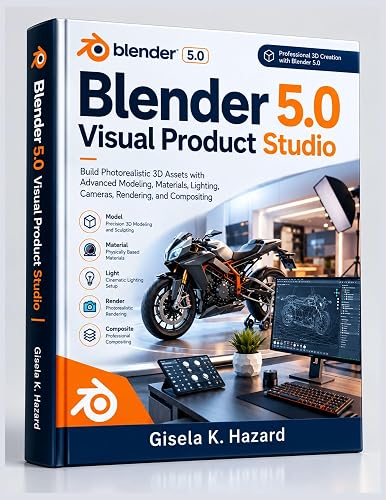
Best for: Photorealism specialists wanting camera-centric workflows and advanced rendering for product assets.
This guide covers advanced modeling, materials, lighting, cameras, rendering, and compositing within version 5.0. That makes it useful when you need advanced control over commercial product assets.
Focusing on high-end camera techniques and product shots means it skips general animation and sculpting entirely. If you want broad tutorials covering digital characters or rigging, this studio guide won’t deliver that material. It isn’t for generalists looking for whole-software overviews.
Good if:
- You want camera-centric product rendering workflows
- You use compositing to refine photorealistic assets
- You work with version 5.0 advanced materials
Skip it if:
- You need a general overview of the entire toolset
- You build stylized character models or animations
Where These Overlap
Several guides cover nearly the same ground. Several guides cover nearly the same ground, with the Practical, Handbook, and User editions all addressing modeling, animation, Geometry Nodes, and rendering in the current long-term support release. The deciding factor between them comes down to technical depth. The Handbook includes Python automation, the Practical guide focuses on production steps, and the User edition sticks to a beginner pace. On the commercial side, Blender Product Visualization and Blender Visual Product Studio both center on studio lighting and materials for product shots. The difference is that Blender Visual Product Studio highlights advanced camera work and compositing in version 5.0.
Still Not Sure?
How technically deep do you need to go with your pipeline?
If you just want straightforward scenes, advanced code is an unnecessary hurdle. But if you manage complex asset batches, scripting streamlines your workflow. Choose Blender 5.2.1 LTS Guide if you want automation, or stick to simple project walkthroughs if you don’t need code.
Are you focused on commercial product shots or broad 3D skills?
General 3D guides spread their attention across sculpting, dynamic nodes, and physics systems. Commercial work requires precise control over highlights, studio reflections, and camera angles. If you build assets specifically for clients and catalogs, pick Blender Product Visualization.
Are you opening the 3D software for the first time?
Jumping straight into professional masterclass material will leave you lost in dense technical terms. Beginners need fundamental interface walkthroughs that explain basic viewport navigation before covering complex render settings. For an approachable start with structured projects, choose Blender 5.0 User Guide.
Related guides
Frequently Asked Questions
What controls the best sampling for blender render in Cycles?
Sampling controls image noise and render clarity by sending light rays through your scene. Setting the threshold higher speeds up work, while lower noise thresholds clear grain. You can study path tracing mechanics directly in the Blender documentation on Cycles to balance render speeds against clean surfaces.
Does a product visualization guide help with render sampling?
Yes, because commercial visualization demands grain-free surfaces on reflective metals and transparent glass. Blender Product Visualization details studio lighting and realistic materials, helping you set sampling levels that eliminate reflection noise without inflating render times.
Should complete beginners learn Python automation for rendering?
No, beginners should avoid scripting until they understand standard scene layouts, lighting, and materials. The Handbook includes Python automation for technical pipelines, but first-time users will learn efficiently using the 5.0 User Guide instead.
Can I follow German render guides if I use an English interface?
It’s very difficult because menu names, material shaders, and render properties won’t match your screen. Blender Rendering Cycles uses German explanations, so you should only choose it if you read German and run matching localized terminology.
Conclusion
If you produce commercial catalog images, pick Blender Product Visualization to master realistic materials and studio lighting. If you need complete pipeline automation with your render passes, choose Blender 5.2.1 LTS Guide. Review your software version and workflow needs to select the right guide for your desk.