Finding the best software for textures animation depends on your goals and how much time you want to spend learning new tools. Some creators need heavy-duty rigging for complex puppets, while others just want to add motion to a still photo. The main differences come down to whether you prefer vector-based drawing, hand-drawn frame-by-frame work, or automated physics-based movement. If you want a professional-grade rigging system, you’re likely looking at Moho Pro 14, while someone focused on simple, quick photo-to-motion effects might prefer Corel PhotoMirage.
1. Moho Pro 14

Best for: Professionals needing advanced rigging and physics for 2D animation.
This software offers a deep set of tools for those who take animation seriously. Its rigging system is designed for efficiency, using Smart Bones and Vitruvian Bones to manage complex character movements without needing to draw every single frame by hand. The new graphics engine and improved frame-by-frame tools help you keep your workflow smooth even when working with bitmap characters or PSD files.
It’s a powerful tool, but it isn’t for the casual hobbyist who just wants to make a quick clip. The sheer number of settings and constraints requires a time investment to master the interface and scripting. If you’re looking for a perpetual license without monthly fees, this is a solid choice.
Good if:
- You need advanced bone constraints for complex character rigs.
- You want to integrate bitmap assets from Photoshop files.
- You prefer a perpetual license over a subscription model.
Skip it if:
- You’re a total beginner who finds complex interfaces overwhelming.
- You want a tool designed specifically for mobile touch devices.
2. Moho Pro 13.5

Best for: Digital artists requiring proven professional 2D animation features.
This version provides the core rigging power found in the Moho line, such as Inverse Kinematics and Smart Bones. It allows you to simulate 3D rotations with 2D simplicity, making it a strong choice for animators who want character-heavy work. The integration with PSD files means you can bring in your own art and rig it quickly.
The trade-off here is that you miss out on the specific updates found in the newer version, such as the latest graphics engine or liquid shapes. It remains a reliable workhorse for those who are already familiar with its specific timeline and interpolation modes. It isn’t for someone who needs the absolute latest feature set or the most current interface improvements.
Good if:
- You want a robust system for 2D character rigging.
- You enjoy using physics-based automation like wind and particles.
- You prefer working with a familiar, proven interface.
Skip it if:
- You need the latest graphics engine and interface updates.
- You’re looking for the most recent advancements in frame-by-frame tools.
3. Moho Debut 14
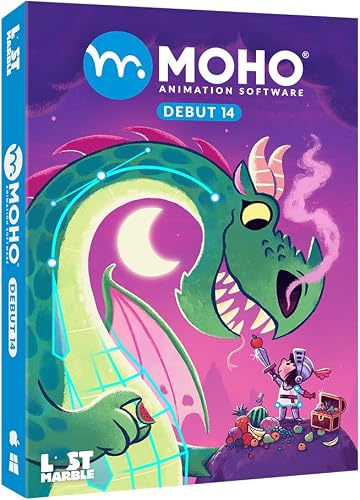
Best for: First-time animators and hobbyists starting their journey.
This is the entry point for those new to the Moho ecosystem. It includes a Beginner’s Mode that helps you get moving without getting lost in the complex menus of the Pro versions. You still get access to a bone rigging system, which makes animating puppets much faster than doing everything by hand.
It isn’t designed for high-end professional studio work, as it lacks the advanced constraints and scripting power of the Pro series. If your goal is to share simple animations to YouTube, this provides enough tools to get the job done without the steep learning curve.
Good if:
- You’re a beginner wanting to learn the basics of bone rigging.
- You want pre-built content to help you start quickly.
- You want an easy export process for web and video formats.
Skip it if:
- You need advanced scripting or professional-grade constraints.
- You’re working on professional-level, high-complexity production projects.
4. Moho Debut 13.5

Best for: Hobbyists wanting a fast, intuitive way to create cartoons.
This version focuses on speed and simplicity, using pre-built content and an intuitive bone system to reduce production time. It is a great way to understand character construction before moving on to more complex software. The interface is geared toward digital enthusiasts who want to see results quickly.
Since it’s a previous version, it doesn’t include the specific feature additions found in the newer Debut 14. It isn’t suitable for those who require the latest performance updates or newer drawing tools. If you have a specific project that needs a stable, well-understood tool, it serves that purpose well.
Good if:
- You want to create cartoons in minutes using pre-built assets.
- You’re a first-time animator learning character manipulation.
- You need simple export options for sharing your work online.
Skip it if:
- You need the most recent software updates and feature patches.
- You’re looking for advanced frame-by-frame animation capabilities.
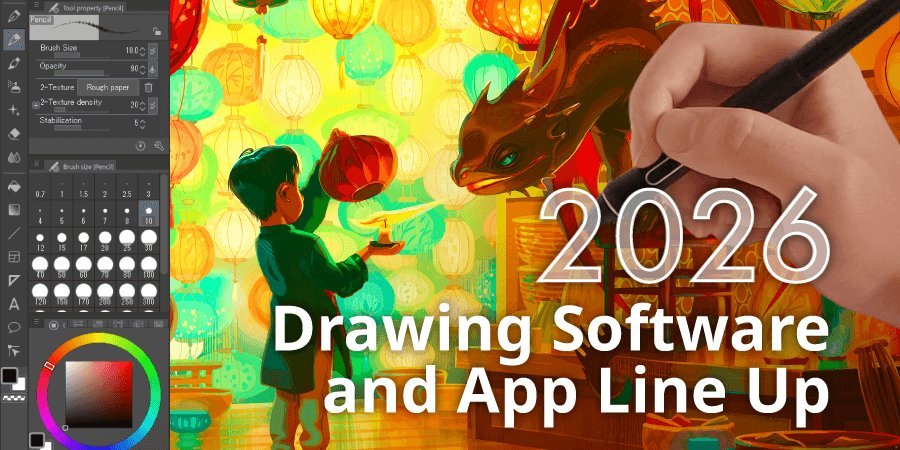
5. Clip Studio Paint EX

Best for: Illustrators and artists focusing on hand-drawn textures.
This software is built for comic and manga artists who need to manage multiple pages and high-quality illustrations. It allows you to animate your existing artwork, making it a bridge between static design and motion. The inclusion of 3D drawing figures helps with posing and perspective, which is a great help for artists who need a base to work from.
It isn’t a dedicated animation-first tool in the same way the Moho series is, so you might find the workflow for long-form animation more manual. It’s best suited for artists who want to add motion to their existing drawings rather than building complex puppet rigs from scratch.
Good if:
- You’re already a comic or manga artist.
- You want to bring your existing static illustrations to life.
- You need tools to help with multi-page project management.
Skip it if:
- Your primary goal is building complex, physics-based puppet rigs.
- You want a tool strictly dedicated to advanced motion graphics.
6. FlipaClip: Create 2D Animation

Best for: Mobile users and those who prefer hand-drawn animation.
The listing doesn’t mention mobile optimization. It’s a straightforward approach to animation that avoids the complexity of rigging or vector math.
It isn’t for users who need professional-grade vector tools or complex physics engines. Because it focuses on the basics of frame-by-frame movement, it’s best for short, creative bursts of animation rather than long-form, multi-layered video projects.
Good if:
- You want to animate using a mobile device or tablet.
- You enjoy the process of hand-drawn, frame-by-frame animation.
- You need a simple, intuitive interface for quick projects.
Skip it if:
- You need advanced rigging or vector-based puppet manipulation.
- You’re working on professional, long-form animation projects.
7. Adobe Animate
Best for: Designers creating interactive vector animations for the web.
Adobe Animate is a standard for creating interactive content that works across different platforms, including mobile and desktop. It excels at vector animation, allowing you to scale your work without losing quality. Being part of the Creative Cloud ecosystem, it’s easy to sync assets and keep your workflow connected to other design tools.
It is a subscription-based product. It also requires a certain level of technical knowledge to master its interactive capabilities.
Good if:
- You need to publish interactive content to the web or mobile.
- You rely on the Adobe ecosystem for your other design work.
- You need high-quality vector scaling for your animations.
Skip it if:
- You prefer a one-time purchase over a monthly subscription.
- You find Adobe’s interface and subscription management difficult to navigate.
8. Corel PhotoMirage

Best for: Adding motion to static photos with minimal effort.
This tool is unique because it takes a still image and adds movement to it. It’s very easy to learn, using a simple three-step process to define what moves and what stays still. It’s perfect for turning a plain JPEG or PNG into a GIF or MP4 that catches the eye.
It isn’t an animation suite for drawing characters or building puppets. If your goal is to animate from scratch, this isn’t the right tool. It’s strictly for photo-based motion, and it works best for people who want to spice up their social media or email content.
Good if:
- You want to animate static photos quickly.
- You’re looking for a simple, non-destructive editing workflow.
- You need to export to popular formats like MP4 or GIF.
Skip it if:
- You want to draw or rig characters from scratch.
- You need a full-featured animation studio for complex scenes.
9. Stick Nodes Pro
Best for: Creating simple, frame-by-frame stick figure animations.
This is a focused tool for a specific style of animation. It’s perfect for someone who wants to animate stick figures without worrying about complex rigging or drawing skills. It’s simple to pick up and play with, making it a fun choice for casual animators.
It isn’t for professional-grade animation or those needing high-end vector tools. If you’re looking to create detailed, textured, or realistic motion, you’ll quickly find the limits of what this software can do. It’s a niche tool for a specific, simplified style.
Good if:
- You want to make quick, fun stick figure animations.
- You prefer a very simple, low-barrier entry to animation.
- You’re interested in a classic, frame-based workflow.
Skip it if:
- You need professional rigging or advanced physics tools.
- You want to create high-fidelity, detailed character animations.
Choosing the Best Animation Software for Textures
Most of these tools fall into two camps: those for rigging puppets and those for frame-by-frame drawing. The Moho series (Pro and Debut) dominates the rigging side, offering similar bone-based workflows that differ mostly in their depth and advanced features. If you’re deciding between Moho Pro 14 and 13.5, the choice comes down to whether you need the newest graphics engine and scripting capabilities. Meanwhile, Clip Studio Paint EX and Adobe Animate are closer to traditional design software. They’re better if your work starts in illustration and needs to be extended into motion, rather than starting as a blank animation project.
Still Not Sure?
How often will I really use this?
If you only want to animate photos for social media occasionally, Corel PhotoMirage is the most efficient choice. If you’re planning to build a series of long-form animations, the investment in Moho Pro 14 will pay off by saving you time on repetitive rigging tasks.
What do I already own that this must work with?
If you’re already deep into the Adobe Creative Cloud, Adobe Animate is the logical step to keep your assets synced. If you’re a Photoshop user who has a library of existing bitmap art, the Moho series is designed to import your PSD files and rig them for animation.
What am I most likely to regret choosing?
You might regret choosing a complex tool like Moho Pro 14 if you’re a total beginner, as the learning curve is steep. If you’re a professional, you might regret choosing a limited tool like Stick Nodes Pro, as you’ll quickly hit walls when trying to scale up your project complexity.
As an Amazon Associate, we earn from qualifying purchases. This post contains affiliate links – if you buy through them, we may earn a commission at no extra cost to you.
Frequently Asked Questions
Which animation software is best for beginners?
Moho Debut 14 is the best starting point because it includes a Beginner’s Mode and pre-built content. This helps new users understand the basics of bone rigging and keyframing without the technical overhead of professional software. It’s a safe entry point before deciding if you need to upgrade to more powerful tools.
Do I need a subscription to use these tools?
Most of the options listed, such as the Moho series and Clip Studio Paint EX, offer perpetual licenses, meaning you pay once and own the version. Adobe Animate is the exception, as it requires a subscription plan through the Creative Cloud, which is a factor to consider for your long-term budget.
Can I import my own character art?
Yes, most of these tools support importing external files. Moho Pro 14 and 13.5 are specifically optimized to import Photoshop PSD files, allowing you to keep your layers intact for rigging. Clip Studio Paint EX also allows for easy integration of artwork created in other design programs, making it flexible for illustrators.
Is it hard to learn bone rigging?
The difficulty depends on the software. Moho Debut makes it easier with a point-and-click interface that simplifies the process for first-time animators. Moho Pro 14 is more complex because it offers advanced constraints and physics, but it’s built to save time once you understand the system, reducing the need for frame-by-frame drawing.
Conclusion
Choosing the right tool doesn’t have to be overwhelming. Start by downloading a free trial of the software that sounds most like your style, then spend an hour playing with its basic features. You’ll quickly see which workflow feels natural, so don’t be afraid to experiment until you find your perfect fit.