
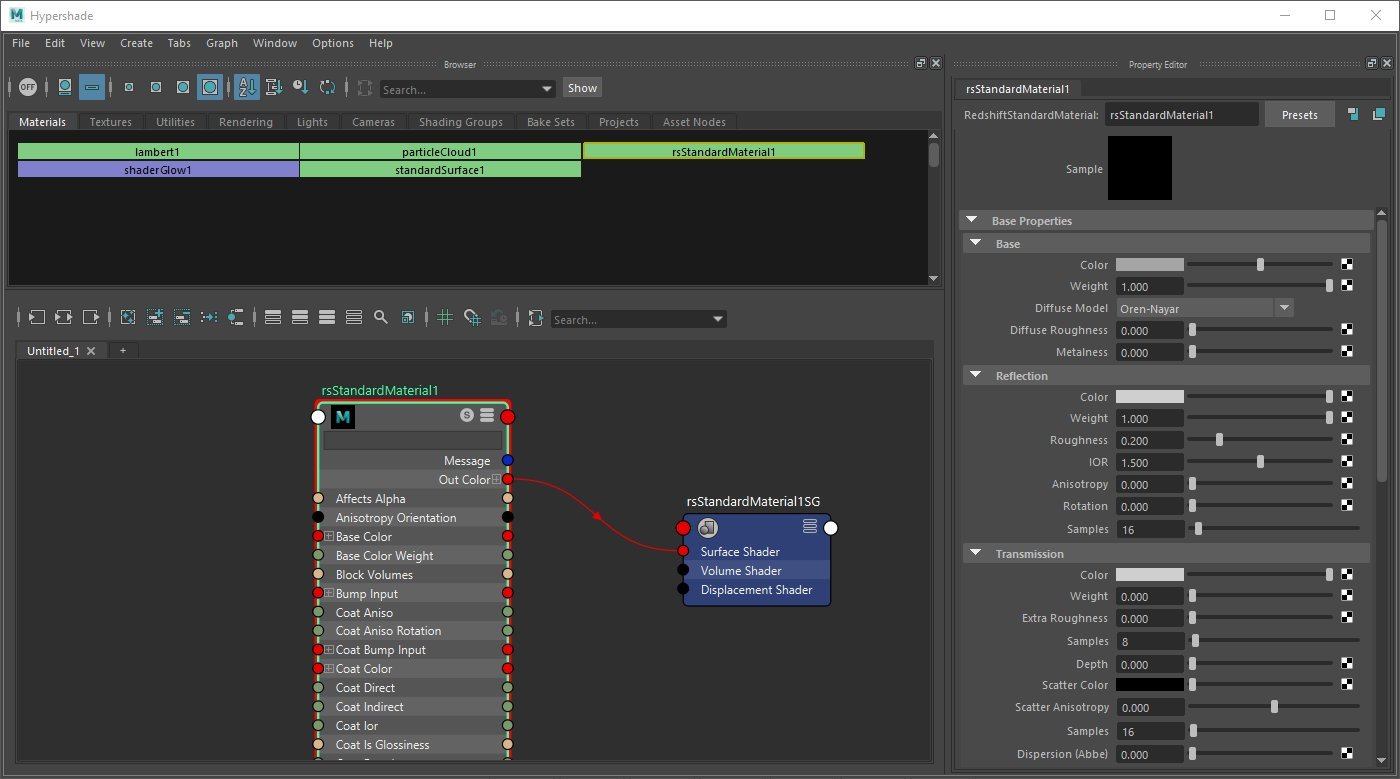
Finding the best settings for redshift for transparent materials for your 3D workflow depends on whether you need technical theory or specific software workflows. You must decide if you’re chasing realistic light physics or simply trying to match a specific look in your render engine. Your choice usually comes down to your experience level and whether you prefer learning through established scientific principles or practical software guides. If you’re a beginner looking for quick results, start with software-specific tutorials, but if you’re building a professional pipeline, you should prioritize foundational rendering theory.
As an Amazon Associate, we earn from qualifying purchases. This post contains affiliate links – if you buy through them, we may earn a commission at no extra cost to you.
1. Redshift Cinema 4D Tutorial

Best for: A user who needs a step-by-step workflow for Redshift.
This guide focuses on the technical implementation of Redshift rendering within the Cinema 4D environment. It’s designed to bridge the gap between abstract rendering settings and actual production results. By following this guide, you can configure transparent materials without guessing which sliders to adjust in your render settings.
It isn’t for someone using a different 3D software package, as the interface and specific toolsets covered are exclusive to the Cinema 4D workflow. If your goal is to understand the physics of light rather than the buttons in your software, this manual may feel too narrow for your needs.
Good if:
- You work exclusively in Cinema 4D.
- You need to see how settings affect transparent surfaces.
- You want a structured path for learning Redshift.
Skip it if:
- You use Blender or Maya.
- You’re looking for a deep dive into light theory.
2. Advanced Lighting and Materials

Best for: Someone who wants to master complex shader node setups.
This book looks at how advanced shaders interact with light to create realistic surfaces. It moves beyond basic transparency to show how layered materials and light absorption work in a 3D space. This is essential for artists who need their transparent objects to look physically accurate rather than just “clear.”
It isn’t for a complete beginner who hasn’t yet learned how to build a basic material. The advanced nature of the techniques means you’ll need a solid grasp of your chosen render engine’s node system before the concepts will make sense.
Good if:
- You want to create complex, multi-layered materials.
- You’re comfortable with node-based shader editing.
- You need to simulate light absorption inside glass or liquid.
Skip it if:
- You’re just learning the basics of 3D.
- You prefer a software-specific tutorial over theory.
3. Physically Based Rendering

Best for: An artist wanting to understand the science behind pixels.
This text acts as the standard for how modern renderers, including Redshift, actually calculate light. It covers the mathematical foundation of PBR, which is the industry standard for creating consistent, realistic transparent materials. If your glass looks wrong, this book provides the technical answers.
It isn’t for anyone seeking a quick “how-to” guide or a list of preset settings. The academic depth of this book is high, and it focuses on the “why” rather than the “how” of daily production tasks.
Good if:
- You’re building a professional rendering pipeline.
- You want to understand the math behind light refraction.
- You value scientific accuracy in your renders.
Skip it if:
- You need a fast guide for a project deadline.
- You aren’t interested in the underlying physics.
4. How to Render

Best for: Someone who wants to improve their eye for light.
This book teaches you how light behaves in the real world before you ever touch a computer. By understanding reflectivity and shadow, you can better predict how your transparent materials should react in a 3D scene. It bridges the gap between traditional art principles and digital output.
It isn’t for a user looking for software-specific render settings or plugin advice. This is a conceptual guide that requires you to apply the principles yourself within your chosen 3D software.
Good if:
- You want to develop a better eye for realism.
- You need to understand how light bounces off surfaces.
- You want to apply art fundamentals to digital work.
Skip it if:
- You want software-specific instructions.
- You prefer technical data over artistic theory.
5. Ray Tracing Gems

Best for: Technical directors and engine developers.
This reference covers high-quality rendering techniques using modern APIs. It’s a technical deep dive into how ray tracing functions, which is the core technology behind Redshift’s transparent material calculations. It’s a dense, professional-grade resource for high-end production.
It isn’t for the casual hobbyist or an artist who only wants to adjust a few sliders to get a nice look. The content is heavily focused on programming and rendering architecture, which may be overwhelming for someone without a technical background.
Good if:
- You’re interested in the engineering of render engines.
- You want to optimize your rendering performance.
- You’re working on advanced visual effects projects.
Skip it if:
- You’re a beginner to 3D rendering.
- You want an easy, non-technical guide.
6. Shader X7

Best for: Artists looking for diverse rendering techniques.
This collection of articles explores advanced techniques for creating realistic materials. It provides a wide range of approaches that can be applied to transparent surfaces, such as how to handle caustics and light scattering. It’s a great resource for expanding your problem-solving toolkit.
It isn’t for someone who wants a single, unified approach to rendering. Because it’s a collection of various techniques, you’ll need to experiment to see which methods work best for your specific project and render engine.
Good if:
- You want to learn different ways to handle complex light.
- You enjoy experimenting with new rendering techniques.
- You’re looking for solutions to specific material problems.
Skip it if:
- You want a single, step-by-step tutorial.
- You’re looking for a beginner-level introduction.
7. Laura Mercier Translucent Loose Setting Powder
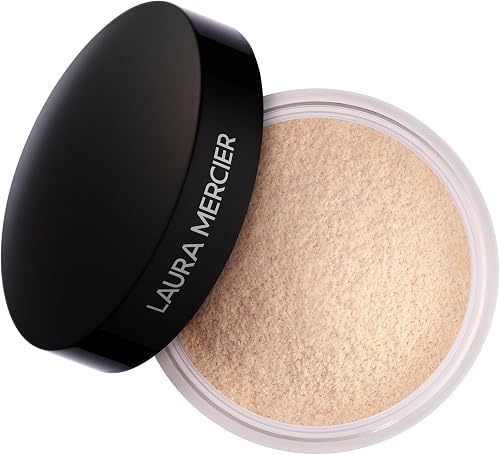
Best for: A makeup user needing a matte finish.
This powder is designed to control shine and set makeup for long periods. It’s highly regarded for its ability to leave a translucent finish without settling into fine lines. It’s an essential tool for those who want a flawless, matte look that lasts throughout the day.
It isn’t for someone looking to add color or coverage to their skin. The powder is truly translucent, meaning it won’t hide blemishes or change the color of your foundation underneath.
Good if:
- You have oily skin and need shine control.
- You want your makeup to last all day.
- You prefer a matte, poreless finish.
Skip it if:
- You want to hide skin discoloration.
- You prefer a dewy, glowing finish.
8. Maybelline Fit Me Matte + Poreless Pressed Face Powder Makeup

Best for: Someone wanting an everyday setting solution.
This pressed powder is excellent for blurring pores and controlling shine on the go. It provides a natural finish that works well for daily wear and is easy to apply. It’s a practical choice for those who want a simple solution to keep their makeup in place.
It isn’t for someone who needs heavy-duty, long-wear performance. While effective for daily use, it may require more frequent touch-ups compared to professional-grade setting powders.
Good if:
- You want a quick way to blur pores.
- You need a compact powder for travel.
- You want a natural, matte look.
Skip it if:
- You need all-day, high-performance wear.
- You have extremely oily skin.
9. Airspun Loose Setting Powder

Best for: Someone needing heavy-duty oil absorption.
This powder uses a unique microspun formula to create a soft, cloud-like finish. It’s highly effective at soaking up excess oil, making it a great choice for those who struggle with shine. It’s lightweight, yet it provides a strong matte finish that keeps makeup locked down.
It isn’t for someone who prefers a pressed powder format. Because it’s a loose powder, it can be slightly messier to apply if you aren’t careful with your brush or puff.
Good if:
- You have very oily skin.
- You want a soft-focus, matte effect.
- You prefer a lightweight, talc-free formula.
Skip it if:
- You want a convenient, travel-friendly pressed powder.
- You’re worried about potential spills during application.
10. Mehron Makeup Colorset Setting Powder
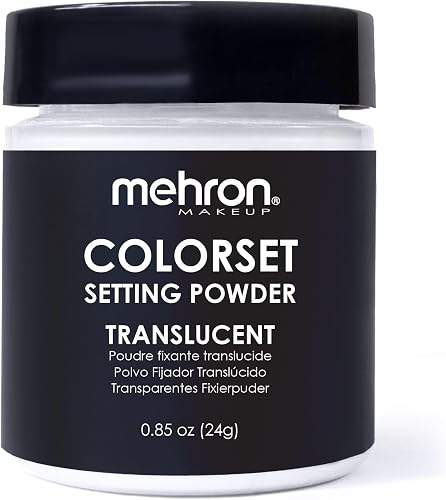
Best for: Performers needing professional-grade makeup security.
This is a high-performance powder designed to lock in cream makeup and prevent movement. It’s a favorite for stage, screen, and cosplay because it absorbs moisture effectively while keeping colors vibrant. It’s a must-have if you use heavy cream products that need to stay put.
It isn’t for the everyday user who only needs a light touch of powder to finish their daily look. The strength of this product is designed for heavy-duty makeup, which might be overkill for standard foundation.
Good if:
- You use heavy cream makeup or body paint.
- You’re a performer or cosplayer.
- You need extreme long-wear performance.
Skip it if:
- You’re looking for a light, everyday finish.
- You only wear minimal, light-coverage makeup.
Best Redshift Settings for Transparent Materials
The technical books like Physically Based Rendering and Ray Tracing Gems share a focus on the underlying math that powers modern rendering. If you’re a technical artist, these two are your primary references. Similarly, the makeup products like Laura Mercier, Maybelline, and Airspun all aim for the same goal: a matte, shine-free finish. The choice between those three comes down to your personal preference for loose versus pressed formats. The software-specific guides are genuinely different; they’re tools for immediate results, whereas the theory books are for long-term mastery. Choose the software guide for your current project and a theory book for your long-term growth.
Still Not Sure?
How often will I really use this?
If you’re working on a single project right now, a software-specific tutorial like Redshift Cinema 4D Tutorial will help you finish your work today. If you plan to make 3D rendering your career, you’ll use a theory book like Physically Based Rendering for years to solve complex lighting problems.
What do I already own that this must work with?
Check your current software ecosystem first. If you’re deep into Cinema 4D, the Redshift Cinema 4D Tutorial is the most logical step. If you’re using a mix of engines like Cycles or Arnold, a book on general material theory like Advanced Lighting and Materials will be more useful than a software-specific guide.
What am I most likely to regret choosing?
You’ll regret buying a highly technical reference like Ray Tracing Gems if you’re just looking for a quick fix for your render. Conversely, you’ll regret buying a basic tutorial if you’re actually looking for the deep, scientific “why” behind the settings. Choose your goal before the format.
The best path forward depends on your immediate needs: if you’re a professional needing to solve a specific look today, pick Redshift Cinema 4D Tutorial. If you’re a student of light wanting to master the craft for the long term, choose Physically Based Rendering. Start by identifying your primary toolset, then select the guide that matches your current skill level.
Frequently Asked Questions
How do I optimize Redshift for transparent materials?
Optimization starts with enabling “Refractions” in your render settings and ensuring your “Trace Depth” is set high enough for light to pass through your object. For professional standards, you can review the ISO 12647-7 guidelines regarding digital proofing and color consistency to ensure your transparent materials look accurate across different displays and outputs.
Should I use a loose or pressed setting powder?
Loose powders like Airspun are generally better for heavy oil absorption and setting cream-based products, while pressed powders like Maybelline Fit Me are better for touch-ups and portability. If you’re dealing with heavy makeup or stage greasepaint, the Mehron Colorset Setting Powder is designed specifically to handle those dense textures without caking.
Why do my transparent renders look dark?
Dark renders often happen because the “Ray Depth” or “Trace Depth” is too low, meaning the light rays are hitting a limit before they can exit the object. Increase your depth settings in the Redshift render tab. If you’re using complex shaders, ensure your “IOR” (Index of Refraction) values are set correctly for the material you’re trying to simulate.
How do I prevent flashback when using setting powder?
Flashback is usually caused by ingredients like silica or talc reflecting camera flashes. If you’re doing professional photography, look for powders like Laura Mercier Translucent Powder, which the listing states has no photo flashback.
Conclusion
Once you’ve settled on your preferred approach, try rendering a simple glass sphere in a few different lighting environments. You’ll quickly see how these adjustments change your final image. Don’t be afraid to experiment with the settings, as that’s how you’ll really get comfortable with your new creative tools.