
For simple interior home projects, Custom Building SimpleSet Mortar is the go-to choice, while heavy-duty stone or exterior work requires the robust performance of Ardex X 77 MICROTEC. Choosing the right adhesive depends on your specific tile type, installation location, and project timeline, as material requirements and drying times vary significantly between products.
As an Amazon Associate, we earn from qualifying purchases. This post contains affiliate links – if you buy through them, we may earn a commission at no extra cost to you.
1. Custom BLDG Products SimpleSet Pre-Mixed Thin-Set Mortar 1 QT

Best for: A first-time homeowner completing a small interior tiling project.
This mortar is a pre-mixed solution, which helps avoid the mess and guesswork often associated with traditional dry-mix mortars. It’s designed to bond common materials like porcelain, stone, and ceramic tile. Because it’s ready to use right out of the container, it’s well-suited for someone who wants to avoid the extra equipment needed for mixing cement.
If you’re working with tiles larger than 8″ x 8″, be aware that the drying time will increase significantly. This product is intended for interior walls and floors, meaning it isn’t the right choice for outdoor spaces or areas with high moisture. If you’re using lighter-colored stone or tile, the white version is recommended to keep the appearance clean.
Good if:
- You’re working on an interior wall or floor.
- You want to skip the mixing process entirely.
- You’re using smaller porcelain or ceramic tiles.
Skip it if:
- You need to install tile outdoors.
- You’re working with very large format tiles.
2. Ardex X 77 MICROTEC Polymer-Modified Thinset Mortar 40 lb Bag

Best for: Professionals or homeowners tackling high-traffic or outdoor areas.
This formula uses microfiber reinforcement and advanced polymers to provide superior flexibility and durability. It’s engineered to handle challenging environments, including commercial floors, patios, and terraces. The creamy consistency allows for smooth troweling, which helps ensure consistent coverage under your tiles.
Because this mortar is built for high performance, it supports a wide range of installation depths up to 5/8″. However, it’s a more technical product than a simple pre-mixed adhesive. It isn’t the best fit for a quick, small-scale DIY repair if you aren’t comfortable managing a full bag of mortar.
Good if:
- You’re tiling a high-traffic or exterior area.
- You need a product that resists efflorescence.
- You’re working with large or heavy natural stone.
Skip it if:
- You only need a small amount for a tiny fix.
- You’re looking for a pre-mixed, “open-and-go” solution.
3. MusselBound® Adhesive Tile Mat with Spacers

Best for: A beginner who wants a clean, fast wall tile installation.
This product replaces mortar with a double-sided adhesive mat. It’s designed to make wall tiling a less stressful and cleaner experience. By using a mat, you avoid the potential mess of mixing and spreading wet mortar, which is a common hurdle for new DIYers.
The listing doesn’t provide specific technical limitations, so it’s best suited for standard wall tile projects where you want a clean, straightforward application. It isn’t designed to replace mortar for floor applications where heavy weight or high-traffic pressure is a factor.
Good if:
- You’re tiling a wall and want a clean process.
- You’re new to tiling and want to avoid mortar.
- You want to save time on setup and cleanup.
Skip it if:
- You’re tiling a floor.
- You’re working with very heavy or irregular stone.
4. Ardex X 5 Polymer-Modified Tile & Stone Thin-Set Mortar 40

Best for: Installing large format stone or tile on vertical surfaces.
This polymer-modified mortar is designed for heavy-duty applications where sag resistance is essential. It allows you to place large tiles on walls without worrying about them slipping or needing constant repositioning. The formula is also water and frost resistant, making it a reliable choice for wet areas like showers or exterior spaces.
Because it’s designed for demanding conditions, it requires more preparation than a simple premixed paste. It’s a great choice for those who need a professional, long-lasting bond for heavy materials. If you’re only doing a light backsplash, this might be more performance than your project requires.
Good if:
- You’re installing large format tiles on a wall.
- You need a mortar that works in wet areas.
- You want a high-strength bond for natural stone.
Skip it if:
- You’re looking for a simple, ready-mixed solution.
- You only have a tiny amount of tile to install.
5. Henry 314 Premixed Mastic Adhesive 1 QT Ready Set

Best for: A quick interior repair or small ceramic tile job.
This is a ready-to-use mastic adhesive. It’s meant to be a simple, convenient option for those who don’t want to deal with mixing dry powders. It’s intended for standard ceramic tile applications.
Because it’s a premixed mastic, it’s limited to interior use and isn’t suitable for areas that will be submerged in water or subjected to freezing temperatures. If you need a heavy-duty solution for outdoor stone, this product won’t meet your needs.
Good if:
- You have a small ceramic tile project indoors.
- You want to start your project immediately.
- You prefer a simple, premixed adhesive.
Skip it if:
- You’re tiling a floor or an outdoor area.
- You’re using heavy natural stone.
6. Bauer Instant Polymer Cement

Best for: Rapid concrete and tile repairs where speed is the priority.
This polymer adhesive is designed for immediate use, skipping the wait time of traditional cement mixes. It’s a versatile tool that can handle everything from driveway cracks to small tile repairs. The resealable packaging is a helpful feature, as it allows you to store the remaining product for later use without wasting it.
While this is excellent for quick fixes, it isn’t intended for large-scale, primary tiling installations. If you’re tiling an entire room, you should use a dedicated thin-set mortar. This product is best treated as a repair adhesive for chips and small-scale fixes.
Good if:
- You need to perform a quick repair on a tile or concrete.
- You want a product you can store and reuse.
- You want to avoid mixing cement entirely.
Skip it if:
- You’re installing a large amount of new tile.
- You’re working on a major renovation.
7. Heavy Duty Construction Adhesive
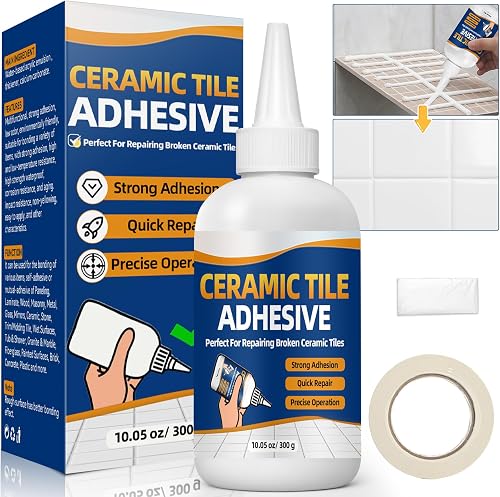
Best for: Versatile interior or exterior repairs on various surfaces.
This adhesive provides a strong, non-sag bond that works well on vertical surfaces. It’s designed to handle moisture and temperature changes, which makes it useful for both indoor and outdoor projects. You don’t need a caulking gun to apply it, which simplifies the process for those without professional tools.
For the best results, you must follow the curing time of 24–48 hours. While it’s very versatile, it isn’t a replacement for high-performance thin-set mortar when you’re setting a large floor area. It’s best used for bonding, renovations, and securing individual tiles or blocks.
Good if:
- You need to bond tile, stone, or wood to a surface.
- You want an adhesive that works in different weather conditions.
- You don’t want to use a caulking gun.
Skip it if:
- You’re tiling an entire floor area.
- You need an immediate, high-load bearing bond for large tiles.
8. Ardex X 3 Plus LHT Polymer-Modified Thin-Set Mortar 40 lb

Best for: Residential and light commercial tiling in kitchens and bathrooms.
This polymer-modified mortar is designed for a variety of materials, including porcelain, ceramic, and natural stone. It provides a high bond strength, which is essential for floor and wall installations in areas that see daily use. Because it works on substrates like cement backer board, it’s a common choice for bathroom and kitchen renovations.
While it’s very capable, it’s a dry-mix product. You’ll need to mix it properly with water before application. If you aren’t familiar with mixing mortar, make sure to follow the manufacturer’s instructions to ensure the right consistency for your specific tiles.
Good if:
- You’re renovating a kitchen or bathroom.
- You’re working with ceramic, porcelain, or stone.
- You need a solid bond for interior floor or wall tile.
Skip it if:
- You want a pre-mixed, “open-and-go” product.
- You’re working on a very small, quick repair.
9. Custom Building Products AcrylPro Ceramic Tile Adhesive 1 gal.

Best for: Standard ceramic tile wall installations.
This is a premixed ceramic tile adhesive. Like other mastics, it’s designed to be easy to apply straight from the container, which is ideal for DIYers who want to avoid the mess of mixing. It’s specifically formulated for ceramic tile.
Because it’s a premixed adhesive, it’s intended for interior use only. It isn’t suitable for exterior installations or areas that are frequently wet. Always check that your tile type is compatible with mastic before starting your project.
Good if:
- You’re working on an interior ceramic tile job.
- You want a premixed, easy-to-use adhesive.
- You’re a first-time DIYer.
Skip it if:
- You’re working outdoors.
- You’re using heavy natural stone or glass tile.
10. Pool Patch Pool Tile Thinset Adhesive Repair Kit 10 lb
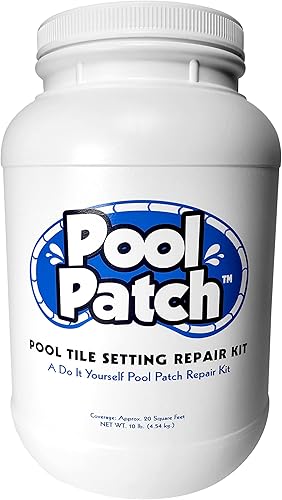
Best for: Repairs for tiles inside a swimming pool.
This is a specialized waterproof Portland cement-based adhesive. It’s designed to set ceramic or porcelain tiles that are submerged in water, such as waterline or cap tiles in a pool. The fast-setting nature of this product is a major advantage for pool owners who need to get their pool back in service quickly.
Because it’s a specialized repair kit, it isn’t meant for general home flooring or wall tiling. The 10 lb tub covers approximately 20 square feet, which is perfect for targeted repairs but not for building a pool from scratch.
Good if:
- You need to repair pool waterline or cap tiles.
- You need a fast-setting, waterproof adhesive.
- You’re a pool owner doing a DIY repair.
Skip it if:
- You’re working on a standard interior or exterior home project.
- You need to tile a large area.
Where These Overlap
Most of these products fall into two categories: ready-to-use premixed pastes and dry-mix mortars that require water. Products like Custom Building SimpleSet Mortar, Henry 314 Mastic, and Custom Building Products AcrylPro are very similar in their ease of use, as they’re all premixed and meant for interior, smaller-scale jobs. Choosing between them often comes down to brand preference or local availability. Conversely, products like Ardex X 77 MICROTEC, Ardex X 5, and Ardex X 3 Plus are geared toward more intensive, professional-grade installations. These require more effort to prepare but provide the durability needed for heavy stone, large tiles, or exterior environments.
Still Not Sure?
How often will I really use this?
If you’re doing one small, occasional repair, a premixed option like Bauer Instant Polymer Cement is better than buying a large bag of mortar that will sit in your garage. If you’re planning a large renovation, you need the reliable, bulk performance of a high-quality mortar like Ardex X 5.
What do I already own that this must work with?
Think about your tools. If you don’t have a bucket, a drill mixer, or a trowel, the MusselBound Adhesive Mat is the most accessible choice. If you have the tools and are comfortable with them, a dry-mix mortar like Ardex X 3 Plus will give you more control over the consistency and strength.
What am I most likely to regret choosing?
The most common mistake is choosing a premixed mastic for an area that requires mortar, such as a floor or a wet outdoor space. If you’re tiling a bathroom or a patio, don’t reach for a simple premixed mastic like Henry 314 Mastic; instead, choose a polymer-modified mortar like Ardex X 77 MICROTEC.
For most interior home jobs, Custom Building SimpleSet Mortar is the most straightforward choice. If you’re working on a high-stakes outdoor or heavy stone project, this advanced polymer-modified mortar is the better path. Ensure you have the right trowel size and follow the American National Standards Institute guidelines for tile installation to ensure a long-lasting result.
Related guides
- 10 Best Render Farm for Blender Services to Speed Up Projects
- 10 Best Render for Blender Picks for Every Kitchen Task
- 10 Best Render Farm for Blender Reddit Picks and Verdicts
Frequently Asked Questions
Is it okay to use premixed adhesive on a bathroom floor?
Premixed adhesives are generally intended for wall use and aren’t recommended for high-traffic floor areas. For bathroom floors, you should use a polymer-modified mortar like Ardex X 3 Plus, which provides the necessary bond strength and water resistance to handle foot traffic and moisture.
How do I know which mortar is right for large format tiles?
Large format tiles require mortar with high sag resistance to keep them from slipping on walls. Ardex X 5 is specifically designed for this, as its formula provides the support needed for heavy tiles. Always check the manufacturer’s recommendations for the maximum tile size permitted for the specific mortar you choose.
Do I need a special adhesive for pool tiles?
Yes, you need a waterproof, cement-based adhesive that can handle submersion. Pool Patch Thinset is developed by professionals for this exact purpose. Using a standard indoor adhesive or mastic in a pool is not recommended, as these products are not designed for constant water submersion.
Can I use the same mortar for both stone and ceramic tiles?
Many mortars are versatile enough to bond both stone and ceramic. However, you must check the specific listing to ensure it covers your material. If you’re using light-colored natural stone, use a white mortar to maintain the appearance.
Conclusion
Before you head to the store, grab a small sample of your tile and test it with a bit of mortar on a scrap board. It’s the best way to see how the bond holds up before you commit to a full room. You’ll feel much more confident once you’ve seen it work.