
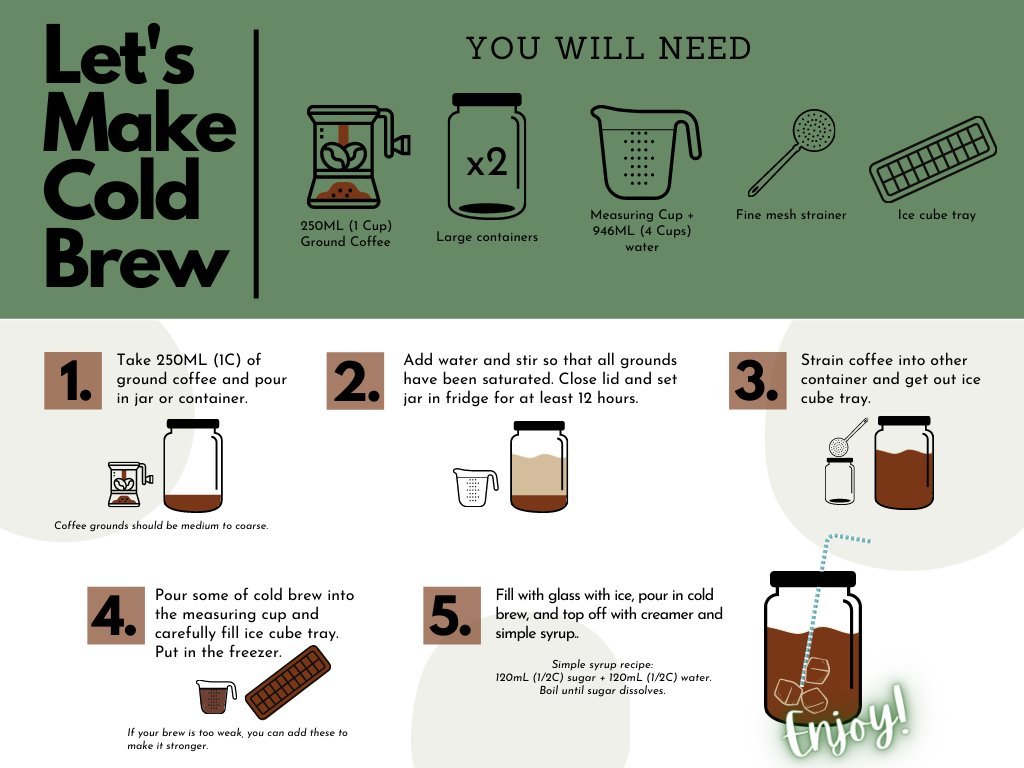
Brewed coffee how to make starts with 2 tablespoons of ground beans per 6 ounces of water, poured over slowly for about 4 minutes.
What to make brewed coffee
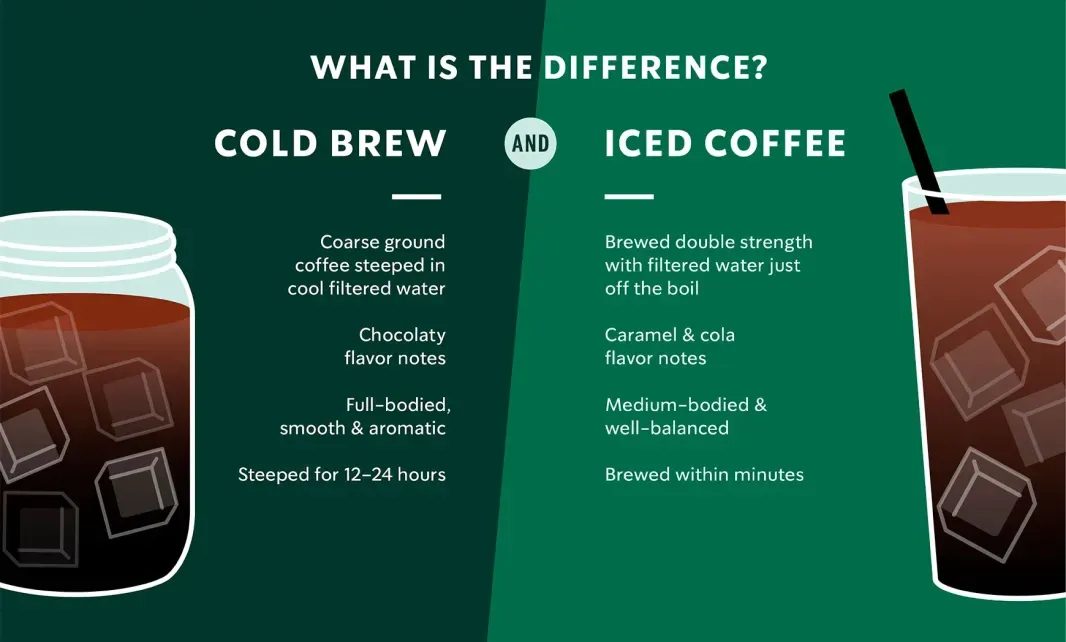
You don’t need much to start, but the right pieces matter more than fancy gear. Here’s what belongs on your counter.
- Fresh coffee beans: 2 tablespoons (about 10 grams) per 6-ounce cup, ground just before brewing.
- Water: filtered if your tap tastes like chlorine.
- Dripper or filter cone: ceramic or plastic, sized for 1–2 cups.
- Paper filters: size #2 for standard cones; unbleached ones leave less paper taste after rinsing.
- Gooseneck kettle: it controls where the water lands.
- Mug or carafe: pre-warmed so the coffee doesn’t cool instantly.
- Kitchen scale: measures both beans and water.
A regular kettle works but offers less pour control.
Steps to brew coffee by hand
These steps assume a standard pour-over dripper and a 1:15 ratio of coffee to water by weight.
- Heat 300 grams (about 10 ounces) of filtered water in your kettle until it reaches 200°F. Water straight off the boil can over-extract the grounds and turn them bitter.
- Place a paper filter in the dripper and set it on your mug. Pour a little hot water through the empty filter to rinse out the paper taste and warm the mug, then dump that water.
- Weigh 20 grams of coffee beans and grind them to a texture like sea salt. Put the grounds in the damp filter and give the dripper a gentle shake to level the bed.
- Pour 40 grams of hot water over the grounds, just enough to wet them all. Wait 30 seconds while the coffee swells and releases gas.
- Pour another 100 grams of water slowly in circles, starting from the center and moving outward. Don’t hit the paper directly or the water will skip the grounds entirely.
- Keep pouring in small circles until your scale reads 300 grams total. The whole process should take about 3 to 4 minutes.
- Lift the dripper off the mug once the stream slows to occasional drops. Don’t squeeze the last water through the filter.
Tip: If the water drains in under 2 minutes, your grind is too coarse and the cup will taste weak. Grind finer next time.
Careful: Don’t guess the water amount. Too much dilutes everything, and you can’t fix a watery cup after it’s brewed.
How brew time changes by method
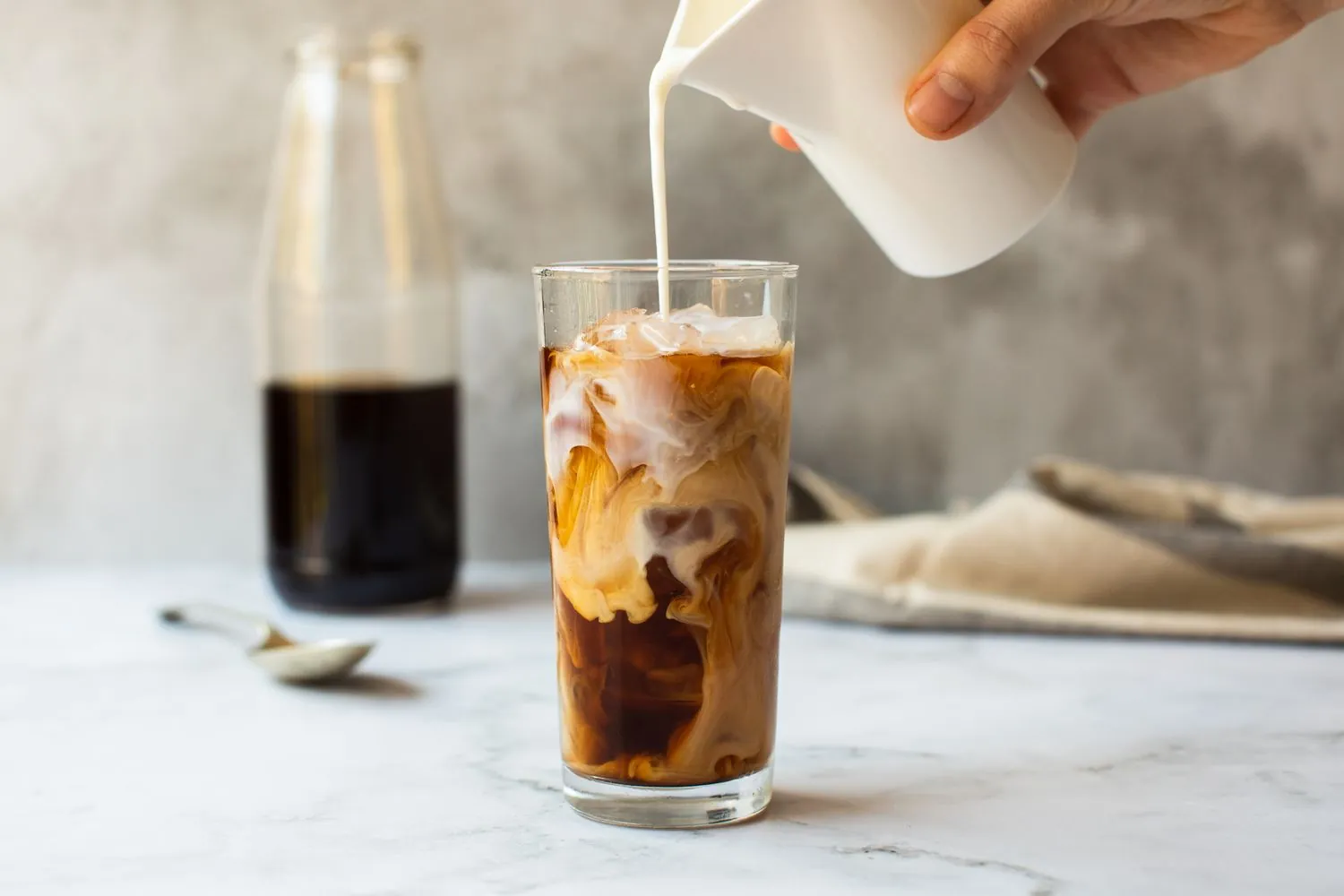
The numbers above fit a pour-over dripper.
| Method | Time needed | What changes | Watch for this |
|---|---|---|---|
| Pour-over dripper | 3–4 minutes | Medium grind, slow steady pour | Drain speed slowing to single drops |
| Automatic drip machine | 5–7 minutes | Machine sets the flow rate | Water pooling above the grounds |
| French press | 4 minutes steep | Coarse grind, full immersion | Plunger pushing down too easily |
| AeroPress | 1–2 minutes | Fine grind, pressed through a filter | Hissing air at the end of the press |
| Cold brew | 12–24 hours | Coarse grind, cold or room-temp water | Grounds floating dry on top |
Start with less water or shorter time; you can’t remove bitterness once extracted.
How to tell your coffee turned out well
A good cup smells sweet and fruity or nutty, depending on the bean. It shouldn’t taste like plain hot water or burnt toast. The color is clear, not muddy.
A sour, sharp sip means the water didn’t spend enough time with the grounds. A harsh, dry finish means it spent too long or the water was too hot.
To prevent that, let the kettle rest 30 seconds after boiling. Rinse your paper filter first, and keep your pours slow so the water doesn’t rush past the beans untouched.
Safety rules and cleanup
Brew between 195°F and 205°F for the best extraction.
After you finish, toss the paper filter and grounds into your compost bin. Rinse the dripper with plain water so old oils don’t build up and spoil tomorrow’s cup.
Coffee left in a glass carafe on a warmer turns stale within 20 minutes. Drink it fresh, or pour leftovers into a sealed thermos. If you’ve already added milk, don’t leave it sitting out longer than two hours, since dairy spoils quickly at room temperature.
Other ways to get your cup
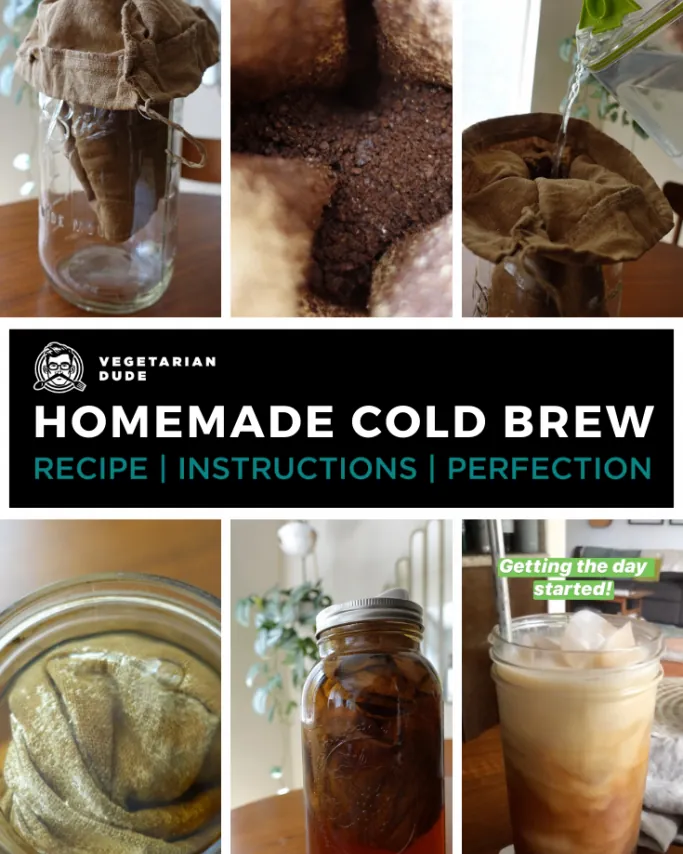
Using an automatic drip machine
Add medium-ground coffee to the basket and fill the reservoir with cold water. Press start and wait 5 to 7 minutes. You give up control over water temperature and pour speed.
Steeping with a French press
Use coarsely ground beans and pour hot water directly over them. Steep for exactly 4 minutes, then press the plunger down slowly. You’ll get a heavier body, but fine sediment will settle at the bottom of your mug.
Buying from a local roaster
Walk in and order a single pour-over. It saves buying equipment, though you’ll pay a few dollars per cup.
Frequently asked questions
How much coffee do I use for one cup?
Use 2 tablespoons, or about 10 grams, for every 6 ounces of water. That’s a 1:15 ratio by weight. If you prefer a stronger taste, try 12 grams instead, but don’t go past 15 grams or it turns harsh.
Can I use tap water for brewing?
Yes, if it tastes fine on its own. If your tap water smells like chlorine, it’ll ruin the flavor. Run it through a basic pitcher filter first, or buy spring water. Never use distilled water, because coffee needs minerals to extract properly.
Why does my coffee taste sour?
Sourness means the water moved through the grounds too fast. Your grind is likely too coarse, or you didn’t use enough coffee. Try grinding one step finer next time. Make sure your water is close to 200°F, because cool water won’t extract the sweeter compounds.
Is it safe to reheat brewed coffee?
Yes, reheating it’s perfectly safe, though the flavor gets flatter and more bitter. Warm it gently in a microwave for 30 seconds at a time. Don’t let it boil. If you added milk earlier, only reheat coffee that stayed in the fridge.
How long does brewed coffee stay fresh?
Black coffee tastes best within 30 minutes of brewing. After an hour on a warming plate, the oils break down and it turns bitter. In a sealed thermos, it stays decent for about 4 hours. Throw away anything older than a day.
What happens if I use boiling water?
Boiling water (212°F) can over-extract the coffee grounds and pull out harsh, bitter flavors. Let your kettle sit for 30 to 60 seconds after it clicks off. That usually drops the temperature to the 200°F sweet spot.
Can I reuse coffee grounds for a second cup?
No, the first pour takes almost all the flavor and caffeine out. Running water through used grounds just gives you brown, bitter water. Toss them in the garden or compost bin instead of trying to brew again.
Conclusion
Pick one method and stick with it for a week before changing your grind size or water temperature. Small adjustments make a bigger difference than switching your whole setup, so change just one thing at a time until the cup tastes exactly the way you want it.