
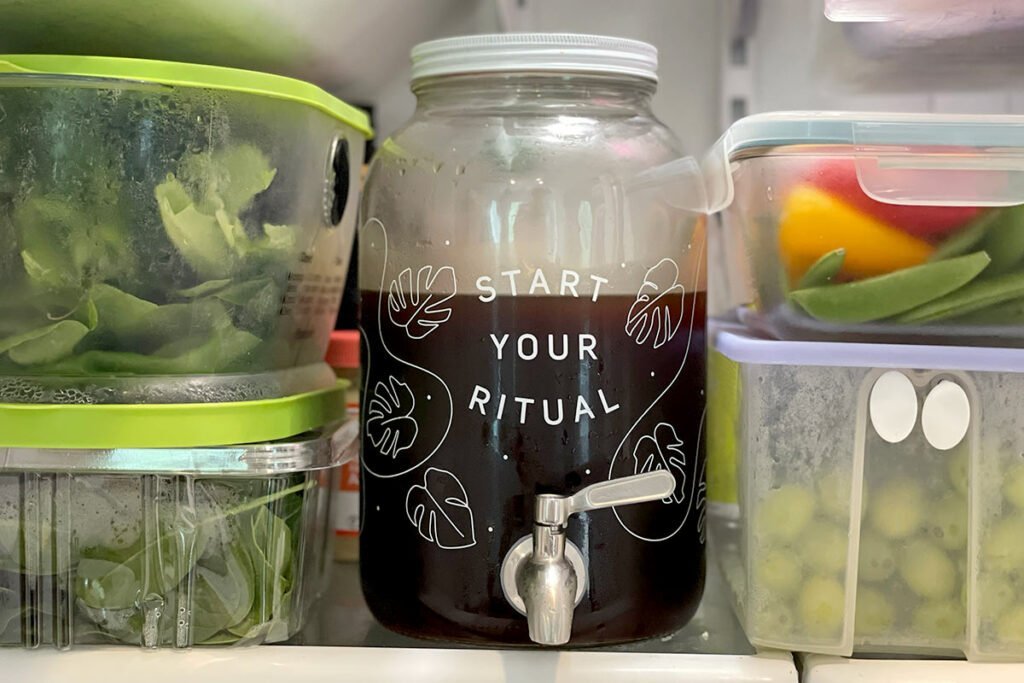
Yes, you can brew cold brew in the fridge. The answer to whether you can brew cold brew in the fridge is yes, but it takes 18 to 24 hours instead of the usual 12 to 18 at room temperature.
Fridge vs counter brewing times
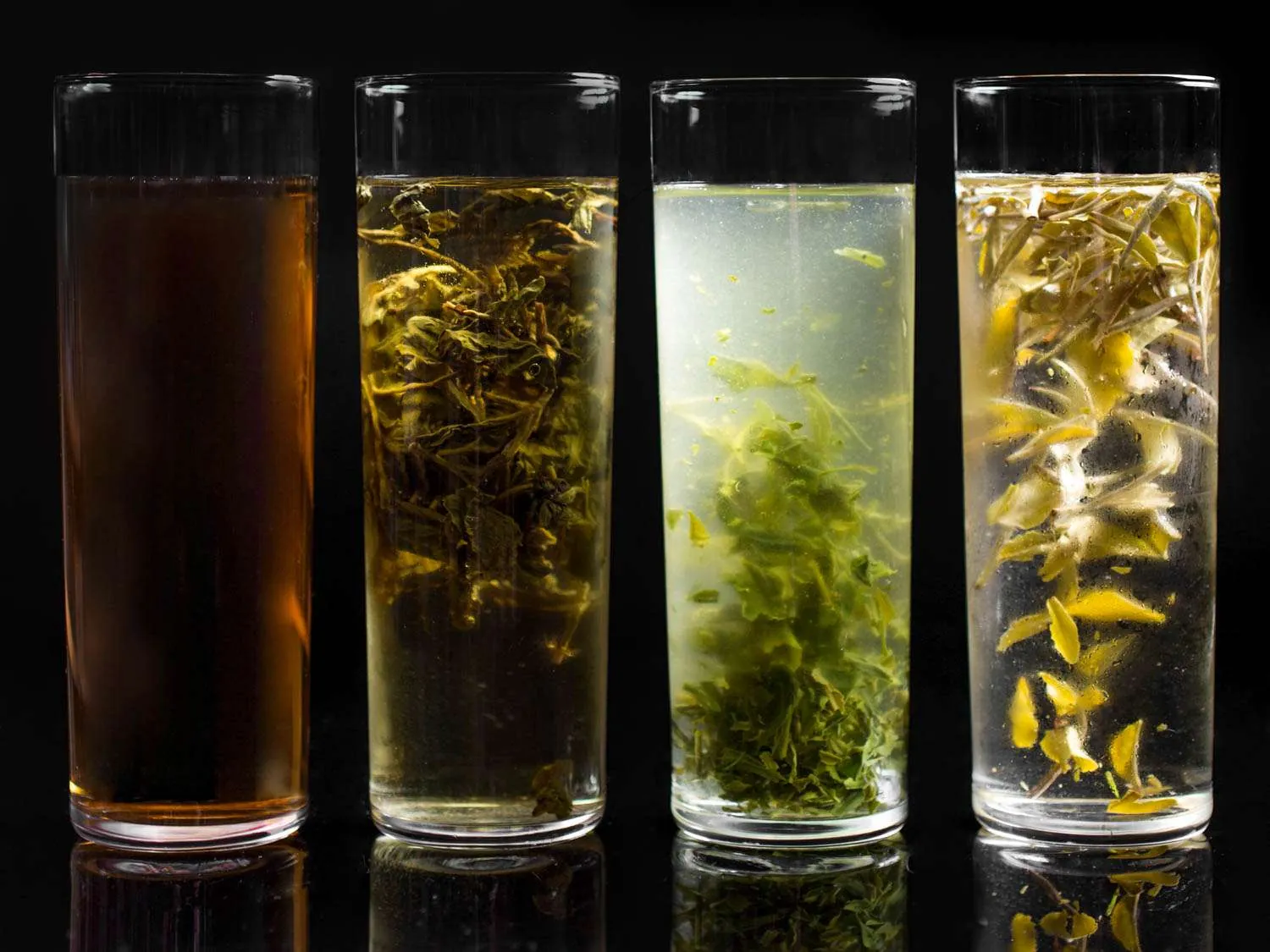
Your brewing location changes the timeline more than any other factor. Use this table to pick the method that fits your schedule and taste preference without guessing.
| Your situation | Answer | Why |
|---|---|---|
| Want smooth, low-acid coffee | Yes, use fridge | Cold air limits bitter compound extraction |
| Need coffee in under 16 hours | No, use counter | Fridge temps slow extraction too much |
| Brewing for meal prep safety | Yes, use fridge | Stays below 40°F during entire process |
| Prefer brighter, fruitier notes | No, use counter | Warmth extracts volatile aromatics faster |
| Using a very dark roast | Yes, use fridge | Prevents harsh, ashy over-extraction |
| Forgot to start last night | No, use counter | Room temp finishes in 12-18 hours |
| Making concentrate for storage | Either works fine | Dilution masks minor flavor differences |
Temperature controls extraction speed
Water temperature decides how fast flavor compounds dissolve from the grounds. The USDA notes that keeping food below 40°F prevents bacterial growth, making fridge brewing safer, but the cold environment slows extraction rates dramatically.
Coffee solubles extract efficiently between 65°F and 75°F, while refrigerator temperatures hover around 37°F. This gap means chemical reactions proceed at roughly half the speed, requiring nearly double the contact time to achieve similar strength.
If your kitchen stays above 75°F or you’re brewing longer than 20 hours, choose the fridge; if you need results before the 18-hour mark or prefer complex acidity, stick to the counter.
Steps for successful fridge brewing
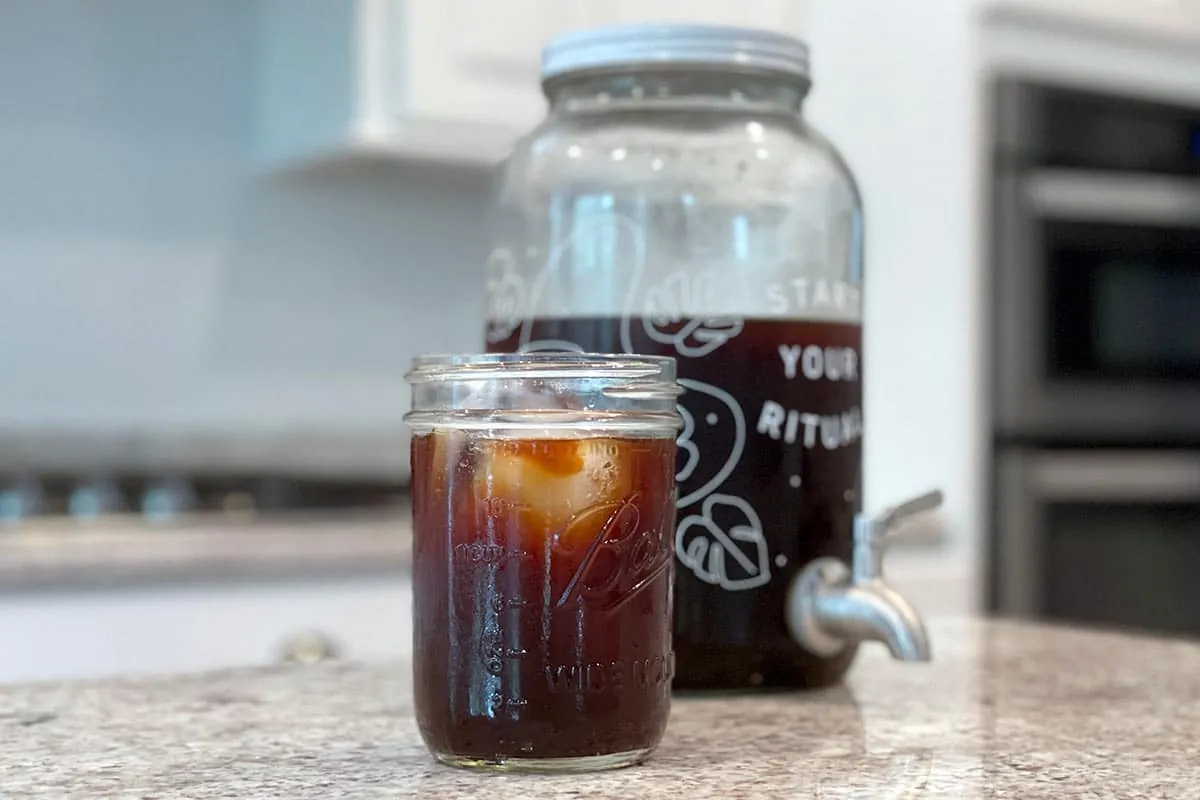
Fridge brewing demands adjustments to compensate for slower extraction kinetics. Follow these steps to avoid weak, underdeveloped coffee that wastes your beans and your patience.
- Grind coarser than usual. Use a texture like raw sugar, slightly finer than typical cold brew grind, to increase surface area for cold water. The sign it’s right is saturated grounds without muddy sediment after filtering.
- Increase ratio by 10%. Use 1:7 weight ratio for concentrate instead of 1:8 to offset reduced extraction efficiency. You’ll know it worked when the undiluted concentrate tastes strong but not sour.
- Use filtered water at fridge temp. Pre-chill water to avoid warming the mixture during mixing, which creates inconsistent extraction zones. Properly mixed slurry looks uniformly wet with no dry pockets.
- Seal container airtight. Prevent odor absorption and moisture loss over the extended steep period using glass jars with rubber gaskets.
- Steep 18 to 24 hours minimum. Set a timer for 20 hours as your baseline check point rather than assuming 12 suffices. Taste test shows full body without sharp acidity when extraction completes.
- Strain through paper filter. Metal mesh leaves fines that continue extracting in storage, turning bitter overnight. Clean cup with no grit confirms proper filtration.
- Store concentrate immediately. Refrigerate strained liquid within 30 minutes to preserve freshness. Stable flavor after three days indicates correct handling.
Skipping the ratio adjustment
Using a standard room-temperature recipe in the fridge produces weak, flat coffee. Check your concentrate strength by tasting it undiluted before committing to the batch; it should taste noticeably stronger than you’d drink it straight.
When fridge brewing isn’t safe
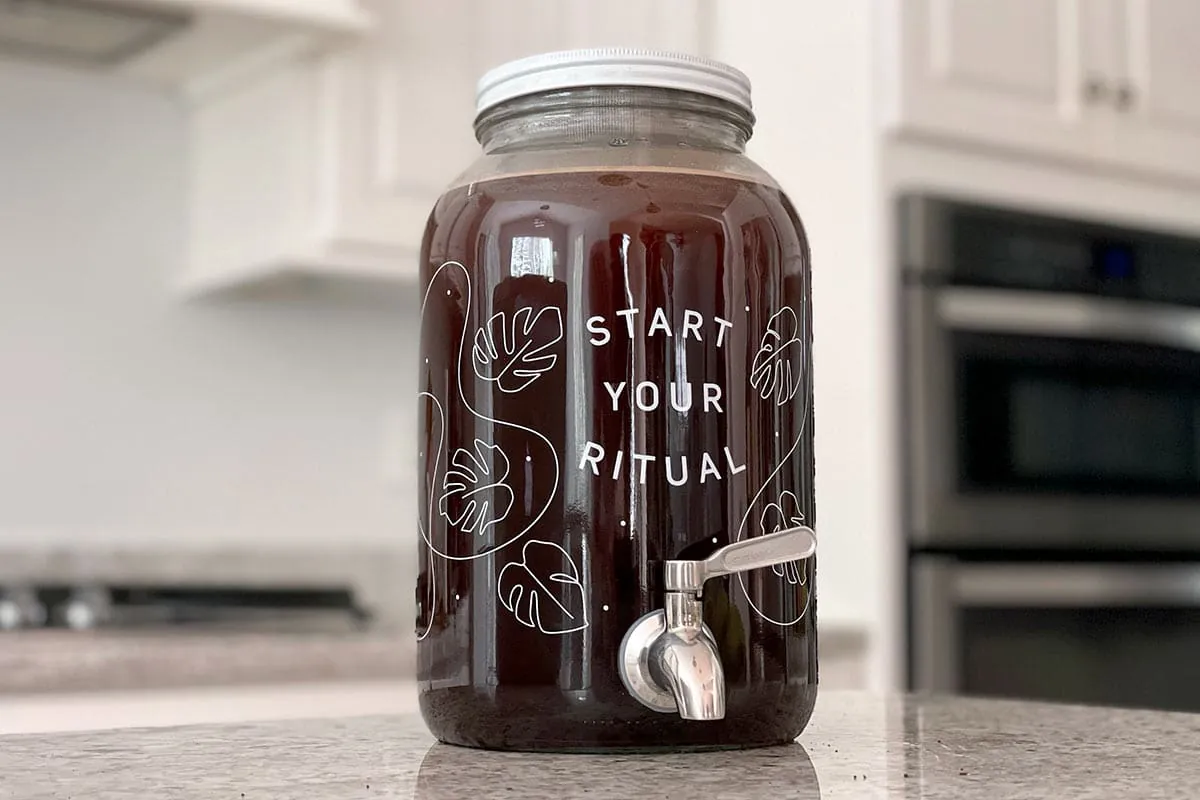
Some situations require abandoning DIY cold brew entirely rather than risking spoilage or illness. Stop and seek professional guidance when these signs appear.
- Fridge reads above 40°F consistently, indicating equipment failure that risks pathogen growth during long steeps; contact appliance repair services.
- Coffee develops slimy texture or fermented smell before 48 hours, signaling contamination beyond salvage; discard batch and sanitize all equipment thoroughly.
- You lack reliable refrigeration for the full steep plus storage duration, creating unsafe temperature abuse windows; switch to shelf-stable commercial cold brew.
- Immune compromise makes even minor food safety risks unacceptable; purchase commercially processed ready-to-drink options from regulated manufacturers instead.
- Mold appears on grounds or vessel interior despite cleaning, suggesting persistent biofilm colonization; replace porous equipment and consult food safety resources.
Frequently asked questions
Can I brew cold brew in 12 hours in the fridge?
No, 12 hours produces weak, underextracted coffee at refrigerator temperatures. You need 18 to 24 hours minimum because cold water extracts solubles roughly half as fast as room temperature water does.
Why does my fridge cold brew taste weak?
Weak flavor comes from insufficient extraction time or too little coffee relative to water. Increase your ratio by 10% or extend steeping to 24 hours, since cold temperatures slow chemical extraction significantly.
Is it safe to steep coffee at room temperature instead?
Yes, room temperature brewing is safe for 12 to 18 hours if your kitchen stays below 75°F. Beyond that window or in hot environments, bacterial risk increases and fridge brewing becomes the safer choice.
Does fridge brewing reduce caffeine content?
Slightly, yes. Colder water extracts caffeine less efficiently, yielding roughly 10% to 15% less than identical room-temperature batches. Compensate by using more grounds or accepting marginally lower stimulation per serving.
What happens if I leave cold brew in the fridge too long?
Over-extraction after 30 hours brings out harsh tannins and woody bitterness that ruin the batch. Strain at 24 hours maximum and store the finished concentrate separately from spent grounds.
Can I use pre-ground coffee for fridge brewing?
Yes, but expect weaker results because pre-ground loses volatile compounds faster and often grinds too fine for optimal cold extraction. Freshly ground coarse beans always produce superior flavor clarity and strength.
How long does fridge-brewed concentrate last?
Seven to ten days refrigerated in a sealed glass container is the generally recommended window. Discard earlier if you detect sourness, cloudiness, or off odors developing.
Next steps for fridge cold brew
Start your first fridge batch tonight using a 1:7 ratio and a 20-hour timer as your baseline. Expect smooth, low-acid concentrate that tastes clean and sweet when properly extracted, confirming your timing adjustment worked. If the result tastes thin or sour after straining, your fridge may run warmer than assumed and you should verify its actual temperature before trying again.