
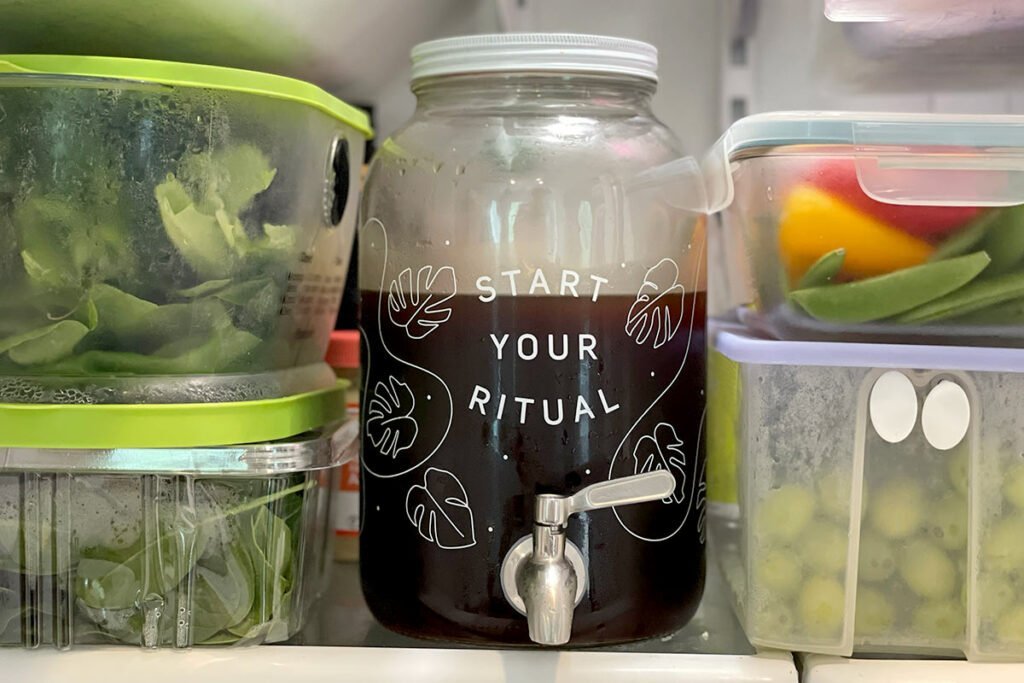
Yes, you can make cold brew in the fridge. The answer to whether you can make cold brew in the fridge is yes, but it takes 18 to 24 hours instead of the standard 12 to 18 at room temperature. Start your batch tonight if you want coffee by tomorrow evening, because the cold air slows extraction significantly.
When fridge brewing works best
Your setup determines whether the fridge is the right spot or just a slower alternative to the counter.
| Your situation | Answer | Why |
|---|---|---|
| Standard 12-hour timeline | No | Fridge temps need 18-24 hours for full extraction |
| Planning 24+ hours ahead | Yes | Extended time compensates for slower cold extraction |
| Hot kitchen above 75°F | Yes | Prevents sour fermentation during long steeps |
| Using pre-ground coffee | Yes | Slower extraction reduces bitter over-extraction risk |
| Need coffee by morning | No | Counter brewing hits target strength in 12-18 hours |
| Making concentrate for storage | Yes | Lower temp yields cleaner flavor for dilution later |
| Fine grind size only available | Yes | Cold environment prevents harsh, muddy results |
Temperature controls extraction speed
Water temperature decides how fast flavor compounds dissolve from the grounds. Colder water requires significantly longer contact time to achieve comparable strength because chemical reactions slow down as heat drops. Room temperature water extracts oils and acids efficiently within half a day, while refrigerator temperatures around 38°F demand nearly double that duration.
If your schedule allows a full day of steeping, then use the fridge for a smoother, less acidic profile; if you need coffee in under 18 hours, then brew on the counter and refrigerate only after straining. Check your specific fridge’s actual temperature with a thermometer, as some units run warmer than the dial suggests and may shift these timelines by several hours.
Steps for successful fridge brewing
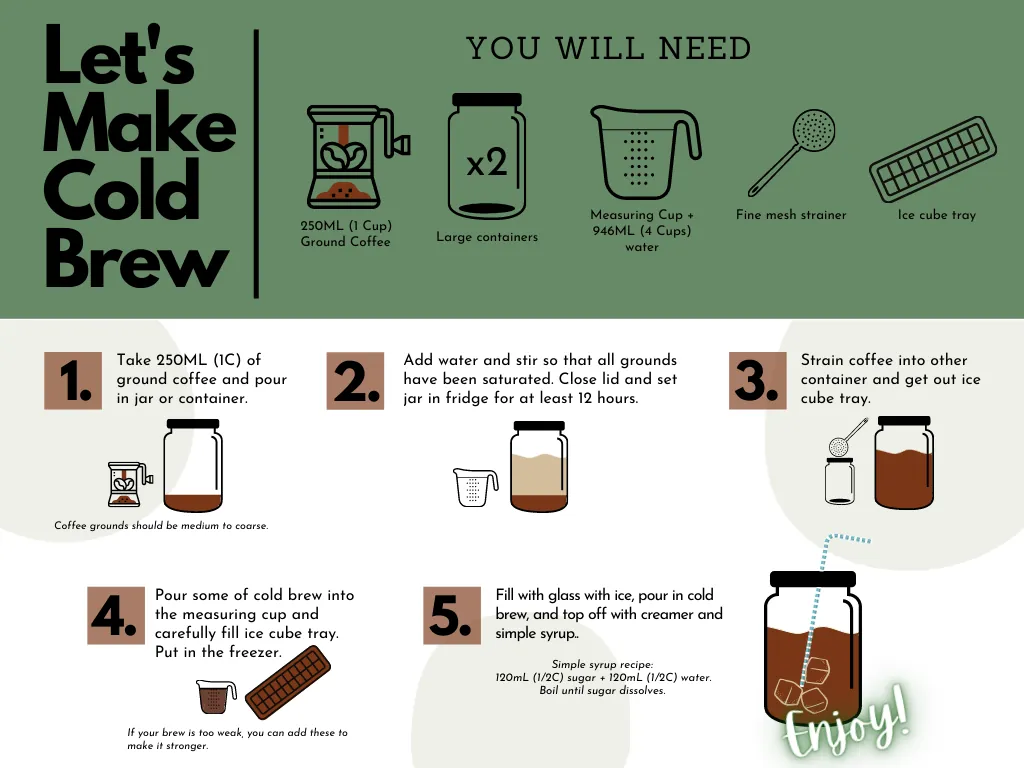
Follow this method to ensure proper extraction despite the lower temperature environment.
- Use a coarser grind. Set your grinder to coarse sea salt texture to prevent sludge, since fine particles won’t settle well in cold liquid and create bitterness.
- Increase coffee ratio slightly. Use 1 cup of grounds per 4 cups of water instead of the standard 1:5 ratio to compensate for reduced extraction efficiency in cold water.
- Stir thoroughly before sealing. Mix until all grounds are fully saturated and no dry pockets remain, which ensures even flavor development throughout the entire batch.
- Place container in coldest zone. Store on a middle or back shelf rather than the door where temperature fluctuates every time someone opens it.
- Wait minimum 18 hours. Don’t strain early even if it looks dark, because color develops faster than actual flavor compounds in cold conditions.
- Strain through paper filter. Pour through a lined mesh strainer to remove sediment that tastes gritty and makes the final cup unpleasantly heavy.
- Taste before storing. Sample a spoonful diluted with water to confirm strength, adjusting future batches based on this result rather than guessing.
Skipping the extended steep time
Rushing the process produces weak, sour coffee that wastes expensive beans. People often assume 12 hours in the fridge equals 12 hours on the counter, but they get an under-extracted batch that lacks sweetness and body. This mistake costs them the entire batch and forces a restart.
Always set a timer for at least 18 hours when brewing cold, and taste-test at that mark before deciding it’s finished. If it still tastes thin or sharp, return it to the fridge for another four to six hours rather than accepting a disappointing result.
When to stop DIY troubleshooting
- Mold appears on surface or lid, indicating contamination that requires discarding the batch and thoroughly sanitizing equipment.
- Coffee smells fermented or alcoholic, signaling yeast activity beyond acceptable quality limits that home fixes can’t reverse.
- Fridge consistently reads above 40°F, creating unsafe food storage conditions requiring appliance repair technician service.
- Equipment shows cracks or seal failures, risking leaks and contamination that manufacturer support should address directly.
Frequently asked questions
Can I use regular ground coffee?
Yes, but expect more sediment and potential bitterness. Pre-ground coffee is typically finer than ideal for cold brew, so strain through a paper filter and consider reducing steep time by two hours to avoid over-extraction.
Why does my fridge brew taste weak?
Insufficient time is usually the cause. Fridge brewing needs 18-24 hours minimum; if yours tastes watery at 12 hours, extend steeping by six-hour increments until desired strength appears without adding extra grounds.
Is it safe to leave grounds in fridge?
Yes, for up to 24 hours total steep time. Beyond that point, oxidation and microbial risk increase noticeably. Strain promptly once target flavor is reached and store finished concentrate separately from grounds.
Does fridge brewing reduce acidity?
Yes, compared to room temperature methods. Colder water extracts fewer acidic compounds while preserving smooth chocolate and nutty notes, making this method preferable for sensitive stomachs or those avoiding bright, tangy profiles.
How long does finished cold brew last?
Seven to ten days refrigerated in sealed containers. Flavor degrades gradually after day five, so label your batch with the strain date and consume oldest stock first to maintain quality.
Can I speed up fridge brewing?
Not effectively. Agitation or warming defeats the purpose of cold extraction. If you’re short on time, start on the counter for eight hours then move to fridge for remaining ten to twelve hours safely.
What ratio works best in fridge?
One cup coarse grounds per four cups water accounts for slower extraction. This produces ready-to-drink strength; for concentrate meant for dilution, use one cup grounds per three cups water instead.
Getting started with fridge cold brew
Begin your first fridge batch tonight using the adjusted ratio and coarse grind specified above. Expect a smoother, less acidic cup after 18 to 24 hours, confirmed by tasting a diluted sample before straining. Stop and discard the batch immediately if you detect any off odors, visible mold, or unexpected fermentation signs during the steep.