

Yes, you can overbrew cold brew. Leaving grounds in water past 24 hours at room temperature pulls bitter compounds that ruin the flavor. If your batch has been sitting out longer than a day, strain it now and taste before adding anything else.
When cold brew goes too far
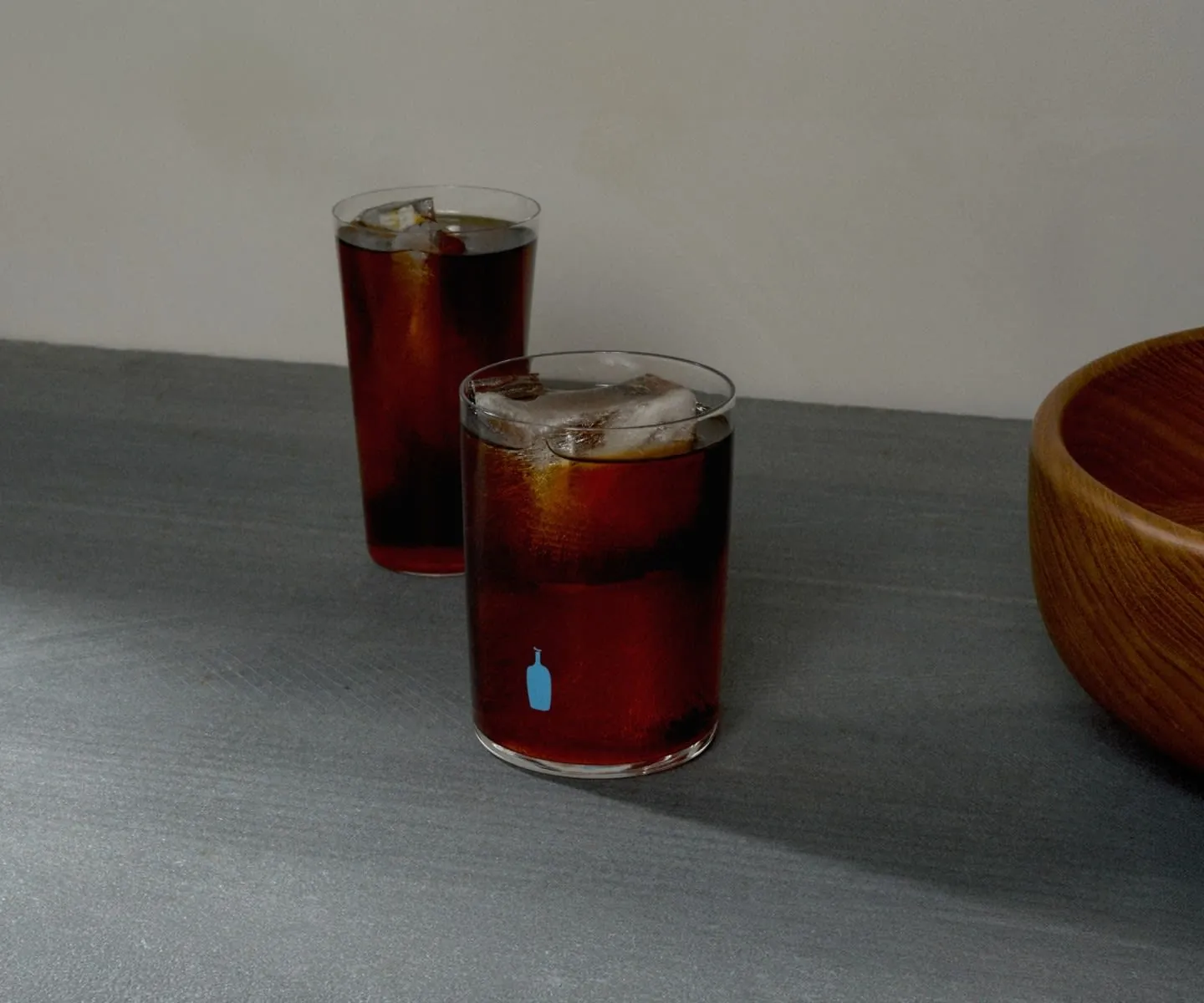
The steep time decides whether your batch tastes smooth or harsh. Here’s how different setups change what you’ll get.
| Your situation | Answer | Why |
|---|---|---|
| Room temp, 12-24 hours | No | Sweet extraction finishes here. |
| Room temp, over 24 hours | Yes | Bitter tannins dissolve into the water. |
| Fridge, 18-24 hours | No | Cold slows extraction safely. |
| Fridge, over 36 hours | Yes | Even cold water eventually pulls bitterness. |
| Fine grind, any time | Yes | Small particles release bitter compounds fast. |
| Coarse grind, under 12 hours | No | Large pieces haven’t released enough flavor yet. |
What makes coffee taste bitter
Extraction is just water pulling flavor from roasted beans. Sugars and pleasant acids dissolve first. Tannins and bitter plant compounds come out last. Time and temperature control this order.
Cold water slows everything down. That’s why cold brew needs 12 to 24 hours instead of four minutes like hot coffee. But slow doesn’t mean it stops forever. Leave grounds in long enough, and the water still reaches those harsh compounds.
Grind size matters just as much. Fine grounds have more surface touching the water. They give up their bitter parts faster than coarse chunks do.
You don’t need a timer running perfectly to avoid trouble. Check your own batch by tasting a spoonful at 12 hours; if it’s sharp or drying on your tongue, the bitter compounds are already dissolving and you should strain it immediately.
If your kitchen stays above 75°F, strain at 12 hours; if it’s cooler or you’re using the fridge, you have up to 24 hours.
How to fix an over-steeped batch
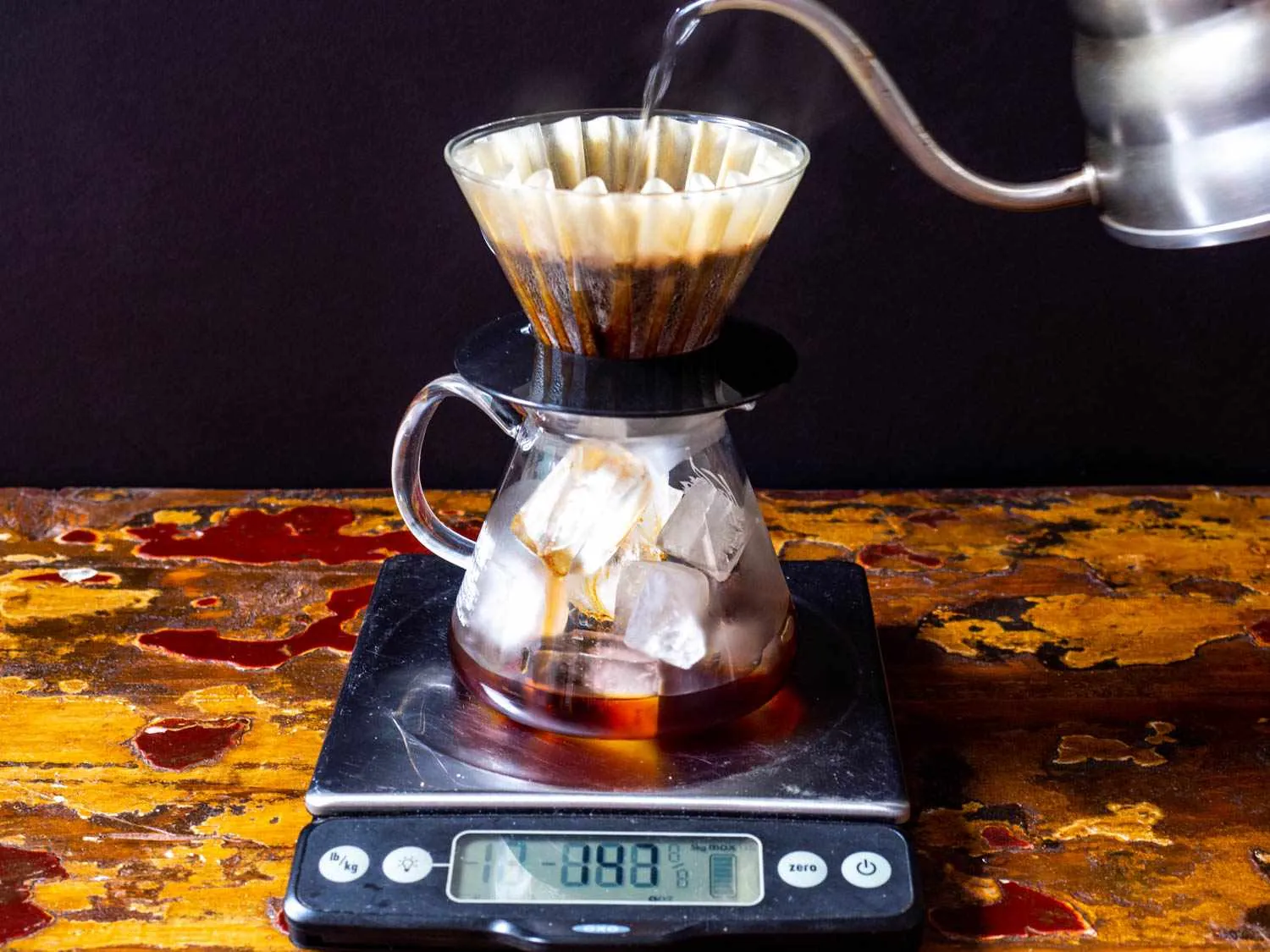
You can’t remove the bitter compounds once they’ve dissolved into the water. But you can save the drink by changing how you serve it. Follow these steps right after straining out the grounds.
- Strain through paper. Pour the liquid through a paper coffee filter. This catches fine silt that keeps extracting in the jar. The liquid should look clear, not cloudy.
- Dilute with water. Add equal parts fresh cold water to the concentrate. Over-extracted batches are stronger than usual. Dilution lowers the bitter taste per sip.
- Use milk or cream. Fat coats your tongue and reduces the perception of bitterness. Stir in 2 ounces of whole milk or oat milk per 8-ounce glass. The drink should feel smoother immediately.
- Add a tiny pinch of salt. Salt suppresses the perception of bitterness more effectively than sugar does. Use less than 1/8 teaspoon per full pitcher. You shouldn’t taste the salt itself.
- Serve over lots of ice. Ice melts slowly and dilutes further. Fill the glass completely. Each sip gets milder as you drink it.
These steps work for batches that sat out too long but still smell like coffee. Don’t bother if the liquid smells sour or like vinegar.
Trusting the clock instead of your tongue
Leaving a jar on the counter for 48 hours because a recipe said “steep overnight” ruins the batch. That extra day pushes bitter tannins into the water. You’ll end up pouring a whole pitcher down the drain.
A recipe’s time assumes a specific grind size and room temperature. Your kitchen isn’t their kitchen. A coarse grind might need 20 hours. A medium-coarse one could turn harsh at 16.
Taste the liquid at the 12-hour mark. Dip a clean spoon in. If it tastes balanced and slightly sweet, strain it. If it’s weak, check again in four hours. Your tongue is the only tool that knows when your specific batch is done.
When to throw the batch out

Stop trying to fix the coffee if you notice these signs. At this point, it’s no longer a simple brewing question.
- It smells sour or fermented, which means bacteria grew while it sat out.
- White film floats on top, because mold spores landed in an uncovered jar.
- The liquid feels slimy, indicating bacterial colonies formed in the water.
- It sat unrefrigerated past 48 hours, crossing the safety limit the FDA sets for perishable foods left in the danger zone.
Pour it out if any of these happen. Don’t try boiling or filtering it safe. Food safety issues require proper handling, not kitchen tricks.
Frequently asked questions
Can I leave cold brew out overnight?
Yes, 12 to 16 hours on the counter is normal for room-temperature brewing. Just keep it covered. Strain it before you go past 24 hours to stop bitter flavors from developing.
Why does my cold brew taste sour?
Sourness usually means under-extraction, not over-extraction. Your grind was likely too coarse, or you didn’t steep it long enough. Try grinding slightly finer next time, or add four more hours to your steep.
How long does cold brew last in the fridge?
Strained cold brew stays good for 7 to 10 days in a sealed container in the fridge. Keep it away from strong-smelling foods. It loses its bright flavor after day five.
Is it safe to drink over-steeped cold brew?
Yes, if it was kept in the fridge or brewed under 24 hours at room temperature. It just tastes bad. Throw it out if it sat unrefrigerated for two days or smells off.
Does grind size change the steep time?
Yes, a lot. Fine grinds extract fully in 8 to 12 hours. Coarse grinds need 18 to 24 hours. Using a fine grind for a full day guarantees a bitter, harsh cup.
What happens if I reuse old grounds?
You’ll get weak, flat-tasting water. All the good flavors dissolved during the first batch. The second steep mostly pulls leftover woody notes. Always start with fresh grounds.
Can I speed it up with warm water?
No, warm water changes the chemistry entirely. You’ll extract acidic and bitter compounds that cold water leaves behind. It won’t taste like cold brew anymore. Stick to cold or room-temperature water.
Checking your next cold brew batch
Start your next batch with a coarse grind and set a reminder for 12 hours. Taste it then, and expect a smooth, slightly sweet liquid without any sharp bite on your tongue. If it tastes woody, sour, or dries out your mouth, pour it out and adjust your timing or grind size next time.