
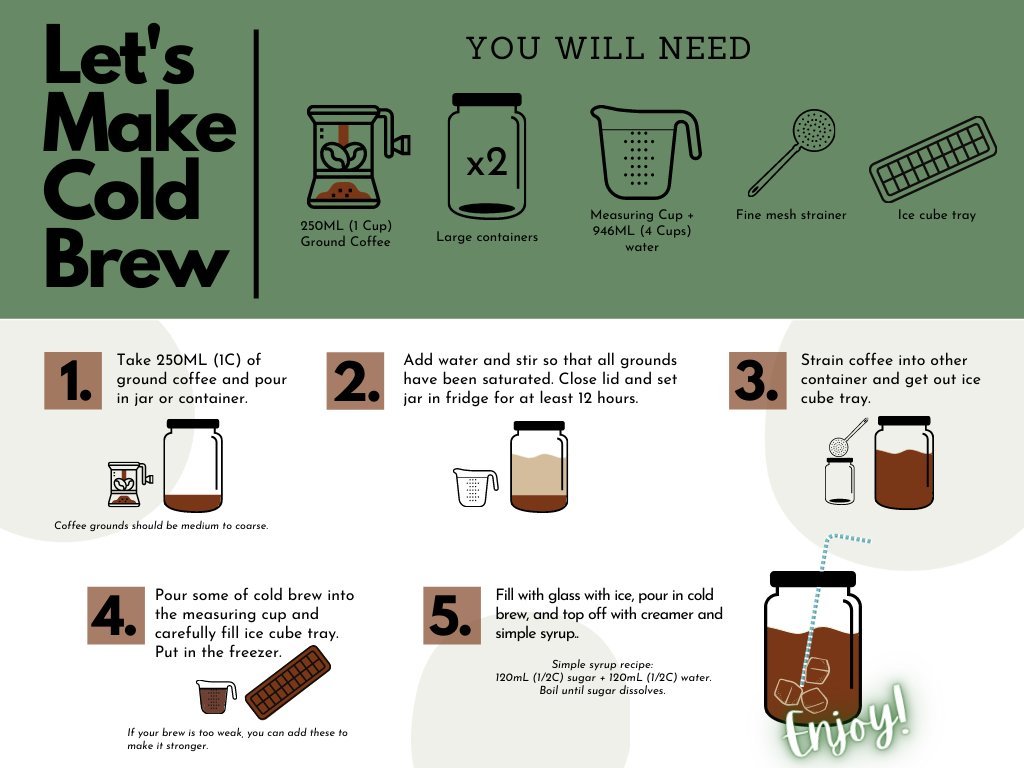
Cold brew coffee is a method of extraction where coarse grounds steep in room-temperature or cold water for 12 to 24 hours to create a smooth, low-acid concentrate. Because it uses time instead of heat to pull flavor from the beans, the resulting liquid tastes sweeter and less bitter than hot-brewed coffee.
Essential components for brewing
| Part or input | What it does | What you notice when it goes wrong |
|---|---|---|
| Coarse coffee grounds | Provides surface area for extraction | Muddy, bitter, or silty coffee |
| Cold or room-temp water | Acts as the solvent for flavor | Weak, flavorless, or sour results |
| Steeping container | Holds the grounds and liquid | Leaks or off-flavors from plastic |
| Filter or strainer | Separates grounds from concentrate | Gritty texture in the final cup |
| Refrigerator | Slows bacterial growth during steep | Unsafe storage or spoilage risk |
Steps to brew your coffee
- Measure 1 cup of coarsely ground coffee beans for every 4 cups of filtered, room-temperature water.
- Pour the water over the grounds in your container, ensuring all grounds are fully saturated and wet.
- Cover the container tightly to prevent the coffee from absorbing odors or bacteria from your refrigerator air.
- Let the mixture sit undisturbed for 12 to 24 hours depending on the strength you prefer for consumption.
- Strain the mixture twice using a fine-mesh sieve or a paper filter to remove all fine particles.
- Store the resulting concentrate in a clean, airtight glass bottle in your refrigerator for up to 14 days.
Why the brewing method matters
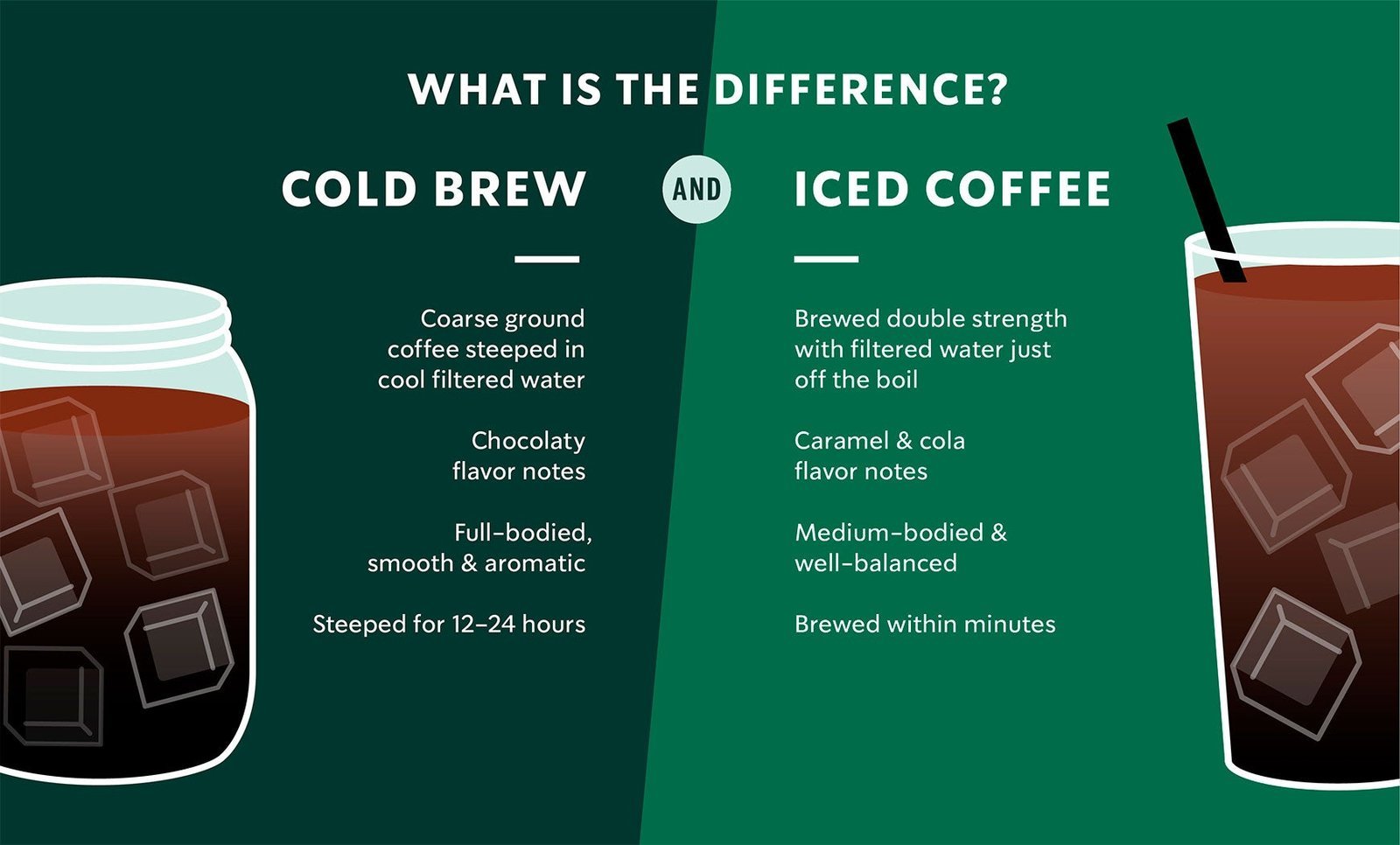
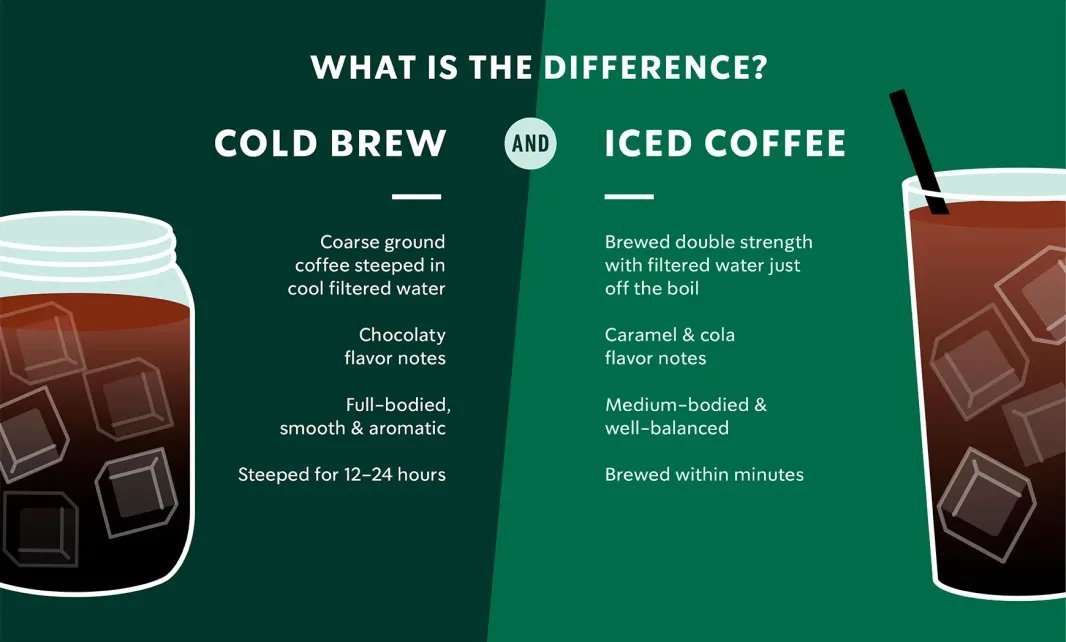
The primary reason this method produces a different result than hot coffee is the lack of thermal energy. Hot water rapidly breaks down the oils and acids in coffee, which often leads to a sharp, astringent flavor profile. By contrast, using cold water forces a slower extraction process that favors the sugars and aromatic compounds over the harsh acids. This makes the final drink feel smoother and less acidic on the palate.
When you notice your brew tastes unexpectedly sour or thin, it’s usually because the extraction time was too short or the grind size was too fine. If the flavor is overly bitter, you have likely left it to steep for too long or used a grind that’s too fine. According to the FDA food safety guidelines, maintaining proper temperatures is vital, so always keep your concentrate refrigerated to prevent the growth of harmful bacteria.
What you can change and what you cannot
Things you control
- The ratio of coffee grounds to water for strength.
- The total steeping time based on your taste preference.
- The coarseness of the grind to adjust filter speed.
- The type of roast used for different flavor notes.
Things fixed by design
- The inability to extract oils that only release at high heat.
- The maximum solubility limit of the coffee solids in cold water.
- The requirement for refrigeration to maintain food safety standards.
If you want to experiment with different extraction methods that require high pressure or high heat, you need to purchase specialized espresso equipment. Attempting to force these results using a cold brew setup won’t work and may damage your equipment.
Habits for better results
Always use a consistent grind size, as irregular particles lead to uneven extraction and a gritty mouthfeel. If you want a bolder flavor, increase the amount of grounds rather than the time, as steeping beyond 24 hours often releases unwanted woody flavors. Clean your storage glass thoroughly between batches to prevent old oils from turning rancid, which ruins the taste of fresh concentrate. Finally, always dilute your concentrate with water or milk before drinking, as the original strength is intended to be a concentrated base rather than a finished beverage.
Frequently asked questions
Can I use hot water to speed up the process?
No, using hot water changes the chemistry of the extraction and results in the bitter, acidic profile you’re trying to avoid. Cold brew specifically requires room-temperature or cold water to achieve its signature smooth, low-acid flavor.
How long does the concentrate stay fresh?
The concentrate stays fresh for 14 days when stored in an airtight container inside the refrigerator. Always check for any off-smells or mold before serving if it has been stored for more than one week.
Does it matter what kind of beans I use?
Yes, the roast profile of the bean determines the final flavor, with dark roasts providing chocolatey, nutty notes and light roasts offering fruity, floral flavors. Choose the bean based on the flavor profile you enjoy most.
How much water should I use to dilute it?
The standard dilution ratio is 1 part concentrate to 1 part water or milk, though you can adjust this based on your personal preference. Start with this ratio and add more liquid if the coffee feels too strong.
Is it safe to leave it on the counter?
Always place your container in the refrigerator immediately after combining the water and grounds.
Why is my coffee still gritty?
Your coffee is gritty because the filter was too coarse or the grounds were pulverized into fine dust. Use a dedicated burr grinder to ensure a consistent, coarse texture that your filter can effectively catch.
Does cold brew have more caffeine?
The caffeine content is generally higher in cold brew because the high coffee-to-water ratio uses more beans than standard drip coffee. The exact amount varies based on the specific beans and the total amount of grounds you use.
Conclusion
The quality of your coffee depends entirely on the freshness of your beans and the purity of the water you use. Always grind your beans just before you start the brewing process to ensure the most vibrant flavor profile in every glass.