
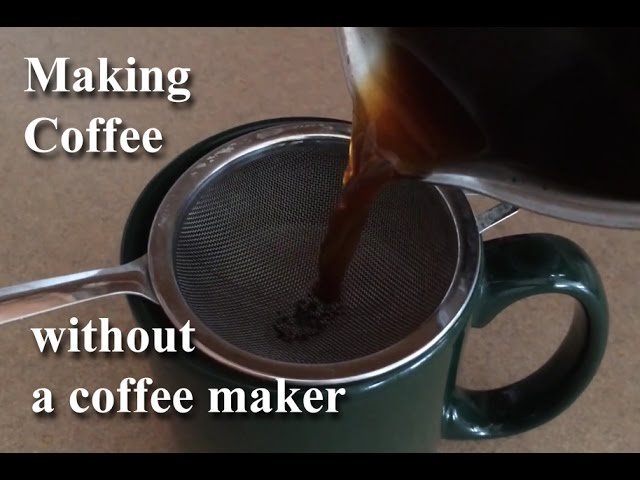
You can prepare a cup of coffee using a standard saucepan or a heat-resistant bowl, as the most reliable way to brew ground coffee without machine equipment is the immersion method. This process takes about 5 to 7 minutes and is very easy to manage, provided you have a fine-mesh sieve or a clean cloth to filter the grounds.
Equipment needed for manual brewing

To get the best result, you need specific items that allow you to separate the liquid from the grounds. If you use a filter that’s too coarse, you’ll end up with silt in your cup, which changes the texture significantly.
| Item | How much | Why it’s needed | A substitute |
|---|---|---|---|
| Ground coffee | 2 tablespoons | Provides the flavor | none — don’t swap this |
| Hot water | 8 ounces | Extracts the oils | none — don’t swap this |
| Saucepan | 1 quart | Heats the water | Heat-resistant bowl |
| Sieve | 1 fine-mesh | Removes large grounds | Clean cotton cloth |
| Spoon | 1 standard | Stirs the mixture | Heat-safe spatula |
| Mug | 1 standard | Holds the drink | Heat-safe glass |
Preparing to brew your coffee
- Empty your saucepan of any food residue or soap.
- Ensure your heat source is off before you begin.
- Move any flammable towels or paper away from the stove.
- Check that your sieve is clean and free of holes.
- If you’re using a glass bowl, ensure it’s rated for stovetop or microwave use to avoid shattering during heating.
Steps for brewing coffee manually
- Pour 8 ounces of cold water into your saucepan and place it on your stove or heat it in a microwave until it reaches 200°F.
- Remove the water from the heat source once it begins to steam, as boiling water can make coffee taste bitter according to the National Coffee Association guidelines.
- Add 2 tablespoons of ground coffee into the hot water and stir gently for 10 seconds to ensure all grounds are fully wet and submerged.
- Let the coffee sit undisturbed for 4 minutes to allow the flavor to extract from the grounds into the water.
- Place your fine-mesh sieve over your mug to prepare for the final separation of the liquid from the solid coffee grounds.
- Pour the coffee mixture slowly through the sieve, holding the sieve steady so that no grounds spill over the sides into your mug.
- Wait 30 seconds for the last drops of liquid to pass through the sieve before you remove it from the top of the mug.
- Check the bottom of your mug for any visible sediment; if you see too much, pour the coffee through a clean cloth one more time.
How to know it worked
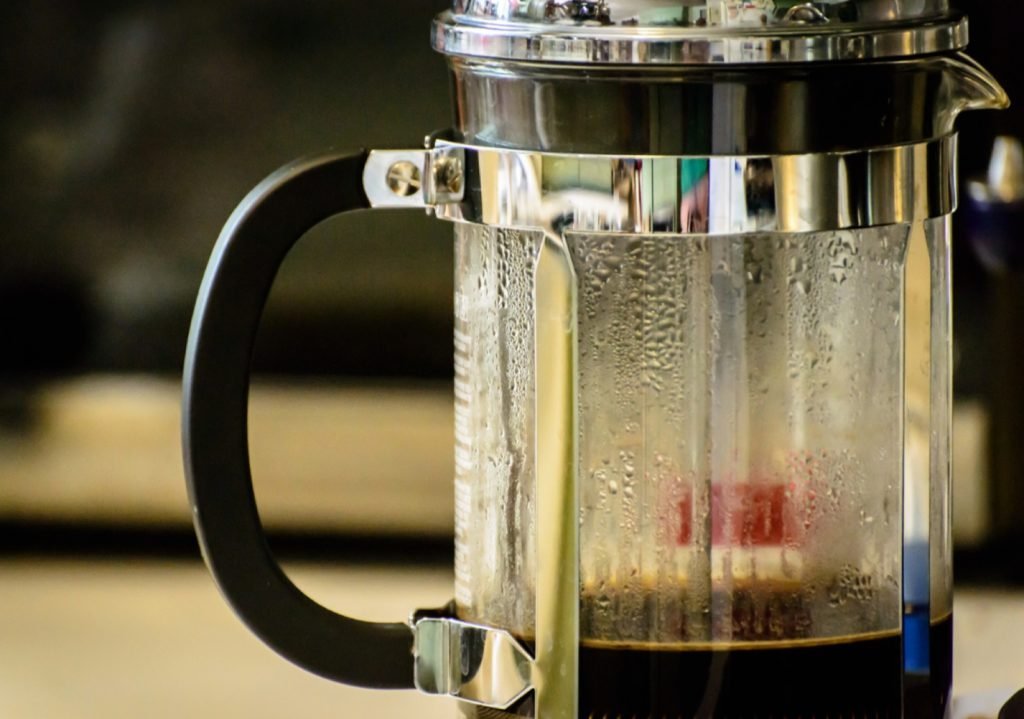
Your coffee is ready if the liquid looks dark and opaque and has a strong, roasted aroma. If the coffee looks thin, transparent, or watery, you likely used too much water or not enough grounds for your taste. If the liquid feels gritty or sandy when you drink it, the sieve was likely too coarse or you poured too quickly. You can fix a gritty cup by letting it sit for two minutes so the remaining fine particles settle at the bottom.
If something goes wrong
| What happened | Why | What to do |
|---|---|---|
| Coffee is bitter | Over-extracted | Use less time |
| Coffee is sour | Under-extracted | Use more time |
| Grounds in cup | Poor filtering | Use cloth filter |
| Water is cold | Low heat | Reheat the water |
| Weak flavor | Too much water | Add more grounds |
How often to brew coffee
You can brew coffee this way every morning or as often as you like, though the process depends on your daily caffeine needs and the quality of your beans. If you switch to a darker roast, you might find you need slightly less time to avoid bitterness. If you use a lighter roast, you may find that adding an extra minute of immersion time improves the depth of the flavor profile.
Frequently asked questions
Can I use boiling water?
Boiling water isn’t recommended because it can scorch the coffee grounds and create a harsh, bitter taste. It’s best to let the water sit for 30 seconds after it boils before adding it to the grounds.
How long does the coffee stay hot?
The coffee will stay at a drinkable temperature for about 10 to 15 minutes when served in a standard ceramic mug. If you want it to stay hot longer, preheat your mug by filling it with hot tap water first.
Is it safe to drink the grounds?
It’s safe to swallow small amounts of coffee grounds, but they’re generally unpleasant to eat. The texture is rough and can be irritating to the throat, so filtering is recommended for a better experience.
What happens if I use coarse grounds?
Using coarse grounds will result in a different extraction rate, which may require a longer immersion time to achieve your desired strength. You’ll need to increase your immersion time to about 6 minutes to compensate for the larger particles that extract more slowly.
Does it matter what water I use?
The quality of your water matters because it makes up most of the drink. Use filtered water if your tap water has a strong chlorine or mineral taste, as these flavors will transfer into your final cup.
How much coffee is too much?
The amount of coffee you should consume depends on your personal health and caffeine tolerance. Most health organizations suggest that moderate intake for an adult is about 3 to 4 cups of brewed coffee per day.
Can I reheat the coffee?
You can reheat the coffee in the microwave for 30 to 45 seconds on high power. Be careful not to let it boil a second time, as this will significantly increase the bitterness of the drink.
Conclusion
Making coffee without a machine is a simple way to enjoy a fresh cup at home without needing extra appliances. By focusing on your water temperature and using a reliable filter, you can achieve a consistent result every time you brew.