
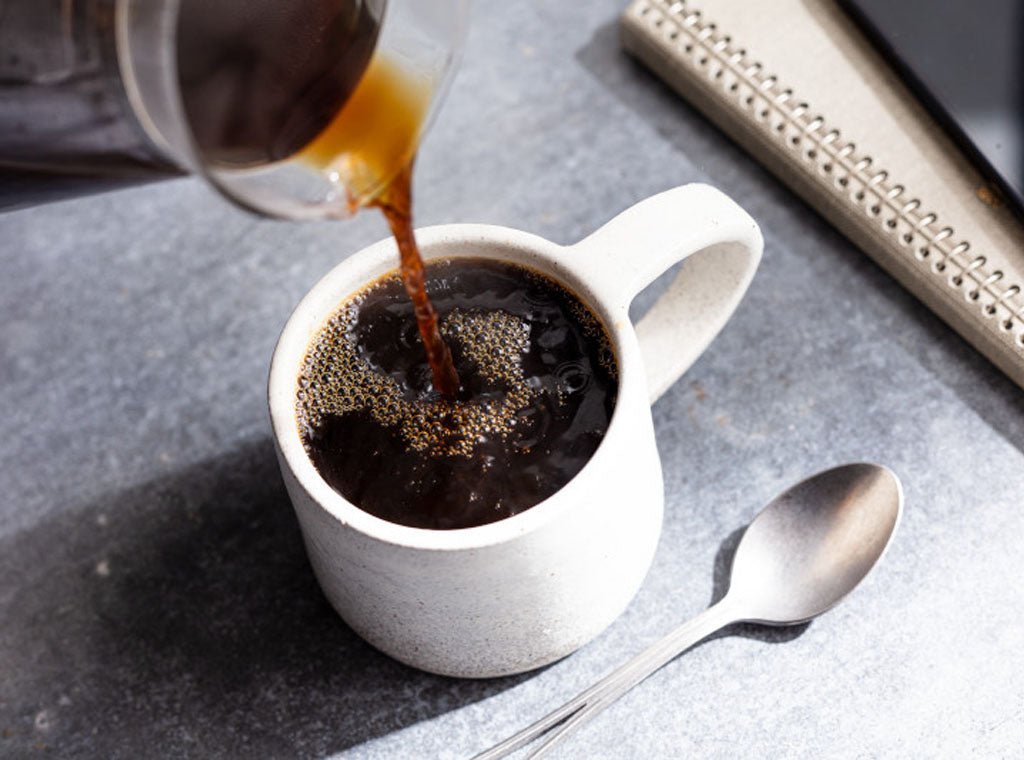
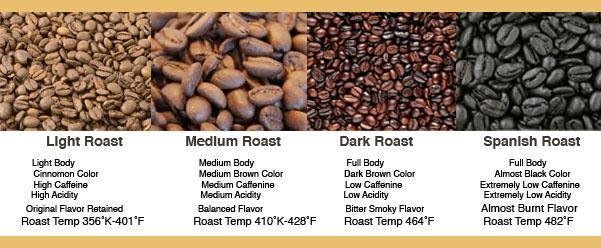
If you are wondering how much caffeine does a medium roast coffee have, a typical 8-ounce cup contains about 95 milligrams. The exact amount depends on your brewing method and bean variety, as roasting changes flavor but does not significantly reduce total caffeine.
The caffeine content is determined by the weight of the coffee grounds used and the extraction efficiency of your brewer. A common mistake is assuming that darker roasts have more caffeine because they taste stronger, but the caffeine levels are remarkably stable across different roast levels. If you use a high-ratio of grounds to water, your caffeine intake increases regardless of the roast profile.
How much caffeine does a medium roast coffee have
- Measure exactly 2 tablespoons of medium roast coffee beans for every 6 ounces of water to maintain a standard strength.
- Grind the beans to a medium-coarse consistency, which resembles sea salt, to ensure even water contact during the brewing process.
- Heat your water to between 195°F and 205°F, as cooler water will fail to extract the full caffeine potential from the grounds.
- Pour the water slowly over the grounds in a circular motion to saturate them fully, allowing the coffee to bloom for 30 seconds.
- Filter the coffee immediately after the total brew time reaches 4 minutes for a French press or 3 minutes for a drip machine.
Tip: If you use a scale, aim for 10 grams of coffee per 6 ounces of water for the most precise results.
Tip: Avoid letting coffee sit on a hot plate for over 20 minutes, as this causes the liquid to evaporate and concentrates the remaining caffeine, potentially leading to a bitter, overly intense cup.
How long it takes
The total time required depends on your chosen equipment and the volume of water you’re processing for your morning drink.
| Situation | How long | What changes it | What to watch for |
|---|---|---|---|
| Drip machine | 5–8 minutes | Volume of water | Drip speed settings |
| French press | 4 minutes | Grind size | Sediment buildup |
| Pour over | 3 minutes | Pour technique | Water temperature |
| Espresso shot | 30 seconds | Pump pressure | Fine grind clog |
If your brew takes significantly longer than these times, your grind size is likely too fine, which slows down water flow and can lead to over-extraction.
How to tell when it’s done
You can tell your coffee is ready by observing the color and the flow of the liquid. For a drip brewer, the process is complete when the gurgling sound stops and the basket no longer drips. For a French press, the coffee is ready once the plunger reaches the bottom with light, even pressure. According to the USDA nutrient database, a standard cup of coffee provides a baseline for caffeine, though the exact amount will vary based on brewing variables.
Mistakes that ruin it
- Using too little water: This makes the extraction process inefficient and creates a harsh, overly concentrated flavor profile. Use the full amount of water required by your machine’s manual to ensure proper flow.
- Ignoring grind consistency: An uneven grind leads to some particles extracting too quickly while others remain under-extracted. Invest in a burr grinder to ensure every bean particle is the same size.
- Using boiling water: Water that’s actively boiling can scorch the coffee grounds and ruin the delicate oils. Always let your kettle sit for 60 seconds after boiling before you begin the pour.
- Dirty equipment: Old coffee oils left inside a machine turn rancid and ruin the taste of fresh beans. Clean your carafe and filter basket with hot, soapy water after every single use.
Frequently asked questions
Can I drink medium roast coffee if I am sensitive to caffeine?
No, you should exercise caution because a medium roast still contains a high level of caffeine that can trigger jitters or anxiety in sensitive individuals. If you’re concerned about your intake, opt for a decaffeinated blend which has undergone a process to remove most of the caffeine content.
Is it safe to drink medium roast coffee every day?
Yes, it’s generally considered safe for most healthy adults to consume up to 400 milligrams of caffeine per day, which is roughly four 8-ounce cups. If you notice heart palpitations or sleep disturbances, you should reduce your daily intake or consult with a healthcare professional regarding your tolerance.
How long does the caffeine stay in my system?
The half-life of caffeine is typically between 3 and 5 hours, meaning half of the amount you consumed remains in your body after that time. This varies by individual metabolism, so if you’re sensitive to late-day energy, avoid drinking coffee within 8 hours of your planned bedtime.
What happens if I use more coffee grounds than recommended?
You’ll increase the total caffeine content and the intensity of the flavor, which may result in a beverage that’s too bitter for your preference. If you prefer a stronger taste, you can adjust your coffee-to-water ratio or experiment with different roast profiles.
Does the brewing method change the caffeine content?
Yes, the brewing method changes the extraction efficiency and the total volume of water used, which directly impacts how much caffeine ends up in your mug. Espresso machines extract caffeine more rapidly due to high pressure, while immersion methods like the French press require longer contact time to reach similar levels.
Final Thoughts
If you’re curious about how your daily cup affects you, try tracking your energy levels after your next brew. You’ll soon see how different beans impact your focus throughout the morning. Don’t be afraid to experiment with new origins, as you might find a favorite flavor that’s even better than your usual.
Related guides