
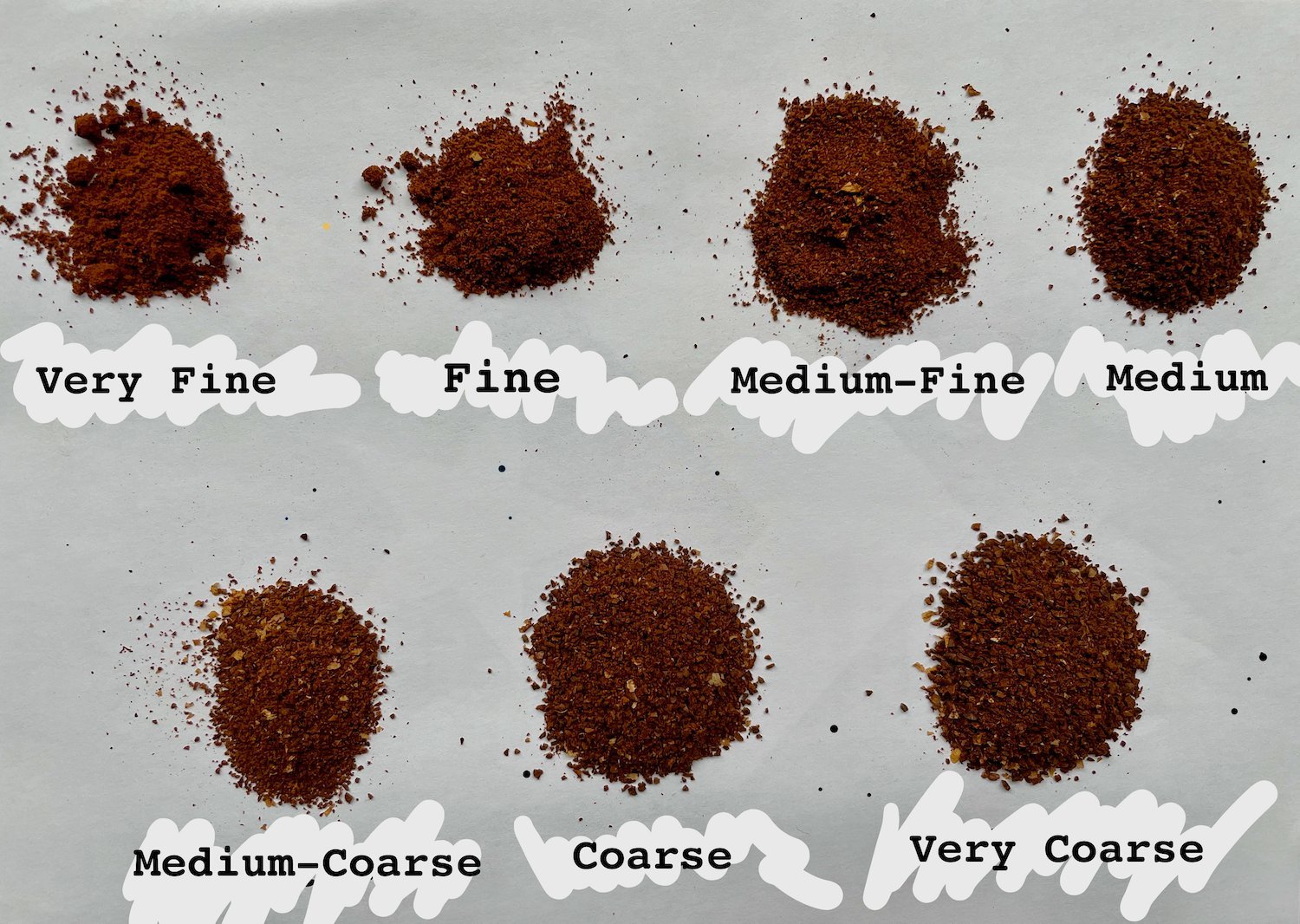
If you are wondering what is a medium grind for coffee, it is a texture similar to table salt that balances extraction. It is the standard for drip makers, ensuring water flows through at a rate that avoids bitterness and sourness.
What is a medium grind for coffee?
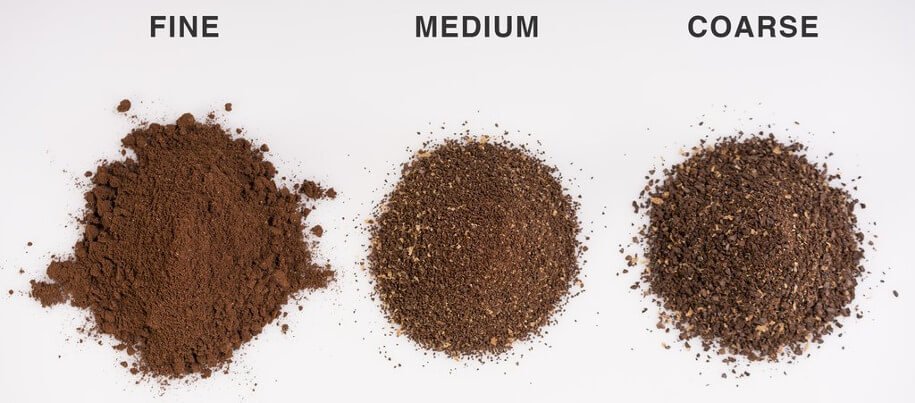
- Use a medium grind for standard drip coffee machines and siphon brewers.
- The texture should feel like coarse sand or standard table salt between your fingers.
- If your coffee tastes sour, the grind is likely too coarse; adjust to a finer setting.
- If your coffee tastes bitter, the grind is likely too fine; adjust to a coarser setting.
- This size isn’t suitable for espresso machines or French press brewers.
- Check your grinder’s manual to find the specific notch or number for your model.
Why the grind size matters
The size of your coffee grounds dictates how quickly water can pull flavor from the bean. Water flows through large, coarse particles very quickly, which often leaves the coffee tasting thin or sour. Conversely, water struggles to move through fine, powdery grounds, which causes over-extraction and a harsh, bitter finish. A medium grind provides the perfect middle ground for most automatic machines because it allows for a balanced flow rate that matches the machine’s internal heating and drip cycle.
According to guidelines from the National Coffee Association, the contact time between water and coffee is the primary factor in achieving a balanced cup. If you find your coffee is consistently weak regardless of the beans you use, your grinder may be set too coarse for your specific brewing method. Always check your equipment’s manual to see if it suggests a specific micron range, as this varies by model—check the label.
When the answer is different
| Situation | What changes | What to do instead |
|---|---|---|
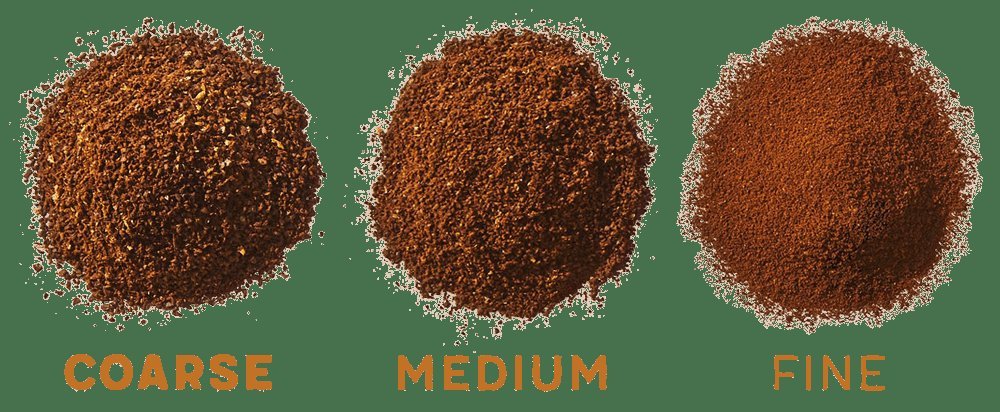
| French Press | Needs coarser grind | Use a coarse, sea-salt texture |
| Espresso machine | Needs finer grind | Use a fine, powdered-sugar texture |
| Pour-over | Varies by filter | Use medium-fine for better flow |
| Cold brew | Needs very coarse | Use a chunky, peppercorn texture |
| Blade grinder | No exact setting | Pulse briefly and check by sight |
How to do it properly
- Empty your coffee grinder of any old residue to ensure your new batch isn’t contaminated by stale, leftover particles from previous uses.
- Select the medium setting on your burr grinder, which usually sits in the middle of the dial between the fine and coarse markers.
- Measure 2 tablespoons of whole coffee beans for every 6 ounces of water you intend to use in your standard drip coffee maker.
- Grind the beans in short bursts if you use a blade grinder, shaking the unit to keep the particle size even throughout the batch.
- Check the texture by rubbing a small amount between your fingers; it should feel gritty like table salt, not like flour or pebbles.
- Brew your coffee immediately to prevent oxidation, which begins to degrade the flavor profile of the grounds within minutes of the grinding process.
The mistakes that ruin it
- Using a blade grinder for too long creates a mix of dust and large chunks, which causes uneven flavor extraction.
- Grinding the entire bag of beans at once leads to stale coffee, as the surface area increases and flavor escapes quickly.
- Ignoring the “medium” setting on a pre-set dial often results in a grind that’s either too fine or too coarse.
- Failing to clean the burrs regularly allows old oil buildup to coat your fresh beans, creating an unpleasant, rancid aftertaste.
Frequently asked questions
Can I use a medium grind for espresso?
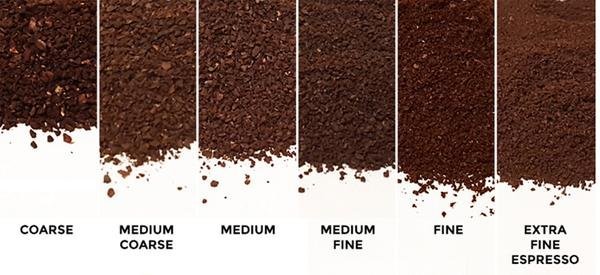
No, a medium grind is too coarse for espresso. Espresso requires a very fine, powdery grind to create enough resistance against the high-pressure water pump; using a medium grind will result in a fast, watery, and weak shot of coffee.
Is medium grind the same as medium-fine?
No, these are distinct settings. A medium-fine grind is slightly smaller and is typically used for pour-over methods like the V60, while a standard medium grind is meant for flat-bottomed drip machines where water flows through the bed more slowly.
How long does a medium grind stay fresh?
Ground coffee loses its best flavor within 30 minutes of grinding. While it remains technically safe to consume for weeks, the volatile oils that provide aroma and taste evaporate rapidly once the bean structure is broken down into smaller pieces.
Does the grind size affect caffeine levels?
No, the caffeine content is determined by the weight of the coffee used, not the grind size. While a finer grind might extract more solids from the bean, the total amount of caffeine in your cup remains consistent if your coffee-to-water ratio is the same.
Why is my coffee muddy with a medium grind?
Your coffee appears muddy because the grinder is producing too many “fines,” or microscopic particles. This is a common issue with inexpensive blade grinders; if you want a cleaner cup, you must upgrade to a burr grinder that offers more consistent particle sizing.
How do I know if my grinder is broken?
If your grinder produces an inconsistent mix of dust and large boulders on the same setting, the internal burrs are likely worn or misaligned. Check the manufacturer’s website for a calibration guide or contact their support team to see if the burr set needs replacement.
Final Thoughts
If your cup still tastes a bit off, try adjusting your grinder just a tiny bit finer or coarser next time. Small changes often reveal hidden notes you haven’t tasted before. Don’t be afraid to experiment with your favorite beans, as you’ll eventually find the perfect balance that makes your mornings feel special.