
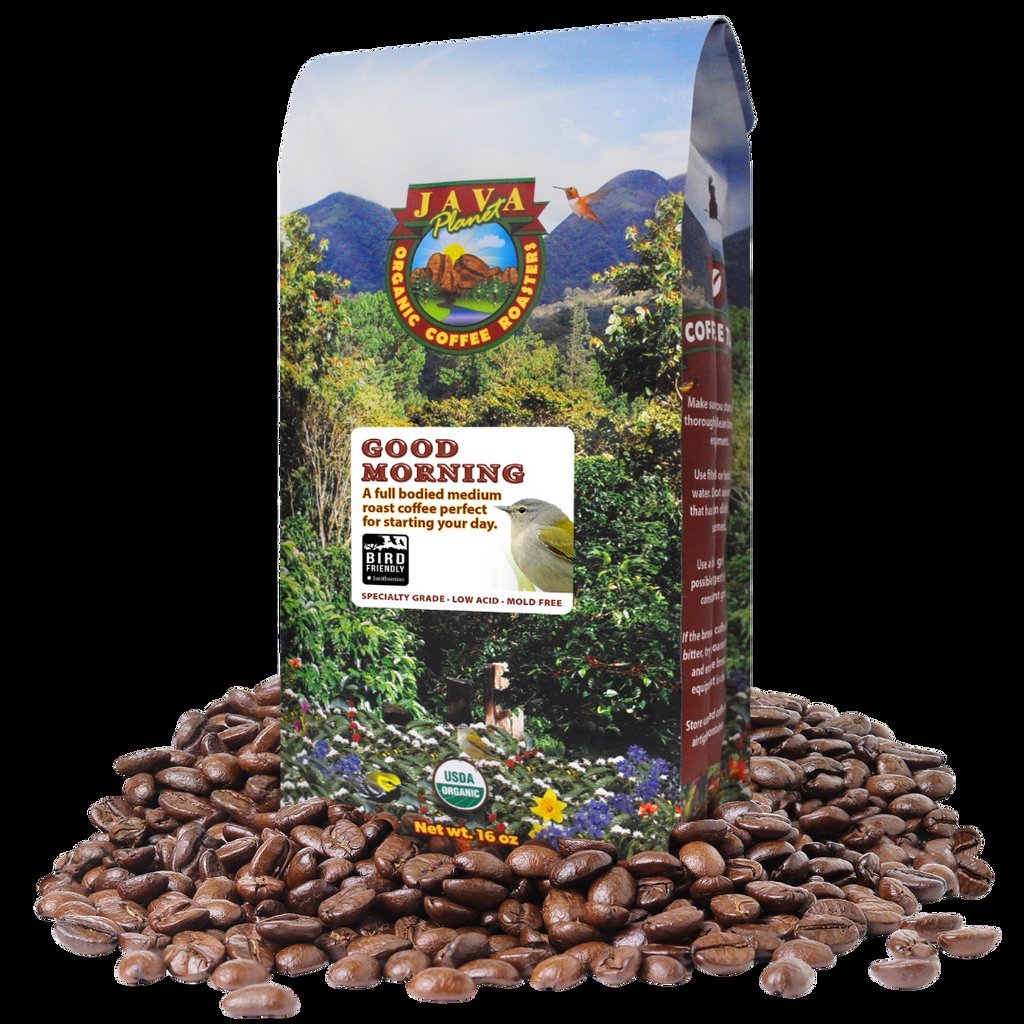
Whether or not is medium roast coffee good depends on your taste, as it generally balances acidity with a full body. This suits those who prefer a classic, smooth profile, while drinkers seeking intense bitterness or bright, acidic notes should choose a different roast.
The short version
- Expect a balanced flavor profile that retains some of the bean’s original acidity.
- Brew at a water temperature between 195°F and 205°F for the best extraction results.
- Use a ratio of 1 gram of coffee for every 16 grams of water for balance.
- Store beans in an airtight container away from light to maintain freshness for 2 weeks.
- If you prefer a bolder, smokier taste, opt for a dark roast instead of medium.
- Check the roast date on the bag; coffee is best within 30 days of roasting.
Why is medium roast coffee good?
The primary reason medium roast is popular is the chemical balance achieved during the heating process. Coffee beans start as raw, green seeds that lack traditional aroma. As heat is applied, a series of reactions occur, including the Maillard reaction, which creates complex flavor compounds.
At a medium roast level, the beans reach an internal temperature of about 410°F to 430°F. This is the “sweet spot” where the natural acidity of the origin is still present, but the body has developed enough to provide a smooth mouthfeel. If you stop too early, the acidity is often too sharp or sour for the average palate. You can verify these roast levels by observing the surface of the bean; medium roasts are typically dry and brown, while dark roasts show visible oils.
When the answer is different
| Situation | What changes | What to do instead |
|---|---|---|
| High acidity sensitivity | Stomach discomfort occurs | Choose a dark roast |
| Need for caffeine | Total caffeine content | Measure by weight only |
| Brewing cold brew | Extraction efficiency | Use a coarse grind |
| Using espresso machines | Pressure requirements | Use a fine grind |
| Long-term storage | Freshness levels | Freeze in airtight bags |
How to do it properly
- Measure 20 grams of medium roast beans for a standard 10-ounce cup of coffee to ensure a consistent strength.
- Grind your beans to a medium-coarse consistency, similar to sea salt, if you’re using a standard drip coffee maker.
- Heat your water to 200°F; if you lack a thermometer, let boiling water sit for 60 seconds before pouring it over.
- Pour a small amount of water over the grounds to let them bloom for 30 seconds to release trapped carbon dioxide.
- Add the remaining water slowly in a circular motion to ensure that every ground is fully saturated and extracting evenly.
- Serve your coffee immediately after the brewing cycle ends, as the flavor profile changes significantly as the beverage cools down.
The mistakes that ruin it
- Using boiling water directly from the kettle burns the grounds and creates an unnecessarily bitter, acrid taste.
- Storing beans in the refrigerator causes condensation, which ruins the flavor oils and leads to a stale, cardboard-like finish.
- Buying pre-ground coffee months in advance means the volatile aromatics have already evaporated, leaving you with a dull cup.
- Using a scale that’s inaccurate means your strength will vary wildly, making it impossible to repeat a good cup.
Frequently asked questions
Is medium roast stronger than dark roast?
No, the strength isn’t determined by the roast level but by your coffee-to-water ratio. Medium roast often tastes “brighter” or more acidic, which some people mistake for strength, but the actual caffeine content remains similar by weight across all roast levels.
How long does medium roast coffee stay fresh?
About 30 days is the ideal window for peak flavor after the roast date printed on the bag. After this time, the coffee loses its aromatic complexity, though it remains safe to consume if it has been stored in a cool, dry place.
Is medium roast safer for my stomach?
It depends on your personal sensitivity to acids. Dark roasts are often lower in certain compounds that can trigger stomach irritation, so if you find medium roast causes discomfort, you should switch to a darker roast to see if your symptoms improve.
Does medium roast contain more caffeine?
No, the caffeine content is largely stable during the roasting process. Because beans lose mass as they roast, a dark roast has less caffeine per scoop if you measure by volume, as the beans are less dense.
Can I use medium roast for espresso?
Yes, you can use any roast for espresso, but you must adjust your grind size. Espresso requires a very fine grind to create the necessary resistance, so ensure your grinder is set to the fine setting before you begin the extraction process.
Is it safe to drink old coffee?
Yes, it’s safe to drink, but the quality will be poor. Coffee doesn’t spoil like milk or meat, but it does go stale; check for a rancid or metallic smell, which indicates that the natural oils in the beans have finally gone bad.
Final Thoughts
Ultimately, your perfect cup depends on your personal taste. Don’t be afraid to experiment with different brewing methods to see how they change the flavor. You’ll likely find that a fresh bag from a local roaster makes a world of difference, so grab a new variety and enjoy your next morning brew.