Yes, you can mix dark and medium roast coffee to create a balanced cup that features both body and acidity. This method allows you to tailor your brew’s strength and flavor profile to your own preference. You should experiment with small batches to find the ratio that best suits your palate.
Mixing dark and medium roast coffee
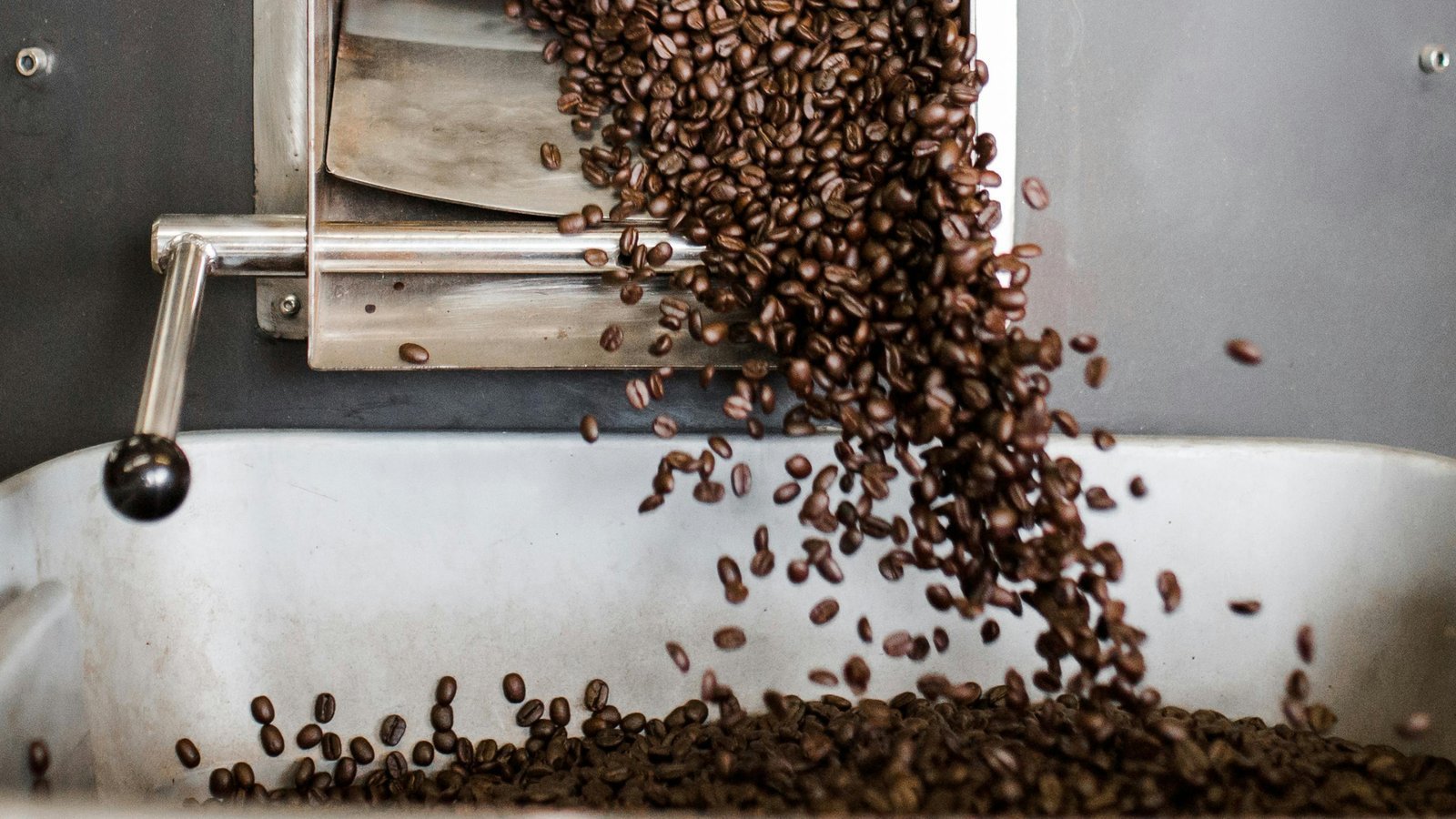
Photo: www.royalcupcoffee.com on Google
These results assume you use the same brewing method for both roasts, such as a standard drip machine or a pour-over.
What decides the flavor
The roast level determines the physical density of the bean and the final taste. Medium roasts retain more of the bean’s original origin characteristics, such as fruit or floral notes, because the heat stops before the oils fully surface. Dark roasts undergo a longer roasting process that breaks down those delicate acids and replaces them with caramelized, smoky, or toasted flavors. When you combine them, you’re essentially balancing the brightness of the medium roast with the heavy, low-acid mouthfeel of the dark roast. If you prefer a lighter, more complex cup, use a higher percentage of medium roast; if you want a punchier, heavier drink, increase the dark roast portion. This varies by brand—check the label for the specific roast profile, as some brands roast darker than others under the same name.
Preparing your custom blend
- Weigh your beans separately before you combine them to ensure you keep your ratio consistent. Use a digital scale to measure 10 grams of each if you want a 50/50 mix.
- Mix in a container that’s clean and dry to prevent any moisture from affecting the freshness of the beans. Shake the container gently for 10 seconds to ensure the beans are evenly distributed.
- Grind the blend together so the particles of both roasts integrate during the brewing process. This allows the water to extract flavors from both types of beans simultaneously.
- Brew as usual using your preferred equipment, following the standard food safety guidelines for keeping your coffee beans stored in a cool, dry place to prevent mold or rancidity.
- Adjust for taste after your first cup; if it’s too bitter, increase the medium roast portion by 10% in your next batch.
The mistake people make
Many people try to mix pre-ground coffee of different roasts after brewing them separately. This doesn’t work well because the extraction levels are already set and can’t be balanced in the cup. This mistake leads to a muddy, disjointed flavor that fails to highlight the best qualities of either roast. Always mix your beans before the grinding stage to ensure the particles are evenly distributed. This simple step ensures that your final brew has a cohesive flavor profile rather than two competing tastes that don’t complement each other in the mug.
When to stop and get help
- If the beans look oily or smell like chemicals, stop immediately as they may be rancid.
- If you notice any signs of mold, discard the entire batch to avoid health risks.
- If your grinder is struggling with specific bean densities, contact the manufacturer to see if your equipment is rated for those roast types.
- Consult a professional barista if you’re attempting to dial in a commercial-grade espresso blend for a business.
Frequently asked questions
Can you mix dark and medium roast coffee beans before grinding?
Yes, you should mix the beans before grinding them. Mixing them as whole beans ensures that the particles are evenly distributed, which leads to a more consistent extraction during your brewing process.
Does mixing roasts change the caffeine content?
No, the caffeine content is determined by the weight of the beans, not the roast level. Mixing them doesn’t significantly change the amount of caffeine you receive in a standard serving.
How long does a custom blend stay fresh?
About two weeks is the limit for peak freshness. Once you mix the beans, store them in an airtight, opaque container away from direct sunlight to maintain the flavor profile for as long as possible.
Is it safe to mix different coffee brands?
Yes, it’s perfectly safe to mix different brands. You should only ensure that the beans are of similar quality and freshness so that one doesn’t overpower the other in your final cup.
Will a blend taste better than a single origin?
It depends on your personal preference. Many people prefer blends because they offer a more complex flavor profile that combines the bright acidity of medium roasts with the deep body of dark ones.
What happens if I mix too much dark roast?
You’ll get a very bitter and smoky cup. If you find the flavor too intense, simply increase the ratio of medium roast in your next batch to brighten the overall profile of the drink.
What to do next
Measure your beans using a scale to ensure you have an even balance for your first attempt. Expect a richer, more nuanced flavor than a single roast, which you’ll notice in the finish of the cup. Stop and seek help if you notice any off-smells or mold.
Related guides