Finding the best options for production render ZBrush and Substance Painter requires mastering the workflow connecting sculpting to final renders. Your choice depends on whether you need to fix a specific pipeline bottleneck, learn a new integration method, or build foundational character skills. Whether you are a studio professional needing optimization or an artist bridging the gap between sculpting and texture, your selection should align with your specific technical goals.
As an Amazon Associate, we earn from qualifying purchases. This post contains affiliate links – if you buy through them, we may earn a commission at no extra cost to you.
1. Zbrush Production Handbook

Best for: Artists who want a complete overview of industry-standard professional workflows.
This book focuses on the bridge between digital sculpting and real-world production demands. It covers the essential steps that take a raw sculpt through to a final, production-ready asset. You’ll find it helpful if you’re moving from hobbyist work into professional environments where technical constraints matter.
The content assumes you want to master the full lifecycle of an asset. The listing doesn’t mention specific tips or industry expectations. It isn’t for the artist who only wants to focus on artistic expression without regard for technical topology or industry application.
Good if:
- You’re transitioning into a professional studio role.
- You need to understand the full production pipeline.
- You want tips specifically for graphic designers.
Skip it if:
- You’re looking for a purely artistic sculpting guide.
- You don’t care about technical industry requirements.
2. Zbrush Production Sculpture System

Best for: Advanced users creating high-resolution characters for film and games.
This system is designed for the artist who has moved past the basics and now needs to handle extreme detail. The listing doesn’t mention performance issues or data management. You’ll use this to refine your character creation for high-end visual media.
The focus here is on the technical side of film and game production. By following these advanced techniques, you can ensure your characters remain manageable while maintaining high visual fidelity. It isn’t for a complete beginner who is still learning the basic brush interface or navigation.
Good if:
- You work primarily on character creation for film.
- You need to handle high-resolution assets efficiently.
- You’re ready for advanced programming-style workflows.
Skip it if:
- You’re a novice at digital sculpting.
- You aren’t working on high-end production projects.
3. Realistic Asset Creation with Adobe Substance 3D

Best for: Artists who need to integrate ZBrush sculpts with Substance 3D tools.
This guide is the primary resource for connecting your 3D models to the Adobe Substance ecosystem. It covers the creation of materials, textures, and filters, which are vital for a modern production render. You’ll use this to ensure your assets look realistic before they hit the final render engine.
The book bridges the gap between modeling and texturing. It explains how to use Painter, Designer, and Stager to complete your workflow. It isn’t for someone who wants to stay strictly within the ZBrush environment without using external texturing tools.
Good if:
- You want to master the full Adobe Substance suite.
- You need to create complex textures and materials.
- You’re focusing on realistic asset rendering.
Skip it if:
- You only want to work inside ZBrush.
- You don’t use Adobe software for your pipeline.
4. Zbrush Studio Manual

Best for: Professionals who need to optimize their studio workflow and topology.
This manual is about precision and efficiency in a studio setting. It breaks down the technical aspects of brushes, topology, and optimization, which are the most common points of failure in complex 3D projects. It’s a reference tool for when you need to fix a broken model or speed up your process.
By focusing on the “how-to” of detailing and optimization, it helps keep your project files clean. It’s a technical guide meant for those who have a specific problem to solve. It isn’t for the artist looking for a creative, project-based tutorial.
Good if:
- You’re focused on technical topology and optimization.
- You work in a fast-paced studio environment.
- You need a quick reference for brush and detailing tools.
Skip it if:
- You prefer project-based learning over technical manuals.
- You aren’t interested in the programming side of design.
5. ZBrush Cookbook

Best for: Artists who prefer step-by-step instructions for specific production tasks.
The “cookbook” style means you get practical recipes for creature creation. If you have a specific VFX task, like making a character skin or a specific creature feature, you can follow the steps to get a production-ready result. It’s meant to be used while you’re working on a project.
This book is highly practical and task-oriented. It helps you avoid the “blank page” problem by giving you clear instructions for common industry tasks. It isn’t for someone who wants to learn the deep theory behind rendering or the mathematics of software design.
Good if:
- You want clear, step-by-step project recipes.
- You’re creating creatures for animation or VFX.
- You like learning by doing specific tasks.
Skip it if:
- You want to learn deep software theory.
- You prefer a narrative-based learning style.
6. Sculpting in ZBrush Simple

Best for: Artists who want to learn character creation for multiple industries.
This book simplifies the complex world of character creation for games and 3D printing. It’s an exploration of the tools used in professional VFX, making it a great starting point for those who want to see where their skills can take them. It focuses on the most powerful modeling techniques.
The content is meant to make high-level modeling accessible. It isn’t for someone who is looking for a deep dive into advanced rendering physics or complex shader programming.
Good if:
- You’re interested in 3D printing and games.
- You want an accessible guide to character modeling.
- You’re looking for a broad professional overview.
Skip it if:
- You want an advanced technical rendering manual.
- You need deep insights into complex shader nodes.
7. ZBrush Character Sculpting
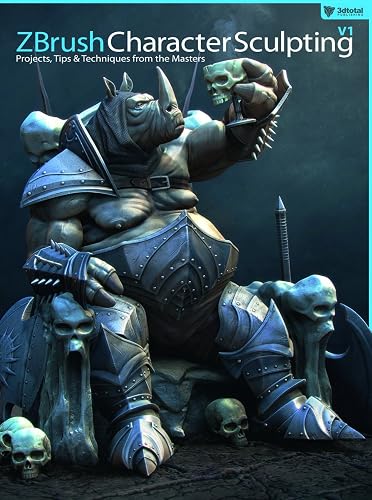
Best for: Artists who want a dedicated focus on character sculpting.
This volume is entirely focused on the art of sculpting characters. If you want to improve your anatomy skills or character features, this is the place to start. It acts as a specialized guide rather than a general manual for the entire software.
The focus is narrow and deep. It helps you refine your character work, which is the most common task in high-end production. It isn’t for someone who needs to learn about texturing, lighting, or rendering.
Good if:
- You want to improve your character anatomy.
- You prefer a narrow focus on sculpting.
- You’re working on character-heavy projects.
Skip it if:
- You need help with rendering or texturing.
- You’re looking for a general software guide.
8. GPU Zen Rendering
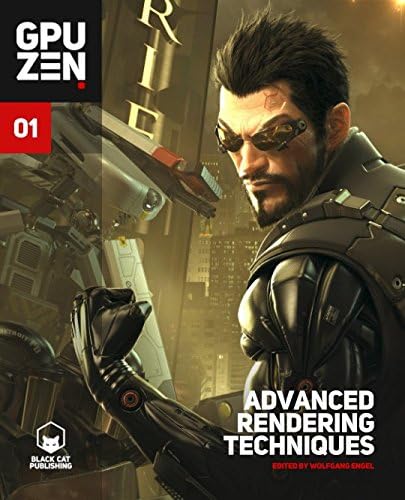
Best for: Technical artists who want to understand advanced rendering theory.
This high-level book explains how the GPU handles rendering, covering advanced techniques that go beyond the basic ZBrush user interface to help you understand the rendering process in modern production pipelines.
The book is technical and theoretical. It isn’t for the artist who just wants to press a button and get a render. If you aren’t comfortable with advanced rendering concepts, this will be a challenging read.
Good if:
- You want to understand GPU-based rendering deeply.
- You’re a technical artist or programmer.
- You want to learn advanced rendering techniques.
Skip it if:
- You’re a beginner to 3D rendering.
- You want a practical “how-to” guide for ZBrush.
9. Introducing ZBrush 3rd Edition

Best for: Beginners who need a solid, comprehensive foundation.
This book is the standard starting point for anyone new to ZBrush. It covers the interface, the tools, and the basic workflow without overwhelming the reader with too much technical jargon. It’s the best way to get comfortable before moving to more advanced production books.
It’s structured for learning, not for quick reference. It isn’t for an experienced artist who already knows the software and is looking for advanced production tricks.
Good if:
- You’re a complete beginner to ZBrush.
- You want a comprehensive, structured introduction.
- You need to learn the core tools first.
Skip it if:
- You already know the ZBrush interface.
- You’re looking for advanced studio workflows.
10. Expert Guide to ZBrush

Best for: Beginners who want to reach an expert level quickly.
This guide is designed to take you from novice to expert using innovative techniques. It covers the path from basic sculpting to more advanced, professional-level work. It’s a masterclass approach for those who want to learn quickly.
The content is comprehensive but focused on innovation. It isn’t for those who want a slow, steady pace or a simple reference manual to keep on their desk.
Good if:
- You want to move from novice to expert fast.
- You’re looking for innovative sculpting techniques.
- You want a masterclass-style learning experience.
Skip it if:
- You prefer a slow, step-by-step introduction.
- You need a basic, simple reference manual.
Best Production Render Options for ZBrush and Substance Painter
Most of these books share a common goal: helping you create assets that are production-ready. The introductory books and the workflow manuals often cover similar ground regarding the basic ZBrush interface. If you’re a beginner, the choice between Introducing ZBrush and Expert Guide to ZBrush is largely about how quickly you want to be challenged. For the professional, Zbrush Production Handbook and Zbrush Studio Manual are close enough that your choice will depend on whether you prioritize general workflow or technical optimization. These products are essentially different lenses on the same professional pipeline, and you should choose based on your current knowledge gap rather than a perceived difference in quality.
Still Not Sure?
How often will I really use this book?
If you’re working on a daily production pipeline, you need a reference like Zbrush Studio Manual that stays on your desk for quick fixes. If you’re learning for the first time, Introducing ZBrush is a one-time read that builds your foundation. Choose based on your immediate needs.
What do I already own that this must work with?
If you’re already using Adobe Substance, you must get Realistic Asset Creation Substance. It’s the only guide here that specifically integrates your sculpts with the texturing pipeline you likely already use. Don’t try to force another book to cover the same integration ground.
What am I most likely to regret choosing?
You’ll regret choosing a technical theory book like GPU Zen Rendering if you actually need a practical project guide like ZBrush Cookbook. Match the book to your daily habit; if you’re a hands-on creator, don’t buy a theoretical manual that you’ll never open.
If you’re looking for a complete pipeline, combine a technical manual for ZBrush with an integration guide for Substance. If you’re just starting, pick the introductory guide and master the basics before moving to advanced production techniques.
Related guides
- 10 Best Brushes for Blending in Substance Painter: Our Picks
- 10 Best GPU for Substance Painter Picks for 3D Artists
Frequently Asked Questions
Which book is best for someone starting with ZBrush?
Introducing ZBrush is the best starting point for a beginner. It covers the core interface and tools in a structured way, which prevents the frustration that comes with jumping into advanced production techniques too early. It provides the foundation you need before attempting the more complex workflows found in other books.
Do I need a separate book for Substance Painter?
Yes, if you want to integrate your work properly. Realistic Asset Creation Substance is the only guide here that specifically covers the connection between ZBrush and the Adobe Substance 3D tools. It helps you manage the transition of your models so that your textures and materials remain production-ready.
Is there a book that covers both ZBrush and rendering?
Zbrush Production Handbook is your best option for this. While it focuses on the workflow, it understands that the final goal is a render. It connects your sculpting process to the industry applications, ensuring that the work you do in ZBrush is compatible with the render engines you use later.
What if I only care about character anatomy?
ZBrush Character Sculpting is the right choice. It focuses exclusively on the art of sculpting characters, which is perfect if you want to improve your anatomy and form. It skips the general software tutorials and technical rendering theory to focus entirely on the skills needed for high-end character work.
Conclusion
Choose the software that best fits your current project’s needs and start a small test render today. Don’t worry about getting everything perfect on your first try; just focus on how your textures look under different lights. You’ll find that practice makes the entire process feel much more natural over time.