
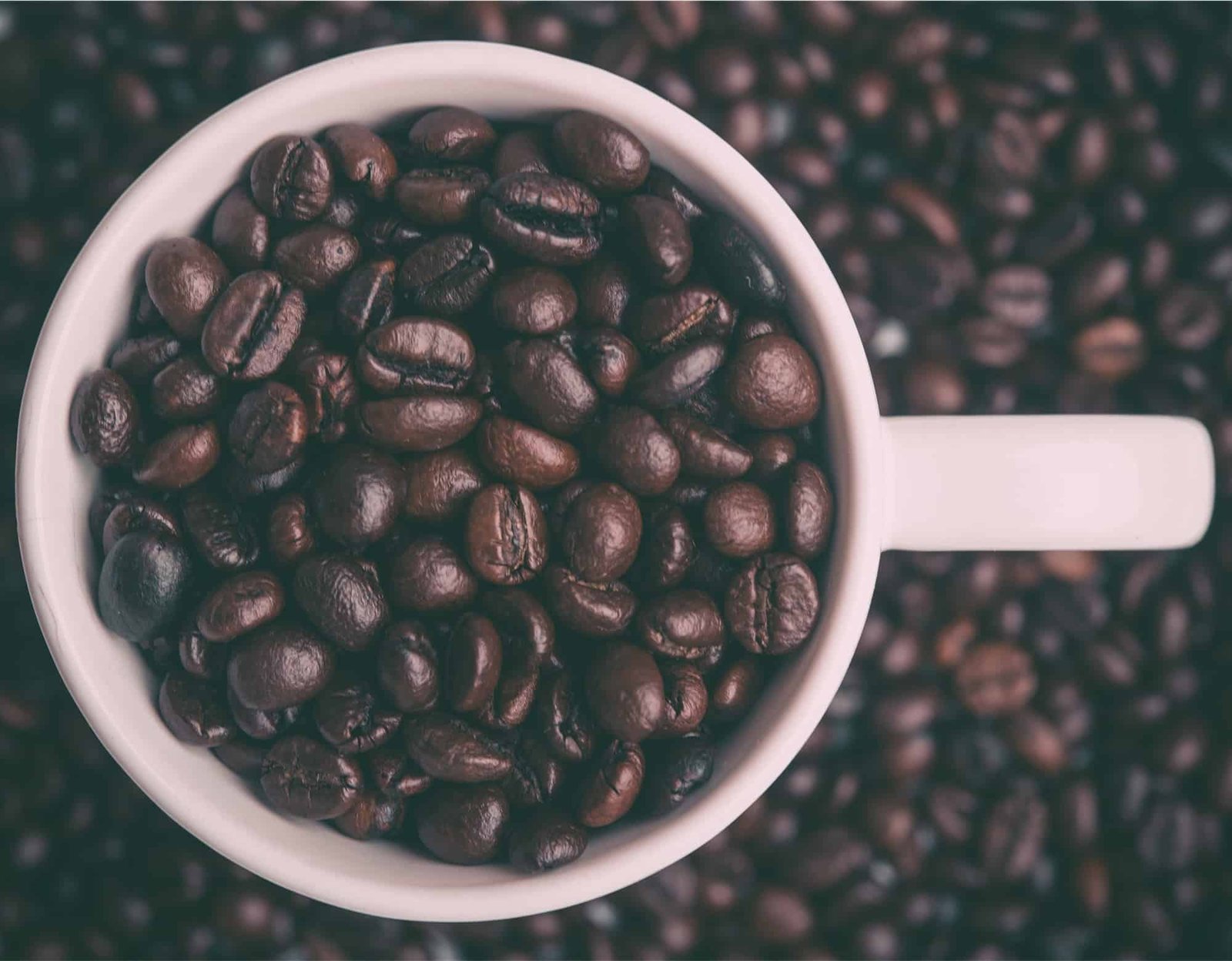
No, you can’t brew coffee with coffee as a direct substitute for water. Using brewed coffee instead of water creates an over-extracted, bitter liquid because the water is already saturated with dissolved solids. Stick to fresh water for brewing and add espresso or concentrate afterward if you want a stronger cup.
When to use brewed coffee vs water
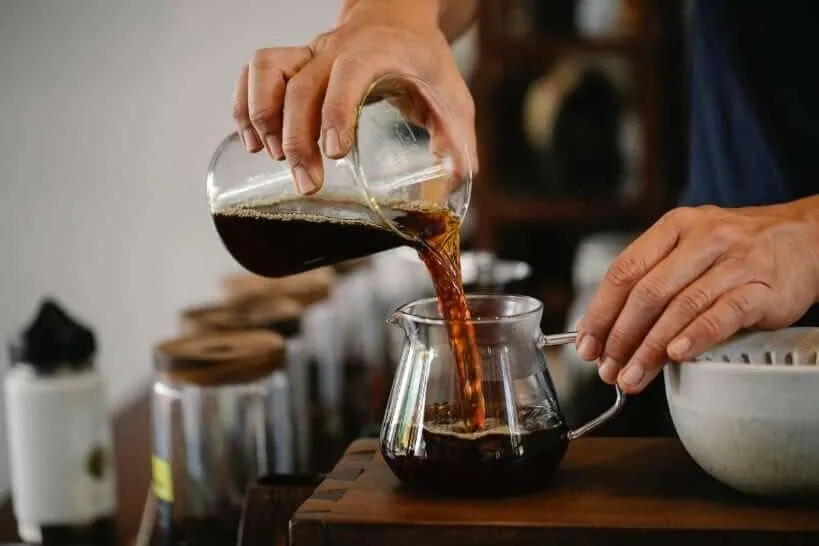
Your situation determines whether re-brewing works or ruins the batch, because brewing coffee with coffee depends entirely on whether you’re using it as the solvent or the flavoring agent.
| Your situation | Answer | Why |
|---|---|---|
| Brewing grounds with hot coffee | No | Water can’t extract more flavor when saturated |
| Adding espresso to drip coffee | Yes | Adds strength without over-extracting grounds |
| Reheating cold coffee in maker | No | Heat degrades oils and increases bitterness |
| Mixing instant into brewed cup | Yes | Dissolves fully without needing extraction |
| Topping off weak pot with brew | No | Dilutes flavor unevenly and tastes stale |
| Making red eye with fresh shot | Yes | Combines two separate extractions safely |
| Using old coffee as bloom water | No | Already saturated liquid can’t extract effectively from fresh grounds |
Saturation limits extraction capacity
Water extracts flavor compounds until it reaches equilibrium with the coffee grounds. Once liquid holds maximum dissolved solids, it can’t pull additional sugars, acids, or oils from fresh beans. The Specialty Coffee Association sets total dissolved solids standards that assume fresh water as the universal solvent for consistent extraction.
Using pre-brewed liquid means starting at or near saturation point. The result is flat, harsh, and lacking sweetness because only bitter tannins remain available for extraction.
If your goal is stronger coffee, use a higher ground-to-water ratio with fresh water; if you need caffeine density without changing flavor profile, add concentrated shots after brewing finishes.
Getting stronger coffee safely
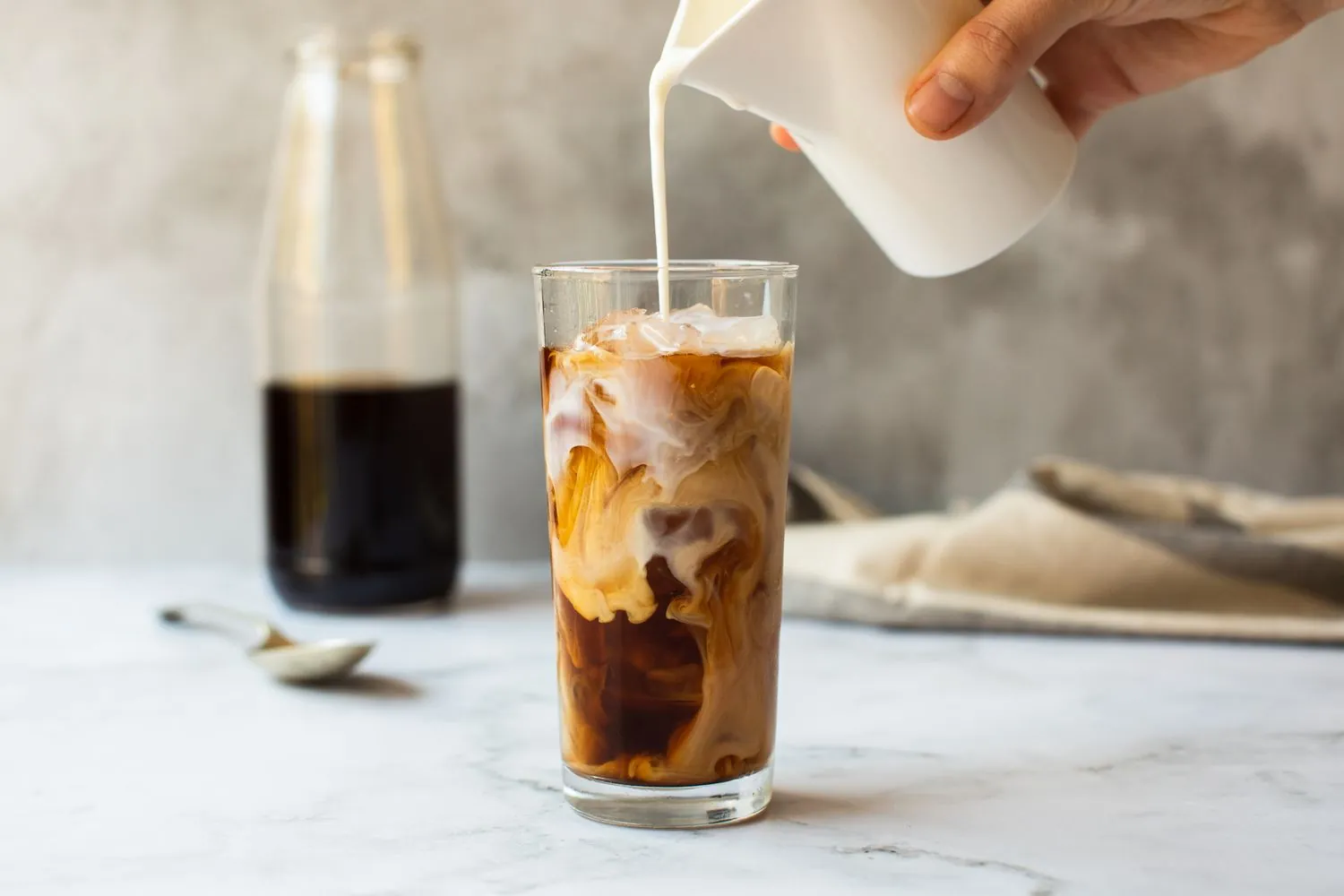
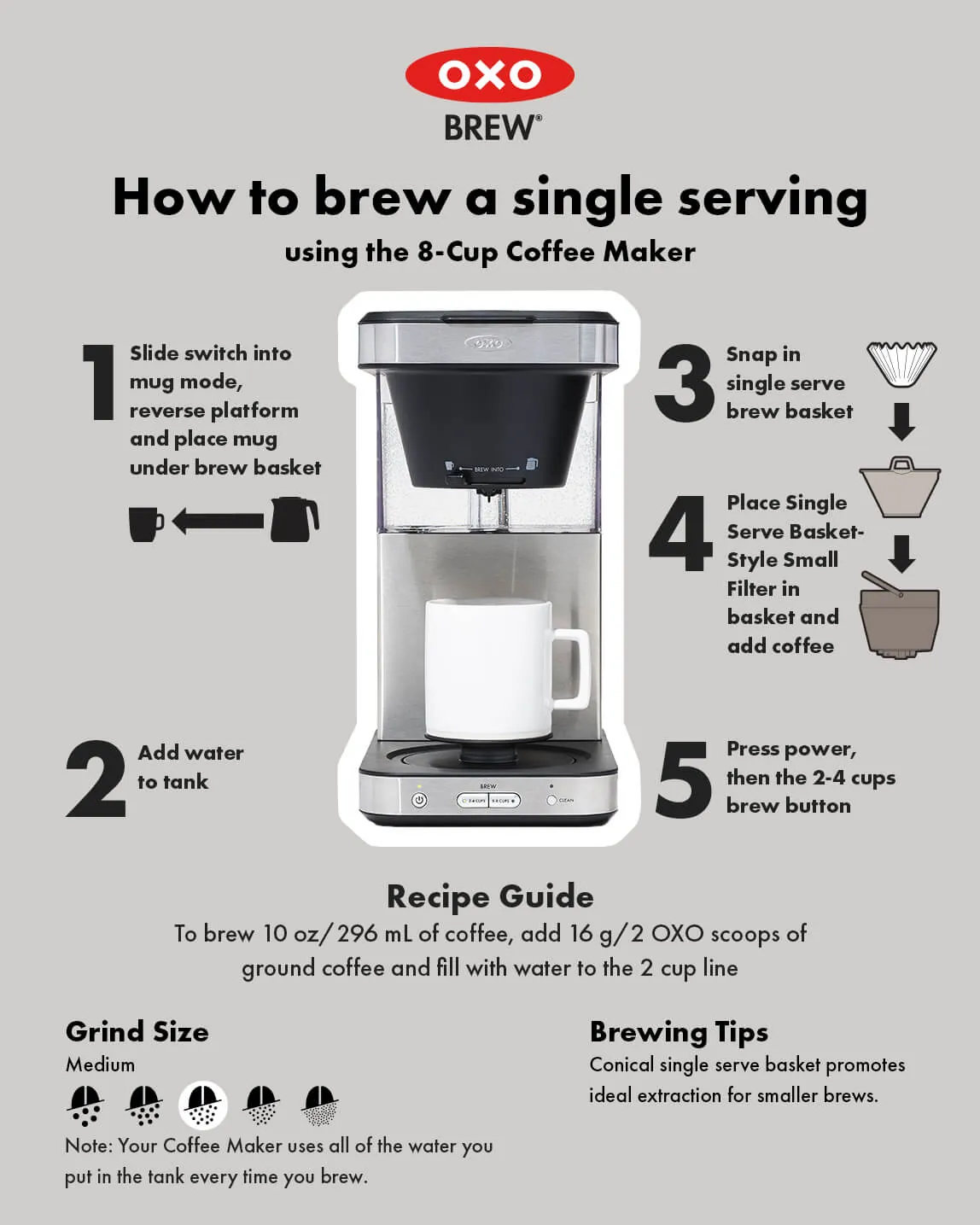
These steps assume standard drip equipment and medium-fine grind size. Adjustments vary by machine, so check your manufacturer’s manual for specific brew ratios and temperature settings before modifying your routine.
- Increase coffee dose. Use 2 tablespoons per 6 ounces of water instead of 1. This boosts strength through proper extraction rather than recycling spent liquid.
- Grind slightly finer. A finer grind increases surface area for better extraction. Stop if flow rate slows below 4 minutes for a full pot.
- Check water temperature. Ensure brewer reaches 195-205°F during cycle. Cooler water under-extracts regardless of dose or grind setting.
- Add espresso post-brew. Pour a fresh shot into finished coffee for intensity. This preserves both beverages’ integrity without chemical imbalance.
- Use coffee concentrate. Steep coarse grounds in cold water 12-24 hours, then dilute. Concentrate adds body without heat damage or saturation issues.
Reusing liquid causes bitterness
People pour yesterday’s coffee over fresh grounds thinking it doubles strength, but it actually strips only harsh compounds. This mistake wastes expensive beans and produces undrinkable sludge that costs time and money to replace. The fix is simple: taste your water source before brewing. If it already tastes like coffee, its existing dissolved solids will reduce extraction efficiency and alter flavor balance. Always start with neutral water and adjust strength through dose, grind, or post-brew additions instead of recycling liquid.
When coffee quality needs professional help
- Machine won’t maintain 195°F minimum brew temperature, requiring technician service or replacement.
- Coffee tastes sour or metallic despite correct ratios, indicating scale buildup needing professional descaling.
- Grinder produces inconsistent particle sizes, causing channeling that home adjustment can’t fix.
- Water filtration system fails TDS tests, indicating filters need replacement or source water requires treatment.
- Espresso machine pressure gauge reads outside 8-10 bar range, needing licensed repair technician.
Beyond these points, DIY fixes risk equipment damage or unsafe electrical work. Consult manufacturer-authorized service centers for diagnosis and repair.
Related guides
Frequently asked questions
Can I make coffee stronger by brewing twice?
No, double brewing creates bitter, over-extracted liquid. Strength comes from higher coffee-to-water ratios or adding concentrate after brewing, not recirculating saturated liquid through fresh grounds.
Why does rebrewed coffee taste so bad?
Saturated water extracts only bitter tannins, not balanced flavors. Fresh water is required to dissolve sugars and acids properly; recycled liquid lacks extraction capacity and produces harsh, flat results.
Is it safe to put coffee in water reservoir?
Technically safe but functionally useless. Reservoirs are designed for water; coffee leaves oily residue that clogs valves and promotes bacterial growth. Clean thoroughly with vinegar solution if accidentally done.
Does adding instant coffee to brewed work?
Yes, instant dissolves completely in hot brewed coffee without extraction issues. It adds caffeine and body instantly, making it a practical alternative to failed double-brewing attempts.
How much espresso makes regular coffee stronger?
One 1-ounce shot per 8-ounce cup adds noticeable intensity without overwhelming flavor. Two shots create “red eye” strength; beyond that, espresso dominates and masks the base coffee’s character.
What happens if I use cold coffee to brew?
Cold liquid lowers brew temperature below extraction threshold, producing weak, sour coffee. Even heated, previously extracted liquid lacks dissolved solid capacity for proper flavor development from fresh grounds.
Can I reuse coffee grounds with fresh water?
No, spent grounds have already released desirable compounds. Second extraction yields only bitter, woody flavors. Compost used grounds and start fresh for acceptable results every time.
Next steps for better coffee
Start by measuring your current coffee-to-water ratio with a kitchen scale. Expect noticeably stronger, balanced cups within one brew cycle when adjusting dose correctly. If adjustments don’t improve flavor after three attempts, consult your machine’s manual or a local specialty roaster for equipment-specific guidance.