
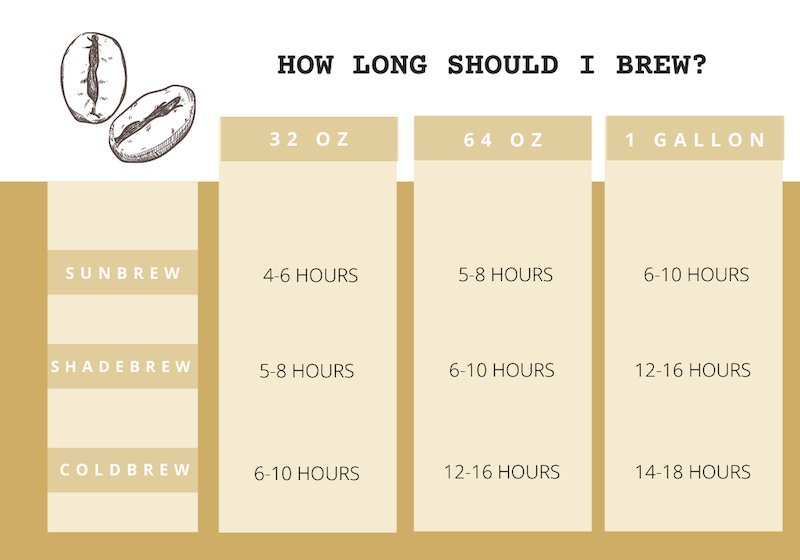
Yes, you can make cold brew in 8 hours if you use room-temperature water instead of the fridge. The shorter time means less flavor pulls from the beans, so it won’t taste like a full overnight batch. Grind your coffee extra coarse right now to get started.
When 8-hour cold brew works and when it doesn’t

The answer changes based on where you steep it and how fine you grind the beans. Room temperature speeds things up; the fridge slows them down. Here’s how different setups turn out after exactly 8 hours.
| Your situation | Answer | Why |
|---|---|---|
| Steeping on the counter, coarse grind | Yes | Warmth extracts flavor faster than cold air. |
| Steeping in the fridge, coarse grind | No | Cold air needs 12–24 hours for full extraction. |
| Using medium or fine grounds | Yes | Smaller pieces release flavor quicker, but risk bitterness. |
| Wanting strong concentrate | No | Eight hours only yields ready-to-drink strength. |
| Using light roast beans | Weak result | Light roasts need more time to break down. |
| Using dark roast beans | Yes | Dark roasts dissolve their flavors much faster. |
What actually controls the brewing speed
Temperature is the single thing that decides if eight hours is enough. Coffee compounds dissolve faster in warmer water, which is why counter-top batches finish before fridge batches. The National Coffee Association notes that standard cold brew steeps for 12 to 24 hours because it relies entirely on cold water doing slow work brewing guidelines. When you leave the jar on the counter at about 68°F to 72°F, you cut that required time nearly in half.
Grind size matters just as much. A finer grind exposes more surface area to the water, speeding up extraction. But there’s a trade-off here. Finer grounds extract quickly, yet they also pull out bitter compounds if left too long, and they clog paper filters. Coarse grounds take longer but keep the final cup smooth.
If your kitchen is warm and you’re using dark roast beans ground slightly finer than usual, then 8 hours will give you a drinkable cup; if you’re brewing in the fridge with a light roast, then you’ll need to wait at least 16 hours.
How to brew it in 8 hours
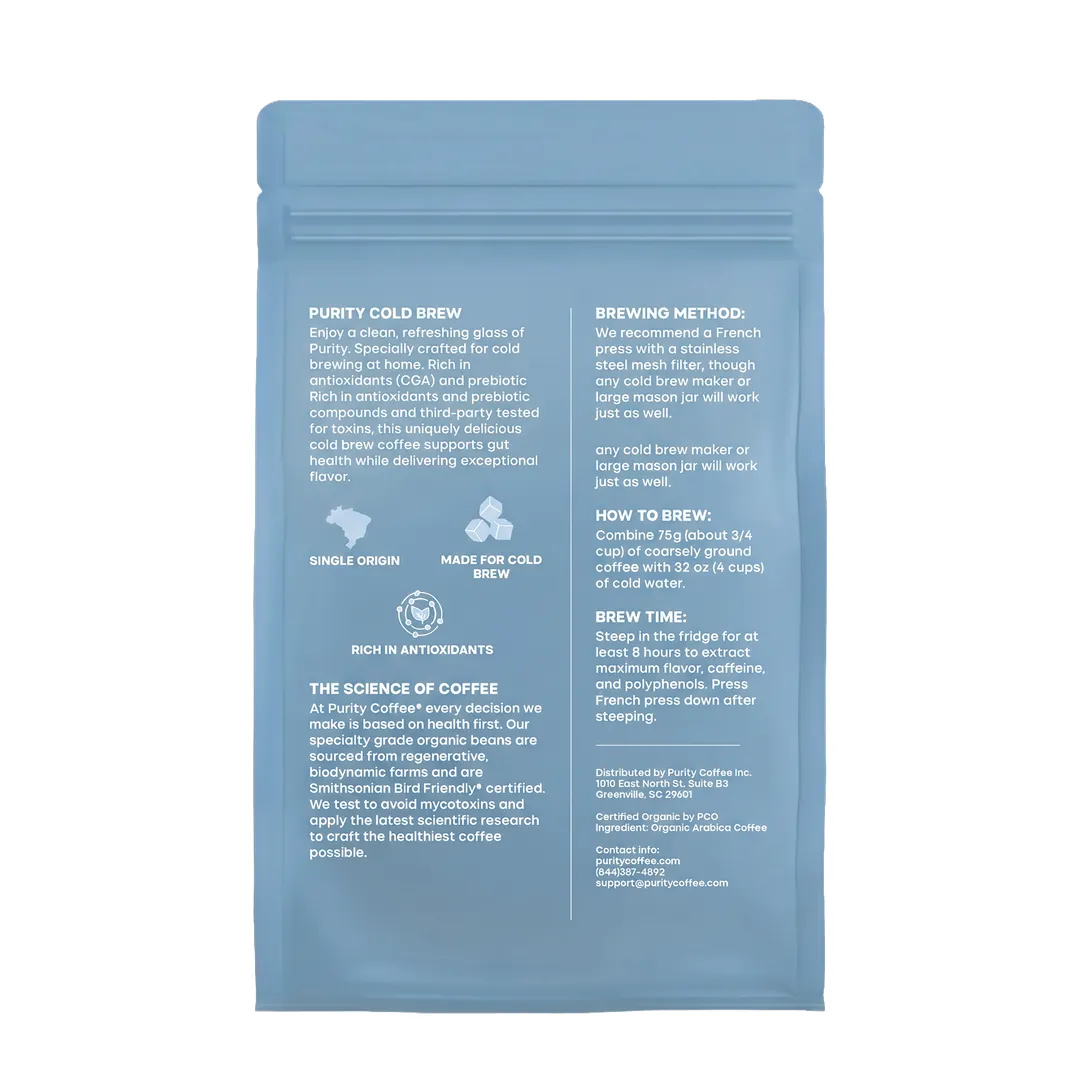
You’ll need to adjust your normal routine to make this short timeline work. Follow these steps exactly, since skipping one will leave you with weak coffee.
- Measure 1 cup of dark roast beans. This assumes standard whole beans weighing about 85 grams; for light roasts, add another quarter cup to compensate.
- Grind them to a medium-coarse texture. It should look like rough sea salt, not powder. You’ll know it’s right when the grounds don’t clump together in your fingers.
- Combine with 4 cups of room-temperature water. Pour the water over the grounds in a large glass jar and stir gently for 30 seconds.
- Leave the jar on your kitchen counter. Don’t put it in the fridge yet. The sign this step worked is seeing the grounds fully saturated and mostly submerged.
- Strain through a paper filter after exactly 8 hours. Use a fine-mesh sieve lined with a paper coffee filter. The liquid should run through clear, without muddy sediment.
- Move the strained coffee straight into the fridge. Chill it for at least 30 minutes before drinking. It’s ready when condensation forms on the outside of your glass.
Skipping the strainer ruins the batch
Leaving the coffee grounds in the water past the 8-hour mark turns the drink bitter fast. Because you used a slightly finer grind and warmer water to speed things up, extraction doesn’t stop when you decide you’re done—it stops when you physically separate the grounds from the liquid.
Leaving them sitting while you run errands costs you the whole batch, turning a smooth drink into something sharp and chalky that goes down the drain. Set a timer on your phone for 8 hours the moment you pour the water. When it rings, strain immediately. That single check saves your coffee every time.
When to call off the DIY approach

Stop trying to manage this yourself if you notice any of these signs:
- You’re making it for a commercial cafe, where local health departments require specific holding temperatures for unrefrigerated drinks.
Brewing at room temperature carries a small food-safety limit. If your kitchen stays above 75°F for those 8 hours, the risk of bacterial growth rises, and you shouldn’t drink it.
Frequently asked questions
Can I put it in the fridge for 8 hours?
No, 8 hours in the fridge isn’t enough time. Cold temperatures slow extraction significantly, so you’ll end up with weak, watery coffee. Leave it on the counter instead.
Why does my 8-hour batch taste sour?
Sourness means the coffee under-extracted. Your grind was likely too coarse, or the room was too cold. Try grinding the beans slightly finer next time.
How long does 8-hour cold brew last?
It stays fresh for 3 to 4 days in the fridge, assuming you strained it completely. Unstrained batches spoil within 24 hours because the wet grounds continue to over-extract and turn bitter.
Is it safe to leave coffee out for 8 hours?
Yes, as long as your kitchen is between 68°F and 72°F. The acidity of coffee prevents most harmful bacteria from growing quickly. Don’t exceed 12 hours at room temperature.
What happens if I use fine espresso grounds?
You’ll get a very strong, likely bitter cup in just 4 to 5 hours. Fine grounds over-extract rapidly at room temperature, so you’d need to shorten the time drastically.
Does the water type matter for quick brewing?
Yes, filtered water extracts flavors cleaner than hard tap water. Minerals in tap water can alter the extraction balance, sometimes pulling out harsh flavors.
How many scoops do I need for 8 hours?
Use 1 cup of coffee grounds per 4 cups of water. This ratio assumes a medium-coarse grind at room temperature; if you go coarser, add two extra tablespoons.
Getting your first 8-hour batch right
Start by grinding your dark roast beans to a medium-coarse texture and steeping them on the counter today. Expect a lighter, ready-to-drink cup rather than a heavy concentrate, which you’ll recognize by its clean, smooth taste without sharp bitterness. If the liquid ever smells sour or grows fuzz before you strain it, throw it out and ask a food safety professional what went wrong.