
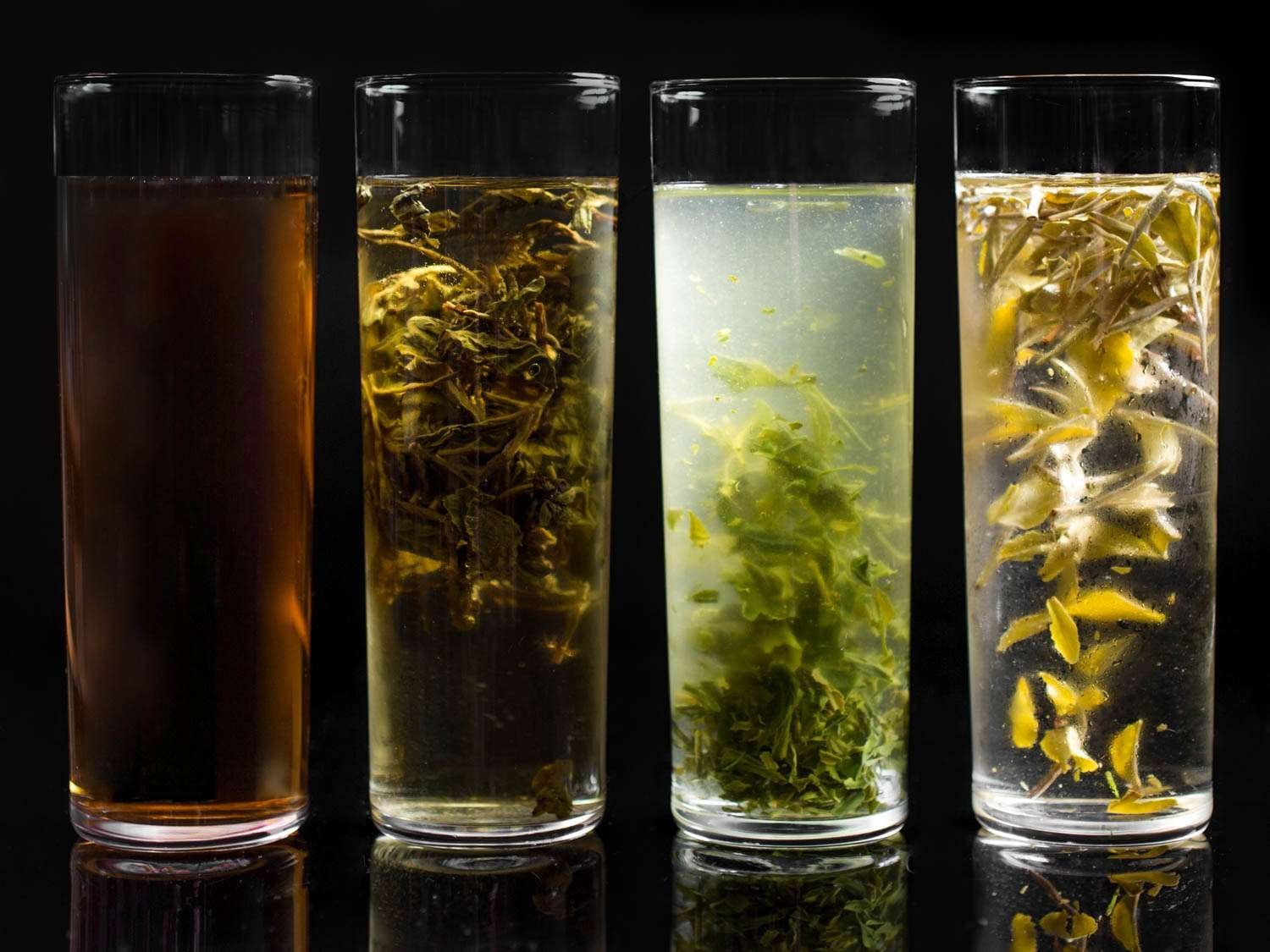
Yes, you can over steep cold brew. Leaving the grounds in water past 24 hours pulls out bitter compounds that ruin the flavor. If your jar’s been sitting longer than that, strain it now and taste a small sip before pouring a full glass.
When cold brew goes too far
The time your grounds sit in water decides whether you get a smooth drink or a harsh one. Match your setup to the right window below so you don’t guess.
| Your situation | Answer | Why |
|---|---|---|
| Fridge soak, coarse grind, 12-24 hours | No | Cold water extracts slowly, keeping bitterness low |
| Counter soak, coarse grind, 12-18 hours | No | Room temperature speeds extraction but stays safe here |
| Fridge soak past 24 hours | Yes | Tannins dissolve after most good flavors are gone |
| Counter soak past 18 hours | Yes | Warmth pushes bitter compounds out much faster |
| Fine grind left 12 hours or more | Yes | Small particles release everything too quickly |
| Grounds removed, liquid stored under 7 days | No | Extraction stops completely once you strain it |
What makes the coffee turn bitter
Water temperature and grind size control how fast flavors leave the bean. Heat speeds up every chemical reaction, including the one that dissolves tannins — the compounds that make tea and coffee taste dry and sharp.
Grind size changes the surface area the water can touch. The Specialty Coffee Association recommends a coarse grind for immersion brewing because it keeps extraction even and prevents harsh notes from taking over the cup.
If you’re using coarse grounds in the fridge, strain between 16 and 24 hours; if you’re brewing on the counter with a medium grind, check it at 12 hours.
Steps for a balanced batch
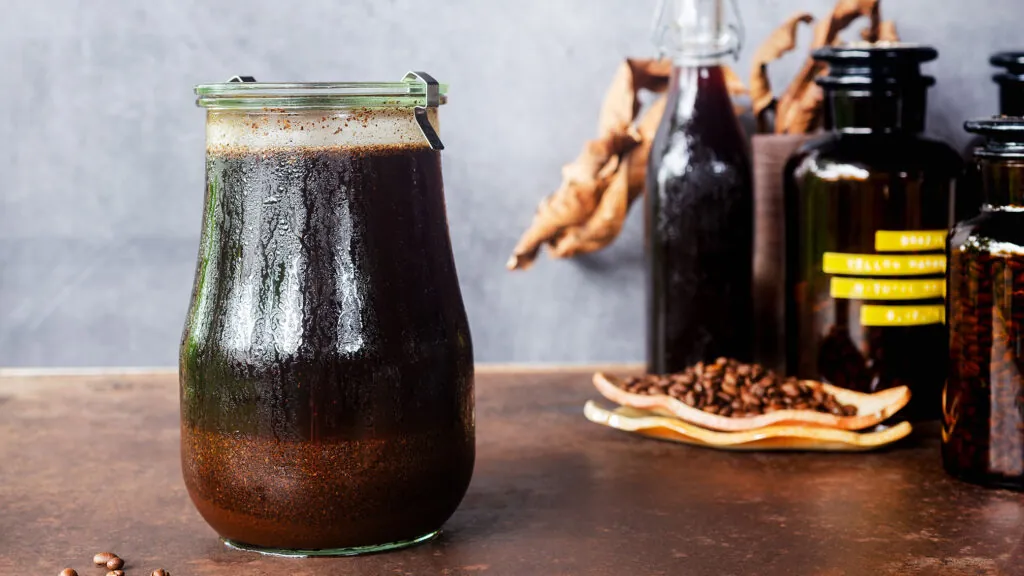
Getting the timing right means setting up the batch so it doesn’t need babysitting. Follow these steps to keep the flavor clean from start to finish.
- Weigh your coffee. Use 100 grams of beans for every 750 milliliters of water. This 1:7.5 ratio assumes you’ll dilute the final concentrate with water or milk later.
- Grind the beans coarse. Aim for pieces the size of raw sugar crystals. If your grinder has numbers, pick the second-widest setting.
- Combine and stir. Pour room-temperature or cold filtered water over the grounds. Stir gently for 10 seconds so no dry clumps hide at the bottom.
- Pick your spot. Put the lid on. Place the jar in the fridge for 18 to 24 hours, or on the counter for 12 to 16 hours. Don’t move it back and forth between the two.
- Strain it twice. Pour the liquid through a fine-mesh sieve, then through a paper filter or clean cloth. You should see clear, dark liquid without floating dust.
- Taste before storing. Sip a spoonful straight. It shouldn’t make your mouth pucker. Dilute it half-and-half with water or milk.
Store the finished concentrate in a sealed bottle in the fridge. Drink it within five days for the best flavor.
Leaving the grounds in too long
Waiting an extra day because you forgot the jar isn’t harmless. You can’t mask that sharpness with milk or syrup, so the whole batch usually goes down the sink.
That’s 100 grams of beans and half a day wasted because the strainer stayed in the drawer.
Signs you need to toss the batch
Stop trying to save the coffee if you notice these warning signs. Straining won’t remove what’s already dissolved in the liquid.
- A sour or rotten smell hits you when you open the lid, meaning bacteria grew while it sat out too long.
- The liquid looks cloudy and thick even after filtering, showing the beans broke down entirely.
- Your tongue feels dry and rough after one sip, proving too many tannins dissolved into the water.
- Mold floats on the surface, which happens when a counter batch sits past 24 hours.
Brewing past these points won’t give you stronger coffee.
Frequently asked questions
Can I leave cold brew out overnight?
Yes, 12 to 16 hours on the counter is fine if you use coarse grounds. Past 18 hours at room temperature, the batch will likely turn bitter. Move it to the fridge if you need more time.
How long does cold brew take in the fridge?
It takes 18 to 24 hours in the fridge using coarse grounds. Colder water slows down extraction, so it needs about six hours longer than a batch sitting on your kitchen counter.
Does a finer grind steep faster?
Yes, fine grounds extract in 8 to 12 hours because they have more surface area. They also turn bitter much faster, so you must watch the clock closely and strain them early.
Is it safe to drink cold brew left for two days?
No, leaving grounds in water for 48 hours creates a harsh, heavily oxidized liquid. While it might not cause illness if kept refrigerated, the flavor will be unpleasantly bitter and woody.
Why does my cold brew taste sour?
Sourness usually means the batch didn’t steep long enough, leaving acidic compounds behind without the sweeter ones. Add four more hours to your next batch, or grind the beans slightly finer.
Can I reuse the coffee grounds for another batch?
No, spent grounds have already given up their good flavors. A second soak only pulls out stale, woody notes. Compost them and measure out fresh beans for your next jar.
Does the type of water change the time?
Yes, hard water with heavy minerals can slow extraction slightly and add a chalky taste. Use filtered water for a cleaner flavor. The time difference is usually under two hours.
What happens if I boil cold brew to speed it up?
Boiling defeats the purpose. High heat instantly releases bitter acids and destroys the smooth profile you chose this method for. Stick to room temperature or colder water.
Starting your next cold brew
Measure out 100 grams of coarse grounds and cover them with 750 milliliters of filtered water today. Expect a smooth, dark concentrate ready to strain in 18 to 24 hours if it’s in the fridge. If the liquid smells sour or leaves a dry feeling on your tongue before you finish straining, dump it out and start over.