
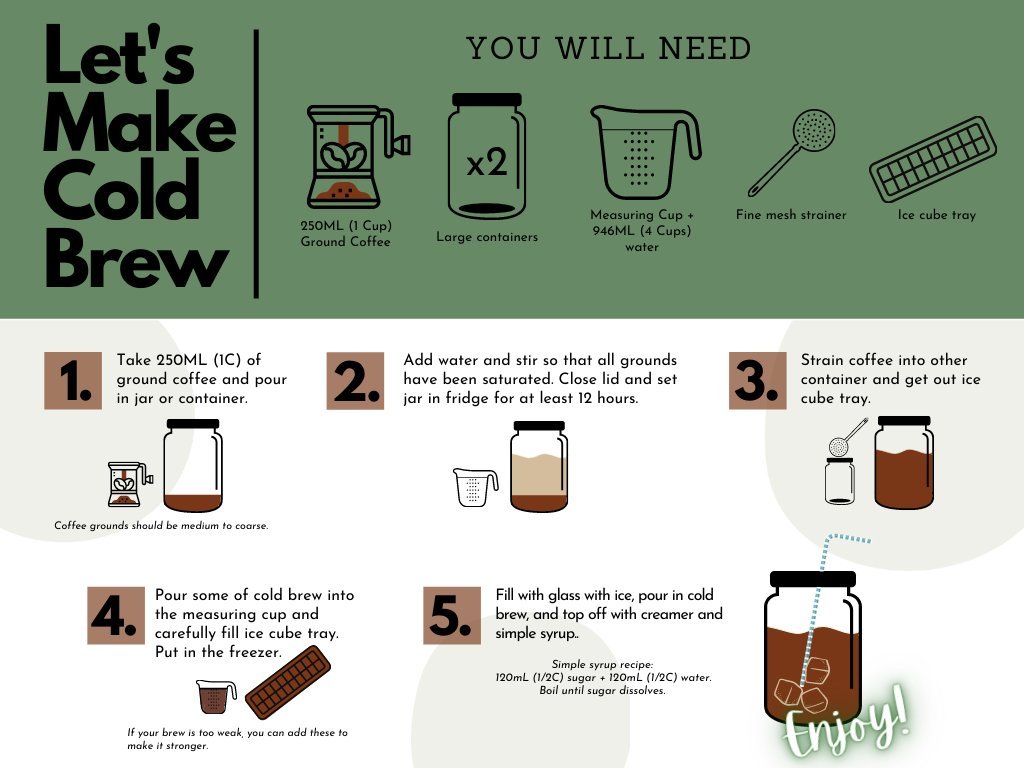
Yes, you can make your own cold brew coffee at home with just coarse grounds and water. The only condition that matters is steeping time, which must be 12 to 24 hours for proper extraction. Start your first batch tonight so it’s ready by tomorrow morning.
When your own cold brew coffee works
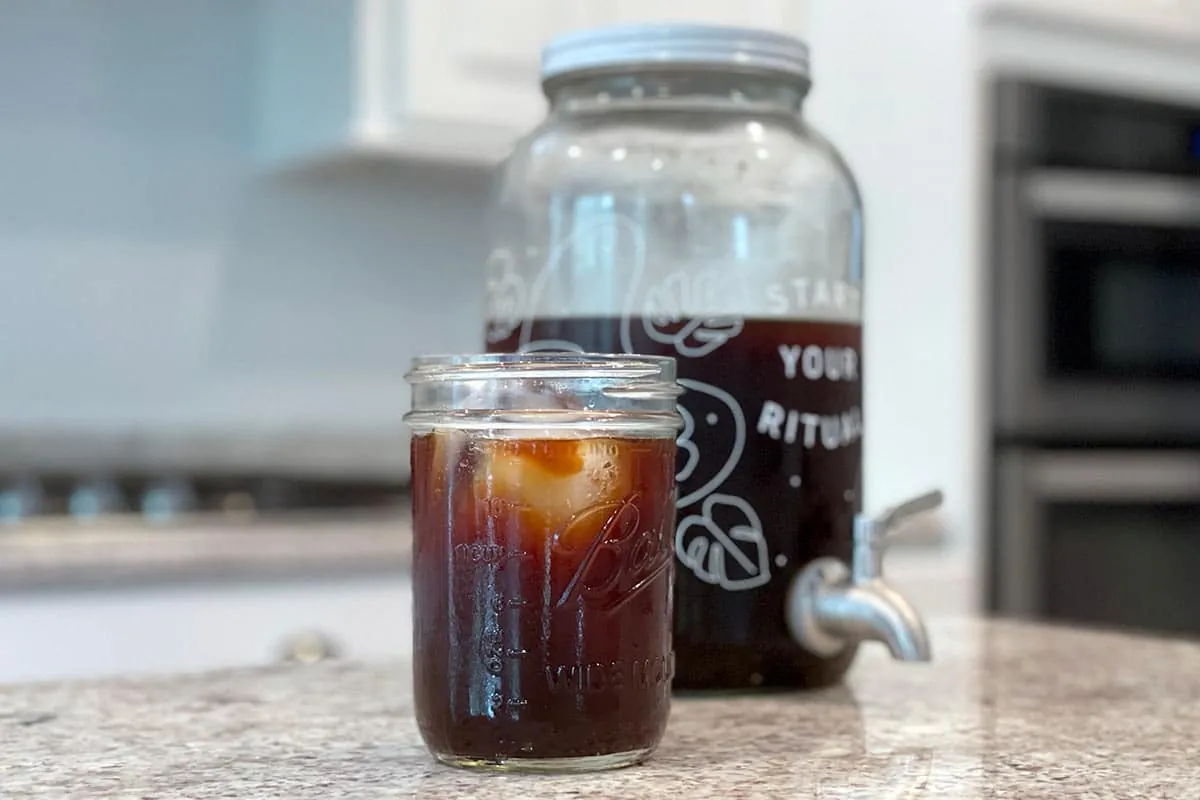
Your situation determines whether making cold brew at home saves money or just wastes beans. This table sorts the common cases into clear yes or no answers based on real constraints.
| Your situation | Answer | Why |
|---|---|---|
| Daily drinker wanting savings | Yes | Costs about $0.50 per serving versus $5 shop price |
| Need caffeine in under an hour | No | Steeping requires minimum 12 hours extraction time |
| Have coarse grinder available | Yes | Proper grind size prevents bitter over-extraction |
| Only pre-ground coffee available | No | Fine grounds create sludge and harsh flavors |
| Want hot coffee immediately | No | Cold brew concentrate needs dilution and ice |
| Limited fridge space for jars | No | Requires 12-24 hours refrigerated storage |
| Sensitive to acidic drinks | Yes | Cold extraction typically produces coffee with lower perceived acidity than hot brewing |
What decides the result
Grind size controls everything because surface area determines extraction speed in cold water. Coarse grounds resembling sea salt allow water to flow through slowly, pulling out smooth chocolate notes without dissolving bitter compounds. Fine particles expose too much surface area, causing rapid over-extraction even in cold temperatures.
Water temperature sets the timeline for flavor development. Room temperature water extracts faster but risks pulling acidic compounds after 18 hours. Refrigerated water slows extraction significantly, requiring the full 24-hour window for balanced flavor. The National Coffee Association confirms that cold brewing relies on time rather than heat to achieve proper solubility.
If your grounds feel like table salt, use room temperature water for 12-14 hours; if they’re properly coarse like raw sugar, refrigerate for 18-24 hours.
Steps for successful brewing
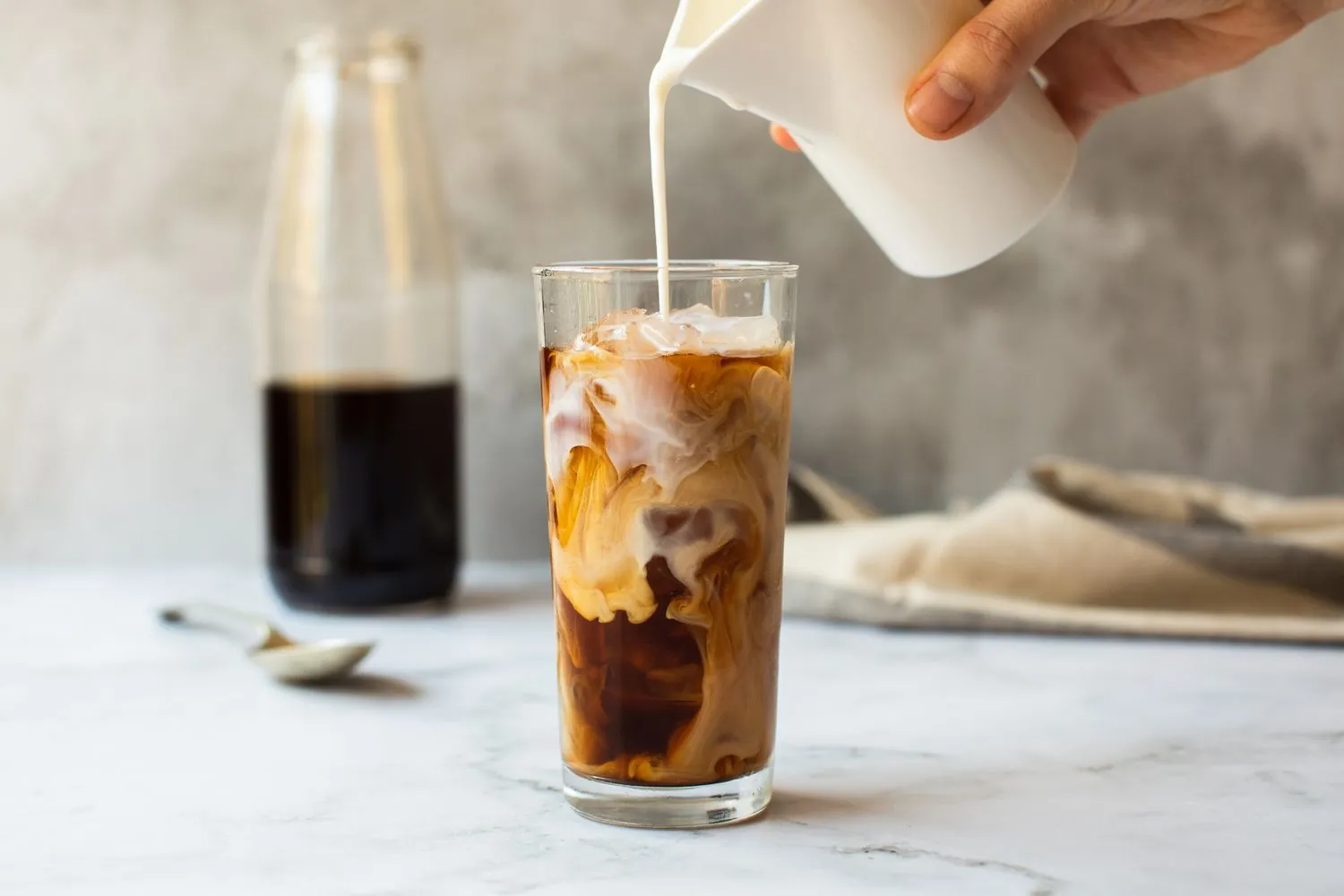
Making cold brew correctly requires following these specific measurements and timing guidelines. Each step includes a visual check to confirm you’re on track before moving forward.
- Measure 1 cup coarse grounds into a clean quart jar. The grounds should look like raw sugar crystals, not powder or sand.
- Pour 4 cups filtered water over the grounds slowly. All grounds must be saturated within 30 seconds to prevent dry pockets.
- Stir gently for 10 seconds with a long spoon. You’ll see bubbles rise as trapped air escapes from the grounds.
- Cover and refrigerate immediately for 18-24 hours. Set a phone alarm now because guessing the time ruins batches.
- Strain through cheesecloth into a second container. The liquid should be dark brown and free of visible sediment.
- Dilute concentrate 1:1 with water or milk before drinking. Straight concentrate tastes overwhelmingly strong and wastes your effort.
Skipping the coarse grind
Using fine pre-ground coffee is the most expensive mistake in cold brewing. It creates an undrinkable sludge that clogs filters and extracts bitter tannins regardless of steeping time. You’ll waste a significant amount of beans and 24 hours waiting for a batch you have to pour down the sink.
Check your grinder’s settings or buy whole beans labeled specifically for cold brew. If you can’t verify the grind size visually against raw sugar crystals, don’t start the batch. The modest cost of a basic burr grinder pays for itself after three successful batches.
When to stop DIY brewing
- Mold appears on liquid surface, indicating spoilage that requires discarding the batch and sanitizing equipment.
- Stomach illness occurs after drinking, suggesting pathogen growth needing medical attention and source tracing.
- Equipment shows cracks or chips, creating sanitation hazards that require replacement parts from manufacturers.
- Flavor remains sour despite correct timing, pointing to potential under-extraction, grind size issues, or bean characteristics.
- Commercial volume needed exceeds home capacity, where health department licensing becomes legally required.
Food safety regulations govern any beverage served outside personal household use. Consult your local health department before scaling beyond personal consumption.
Related guides
Frequently asked questions
Can I use regular ground coffee?
No, standard pre-ground coffee is too fine and creates bitter sludge. You need coarse grounds resembling raw sugar crystals for proper filtration and smooth flavor extraction during the long steeping process.
How long does cold brew last?
Undiluted concentrate stays fresh for 7-10 days refrigerated in sealed containers. Diluted cold brew lasts only 2-3 days because added water introduces bacteria and accelerates oxidation.
Why is my cold brew bitter?
Over-extraction from fine grounds or steeping past 24 hours causes bitterness. Check your grind size against raw sugar texture and set a timer to avoid exceeding the maximum extraction window.
Is cold brew stronger than hot coffee?
Yes, undiluted concentrate contains roughly double the caffeine of hot coffee by volume. Always dilute 1:1 with water or milk to match standard strength and avoid jitters.
What happens if I steep too long?
Steeping beyond 24 hours extracts harsh tannins and woody flavors that ruin the batch. There’s no way to fix over-extracted cold brew except starting fresh with a timer set.
Does water quality matter?
Yes, tap water minerals and chlorine create off-flavors during long extraction. Use filtered or spring water to let coffee notes develop cleanly without chemical interference masking subtle characteristics.
Can I reuse cold brew grounds?
No, spent grounds have already released their soluble compounds and oils. A second steep produces weak, flat-tasting liquid with none of the original sweetness or caffeine content.
Starting your cold brew routine
Buy whole beans and a coarse grinder today, then measure your first batch tonight using the 1:4 ratio. Expect smooth, low-acid coffee ready tomorrow morning that costs pennies per serving. Stop and reassess your method if any batch tastes consistently bitter or causes stomach discomfort.