

Yes, you can steep coffee grounds on the counter. Cold brew can be made at room temperature, but it changes the timeline. If your kitchen stays above 75°F, bacteria grow faster in the wet grounds. Put your jar in the fridge right now if the room feels warm.
Room temperature vs fridge for cold brew coffee

Your kitchen’s warmth decides how fast the water pulls flavor from the grounds. Here is what happens in each setup.
| Your situation | Answer | Why |
|---|---|---|
| Kitchen under 70°F, drinking today | Yes | Extracts fully in 12-18 hours |
| Kitchen over 75°F in summer | Use caution | Extraction accelerates and may produce off-flavors |
| Brewing for more than two days | Fridge only | Stays safe up to 14 days |
| Wanting bright, fruity flavor | Yes | Warmth pulls out fruit acids |
| Wanting smooth, low-acid taste | Fridge | Cold slows down acid extraction |
What controls the brewing time
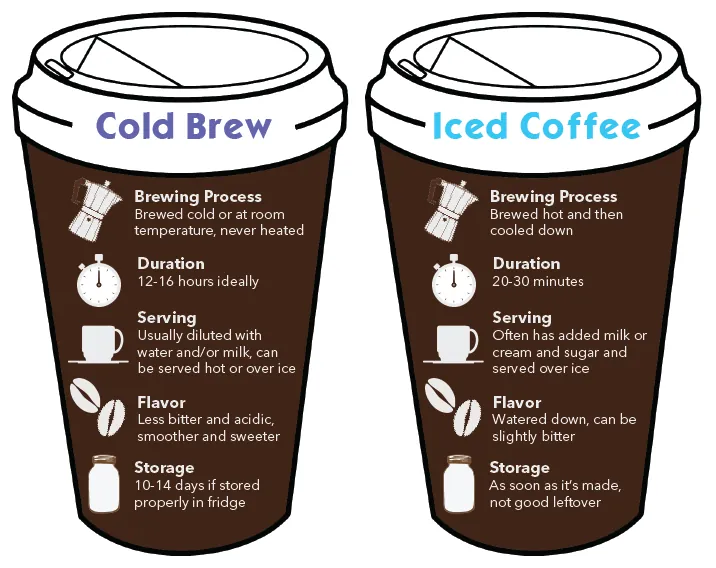
Heat drives every chemical reaction inside your jar. Water at 68°F moves through coffee grounds much faster than water at 38°F. That speed is why a counter batch finishes in 12 to 18 hours while a fridge batch needs 18 to 24 hours.
The trade-off is simple. Warmer water extracts brighter, fruitier notes, but it also pulls out bitter compounds if you leave it too long. Colder water gives you that heavy, chocolatey body people expect from this method, though it takes longer to get there.
Room temperature isn’t one fixed number. It shifts between day and night, or when you turn the oven on. A batch started at 65°F might climb to 78°F by afternoon. That swing changes how much flavor ends up in your cup. You can read your own exact brewing time off your kitchen thermometer and adjust by a few hours.
If your kitchen stays below 70°F, steep on the counter for 12 to 18 hours; if it climbs above 75°F, expect faster extraction and check taste earlier.
Steps to brew it on the counter
This works when your kitchen stays cool. Follow these steps exactly.
- Measure 1 cup of coarse grounds. Use a coarse grind, like sea salt. Fine powder turns the drink muddy and bitter.
- Pour 4 cups of filtered water. This 1:4 ratio assumes standard beans. For a lighter drink, use 5 cups of water instead.
- Stir until all grounds are wet. Dry pockets won’t extract. Stir for about 30 seconds with a wooden spoon.
- Cover loosely and set a timer. Don’t seal it tight. Gases need to escape. Set your timer for 12 hours.
- Taste it at the 12-hour mark. It should taste strong but not sharp. If it’s weak, give it 4 more hours.
- Strain through a paper filter. A metal mesh leaves grit behind. Paper gives you a clean liquid.
- Put the finished concentrate in the fridge immediately. Don’t leave the strained liquid on the counter. Cooling stops the extraction and keeps it safe.
The sign it worked is a dark, smooth concentrate that doesn’t taste sour or sharp. Dilute it with equal parts water or milk before drinking.
Guessing the room’s actual heat
Leaving a jar out without checking the thermostat costs you the whole batch. Coffee sitting in water between 40°F and 140°F enters what the FDA calls the danger zone, where bacteria double quickly. A brew left at 80°F for 20 hours often turns sour, and you’ll pour 4 cups of good beans down the drain.
The fix takes five seconds. Look at your thermostat or put a cheap kitchen thermometer next to the jar before you walk away. If the reading is above 75°F, don’t leave it out. Move it to the fridge right then. That single check saves your time and your ingredients.
When to stop and put it away
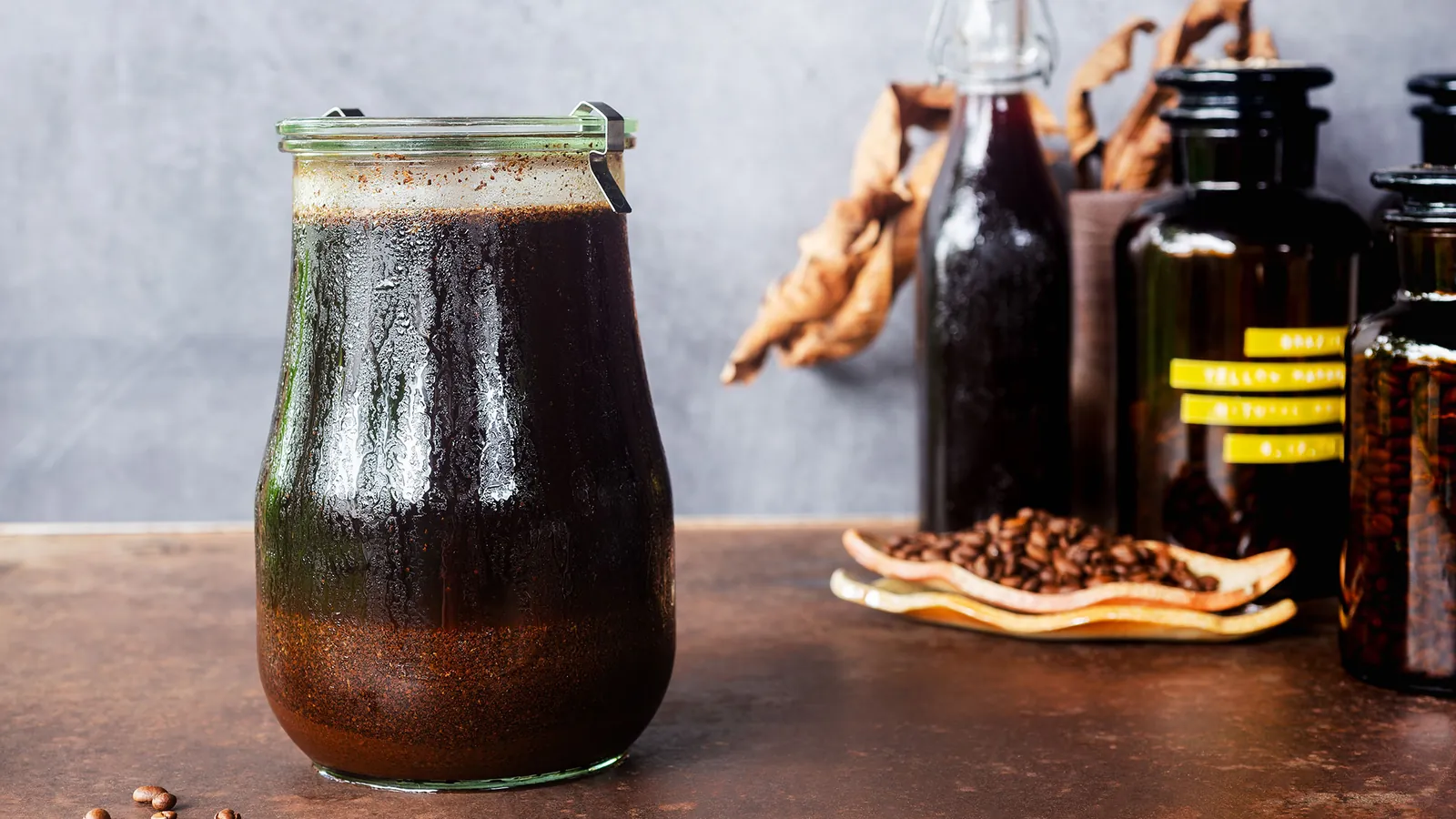
You shouldn’t leave wet coffee grounds out forever. Watch for these signs that the process has gone too far.
- A sour or vinegar smell rises from the jar, because unwanted bacteria have taken over.
- The liquid looks cloudy or fizzy after straining, meaning fermentation started.
- Your kitchen hits 80°F during the day, accelerating extraction and increasing the risk of sourness.
- You’ve left it out past 24 hours, which increases the likelihood of over-extraction or fermentation.
A sealed bottle of finished concentrate lasts 7 to 14 days in the fridge, depending on how clean your jars were. If you see mold floating on top, throw it all out. Don’t try to skim it off.
Frequently asked questions
Can I leave cold brew out overnight?
Yes, if your kitchen stays under 70°F. It needs 12 to 18 hours to finish. If the room gets warmer than 75°F, put it in the fridge before you go to sleep.
Why does room temp brew taste different?
Warmer water pulls out more fruity acids. Fridge brewing leaves those acids behind, giving you a heavier, smoother taste. Neither way is wrong.
How long does counter brewing actually take?
It takes 12 to 18 hours at 68°F. If your kitchen is cooler, around 60°F, add 4 hours. Check the taste at 12 hours to know.
Is it safe to drink if my kitchen is hot?
It’s safe, but brewing above 75°F accelerates extraction and may yield sour or bitter flavors. Wet grounds in warm rooms grow bacteria fast. Brew in the fridge during summer instead.
What happens if I leave it out too long?
It turns bitter and sour. Past 24 hours at room temperature, the risk of bacterial growth goes up. Strain it and refrigerate it once it tastes right.
Does the grind size matter on the counter?
Yes, you need a coarse grind. Fine grounds extract too fast at room temperature and clog your filter. Aim for pieces the size of rough sea salt.
Can I use tap water for this?
You can, but chlorine in tap water makes the coffee taste flat. Filtered water gives a cleaner flavor. If your tap water tastes fine alone, it’ll work here.
Getting your first batch right
Check your kitchen thermometer before you mix the grounds and water. Expect a smooth, strong concentrate ready to dilute after 12 to 18 hours if the room stays cool. If the liquid smells sour or fizzy when you open the jar, pour it out and start over in the fridge.