
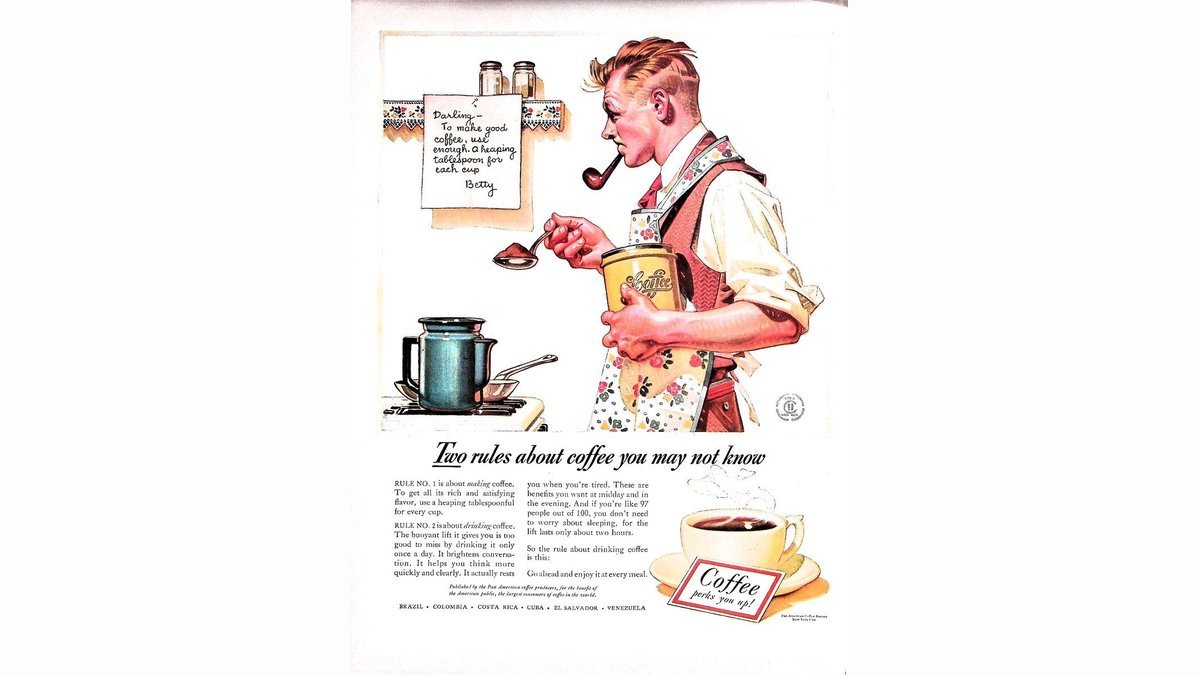
You can learn to brew a great cup by following a few basic rules, even if you currently feel like a beginner. Success depends on the ratio of grounds to water. Start by measuring your ingredients with a digital scale to ensure consistency.
How to make coffee your way
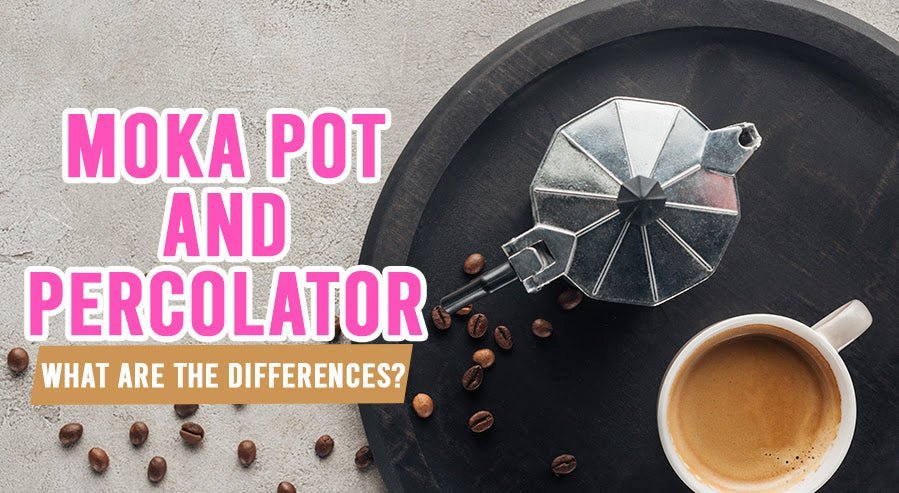
Your choice of method changes the flavor profile and the required grind size. Each device has a specific way it extracts oils and solids from the beans.
| Method | Grind Size | Brew Time | Flavor Profile |
|---|---|---|---|
| French Press | Coarse | 4 minutes | Heavy body |
| Drip Machine | Medium | 5 minutes | Balanced |
| Pour Over | Medium-fine | 3 minutes | Clean/Bright |
| Espresso | Fine | 30 seconds | Concentrated |
| Cold Brew | Coarse | 12-24 hours | Low acidity |
What decides the final taste
The most important factor is the ratio of coffee to water. Most experts recommend a standard ratio of 1:16, meaning 1 gram of coffee for every 16 grams of water. If you use too little coffee, the result will be thin and sour; if you use too much, it will taste bitter and sharp. Water temperature matters, as water that’s too cool will fail to extract enough flavor. According to the National Coffee Association, the ideal water temperature for brewing is between 195°F and 205°F. If you prefer a lighter cup, use a higher ratio like 1:18; if you prefer a strong cup, use a lower ratio like 1:14.
How to brew the perfect cup

- Heat your water to between 195°F and 205°F, using a kettle with a thermometer to ensure accuracy.
- Weigh your beans to reach a ratio of 1 gram of coffee for every 16 grams of water.
- Grind the beans immediately before brewing to keep the oils fresh and the aromatics strong.
- Saturate the grounds with a small amount of water to let them “bloom” for 30 seconds, which releases trapped carbon dioxide.
- Pour the remaining water slowly in a circular motion to ensure even extraction across all the grounds.
- Wait for the drip or press to finish completely before removing the grounds to avoid over-extraction.
The mistake people make
The most common mistake is using old, pre-ground coffee stored in the pantry. This ruins the flavor because oxygen breaks down the aromatic compounds within minutes of grinding. You lose the complex notes that make a cup enjoyable, leaving behind a dull, cardboard-like taste.
The fix is simple: buy whole beans and grind them right before you brew. If you can’t afford a burr grinder, even a basic blade grinder is better than using stale, pre-ground coffee. This one change makes a larger difference in flavor than upgrading your machine.
Most people fail to realize that coffee beans are porous. Once ground, the surface area increases by a factor of hundreds, accelerating oxidation. If your beans have been sitting for more than two weeks, they’re likely already flat. Use the “pinch test” to decide: if the dry grounds lack a sharp, pungent aroma, discard them immediately.
When to seek professional help
- Your machine displays an error code that persists after a manual reset, indicating a hardware failure.
- The water doesn’t heat up, which often points to a broken heating element that requires a certified technician.
- You experience persistent leaks from the internal pump, which can be an electrical hazard.
- The coffee tastes like burnt plastic, suggesting a melted internal component.
Never attempt to open the housing of an electric brewer to fix internal wiring, as this creates a significant risk of electrical shock and voids your warranty.
Frequently asked questions

How much coffee do I need for one mug?
You need about 15 to 20 grams of coffee for a standard 8-ounce mug, assuming you want a balanced 1:16 ratio. Use a digital scale to weigh your grounds for the best result.
Is it safe to leave coffee in the pot?
It’s safe for about 30 minutes, but the flavor will degrade quickly as it continues to cook on a hot plate. For best results, pour it into an insulated carafe immediately.
Why does my coffee taste bitter?
Your coffee tastes bitter because the grounds were over-extracted, which happens if the grind is too fine or the water is too hot. Try a coarser grind setting for your next attempt.
How long does ground coffee stay fresh?
Ground coffee begins to lose its most volatile aromatics shortly after grinding, so it’s best to brew it as soon as possible. Always grind your beans just before you start the brewing process.
Does the water quality matter?
Water quality matters significantly, as coffee is 98% water, so use filtered water to avoid chlorine or mineral tastes. Tap water with high mineral content can change the extraction rate of your coffee.
Can I reuse coffee grounds?
You can’t reuse coffee grounds because the flavor compounds are already extracted during the first brew. Using them again will result in a watery, unpleasant drink with no remaining aromatics or oils.
Conclusion
Start by measuring 20 grams of coffee beans and grinding them to a medium consistency. Pour 320 grams of hot water over the grounds and wait for the drip to finish. If the coffee tastes sour, grind your next batch finer to slow the water flow.