
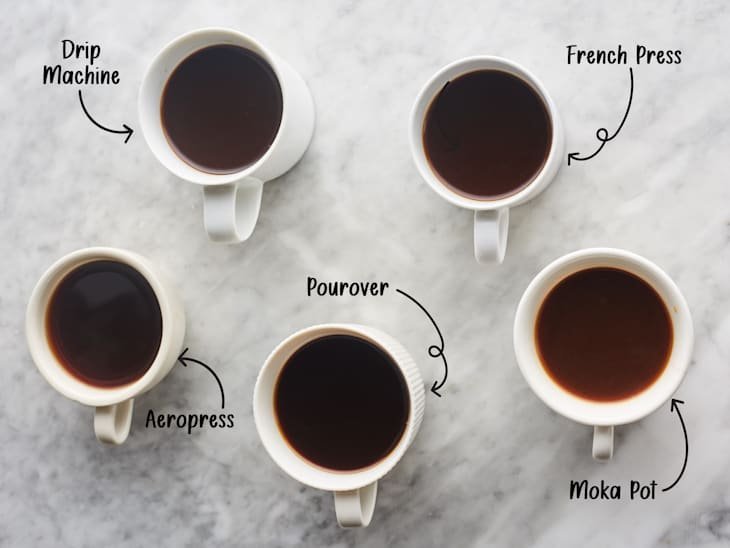
You can make coffee that tastes consistent by adding 2 tablespoons of grounds to every 6 ounces of hot water. This guide explains the ratios, brewing techniques, and water temperatures needed for a quality extraction.
How coffee extraction helps you make coffee
Photo: gentocoffee.com on Google
Coffee brewing is the process of pulling flavor, oils, and caffeine out of roasted beans using water. It’s a simple chemical extraction, but the final result depends on how much surface area the water touches and how long it stays in contact with the grounds. Many people believe that darker roasts have more caffeine, but the roasting process actually burns off mass; for the most accurate information on caffeine content, the FDA explains that caffeine levels vary based on the bean type and brewing method. This process is for anyone who wants to improve their home routine, though it isn’t for those looking for instant results without any equipment.
The Pour-Over Brewing Method
- Heat 10 ounces of water to approximately 200°F. If you don’t have a thermometer, let the water sit for 30 seconds after it reaches a boil.
- Place a paper filter in your dripper and rinse it with a splash of hot water to remove any papery taste.
- Add 3 tablespoons of medium-coarse ground coffee to the filter.
- Pour just enough water to wet the grounds and wait 30 seconds for the coffee to “bloom” or release carbon dioxide.
- Slowly pour the remaining water in a circular motion, keeping the stream steady until the dripper is empty.
- Remove the filter and enjoy your drink immediately.
If the coffee tastes bitter, your grind is likely too fine or the water is too hot; if it tastes sour or thin, your grind is too coarse. If you find the process difficult, local cafes often offer workshops on manual brewing techniques.
Key Numbers and Settings
| Situation | Ratio (Coffee to Water) | Grind Size | Water Temp |
|---|---|---|---|
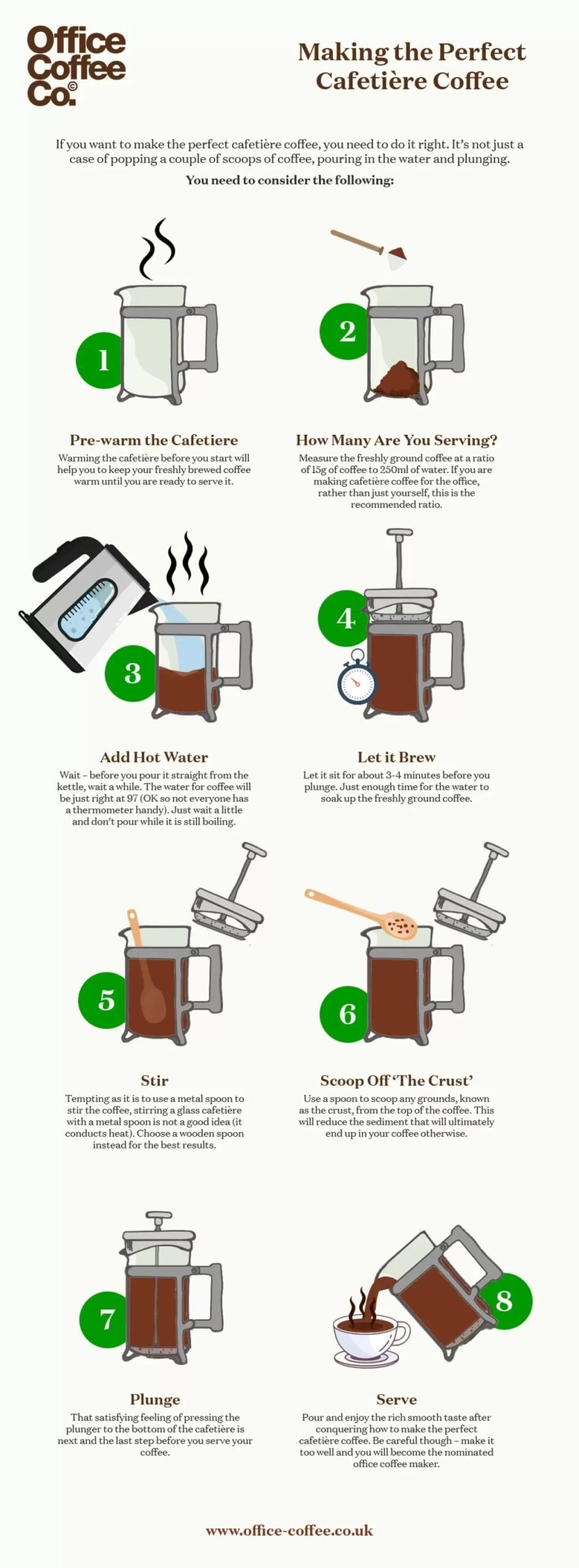
| French Press | 1:15 | Coarse | 200°F |
| Pour-Over | 1:16 | Medium-Coarse | 200°F |
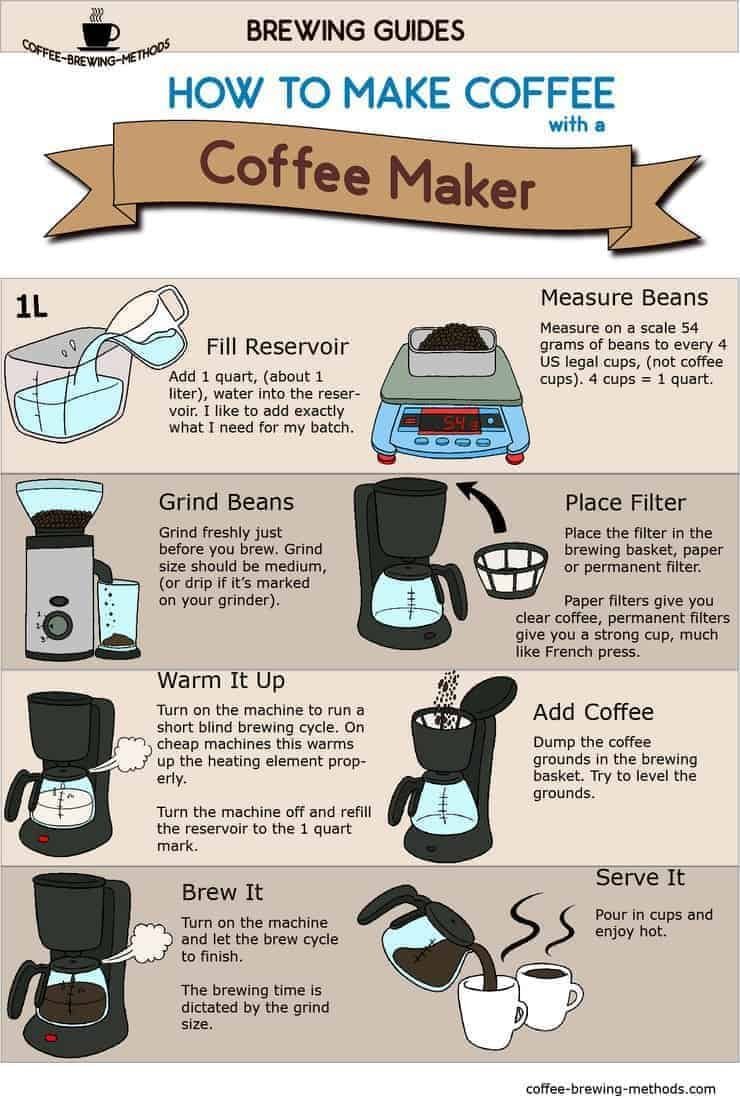
| Drip Machine | 1:17 | Medium | 195°F |
| Espresso | 1:2 | Fine | 198°F |
This table assumes a standard 8-ounce serving; for larger pots, keep the ratio steady by multiplying both numbers by the same factor.
Achieving Consistent Quality
The most important factor is the grind size relative to your equipment. Experienced brewers use a burr grinder to ensure every particle is the same size, which prevents uneven extraction. If your grounds are inconsistent, some will be over-extracted and bitter while others remain under-extracted and sour.
Controlling the Variables
Always use filtered water if your tap water has a strong chlorine smell, as water makes up over 98% of your drink. If you’re brewing for a group, measure your coffee by weight using a kitchen scale rather than a scoop for better accuracy. Consistency is the goal here; if you change one variable, such as the bean origin or the water temperature, change only that one thing at a time so you can identify what improved the flavor.
Common Problems and Fixes
| What you notice | What it usually means | What to do first |
|---|---|---|
| Coffee is too bitter | Over-extraction | Use a coarser grind |
| Coffee is too sour | Under-extraction | Use a finer grind |
| Weak or watery taste | Low ratio | Add more grounds |
| Sediment in the cup | Filter bypass | Check filter seal |
The Rules of Storage
Staleness is the enemy of flavor, so keep your beans in an airtight container away from light, heat, and moisture. According to the National Coffee Association, beans should be stored in a cool, dark place, but avoid the freezer if you plan to use them daily, as condensation can ruin the flavor. If you must store beans for more than a month, the freezer is an acceptable option, provided you use an airtight bag to prevent frost buildup and odors from other foods.
Maintaining Your Equipment
Regular maintenance keeps your coffee tasting fresh. After every use, discard the grounds and rinse your equipment with hot water to remove oils that can turn rancid over time. If you use a machine, descale it every 3 to 6 months using a vinegar or citric acid solution to prevent mineral buildup from affecting the water temperature. If your machine stops heating water properly, it’s time to contact a professional repair service rather than attempting an electrical fix yourself.
Choosing a Different Approach
If you prefer a strong, concentrated shot with a layer of crema, a manual pour-over won’t give you that result; use an espresso machine instead. If you dislike the cleanup involved in manual brewing, an automatic drip machine is a better choice. For those who want the boldest flavor with the least amount of technical effort, a cold brew immersion method is the best alternative to hot extraction.
Frequently Asked Questions
Can I reuse coffee grounds?
No, you can’t reuse grounds because the flavor compounds are extracted during the first brew, leaving only bitter, woody notes behind in the spent grounds.
How long does brewed coffee stay fresh?
Is it safe to leave coffee out?
Yes, it’s safe to leave black coffee at room temperature for up to 4 hours, but milk or cream should be refrigerated immediately after use.
Why is my coffee watery?
Your coffee is watery because the ratio of water to grounds is too high, so try increasing the amount of grounds by 10% for your next brew.
How much caffeine is in a cup?
A standard 8-ounce cup contains about 95 milligrams of caffeine, though this varies based on the bean roast and the specific brewing method used.
What happens if I use boiling water?
Using boiling water at 212°F can scorch the grounds and lead to an overly bitter, harsh flavor; always aim for the 195°F to 205°F range.
The secret to a great cup is simply finding the ratio that matches your taste and sticking to it until you have mastered your preferred brewing device.
Conclusion
Experimenting with different bean origins is the best way to discover your personal preference. Don’t be afraid to tweak your grind size or try a new roast next time you visit the shop. You’ll find that even small adjustments can reveal exciting flavors you haven’t tasted in your morning mug before.