

You can build a brand around in-house roasted coffee by focusing on a consistent flavor profile, clear storytelling about your sourcing, and strict quality control standards. This process requires an initial investment in roasting equipment, a dedicated space that meets local health codes, and a commitment to testing every batch for consistency.
Building your brand around house roasts
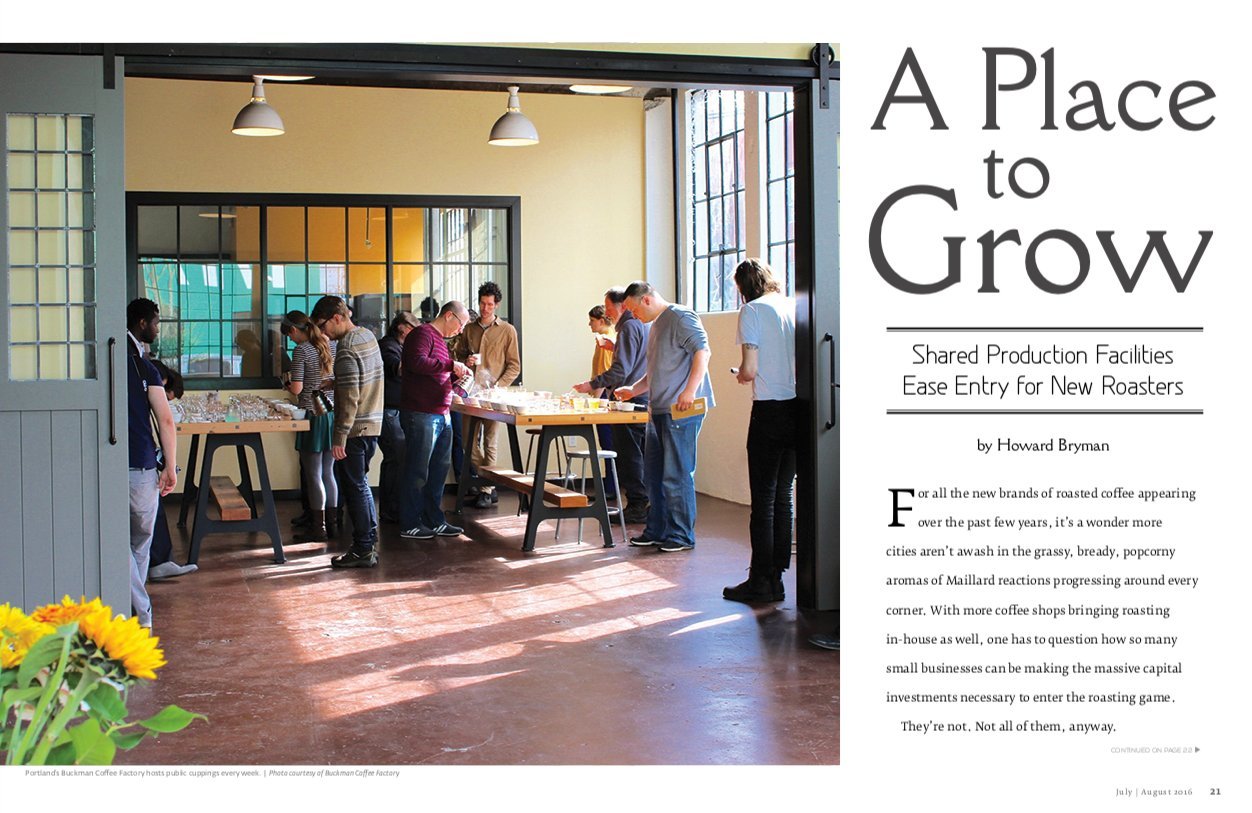
Building a coffee brand is a medium-difficulty project that usually takes three to six months of planning before your first sale. Costs vary wildly depending on whether you buy used or new commercial roasting equipment. You must check your local food safety requirements to ensure your facility meets all municipal health and zoning regulations before purchasing any machinery.
Equipment and Supplies
| Item | How much | Why it’s needed | A substitute |
|---|---|---|---|
| Commercial Roaster | 1-5kg capacity | Ensures batch consistency | None — don’t swap |
| Green Coffee Beans | 50-100 lbs | Provides raw material | None — don’t swap |
| Moisture Meter | 1 unit | Checks bean stability | None — don’t swap |
| Digital Scale | 1 unit | Weighs precise portions | Kitchen scale |
| Heat Sealer | 1 unit | Seals bags airtight | Hand iron |
| Coffee Bags | 500 count | Protects flavor profile | Airtight jars |
Preparing Your Roasting Space
- Switch off all unnecessary high-power appliances to ensure your roaster receives a stable voltage during the cooling cycle.
- Clear all flammable materials from within a six-foot radius of the roasting drum to prevent accidental fire hazards.
- Install a ventilation system that meets local fire department codes to safely exhaust smoke and chaff from the building.
- Always calibrate your temperature sensors before starting; a miscalibrated probe leads to inconsistent roasts and wasted green coffee.
- Consult a professional electrician if your building lacks a dedicated heavy-duty circuit for your specific roaster model.
Roasting and Branding Steps
- Weigh exactly 2 kilograms of green coffee beans using your scale to ensure your roast profile remains consistent across every batch you produce.
- Preheat your roasting drum to 350°F; this assumes a standard gas-powered drum roaster, so adjust your starting temperature based on your specific manufacturer’s manual.
- Charge the roaster by pouring the beans into the drum, then start your timer immediately to track the development of the roast profile.
- Monitor the bean temperature closely; for a light roast, target a drop temperature of 400°F, while dark roasts often require reaching 435°F.
- Listen for the “first crack,” which is an audible popping sound indicating the beans have undergone physical expansion due to internal pressure.
- Open the cooling tray gate exactly when your target color is reached to stop the roasting process and prevent the beans from burning.
- Use the cooling tray agitator until the beans are cool to the touch before you begin the packaging process.
- Seal the roasted coffee in airtight bags with one-way valves, which allows carbon dioxide to escape without letting oxygen ruin the flavor.
- Label each bag with the roast date and the specific origin of the beans to build trust and transparency with your customers.
Judging Roast Quality
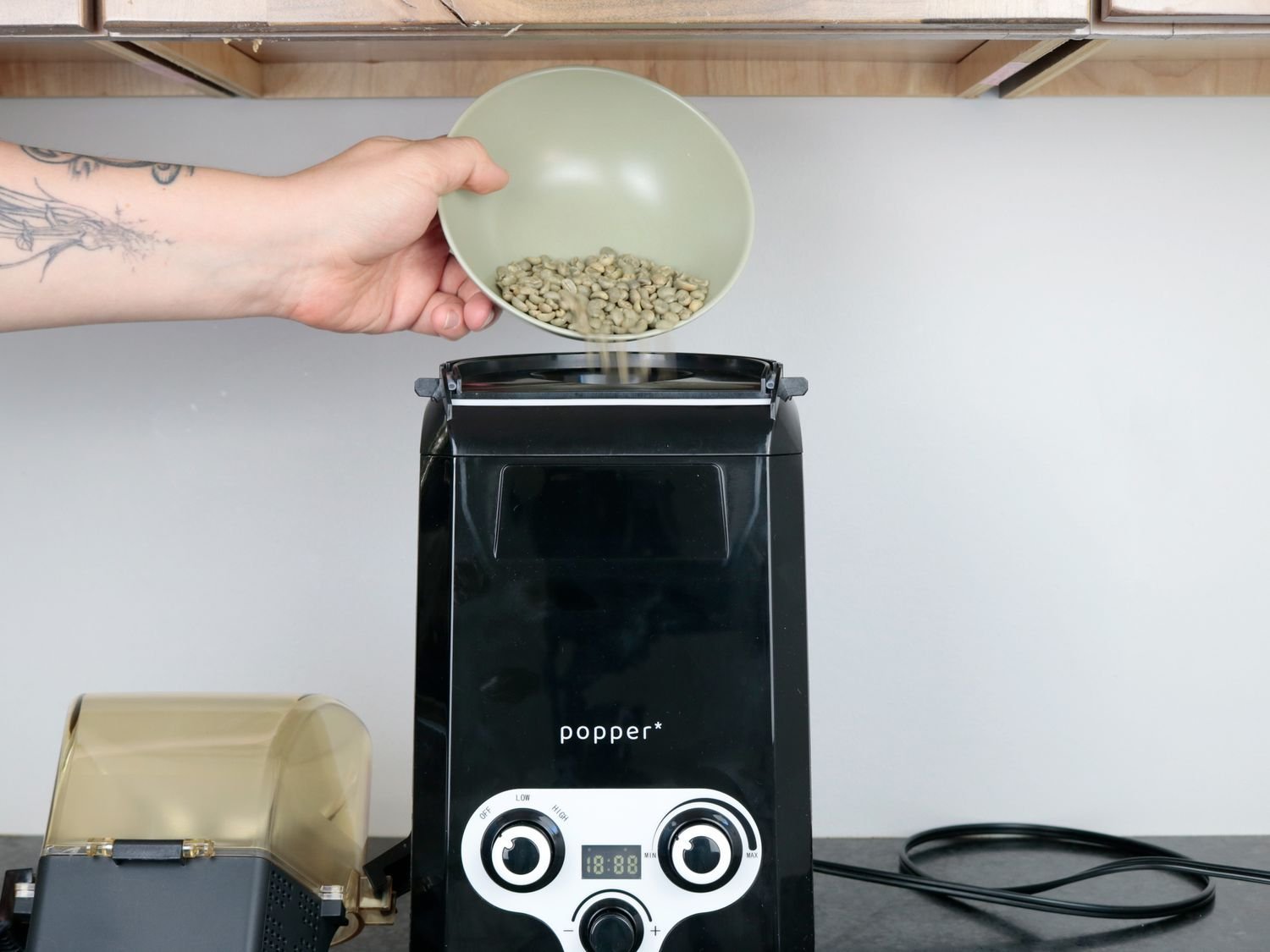
Success is measured by the consistency of your cup profile and the physical appearance of the beans. A successful roast shows an even color throughout the batch without any “tipping” or burnt edges. If you notice oily spots on light roasts, your heat was likely too high too early. If the beans look pale or smell like wet grass, they’re under-roasted and need a longer time in the drum.
Troubleshooting Common Issues
| What happened | Why | What to do |
|---|---|---|
| Beans are uneven | Poor airflow | Clean the chaff collector |
| Roast is too fast | Excessive heat | Lower initial gas setting |
| Metallic taste | Dirty drum | Perform deep cleaning |
| Bags inflate | Fresh roast gas | Use one-way valves |
| Burnt smell | Too much heat | Reduce final temperature |
Frequency of Operations
You should roast in small, frequent batches rather than one massive session to maintain freshness. Most brands find that roasting regularly is the sweet spot for balancing demand and product shelf life. This frequency changes if your sales volume spikes or if you notice your inventory sitting for a long period, as coffee quality degrades significantly once oxygen enters the beans after the initial degassing period.
Frequently asked questions
Can I roast coffee in my home kitchen?
No, you can’t safely roast coffee in a home kitchen because commercial roasting produces significant smoke and requires specialized ventilation systems that standard residential hoods aren’t designed to handle.
How long does roasted coffee stay fresh?
Roasted coffee stays fresh for about two to four weeks if kept in an airtight, opaque container away from direct sunlight, heat, and moisture to prevent the oils from turning rancid.
Is it safe to sell coffee without a license?
No, you must register your business and meet local health department requirements before selling any roasted coffee to the public to ensure your production facility meets all relevant safety standards.
What happens if I roast too dark?
If you roast too dark, you’ll lose the unique origin characteristics of the bean and replace them with a generic, bitter, and charcoal-like flavor caused by the breakdown of the bean’s sugars.
Does the roast date really matter?
Yes, the roast date matters because coffee reaches its peak flavor profile between three and ten days after roasting, and it loses its complex aromatic compounds significantly after four weeks.
Why do my beans look different sizes?
Beans look different sizes because of natural variations in coffee processing and altitude, but you should ensure they’re sorted by density if you want the most consistent roast results.
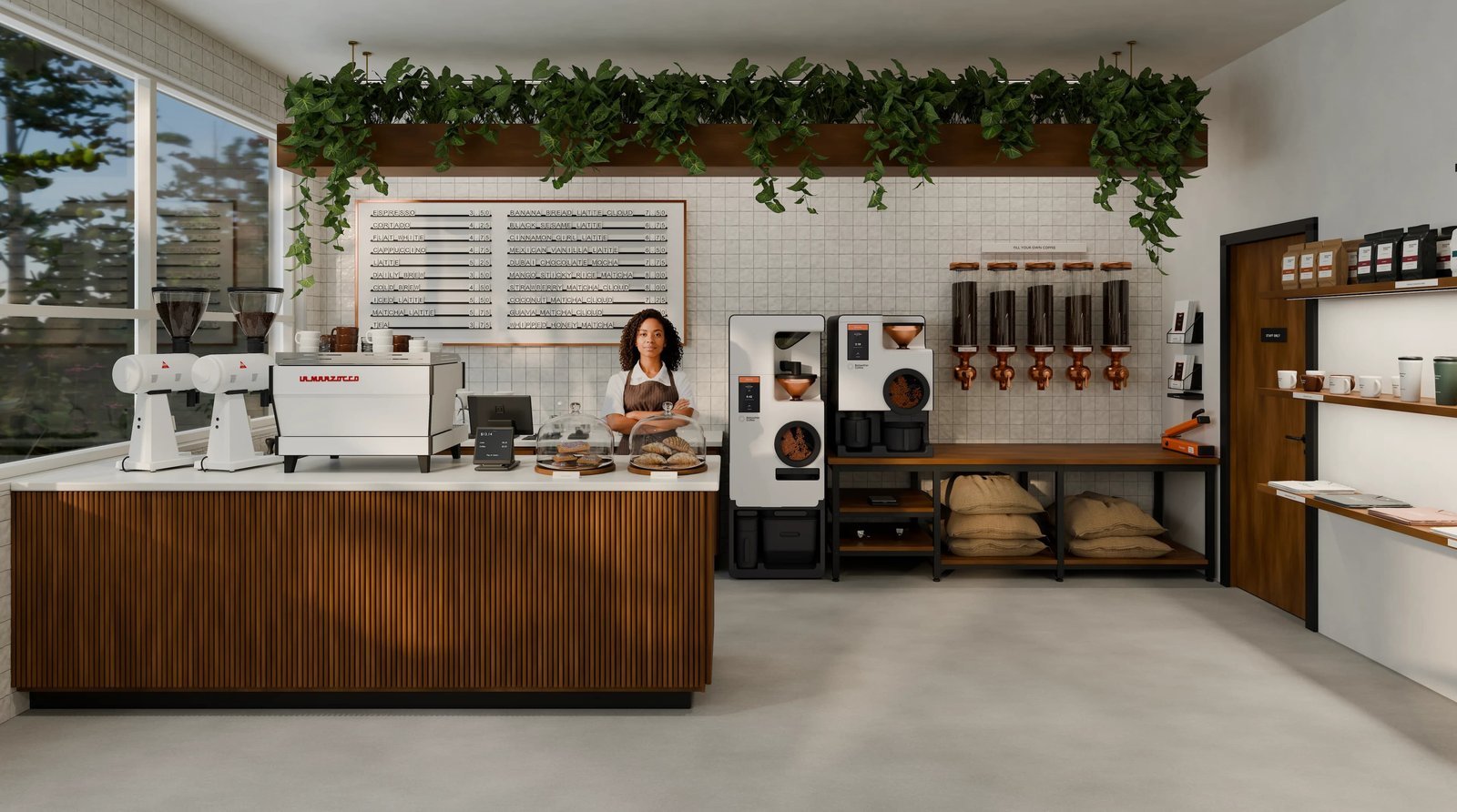
Building a brand is about more than just the beans; it’s about the experience you provide to the customer. When you maintain high standards, your product will speak for itself.
Brand around, in short
Your unique roast is more than just a drink; it’s the heart of your shop’s identity. Don’t rush the process, as building a loyal following takes time and genuine care. Start by inviting a few regulars to a private tasting session this week. You’ll see how much they appreciate your dedication.